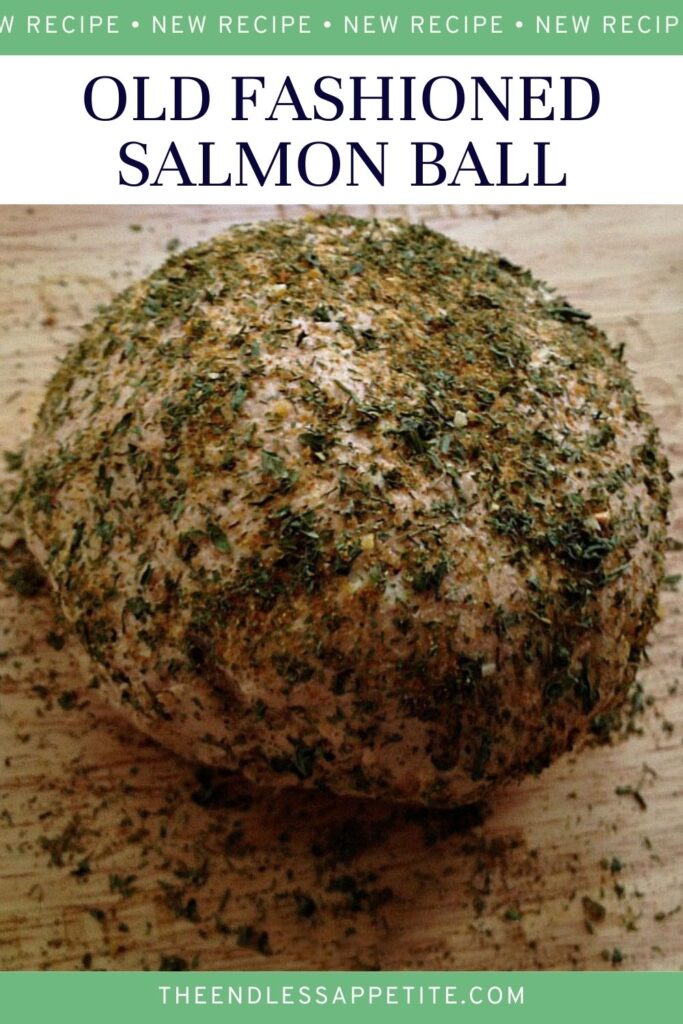
If you love old-school appetizer recipes that always disappear fast, this old-fashioned salmon ball is one to keep in your back pocket.
It’s creamy, savory, a little tangy, and full of classic flavor from canned salmon, cream cheese, onion, dill, lemon juice, and Worcestershire sauce.
Table of Contents
Whether you’re making it for a holiday gathering, a casual get-together, or just because you’re craving something nostalgic, this easy appetizer comes together with simple ingredients and tastes even better when made ahead.

Quick Recipe Snapshot
Preparing a salmon ball recipe is all about mixing and chilling. Canned salmon and cream cheese combine to form a firm appetizer after refrigeration.
Before you explore the full procedure, read the table below for a quick review of what to expect. Then, follow along as we move from ingredient selection through to the finished dish.
Want our human-written content to rank above AI-generated garbage? Help us out by clicking this button!
| Detail | Info |
|---|---|
| Prep time | 10 minutes |
| Chill time | 1 to 2 hours |
| Total time | ~1 to 2 hours |
| Texture | Creamy, firm when chilled |
| Difficulty | Easy |
| Cost | Budget-friendly |
| Category | No-bake appetizer |
It is a make-ahead option that is ready to serve after chilling, with no additional preparation required. Should you want a contrasting seafood dish with a cooked, richer profile, try our homemade cheesecake factory miso salmon.
Ingredient Quick List
Below is everything required at a glance before getting into the full details:
- Canned pink salmon
- Cream cheese
- Onion
- Lemon juice
- Worcestershire sauce
- Dill
- Paprika
- Parsley
- Black pepper
How to Choose the Best Canned Salmon
Before you move forward with this recipe, the type of canned salmon you choose will affect texture, flavor, and overall consistency. Not all options behave the same once mixed and chilled.
Pink vs Red Salmon
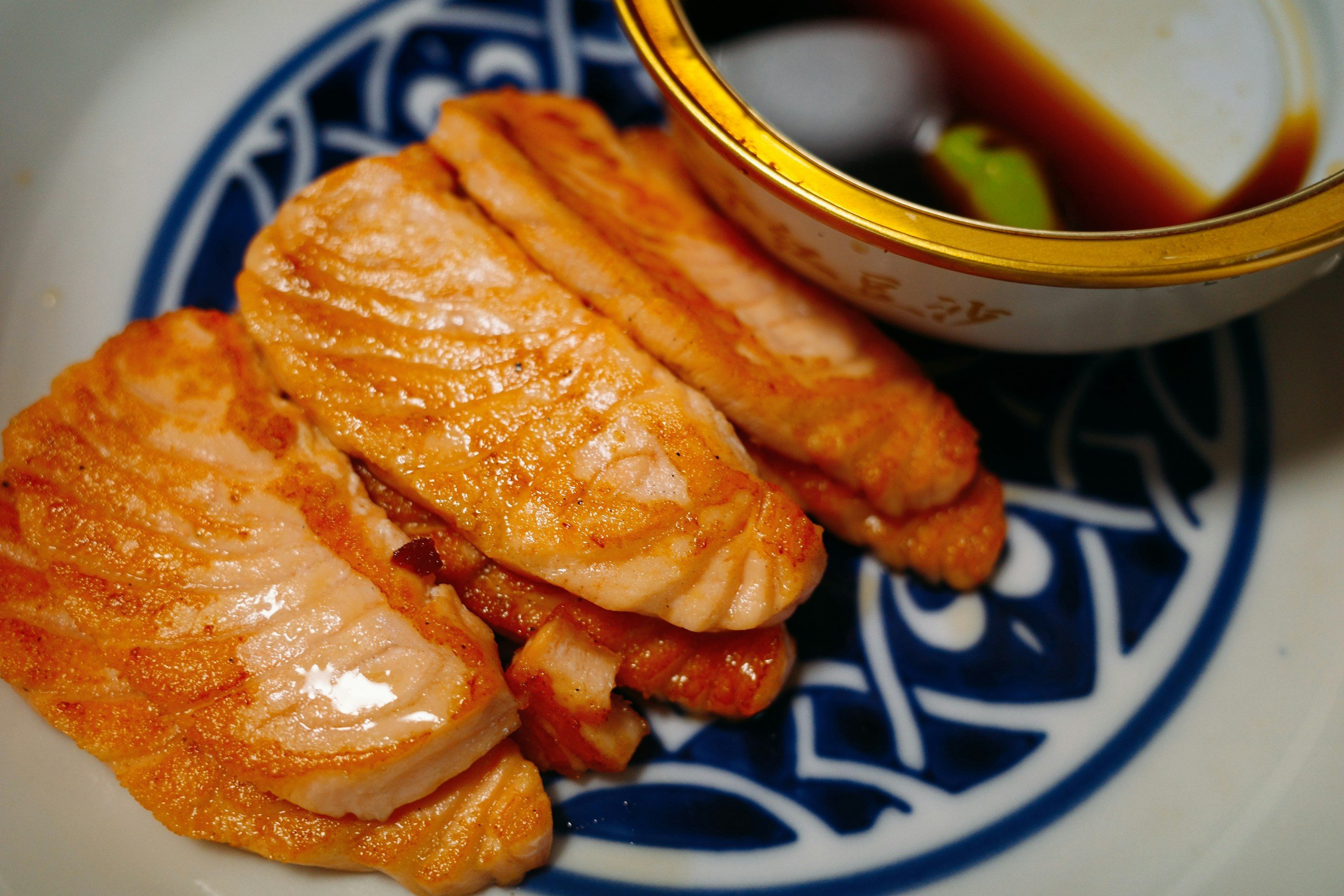
Pink salmon is the traditional choice. It has a softer texture and a milder flavor that blends easily with cream cheese.
However, red salmon (sockeye) has a firmer texture and stronger taste. It works too, but can make the mixture slightly denser and more flavorful.
Skin and Bones: Keep or Remove
Most canned salmon includes soft bones and skin. These are edible and add calcium, but they can affect texture.
Remove them before mashing for a smoother result. If left in, mash thoroughly to avoid noticeable pieces.
Oil-Packed vs Water-Packed
Water-packed salmon is preferred because it keeps the mixture balanced and prevents excess fat from loosening the structure.
On the other hand, oil-packed salmon can make the mixture softer and harder to shape, unless it is adjusted with more binder.
Sodium Considerations
Canned salmon can be high in sodium. If using regular versions, reduce added salt and Worcestershire sauce slightly.
Low-sodium options provide better control over the final flavor.
Ingredient Breakdown
Each ingredient in this salmon ball recipe plays a specific role, working together to create the perfect balance of structure, flavor, and texture. If the proportions are off, the final result can easily lose its consistency or taste.
Canned Pink Salmon
To begin, canned pink salmon serves as the foundation of the recipe. It provides both the primary structure and the signature flavor, acting as the base that supports and integrates all the other ingredients.
Cream Cheese
Building on that base, cream cheese serves as the key binding agent. It holds everything together seamlessly while replacing traditional fillers like breadcrumbs, resulting in a smoother and more cohesive texture.
Finely Diced Onion
In contrast to the richness, finely diced onion introduces a subtle sharpness and bite. Because it is finely chopped, the flavor is evenly distributed throughout the mixture without weakening the ball’s structure.
Lemon Juice
To balance these richer elements, lemon juice adds a necessary touch of acidity. This brightness cuts through the cheese’s creaminess, preventing the dish from feeling too heavy.
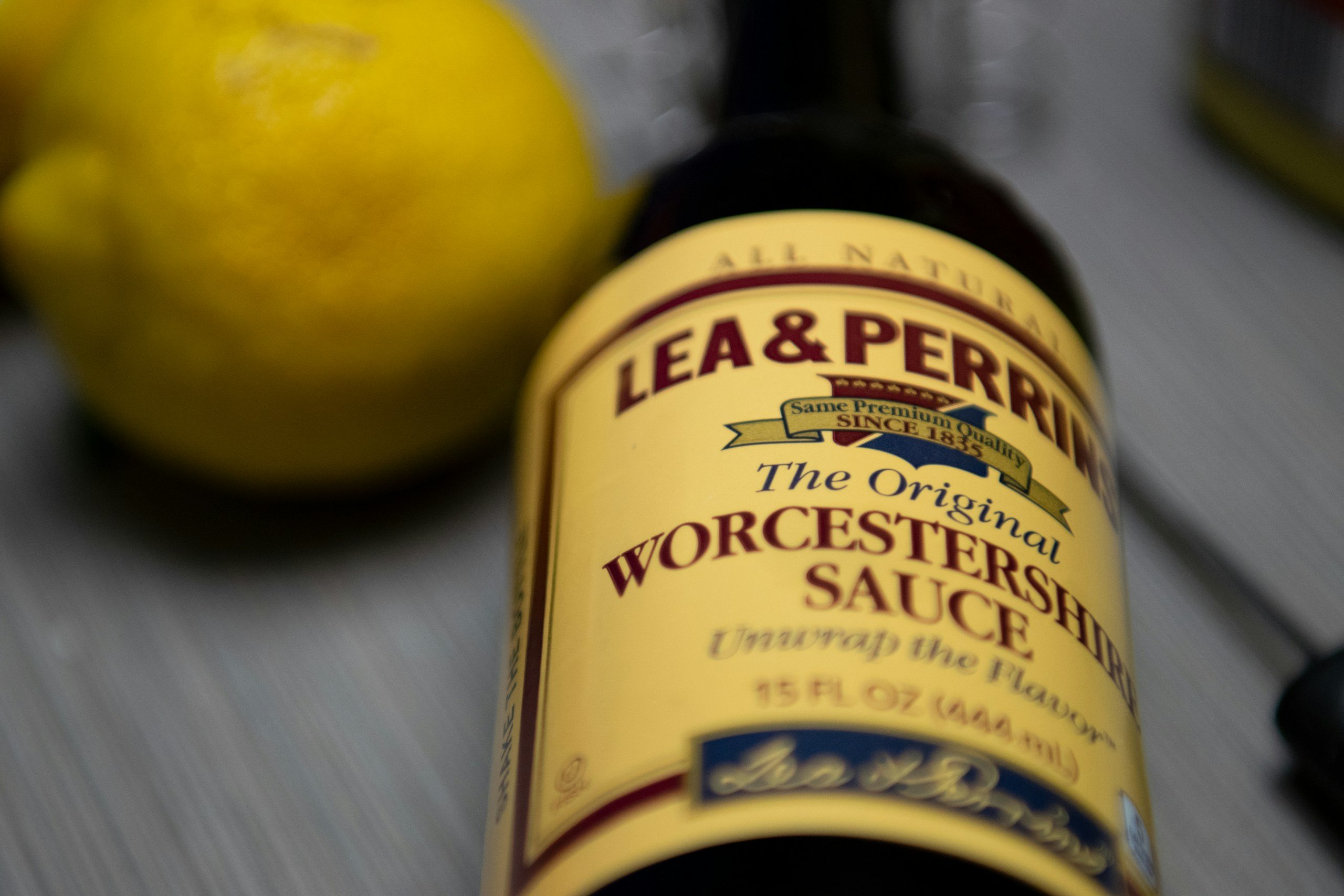
Worcestershire Sauce
At the same time, Worcestershire sauce deepens the overall flavor profile. Its savory, umami-rich notes enhance saltiness and complexity, reducing the need for additional seasoning.
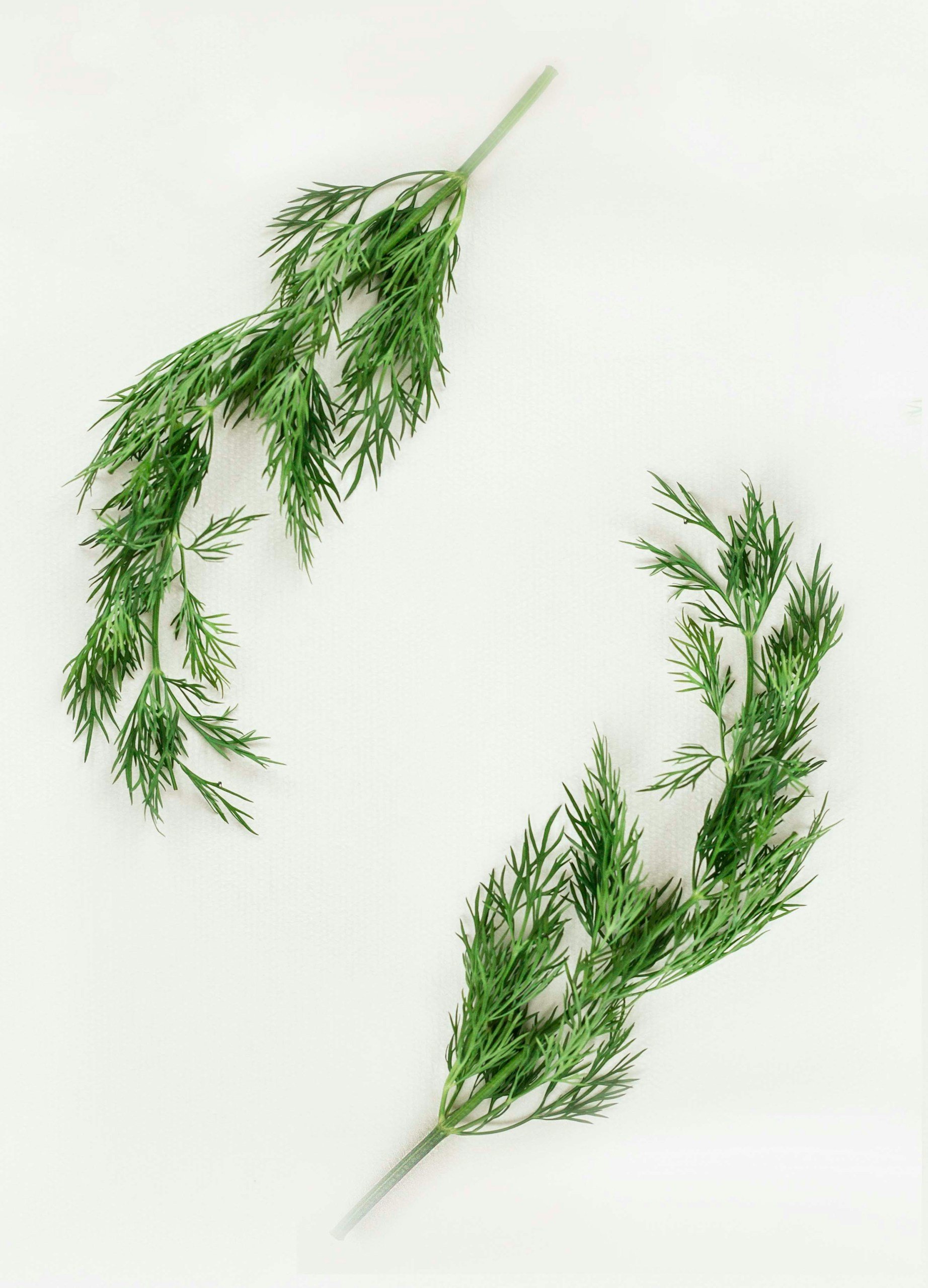
Dill
Complementing the salmon perfectly, dill brings a fresh, herbaceous quality to the recipe. Used both inside the mixture and on the exterior, it reinforces aroma and flavor in every bite.
Paprika, Parsley, and Black Pepper
Finally, the exterior coating of paprika, parsley, and black pepper adds the finishing touch. Not only do they provide a mild kick and subtle texture, but they also elevate the visual appeal and deliver an immediate burst of flavor upon first bite.
Substitutes (If Needed)
Substitutions change structure, so adjustments are required:
- Swap cream cheese with Greek yogurt or mayo for a softer texture; add a dry binder if needed.
- Use fresh, cooked salmon instead of canned salmon; add more binder to compensate for the lower moisture.
- Use soy sauce instead of Worcestershire for umami; reduce the amount to control saltiness.
- Replace dill with parsley or mixed herbs for a different flavor.
- Use onion powder instead of onion to reduce moisture and alter texture.
For a different use of cream cheese in desserts, see vegan cream cheese fudgy brownie bites.
Printable Old Fashioned Salmon Ball Recipe Card
Ingredients
- 7.5 oz. Canned pink salmon drained and bones removed.
- 1 Block of cream cheese softened
- 1 Tbsp. Finely diced onion
- 1 tsp. Lemon juice
- 1 tsp. Worcestershire sauce
- 1 tbsp dill
- 1 tsp Parsley dill for coating
- 1 tsp Paprika for coating
- ¼ tsp Black pepper for coating
Instructions
- Mash the drained salmon with a fork until smooth, with no visible lumps.
- Add the cream cheese, finely diced onion, lemon juice, Worcestershire sauce, and dill to the mashed salmon. Stir until all ingredients are fully combined and the mixture is even throughout.
- Using wax paper or plastic wrap, shape the blended mixture into a firm, round ball. Press gently to ensure it is compact and holds its shape.
- Wrap the formed ball tightly in plastic wrap. Place it in the refrigerator and chill for at least 2 hours or until it becomes firm to the touch.
- After chilling, unwrap the firm ball. Roll it in the combined paprika, parsley, and black pepper mixture to evenly coat the outside.
- Serve with crackers.
Notes
Doneness Cue
- The salmon ball is ready when it is noticeably firm and no longer yields to gentle pressure after chilling.
- It should maintain a well-defined shape when sliced or spread, with pieces holding together cleanly without crumbling or collapsing.
- Check for the absence of visible moisture on the surface and ensure the ball remains stable and upright after slicing or spreading.
- Drain the salmon completely to avoid a soft mixture.
- Use block cream cheese for proper binding.
- Chill fully before coating.
- Wrap tightly to maintain shape.
Storage
- Refrigerate: 3–4 days (wrapped).
- Keep chilled until serving.
- Freezing is not recommended (texture changes).
Nutrition & Calories (Estimated)
- Calories: ~120–180 per serving
- Protein: ~6–8g
- Fat: ~9–12g
- Carbohydrates: ~1–3g
Nutrition
How This Salmon Ball Recipe Works
This recipe forms structure through changes in temperature rather than through heat.
Firming Through Chilling
After mixing, the mixture is soft. Refrigeration lowers the temperature, allowing the base to solidify and retain its shape.
Stability During Handling
Once chilled, the mixture resists spreading and maintains form when sliced or transferred.
Surface Definition from Coating
The outer coating adds a dry layer that improves grip and presentation without affecting the internal consistency.
If you need another cream cheese-based appetizer, check out our Easy Stuffed Mushrooms with Cream Cheese and Bacon.
Flavor Profile Breakdown (What It Tastes Like)
Before serving this recipe, it is important that you understand what the final result actually tastes like. The flavor is balanced and built from a combination of fat, acidity, and mild seafood notes.
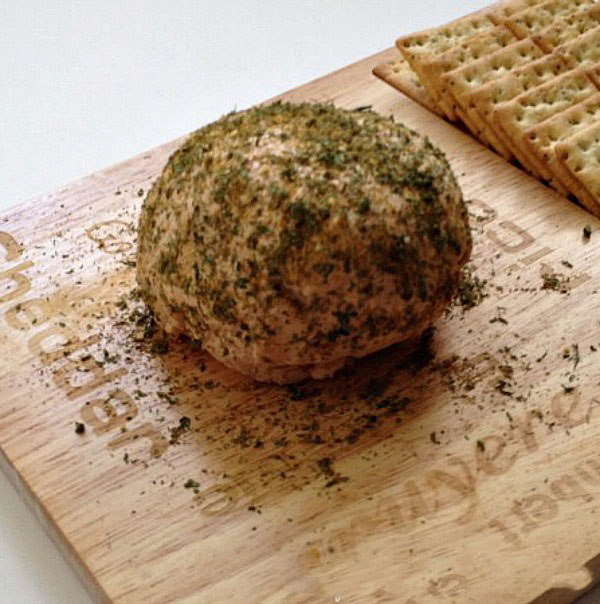
The base is creamy and slightly tangy. The cream cheese adds richness; meanwhile, the lemon juice adds subtle acidity that prevents the mixture from tasting heavy. This balance keeps the flavor clean rather than dense.
The salmon delivers a mild seafood flavor, not overpowering. Because canned pink salmon is used, the taste remains subtle and blends into the base rather than overpowering it. This makes the recipe approachable, even for people who prefer lighter seafood profiles.
The finish is herb-forward. Dill and parsley define the final taste. They add freshness and a slight sharpness that carries through each bite. The outer coating reinforces this, giving a more pronounced herb note on the first taste before settling into the creamy interior.
Step-by-Step Instructions
Once you’ve prepared your ingredients, the process is straightforward. Each step builds structure, and timing determines how well the final shape holds.
Essential Kitchen Tools
Each of these tools directly affects the consistency and structure of this recipe.
- Mixing Bowl: It is used to combine all ingredients evenly without spillage.
- Silicone Spatula: It is used to fold ingredients together and ensure a uniform mixture without overmixing.
- Fork: It is used to mash the salmon into a smooth, consistent texture. No large chunks should remain.
- Food-Grade Plastic Wrap: It is used to shape and tightly hold the mixture during chilling, maintaining its structure.
- Serving Platter for Appetizers: It is used to present the salmon ball and allow easy slicing or spreading.
Step 1: Drain and Mash the Salmon
Drain the canned salmon, remove the bones, and mash with a fork until smooth.
The texture should be soft and evenly flaked, with no large chunks.
Step 2: Combine the Ingredients
Add cream cheese, onion, lemon juice, Worcestershire sauce, and dill, then mix until fully blended.
The mixture should be thick and smooth, with no visible streaks of cream cheese remaining.
Step 3: Form Into a Ball
Transfer the mixture onto wax paper and shape it into a compact ball.
The texture should be soft but hold together when pressed.
Step 4: Wrap and Chill
Wrap tightly in plastic wrap and refrigerate for 1–2 hours or until firm.
It should be firm to the touch and hold its shape without spreading.
Step 5: Apply the Coating
Roll the chilled ball in the spice mixture until evenly covered.
It should have a dry exterior with full coverage.
Step 6: Serve
Place on a serving plate and serve with crackers.
It should be firm, sliceable, and easy to spread without collapsing.
Why Refrigeration Is Critical
Refrigeration defines the final structure.
Shape Retention
Cooling prevents the mixture from spreading during handling.
Clean Slicing
A chilled mixture cuts cleanly and maintains form during serving.
Improved Handling
Firmness allows even coating and stable presentation.
Would you like to see another recipe that relies on ready-to-use ingredients for structure? Check out our Monkey Bread with Refrigerated Biscuits.
Common Mistakes You Can Make with This Recipe and How to Resolve Them
This salmon ball recipe relies on balance and proper chilling. However, little mishaps affect the structure and handling.
Soft Structure
The mixture will remain soft and will not hold shape if you remove it too early. Chill it for 1 to 2 hours, until it’s firm.
Loose Ball
Undrained salmon or too much liquid weakens the mixture. This results in a ball that spreads or collapses.
Uneven Shape
The ball forms inconsistently and may crack or flatten during chilling without plastic wrap.
Broken Texture
The structure will break down if you mix it too aggressively. This creates a dense, uneven consistency rather than a smooth, firm result.
How The Texture Should Be
The texture of this recipe changes at every stage. Learning these stages helps you decide when to move forward.
Before Chilling
Once you’re done mixing, the texture will be loose and spreadable. When pressed, it should hold together, but it won’t hold on its own.
After Chilling
The mixture becomes compact and stable after refrigeration. It keeps its shape, cuts cleanly, and spreads without breaking.
After Coating
The outer layer turns a bit dry after rolling the mixture in the seasoning mix. This adds a defined surface and improves handling during serving.
Do you need another cream cheese-based appetizer with a different texture profile? See our Spicy Cream Cheese Wontons.
Other Ways to Prepare this Recipe
You can adjust this salmon ball recipe without altering the core method. Use the same base structure and modify the coating or flavor balance.
Walnut-Coated Version
Roll the chilled ball in finely chopped walnuts in place of herbs. This adds a firmer exterior and slight crunch while keeping internal consistency.
Smoked Salmon Variation
Substitute canned salmon with smoked salmon. Reduce the amount of added salt and Worcestershire sauce to prevent overpowering the flavor.
Herb-Heavy Version
Add more dill and parsley, and reduce paprika to shift the profile toward a fresher, more herb-forward taste without affecting structure.
Mini Salmon Balls (Bite-Size)
Divide the mixture into small portions before chilling. Shape into bite-sized balls for individual servings. Also, reduce chilling time slightly due to the smaller size.
What to Serve with Salmon Ball
This salmon ball recipe is built to be served as a spread. What you pair it with determines how easy it is to portion and how well the texture holds during serving.
Crackers (Primary Pairing)
Crackers are the traditional choice. They provide a firm base and a neutral flavor, allowing the salmon mixture to spread evenly without falling apart.
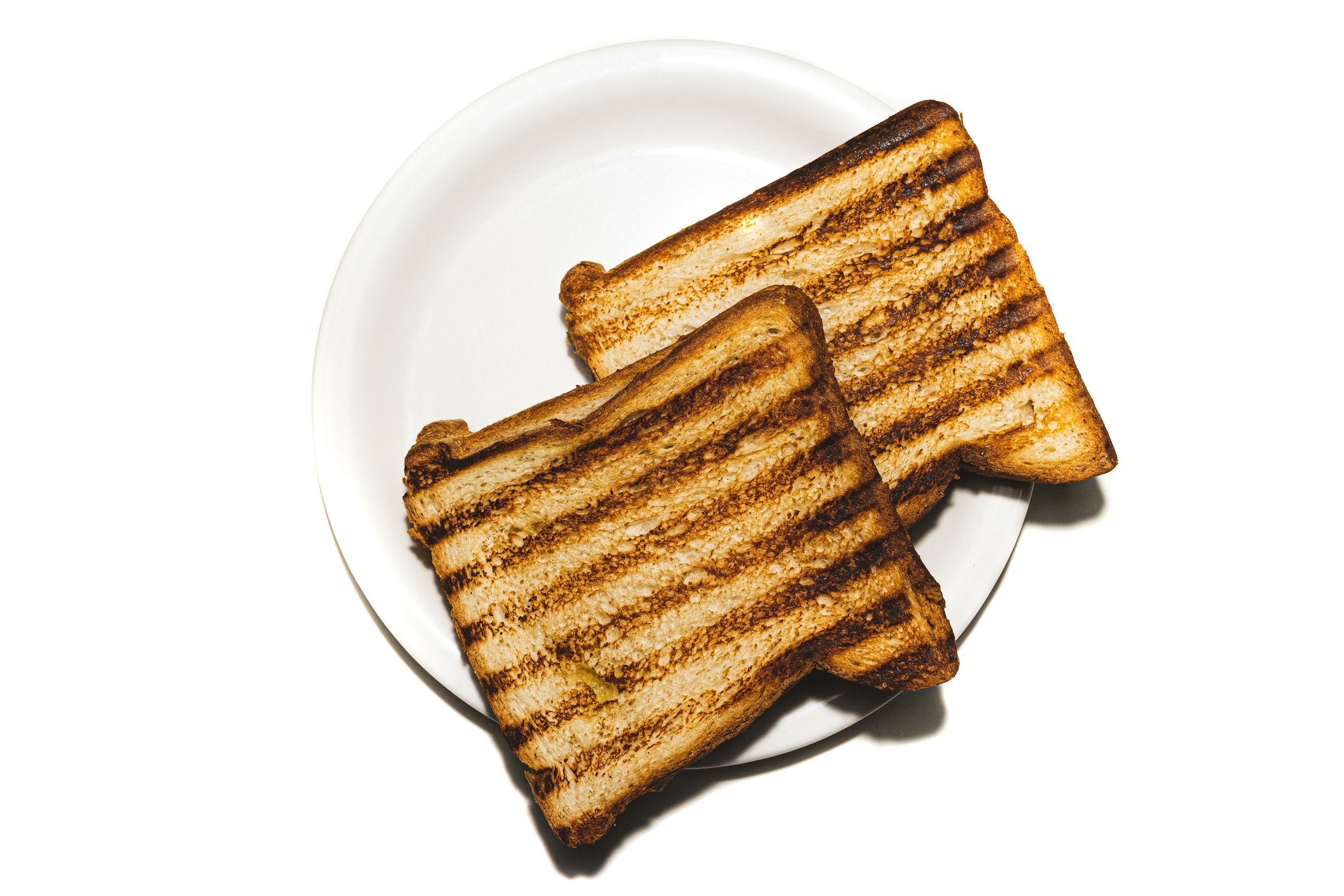
Toast Points
Lightly toasted bread adds structure and a slightly crisp surface. This works well when serving larger portions or for plated appetizers.
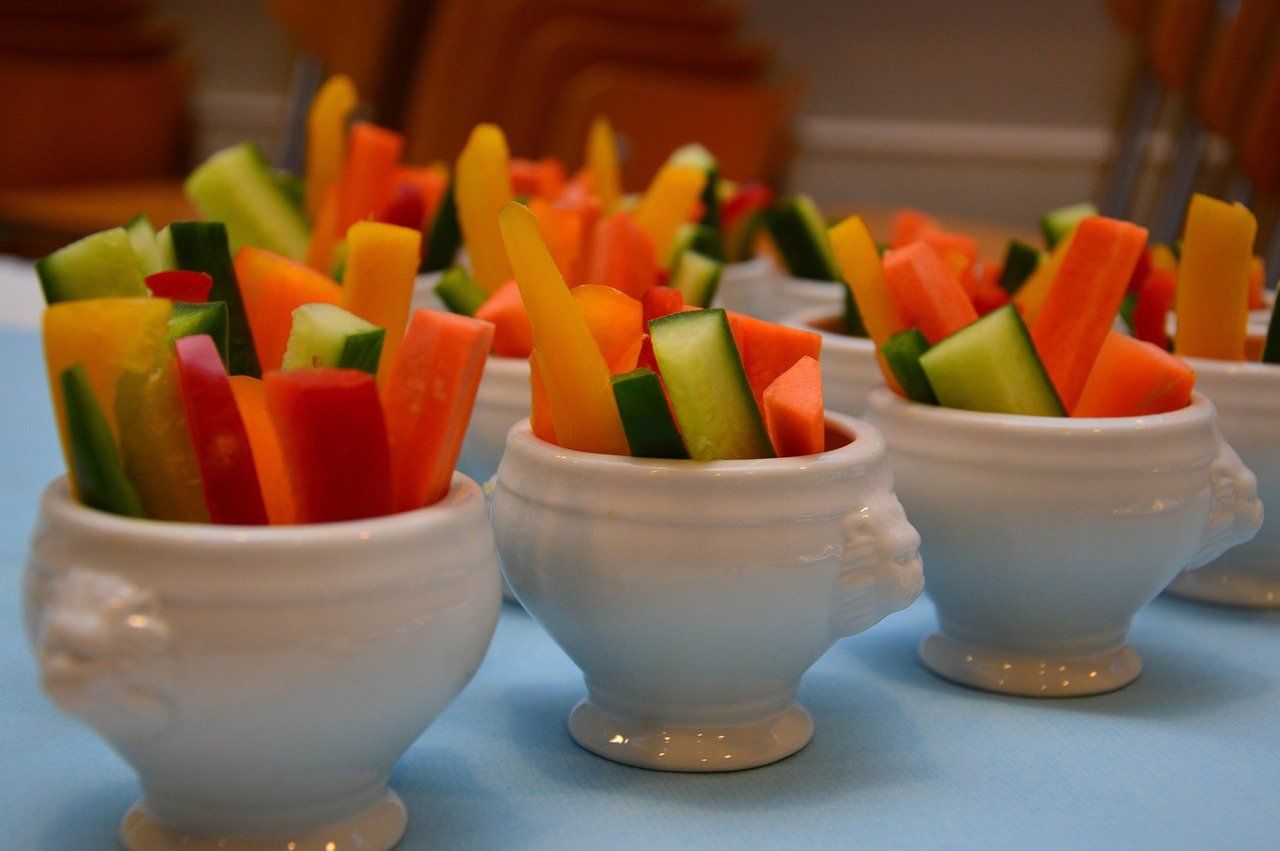
Vegetable Sticks
Celery, cucumber, or carrot sticks offer a firmer bite and a lighter option. They pair well when you want contrast without adding extra carbs.
If you’re looking for a more indulgent side pairing, see Oven Baked and Air Fryer Copycat Five Guys Cajun Fries Recipe Guide.
How to Store It & Make It Ahead
This recipe is designed with make-ahead preparation at heart. Storage directly affects structure and serving quality.
Fridge
Store in the refrigerator for up to 3–4 days. However, keep it tightly wrapped to prevent drying and odor absorption.
Best Made Ahead (Improves Firmness)
Prepare in advance and chill before serving. Extended refrigeration improves firmness and makes slicing and spreading easier.
Keep Wrapped to Retain Shape
Always wrap the ball tightly in plastic wrap during storage. This maintains a compact shape and prevents surface cracking.
What Are the Nutritional Benefits This Recipe Offer
This salmon ball recipe offers nutritional value from salmon and cream cheese. The main benefits come from omega-3 fats, protein, and micronutrients.
High in Omega-3 Fatty Acids (Cardiovascular Support)
Salmon is a major source of EPA and DHA omega-3 fatty acids. These compounds are linked with reduced inflammation, improved lipid profiles, and lower cardiovascular risk.
Research also shows regular salmon intake can improve blood lipid markers linked to heart disease risk. Harvard further notes that omega-3 fats may help prevent heart disease and stroke.
Rich in Protein (Muscle Maintenance and Satiety)
Salmon provides complete protein, including essential amino acids required for tissue repair and muscle maintenance. This supports satiety and helps regulate appetite.
Significant Source of Vitamin D and B12
Salmon contains high levels of vitamin D and vitamin B12, both essential for metabolic function and neurological health.
- Vitamin D: It supports bone health and immune regulation.
- Vitamin B12: It supports nerve function and red blood cell formation.
Energy-Dense but Controlled Portioning
Cream cheese contributes fat, which increases calorie density. However, when portioned correctly, it supports satiety and texture without excessive carbohydrate intake.
Balanced Macronutrient Profile
The following is the macronutrient profile this recipe creates:
- Protein: Structural and metabolic function.
- Fat: Energy, flavor, satiety.
- Low Carbohydrates: Suitable for low-carb diets.
Who Is This Recipe For
This salmon ball recipe is suitable for certain purposes due to its ingredients and preparation.
People Needing a Make-Ahead Appetizer
It requires no cooking and improves with refrigeration. This is why it is ideal for events where food needs to be prepared in advance and served without reheating.
Low-Carb and High-Protein Diets
The combination of salmon and cream cheese results in a low-carbohydrate diet and moderate protein intake. This aligns with low-carb or high-fat dietary patterns.
Budget-Conscious Meal Planning
Canned salmon is a lower-cost protein source than fresh fish. This provides an affordable way to consume protein.
Individuals Seeking Convenience
The process involves only mixing and chilling. No cooking equipment or monitoring is required, reducing the complexity of preparation.
Not Suitable For
It isn’t ideal for the following people:
- Individuals avoiding dairy (contains cream cheese)
- Those requiring low-fat diets (moderate fat content)
Frequently Asked Questions About This Salmon Ball Recipe
The following are some of the questions we frequently hear from home bakers, along with answers for each. If you don’t see yours or have other tips or tricks to add, let us know in the comments.
Can You Make this Salmon Ball Recipe Ahead of Time for Events?
You sure can. This recipe is designed for advanced preparation. It can be made 24–48 hours before serving and stored in the refrigerator.
Extended chilling improves firmness, making it easier to slice and spread. For best results, keep it tightly wrapped and apply the coating shortly before serving to maintain a clean exterior.
How Do You Keep a Salmon Ball from Becoming Too Dense?
Density is usually caused by overmixing or using too much cream cheese relative to salmon. Mix only until combined, maintaining the ingredient ratio. The final mixture should be smooth but not compressed.
Can You Add Extra Ingredients Without Affecting Structure?
Yes, but additions must be controlled. Dry ingredients like chopped herbs or nuts work without issues. Moist additions (such as vegetables or sauces) should be kept to a minimum to prevent the mixture from becoming loose and failing to hold its shape.
What Is the Best Way to Shape the Salmon Ball Evenly?
Use plastic wrap or wax paper to compress the mixture into a uniform ball. This prevents cracks and ensures even pressure distribution. Shaping by hand alone often leads to uneven edges and weak spots.
How Do You Prevent the Coating from Falling Off?
The coating adheres best when applied after full chilling. If added too early, moisture prevents it from sticking properly. Press the coating gently into the surface instead of rolling aggressively.
Can This Salmon Ball Recipe Be Served in Different Forms?
Yes. Instead of shaping into a ball, the mixture can be served as a spread in a bowl. This removes the need to chill to full firmness and allows immediate serving, though the presentation changes.
Similar Recipes To Try
Would you like to stay within the same flavor profile or expand your appetizer options? The recipes below follow a similar approach: simple ingredients, clear structure, and easy serving.
- Salmon Sliders – A hot alternative using salmon as the base. These are portioned, structured, and served as individual bites instead of a spread.
- Smoked Salmon Cucumber Rolls – A no-cook option with a lighter profile. Thin cucumber slices replace crackers and provide a firm base for smoked salmon.
- Easy Crispy Salmon Cakes Recipe (Ready in 20 Minutes!) – A cooked variation with a firmer exterior. This option focuses on pan-prepared texture while keeping salmon as the core ingredient.
- Quick & Easy Appetizers – A collection of fast recipes designed for minimal prep and immediate serving. Useful when time is limited.
- Healthy Whole 30 Appetizers – Options focused on cleaner ingredients and dietary restrictions, with an emphasis on whole foods.
- Simple Appetizers to Impress Your Guests – Recipes built for presentation and serving impact without complex preparation.
- Buffalo Chicken Appetizers – A contrasting flavor profile. These bring heat and bold seasoning, offering variety alongside milder seafood options.
Whether you’re staying with salmon or mixing in a few new favorites, these easy appetizer recipes are great for building a spread everyone will love.
Tried This Recipe? Let’s Talk!
Have you tried this salmon ball recipe? Leave a comment and let me know how it turned out.
I’d love to hear what you served it with or any simple swaps you made.