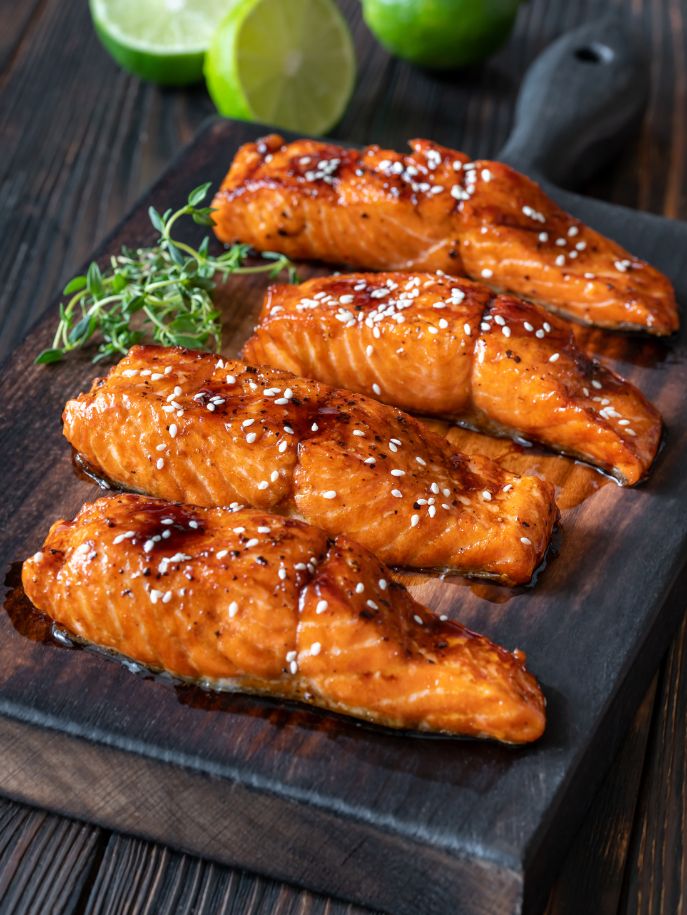
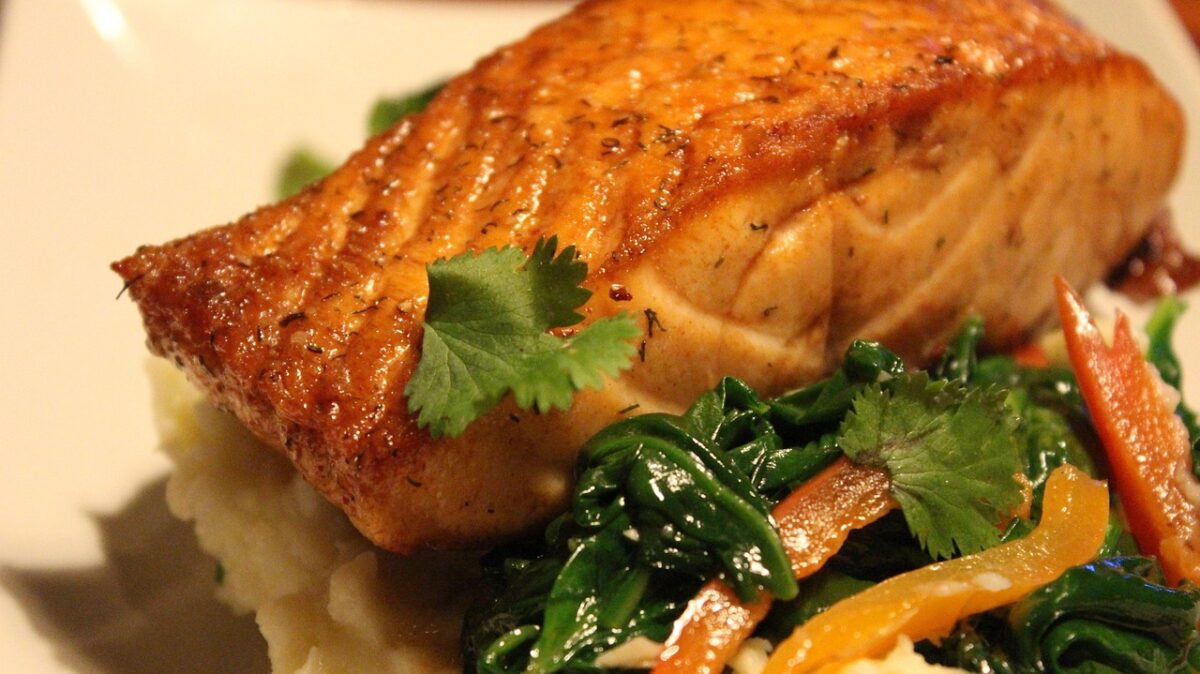
Ever wonder how The Cheesecake Factory gets that perfectly glazed, melt-in-your-mouth miso salmon? Turns out, you don’t need a reservation. Just print the recipe card below so you can take it along on your next visit to the grocery store.
This copycat version captures the same rich umami flavor, buttery texture, and elegant presentation, all from the comfort of your own kitchen. Whether you’re impressing guests or just craving something indulgent, this is the miso salmon recipe you’ll come back to again and again.
Table of Contents
It’s also easy to double or triple this recipe for entertaining, though, of course, some of my friends refused to believe that I made it myself instead of ordering takeout. Besides being just like the version Cheesecake Factory makes, it reminds them of their favorite seafood restaurants.
Why This Imitation Cheesecake Factory Miso Salmon Recipe Works
This recipe combines the sweetness of brown sugar, the saltiness of soy sauce, and the savory taste of miso paste and salmon. It takes full advantage of a flavor known as umami, a savory flavor associated with meaty ingredients like salmon. Umami has been recognized as the fifth basic taste alongside sweet, sour, salty, and bitter.
Fun Fact: According to the Pennsylvania State University, umami comes from amino acids that are common in meaty dishes. It especially became associated with Japanese cuisine that includes a type of fish stock called dashi, the kelp seaweed called kombu, bonito fish flakes, and shiitake mushrooms. In fact, a Japanese chemist named Kikunae Ikeda coined the term umami and isolated the chemicals that can contribute a strong umami flavor to foods.
Want our human-written content to rank above AI-generated garbage? Help us out by clicking this button!
So it should be no surprise that umami features so heavily in Asian-inspired dishes like miso salmon.
What I like to do is pair this recipe with a good rice dish. Broccoli risotto or Creamy Mushroom and Wild Rice tend to work well if you want something mild that can balance out the flavors in your meal.
Ingredient Quick Scan (What You’ll Need)
The following is a list of all of the ingredients that you will require to prepare this mouthwatering meal:
- Brown sugar
- Miso paste
- Soy sauce
- White rice vinegar
- Salmon filets, deboned, skinned (preferably fresh)
- Fresh snow peas
- Dry sake
- Shallot (minced)
- Butter (softened)
- Chives as garnish
What Do These Ingredients for Imitation Cheesecake Factory Miso Salmon Do?
If you’re like me, you like to know what each ingredient actually does.
Salmon
2 4-ounce salmon filets, deboned and skinned
I like to get fresh salmon from the seafood department at my local grocery store. The important thing is to get it from a reputable source. If it smells strong or rank, it’s probably gone bad.
This is a more meaty fish than white fish varieties like cod or pollock. If you’re going for more Omega-3 fatty acids in your diet, go for wild-caught instead of farmed salmon if you can.
Brown sugar
2 tablespoons brown sugar
The sweetness of brown sugar helps balance out the umami and saltiness of the other ingredients.
Miso Paste
2 tablespoons miso paste
Miso paste is made from fermented soybeans and koji, a rice-grown fungus. You’ll often see it in soup and some ramen-based dishes. It can also be used as a glaze and a marinade. Its flavor is often described as umami, a combination of salty, sweet, and savory.
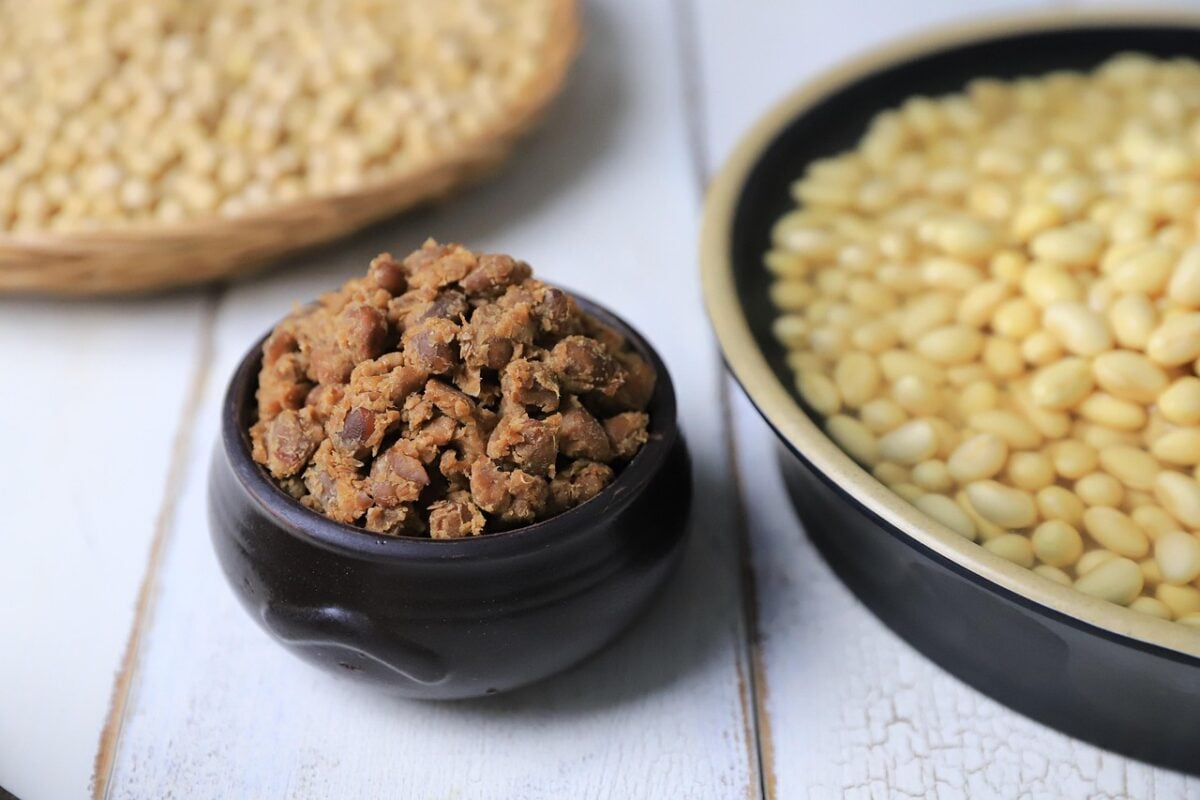
Longer fermentation deepens color and umami flavor. A deep red miso paste has been fermented the longest and can have a strong flavor. For that reason, I often like to mix red and lighter colored versions like beige.
Look for miso paste wherever you buy your ingredients for Asian-themed foods. It can be found in the Asian aisle of your grocery store.
Soy Sauce
2 tablespoons soy sauce
Soy sauce adds a little extra saltiness to any recipe that calls for it. I like to go for a low-sodium version because I like to watch my sodium intake.
White Rice Vinegar
1 teaspoon white rice vinegar
White rice vinegar is common in Asian cuisine, especially in sushi, dressings, and marinades. It has a milder and slightly sweeter flavor than “regular” white vinegar. This is important because every type of vinegar has a distinct flavor profile, which can make it difficult to successfully substitute one type of vinegar for another.
Fresh Snow Peas
1 cup snow peas
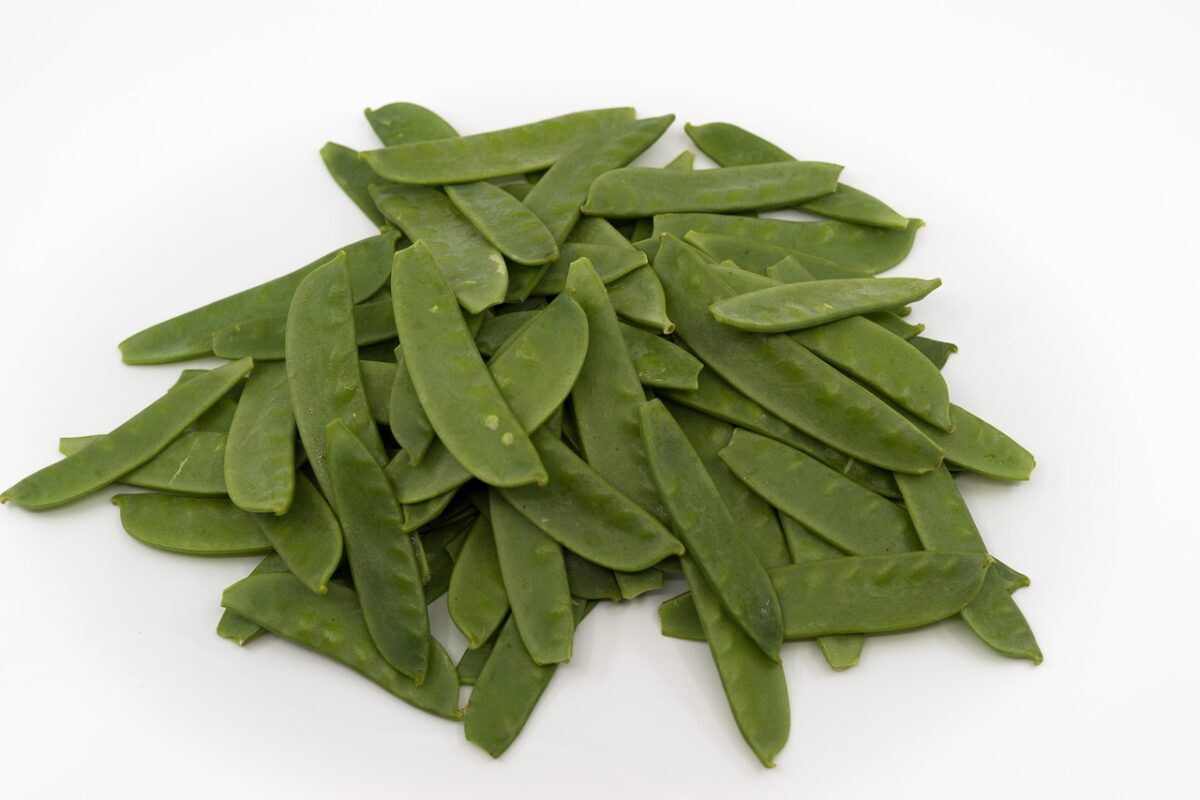
Snow peas are really easy to mistake for soybeans in the pod if you don’t look closely. However, snow peas are a little narrower because the peas inside aren’t as large as soybeans.
Snow peas provide a mainstay in Asian cooking for their tender-crisp texture and mildly sweet flavor. I also like them in stir-fry. Here, they can make an attractive “bed” for the salmon.
Dry Sake
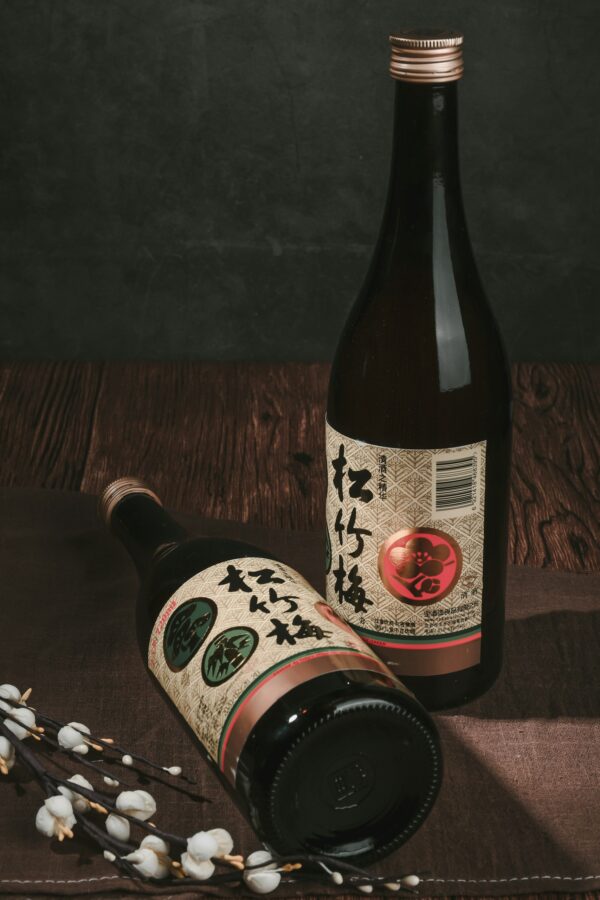
1/2 cup dry sake
Sake is a variety of Japanese wine known for having a lower sugar content than other varieties, making it less sweet. It is made by fermenting rice.
Shallot
1 shallot
Shallots combine the sharp flavor of red onions with the sweeter flavor of yellow onions, with less of a “punchy” flavor.
Fun fact: Until 2010, scientists believed that shallots were a distinct species that was separate from onions (Allium cepa)! They called it Allium ascalonicum. Then they reclassified shallots as the same species as onions because they believed the differences were too small to justify making it a separate species. Be sure to check out Purdue University’s Department of Horticulture’s fact sheet on “Onions and Their Relatives” to learn more.
Butter
1 stick of butter, softened
This will be used for making the buttery drizzle that goes over the dish just before you serve it.
Chives
Enough chives for garnish.
Chives make an attractive garnish for many recipes.

Printable Cheesecake Factory Miso Salmon Card
Ingredients
- 2 tablespoons brown sugar
- 2 tablespoons miso paste
- 2 tablespoons soy sauce
- 1 teaspoon white rice vinegar
- 2 (4-oz) salmon fillets, deboned, skinned (preferably fresh)
- 1 cup fresh snow peas
- 1/2 cup dry sake
- 1 shallot, minced
- 1 stick butter, softened
- Chopped chives for garnish
- Olive oil, as needed
Instructions
- Combine the miso paste, brown sugar, white rice vinegar, and soy sauce in a bowl. If it’s too thick, gradually stir in 1 to 2 tablespoons of water until it’s the right consistency.
- Set out a sheet of plastic wrap or aluminum foil for each salmon filet. Set one filet on each sheet.
- Brush the marinade on all sides of the filet until they are thoroughly covered in marinade.
- Wrap the filets in the sheets and marinate in the refrigerator for about 30 minutes.
- Preheat the oven to 355 degrees F (180 C).
- Boil 2-3 cups of salted water in a pot on medium-high heat.
- Blanche the snow peas for 8-10 minutes. Remove from heat and cool down in an ice bath.
- Line a baking sheet with aluminum foil. Optionally, you can coat the aluminum foil with olive oil to prevent the marinade from sticking to it.
- Place salmon on the foil. Cook in the oven for 12-15 minutes until it is flaky but still pink on the inside.
- While the salmon is cooking, melt butter in a saucepan over medium heat. Saute shallot for 7 minutes. Add sake and stir well. Optionally, add salt and pepper to taste.
- Arrange salmon and snow peas on a plate; top everything with the sake butter. Serve with your favorite rice dish.
Notes
- For a richer flavor, use a mixture of red and lighter miso paste.
- Opt for fresh, soft-textured salmon fillets for a juicy and tender result.
Nutrition Information for This Cheesecake Factory Miso Salmon Recipe
This recipe is rich in protein and Omega-3 fatty acids from the salmon! To explore the nutrition information of individual ingredients, please visit USDA FoodData Central.
Step-by-Step Method for Making Cheesecake Factory Miso Salmon
Once your ingredients are prepped, the rest comes together quickly and effortlessly. This recipe follows the same flavor-building order used in restaurant kitchens: marinate first, cook hot, then finish with a buttery glaze, so you get tender salmon with that signature sweet-savory miso finish every time.
Follow the steps below for a foolproof, Cheesecake Factory–style result.
Step One: Make the Marinade
Combine the miso paste, brown sugar, white rice vinegar, and soy sauce in a bowl. If it’s too thick, gradually stir in 1 to 2 tablespoons of water until it’s the right consistency.
Try not to water it down too much, though. I like the flavors in this marinade to stand out!
Step Two: Marinate the Salmon
Set out a sheet of plastic wrap or aluminum foil for each salmon fillet. These sheets should be big enough to wrap them, and you can also use them as a work surface. Set one filet on each sheet.
Brush the marinade on all sides of the filet until they are thoroughly covered in marinade. There should be very little marinade left in the bowl.
Then wrap the filets in the sheets and marinate in the refrigerator for about half an hour. It doesn’t have to be exactly half an hour, but I like to do it for about that long to get the bold marinade flavor without overwhelming the salmon.
Step 3: Preheat the Oven and Make the Snow Peas
Preheat the oven to 355 degrees F (180 C) so it’s ready for the salmon when it’s done marinating.
While it’s preheating, boil 2-3 cups of salted water in a pot on medium-high heat. Blanche the snow peas for 8-10 minutes. Remove from heat and cool down in an ice bath.
Step 4: Cook the Salmon
Line a baking sheet with aluminum foil. Optionally, you can coat the aluminum foil with olive oil to prevent the marinade from sticking to it.
Place salmon on the foil. Cook in the oven for 12-15 minutes until it is flaky but still pink on the inside.
Alternatively, you can broil miso salmon! Let the salmon warm up to room temperature after marinating, and turn on your broiler while it’s still warming up. Then broil for 6 to 8 minutes.
Don’t know where your broiler is? Check your oven manual! Sometimes it’s located at the top of the main oven compartment. Other times, it’s a broiler drawer under the main oven compartment. You might have been keeping the lids for your skillets in it!
Step 5: Make the Sake Butter
While the salmon is cooking, melt butter in a saucepan over medium heat. Sauté shallot for 7 minutes. Add sake and stir well. Optionally, add salt and pepper to taste.
Step 5: Assemble on plates and serve.
Arrange salmon and snow peas on a plate, then drizzle the sake butter over everything. Serve with your favorite rice dish.
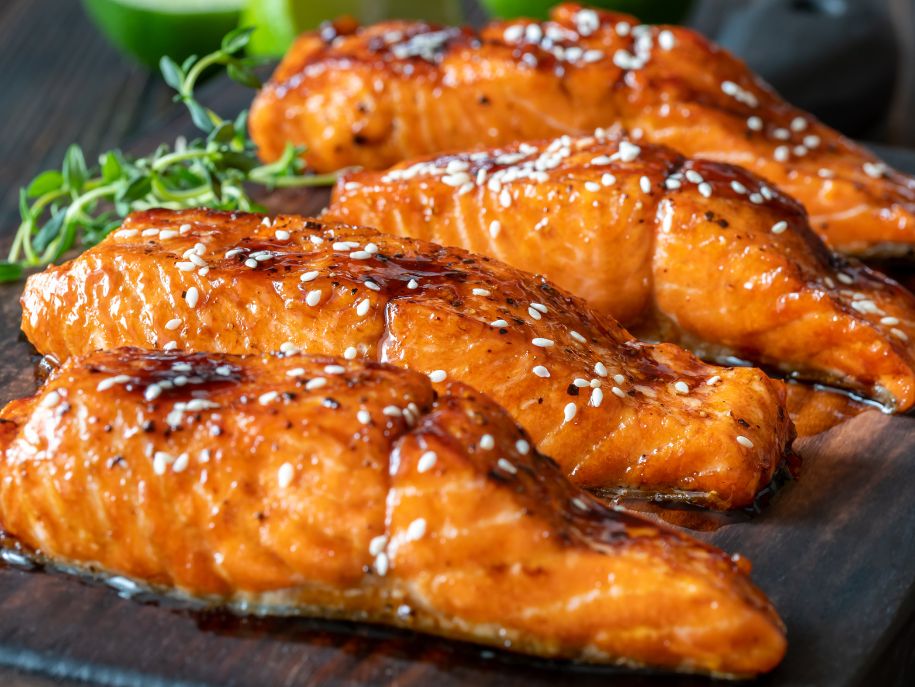
Why This Miso Salmon Tastes Like Cheesecake Factory’s
This copycat recipe focuses on balance and technique rather than shortcuts. Each element mirrors the flavors and textures found in the restaurant version.
- White miso and brown sugar create the same sweet-savory glaze without overpowering the salmon.
- High-heat cooking allows the sugars to lightly caramelize, adding depth and color.
- A butter finish adds the rich, silky texture Cheesecake Factory is known for.
- Short marinating time ensures the salmon stays tender and clean-tasting.
Possible Substitutions for Cheesecake Factory Miso Salmon
For a lower-fat version, you could try using vegan butter instead of dairy butter.
I like to have green beans or fresh (not canned) peas with this if I don’t have any snow peas. Green beans can be roasted instead of blanched if you keep an eye on them so they don’t burn while in the oven.
White rice vinegar has a unique flavor profile, so it’s tough to find an alternative vinegar that will work.
5 Common Mistakes to Avoid When Making Cheesecake Factory Miso Salmon
Even a simple recipe can go sideways without a few guardrails. Avoid these common mistakes to get tender, flavorful, restaurant-quality salmon every time.
1. Over-marinating the salmon
Miso and soy sauce are both salty and powerful. Marinating longer than 30 minutes can overpower the fish and affect its texture. Aim for 15–30 minutes.
2. Using the wrong type of miso
Dark or red miso is much stronger than white miso and can dominate the dish. Use white (shiro) miso for a balanced, slightly sweet umami flavor.
3. Cooking at too low a temperature
Low heat prevents caramelization and leaves the glaze flat instead of glossy. Cook hot enough to develop light caramelization without burning.
4. Overcooking the salmon
Salmon dries out quickly once it passes medium. Pull it when it flakes easily and still looks slightly glossy in the center.
5. Skipping the butter finish
The butter is what creates the signature richness. Finish with the sake butter for a smooth, restaurant-style sauce.
More Salmon Recipes You Might Enjoy
If you love cooking with salmon, here are a few more easy and flavorful recipes to try next:
- Salmon Cakes – Crispy on the outside, tender on the inside, and perfect for weeknight dinners.
- Smoked Salmon Cucumber Rolls – A fresh, light option that works well as an appetizer or snack.
- Salmon Sliders – A fun, flavorful way to serve salmon for casual meals or gatherings.
Frequently Asked Questions About Cheesecake Factory Miso Salmon
If you don’t see your question answered here, feel free to ask in the comments below. We’re happy to help and update the post as new questions come up.
Can I make miso salmon ahead of time?
Yes. You can marinate the salmon up to 30 minutes in advance and prep the sauce ahead. Cook just before serving for the best texture.
What type of miso does Cheesecake Factory use?
The exact recipe is not public, but the flavor profile strongly suggests white miso, which is mild, slightly sweet, and not overpowering.
Is miso salmon healthy?
Salmon is rich in protein and omega-3 fatty acids, while miso adds fermented umami flavor with minimal added fat.
Can I cook this miso salmon in a pan or an air fryer?
Yes. A hot skillet works well for caramelization, and an air fryer can be used at a high temperature with close monitoring.
What can I substitute for sake?
You can use dry sherry, mirin (reduce sugar elsewhere), or chicken broth with a small splash of rice vinegar for a non-alcoholic option.
How to Store and Reheat Miso Salmon
Whether you’re planning leftovers or prepping ahead, proper storage ensures this miso salmon stays flavorful and tender even after the first serving.
Refrigerator Storage
Allow the salmon to cool completely, then store it in an airtight container in the refrigerator for up to 3 days. Store the salmon and snow peas separately if possible to preserve texture.
Freezing
Miso salmon can be frozen, but the texture is best when eaten fresh. If freezing, wrap tightly and store for up to 1 month. Thaw overnight in the refrigerator before reheating.
Reheating
Reheat gently to avoid drying out the salmon. Warm in a covered skillet over low heat or in the oven at 275°F until just heated through. Avoid microwaving if possible, as it can make the salmon tough.
What to Serve With Cheesecake Factory Miso Salmon
This miso-glazed salmon pairs best with simple sides that balance its rich, savory flavor. Choose dishes that add freshness, texture, or neutral starch to round out the meal.
Rice and Grains
- Steamed jasmine or white rice
- Brown rice for a heartier option
- Fried rice with minimal seasoning
Vegetable Sides
- Steamed or roasted broccoli
- Sautéed green beans or snap peas
- Simple cucumber salad with rice vinegar
Restaurant-Style Pairings
- Garlic mashed potatoes
- Asian-inspired slaw
- Light miso soup or clear broth
Make It a Cheesecake Factory Meal at Home
Turn this miso salmon into a complete Cheesecake Factory–style dinner by pairing it with a few of their most popular sides and starters. Mixing and matching copycat recipes lets you recreate the restaurant experience without leaving home.
- Cheesecake Factory Chicken Marsala Recipe
- Cheesecake Factory Four-Cheese Pasta Recipe
- Cheesecake Factory Pasta Da Vinci Recipe
- Cheesecake Factory Stuffed Mushrooms Recipe
- Cheesecake Factory Meatloaf Recipe
Tip: Serving everything family-style on large plates or platters helps recreate the generous Cheesecake Factory presentation at home.
Did You Try This Cheesecake Factory Miso Salmon?
How easy is it to recreate Cheesecake Factory’s miso salmon at home? If you’ve tried this, you may have noticed that it’s easier than you thought! Do you have any questions or feedback? If so, please let us know in the comments below.