Homemade pizza dough recipe fails if the dough is too sticky, doesn’t rise, or turns out tough rather than soft and chewy.
Most of these problems are caused by incorrect hydration, poor fermentation, or overworking the dough. These little mishaps always have a huge impact.
Table of Contents
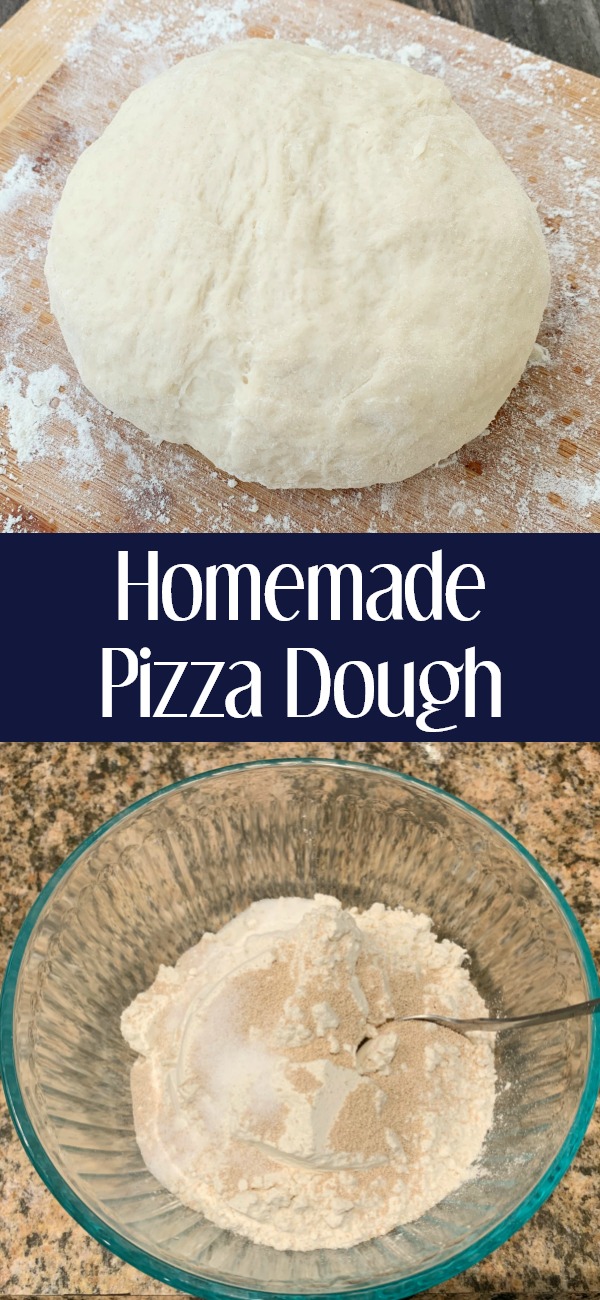
Fortunately, this recipe fixes these issues. It’s tested, simple, and beginner-friendly. You will get consistent, soft, elastic dough every time.
Once you master it, you can use the dough in recipes beyond basic pizza, such as our Cold Veggie Pizza Appetizer.
Why This Homemade Pizza Dough Recipe Works
In this section, we will explain why this recipe actually delivers consistent results.
Want our human-written content to rank above AI-generated garbage? Help us out by clicking this button!
- Balanced hydration: The flour-to-water ratio is set to keep the dough soft but manageable. Too little water makes it dense, too much makes it sticky. This balance gives you a smooth, workable dough that bakes into a light, airy loaf.
- Gluten development: Kneading builds gluten, which creates the structure needed for stretch and chew. That’s what allows the dough to hold its shape without tearing while remaining tender.
- Proper fermentation: The yeast is given just enough time to activate and produce gas, which creates a rise and flavor. Even a short, controlled rise improves texture and prevents a flat, heavy crust.
Putting them together, these three factors turn basic ingredients into a dough that’s reliable every time. It doesn’t matter if you’re making a classic pizza or a recipe like our Buffalo Chicken Pizza.
That’s the difference between a basic dough and one you can confidently use across recipes, even quick variations like our Easy Pizza Stuffed Mushroom Recipe.
5 Simple Ingredients for Homemade Pizza Dough
Before you start mixing, take a quick look at what goes into a reliable dough:
- Flour
- Rapid-rise yeast
- Warm water
- Salt
- Vegetable oil
Ingredients & Substitutions Notes
This homemade pizza dough recipe uses five simple ingredients, but each one controls how your dough feels, rises, and bakes.
Flour
This is the structure. It forms gluten, which gives the dough its stretch and chew.
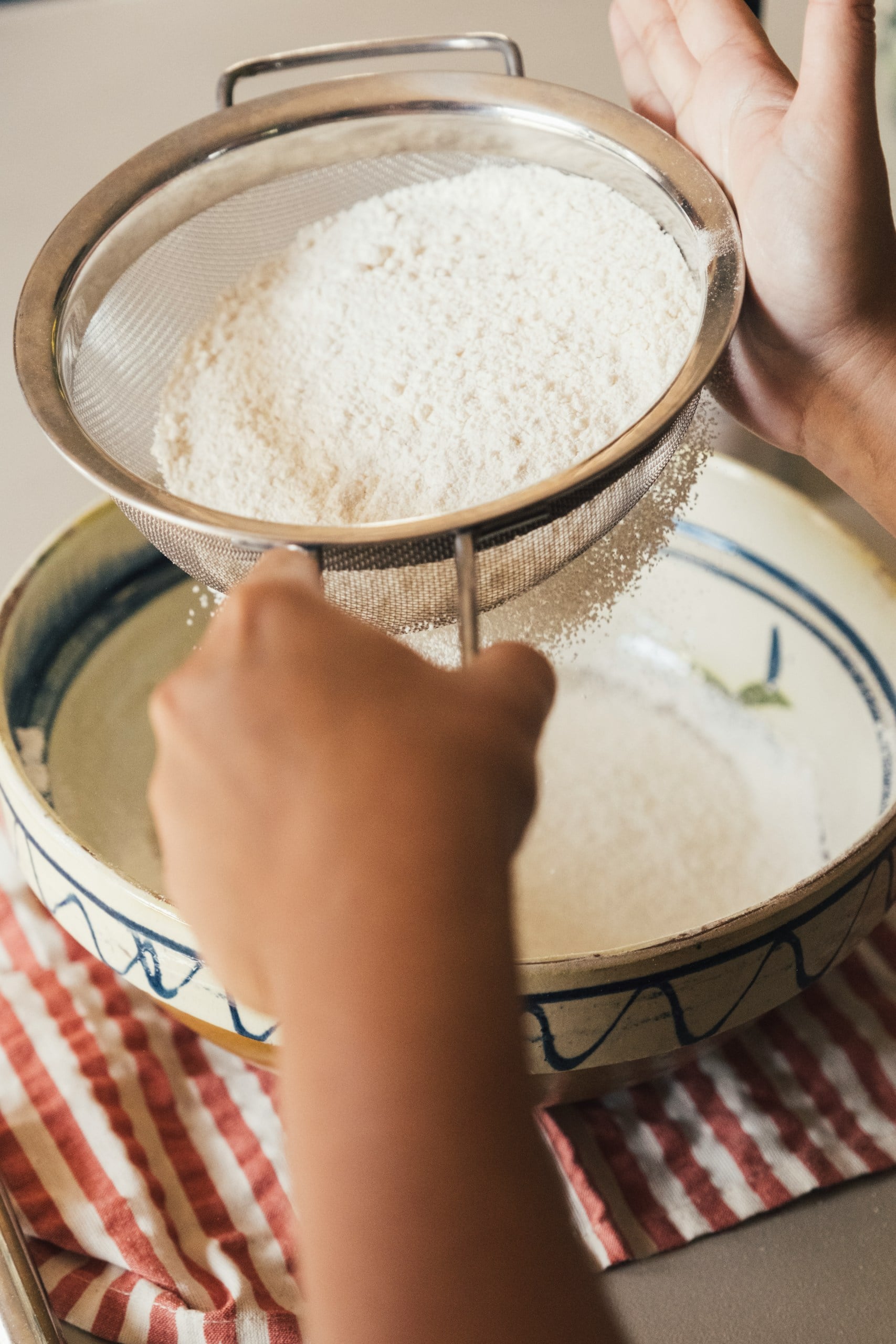
- Substitution: All-purpose flour works, but bread flour creates a chewier crust with more elasticity.
- No Substitute Note: Avoid low-protein flours because they won’t hold structure properly.
Rapid-Rise Yeast
Yeast drives fermentation and helps the dough rise quickly.
- Substitution: Active dry yeast can be used, but it must be dissolved in warm water first and may take longer to rise.
- No Substitute Note: Skipping yeast changes the entire texture. Without it, you’ll lose the classic pizza chew.
Warm Water
It hydrates the flour and activates the yeast. Temperature matters; when it’s too hot, it kills yeast, and when it’s too cold, it slows it down.
- Substitution: There is no real substitute. Water is essential for proper dough formation.
Salt
Salt adds flavor and controls yeast activity, preventing over-fermentation.
- Substitution: No actual substitute exists. Removing salt makes the dough flat and unpredictable.
Vegetable oil
Oil improves the dough’s softness and makes it easier to handle. It also helps create a tender crumb.

- Substitution: Olive oil works well and adds more flavor. Other neutral oils are fine but less flavorful.
Once you understand how each ingredient behaves, you can adjust the dough with confidence. Also, you can use it in other recipes, such as our Pizza Wontons in the Air Fryer.
Printable Homemade Pizza Dough Recipe Card
Ingredients
- 2½ cups Flour divided
- 1 packet RapidRise Yeast ,about 7grams
- ¾ tsp. Salt
- 1 cup Warm Water
- 2 Tbsp. Vegetable Oil
Instructions
- In a large bowl, add 2 cups of flour, yeast, and salt. Stir together.
- Add the very warm water and vegetable oil, stirring to combine.
- Continue stirring, adding the extra ½ cup of flour as needed until a soft dough forms.
- Lightly flour your work surface and your hands, then turn the dough out onto it. Knead for about 4-6 minutes, adding small amounts of flour if needed, until the dough is smooth and elastic.
- Form into a ball, cover with a dish towel, and place in a warm place to rise for 10-15 minutes before using.
- Shape, add toppings, and bake until golden.
Notes
Success Tips
- Use warm, not hot, water to activate yeast properly.
- Knead until the dough feels smooth, not sticky.
- Add flour gradually to avoid a dense dough.
Doneness Cues
- The crust should turn light golden brown.
- The bottom should be firm and slightly crisp.
- Edges should be puffed and lightly chewy.
Storage
- Refrigerator: Store dough for up to 2–3 days.
- Freezer: Wrap tightly and freeze for up to 3 months.
- Thaw overnight in the fridge before use.
Nutrition
Best Flour for Pizza Dough
Flour is where most pizza dough success is decided. Choose the right one, and your homemade pizza dough recipe becomes easier to handle, stretch, and bake.
All-Purpose vs Bread Flour
All-purpose flour works well for an easy pizza dough. It creates a softer, more tender crust. Bread flour has a higher protein content, which builds more gluten and creates a chewier, more elastic dough. If you want structure and stretch, bread flour performs better.
00 Flour Explained
00 flour is finely milled and commonly used for Neapolitan-style pizza. It produces a smooth, soft dough that stretches easily and bakes into a light, airy crust, especially at high heat.
Protein Percentage Impact
Protein controls gluten strength.
- Lower Protein (All-Purpose): Softer and less chewy.
- Higher Protein (Bread Flour): Stronger and chewier.
- Balanced Protein: Easier handling and good structure.
Getting this right affects everything, from how the dough stretches to how the crust feels when you bite into it. Once dialed in, you can confidently use the same base across different recipes, including adaptations like our Hot Pizza Dip Recipe – Low Carb Appetizer.
Homemade Pizza Dough Rise Time Guide
Rise time is where most people either rush the process or overdo it. Getting it right is what separates average dough from a reliable homemade pizza dough recipe.
Quick Rise (1–2 Hours)
For same-day dough, let it rise at room temperature for about 1–2 hours. This gives the yeast enough time to create air pockets and structure without over-fermenting.
Overnight Fermentation
Letting the dough rest longer (12–24 hours) develops deeper flavor and better texture. The dough becomes more elastic and easier to stretch.
Cold Fermentation Benefits
Refrigerating the dough slows yeast activity but allows enzymes to keep working, building more complex flavor and improving texture over time. It also creates a better internal structure with more air pockets and a chewier crust.
The key is control. Use a short rise for speed, and long fermentation for flavor. Understanding this concept helps adjust your dough to fit your schedule. Also, it helps you get consistent results, even when used creatively in recipes like our Easy Pizza Pancake Recipe.
What is the Secret to Good Pizza Dough?
- Gentle handling (don’t overwork the dough)
- Proper hydration (right flour-to-water balance)
- Enough rise time (let the yeast fully develop)
- Strong flour choice (higher protein = better structure)
Step-by-Step Instructions
Now it all comes together. If you follow these steps in order, your homemade pizza dough will turn out smooth, elastic, and easy to handle.
Essential Kitchen Tools for This Recipe
Before you begin, having the right tools within reach will make the process smoother and more consistent from start to finish.
- Mixing Bowl: A wide bowl gives the dough room to expand and makes mixing easier.
- Bench Scraper (Dough Scraper): It helps you handle sticky dough, divide portions, and clean your work surface efficiently.
- Stand Mixer (Optional): It ensures a more even dough with less mess.
- Pizza Peel: Used to transfer your dough into the oven without losing shape.
- Pizza Cutter: Once baked, a proper cutter gives clean, even slices without tearing the crust.
Step 1: Activate and Combine the Dry Ingredients
In a large bowl, mix 2 cups of flour, rapid-rise yeast, and salt until evenly combined.
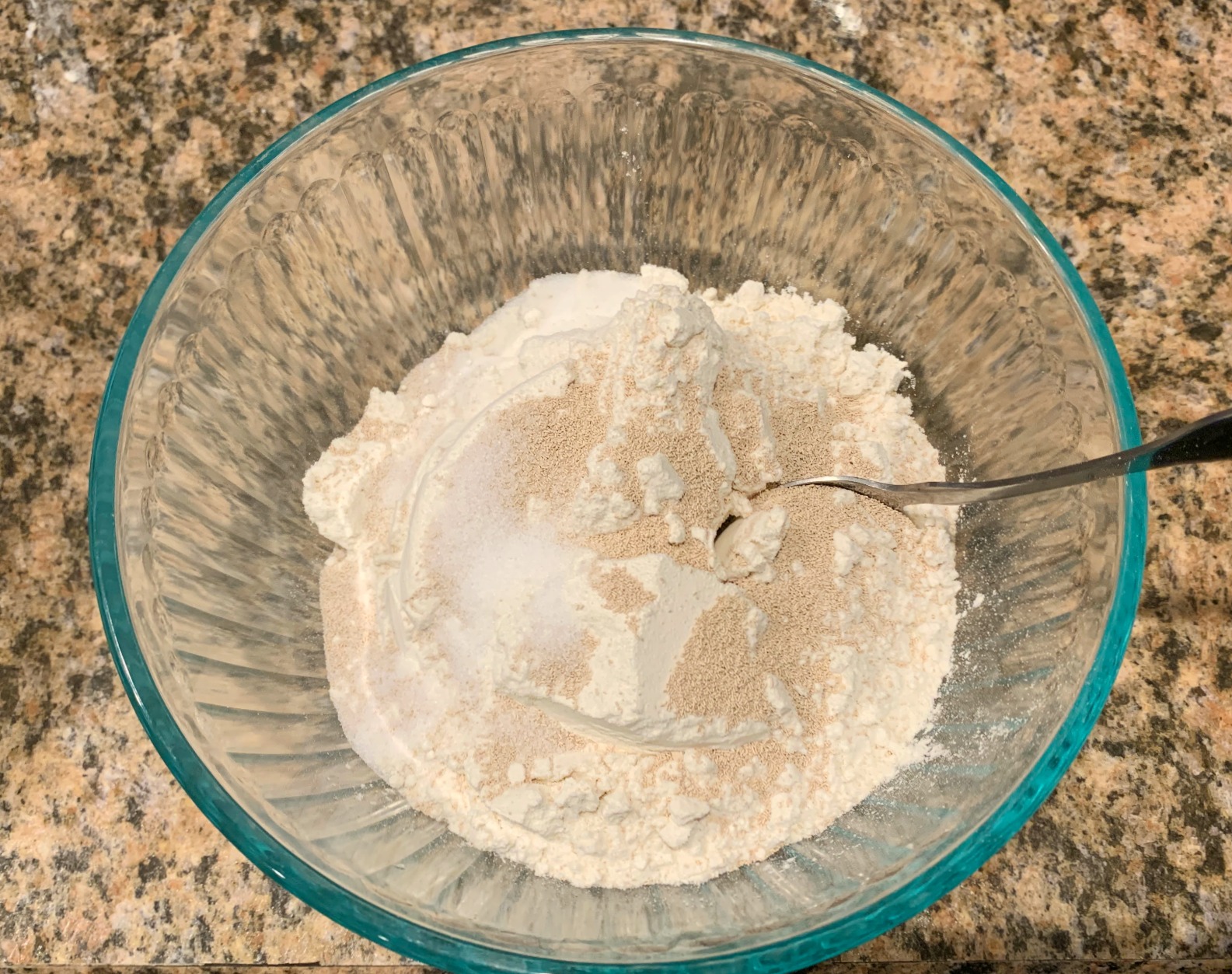
Avoid uneven mixing as it can lead to an inconsistent rise.
Step 2: Mix the Dough
Next, add very warm water and vegetable oil, then stir until combined. Gradually add the remaining flour (up to ½ cup) until a soft dough forms.
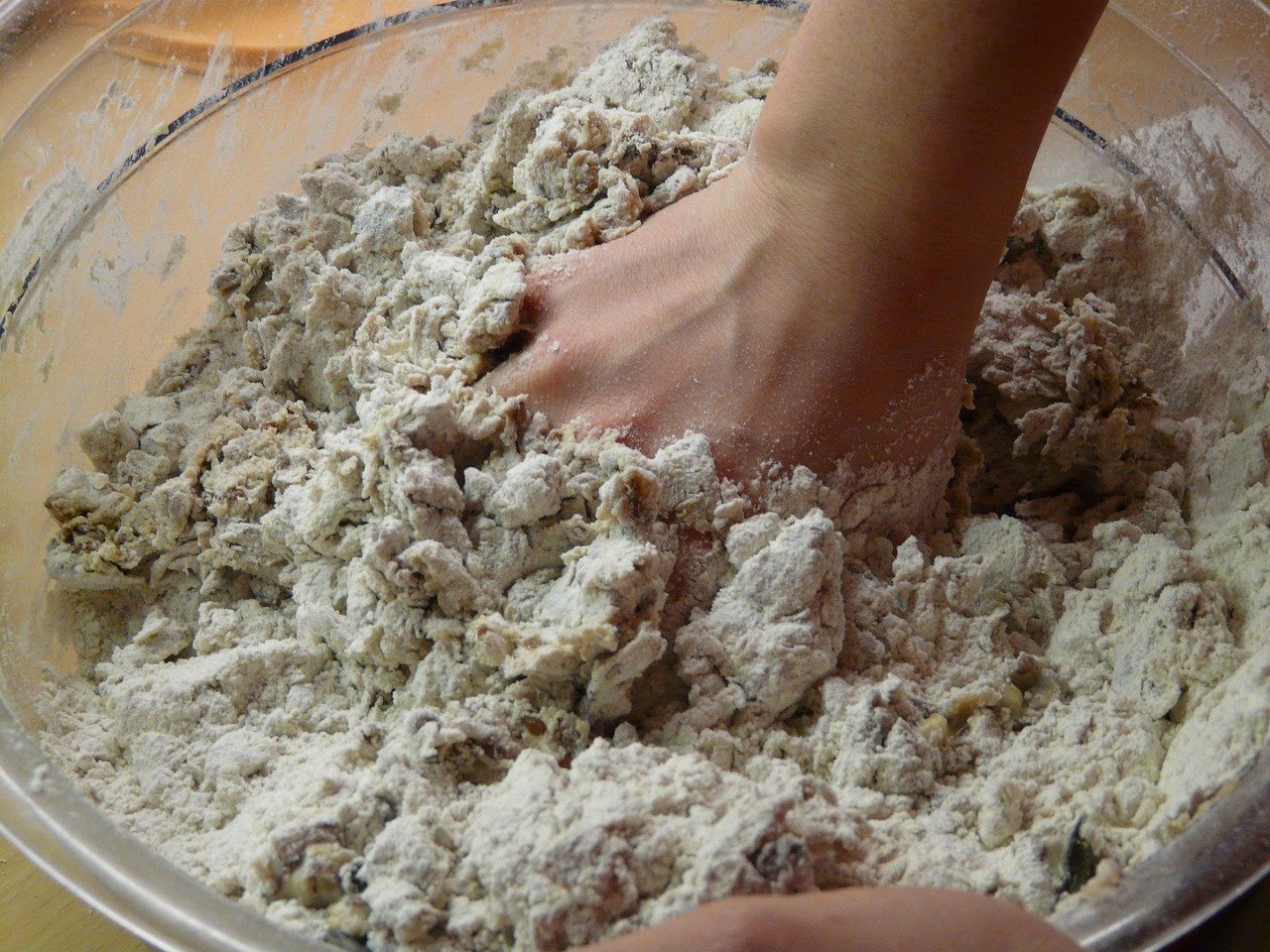
The dough should be soft and slightly tacky, but not wet or dry. However, do not add all the flour at once, as this can make the dough too dense.
Step 3: Knead the Dough Properly
Once the dough comes together, transfer it to a lightly floured surface and knead for 4–6 minutes until smooth and elastic.
The dough should bounce back slightly when pressed. Note that over-flouring while kneading makes the dough tough.
Step 4: First Rise
Shape the dough into a ball, cover with a towel, and let it rest in a warm place for 10–15 minutes.
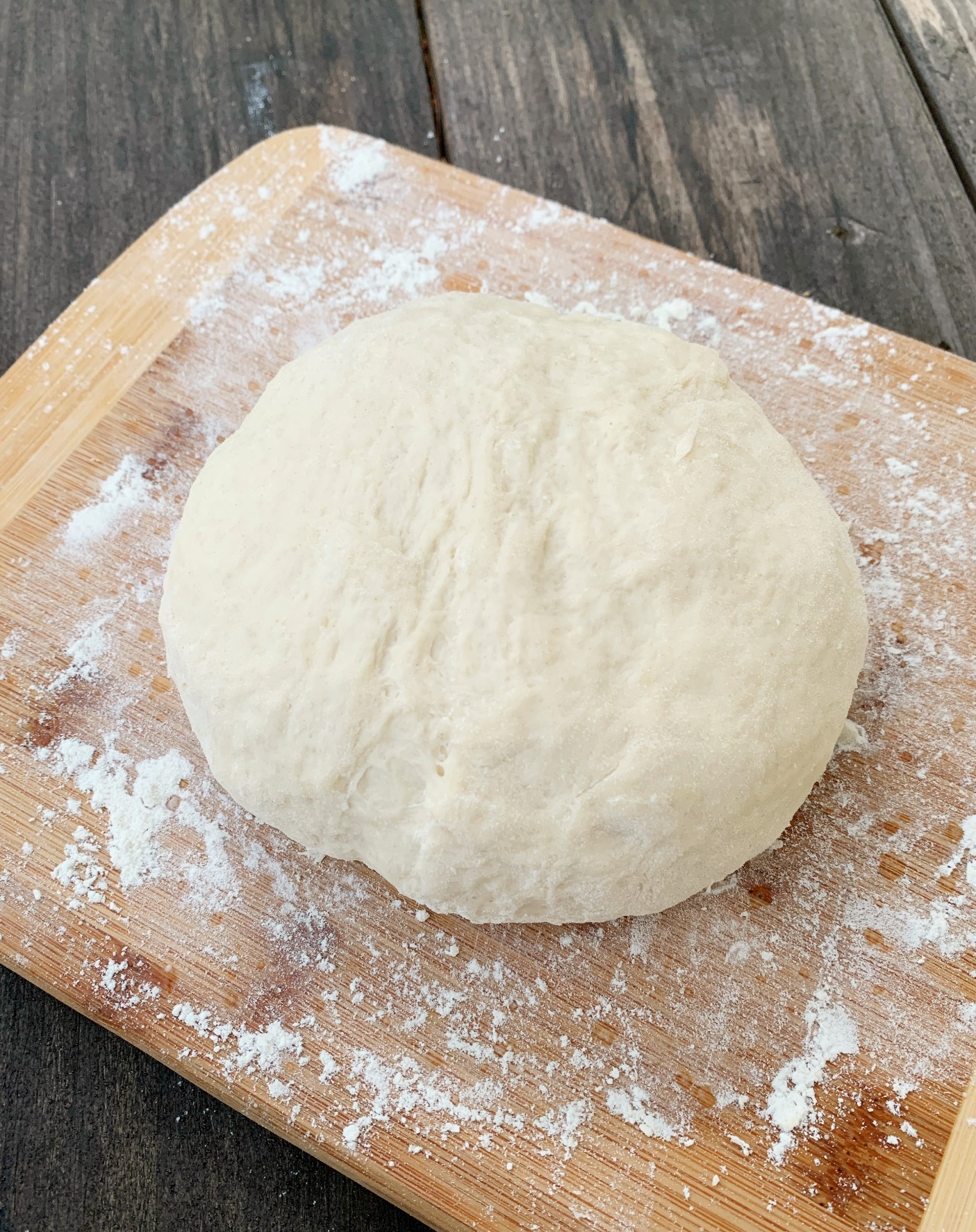
The dough should slightly puff up, not necessarily double. Bear in mind that skipping the rise leads to a dense crust.
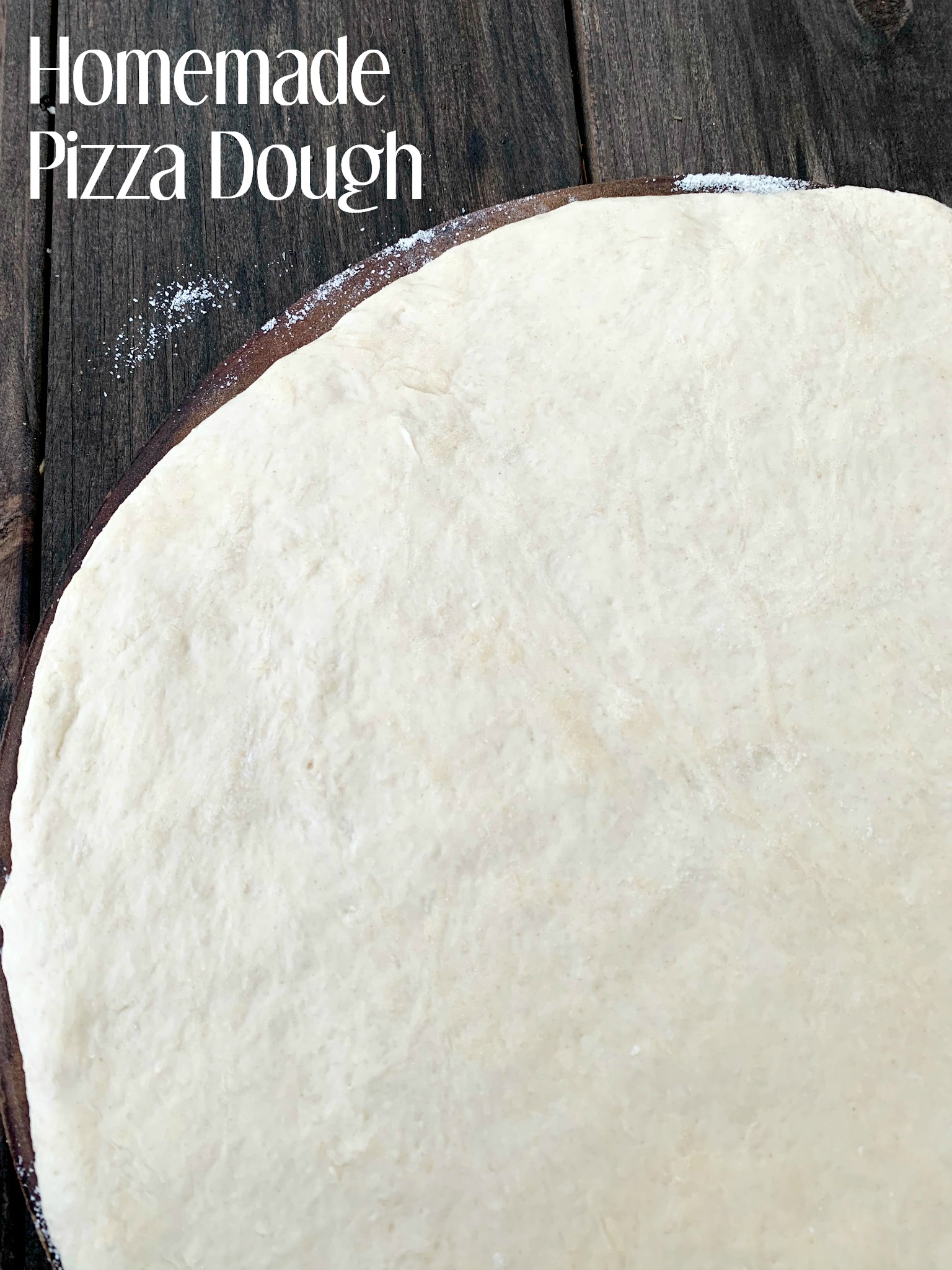
Step 5: Shape the Dough
Finally, place the dough on a floured surface and gently stretch or roll it into your desired size. If using a pan, sprinkle it with cornmeal first for texture.
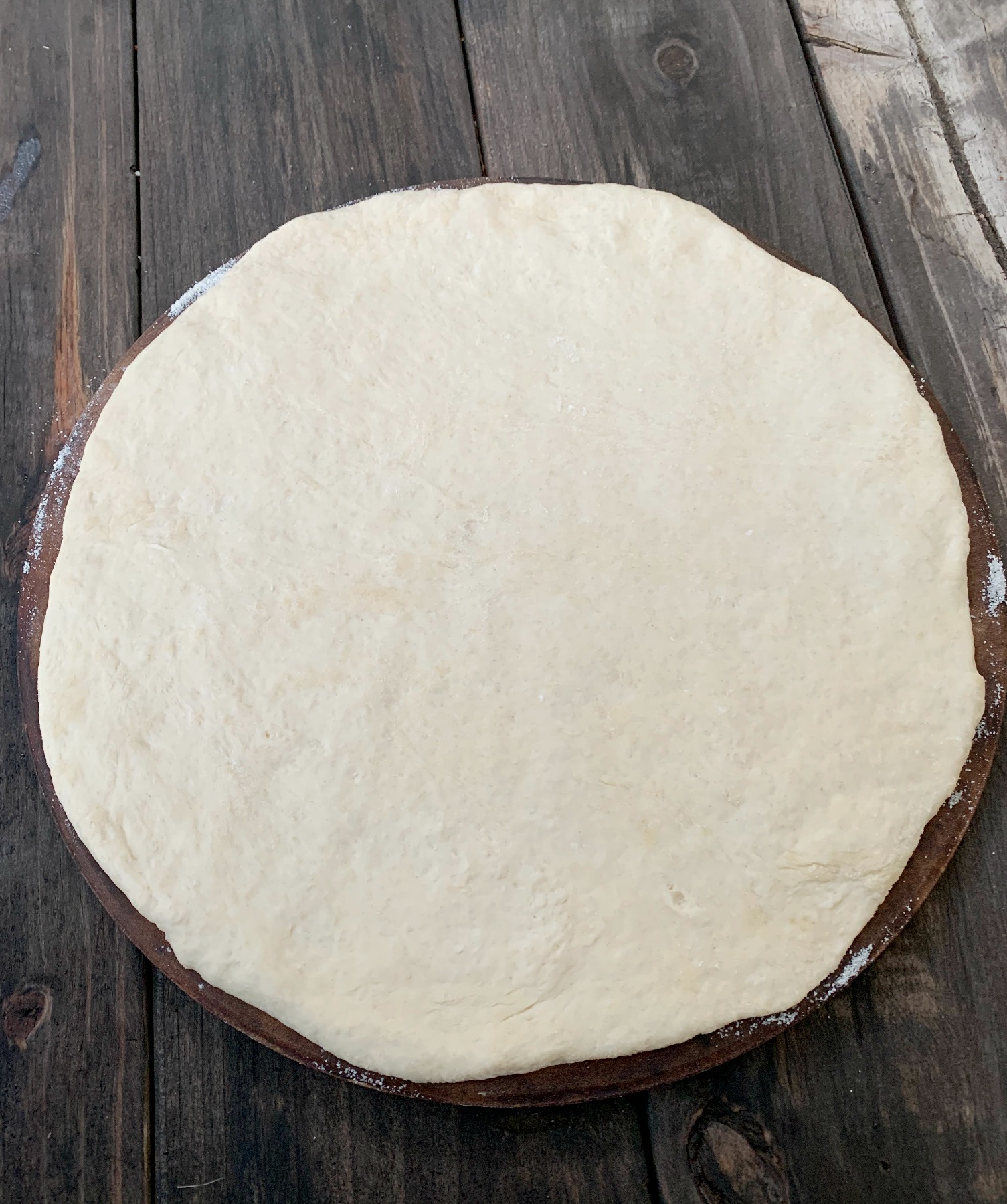
The dough should stretch easily without tearing. Do not force the dough; if it resists, let it rest for a few minutes.
How to Shape Pizza Dough
Now that your dough is ready, shaping is what determines how your final crust looks and feels.
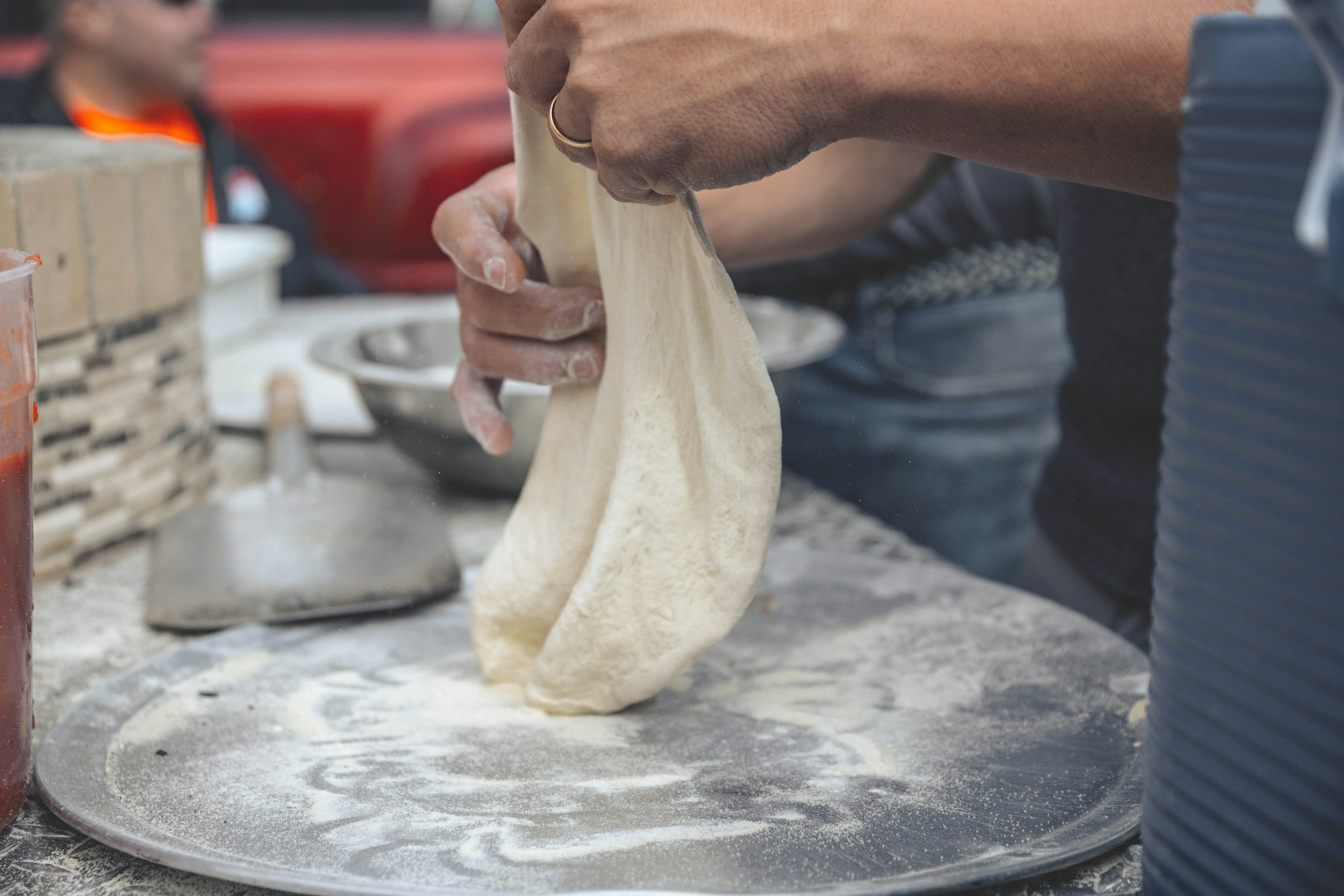
Hand Stretching vs Rolling
Hand-stretching is the better option for most pizzas. It preserves the air inside the dough, giving you a lighter, more open crust.
A rolling pin flattens those air pockets, resulting in a denser, less airy product. Use rolling only if you want a very thin, uniform base.
Avoiding Air Bubbles
Start from the center and press outward, leaving a slight edge untouched for the crust. This keeps air in the outer ring while preventing large bubbles in the middle. If bubbles form, gently press them down before baking.
Getting Thin vs Thick Crust
For a thin crust, stretch the dough wider and keep pressure even across the surface. But if you want a thicker crust, stop stretching earlier and keep more dough toward the edges. The less you handle it, the better it holds its structure.
Common Pizza Dough Problems (And Fixes)
Even though you followed our solid method, small mistakes can still happen. Below is how to quickly diagnose and fix the most common pizza dough issues.
Why Didn’t My Dough Rise?
This usually comes down to inactive yeast or the wrong temperature. Water that’s too hot kills yeast; meanwhile, cold water slows it down.
Fix this by using warm water (not hot) and giving the dough enough time in a warm environment.
Why Is My Dough Sticky?
If your dough feels overly sticky, it usually means there’s too much water or not enough flour.
To correct this, add flour gradually during mixing or kneading until the dough becomes soft and manageable, without turning dry.
Why Is My Crust Tough?
Over-kneading or adding too much flour can make the dough dense and chewy in the wrong way. To fix this, knead the dough only until it is smooth and elastic, and avoid adding too much flour.
Why Does My Dough Tear?
This happens when the gluten isn’t developed enough, or the dough hasn’t rested properly. Resolve this by letting the dough rest longer and kneading until it becomes stretchy and elastic.
Common Mistakes (Checklist)
Before moving on, it helps to quickly review a few common mistakes that can affect your results:
- Over-kneading the dough.
- Not letting the dough rest.
- Adding too much flour.
Other Ways You Can Make Your Pizza Dough
Once you’ve mastered the base, this homemade pizza dough recipe becomes flexible. Small adjustments to shaping, thickness, and baking method can yield completely different results.
Thin Crust
Stretch the dough wider and keep it even. Use higher heat and shorter bake time to get a crisp base with minimal chew.

Thick Crust
Use less stretch and leave more dough around the edges. This creates a softer, bread-like interior with a slightly crisp exterior.
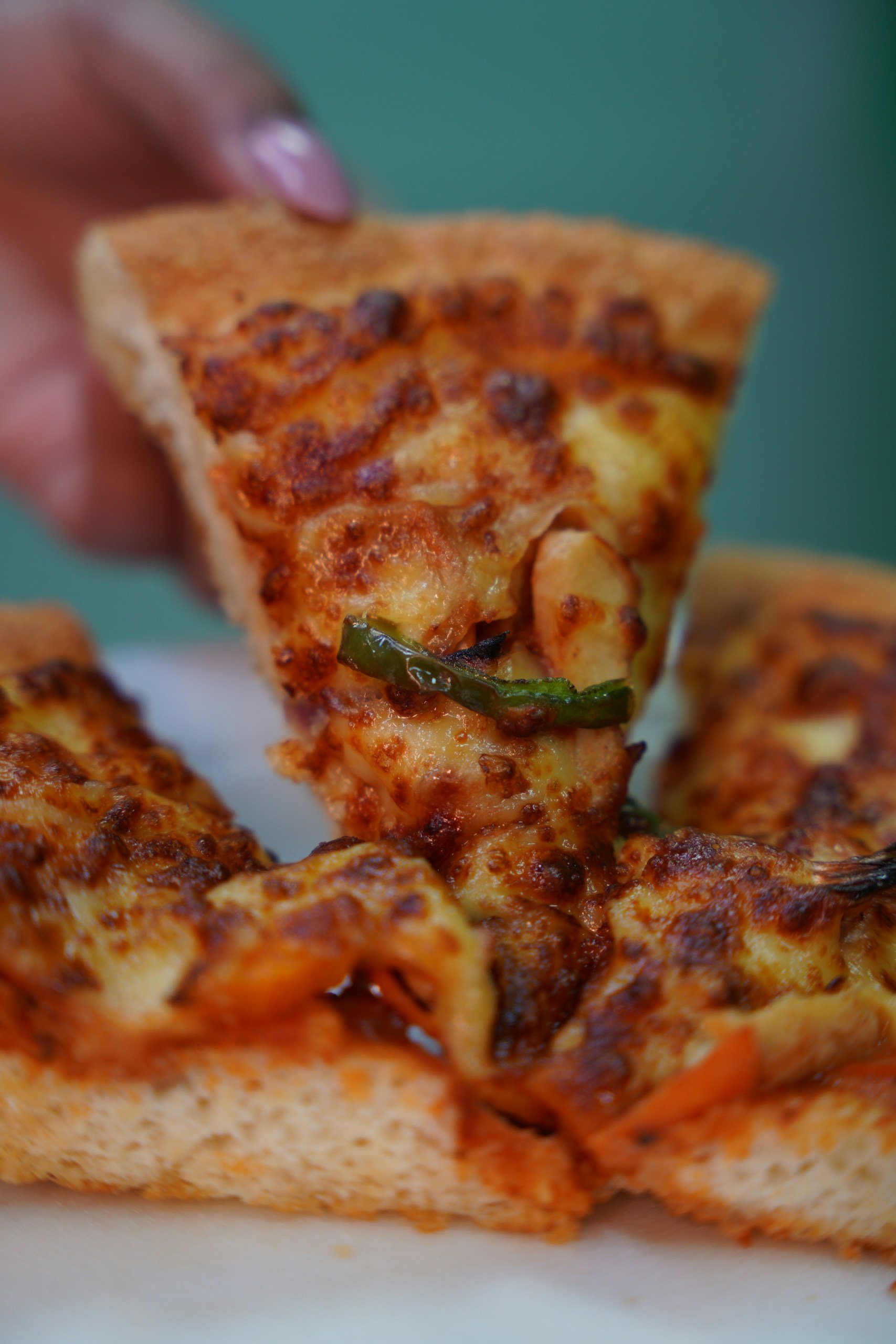
Neapolitan Style
Use gentle handling and high heat. The dough should stay soft and airy, with a light char and an open, chewy structure.

Pan Pizza
Press the dough into an oiled pan instead of stretching it. This creates a thicker crust with a crisp, golden bottom and soft interior.
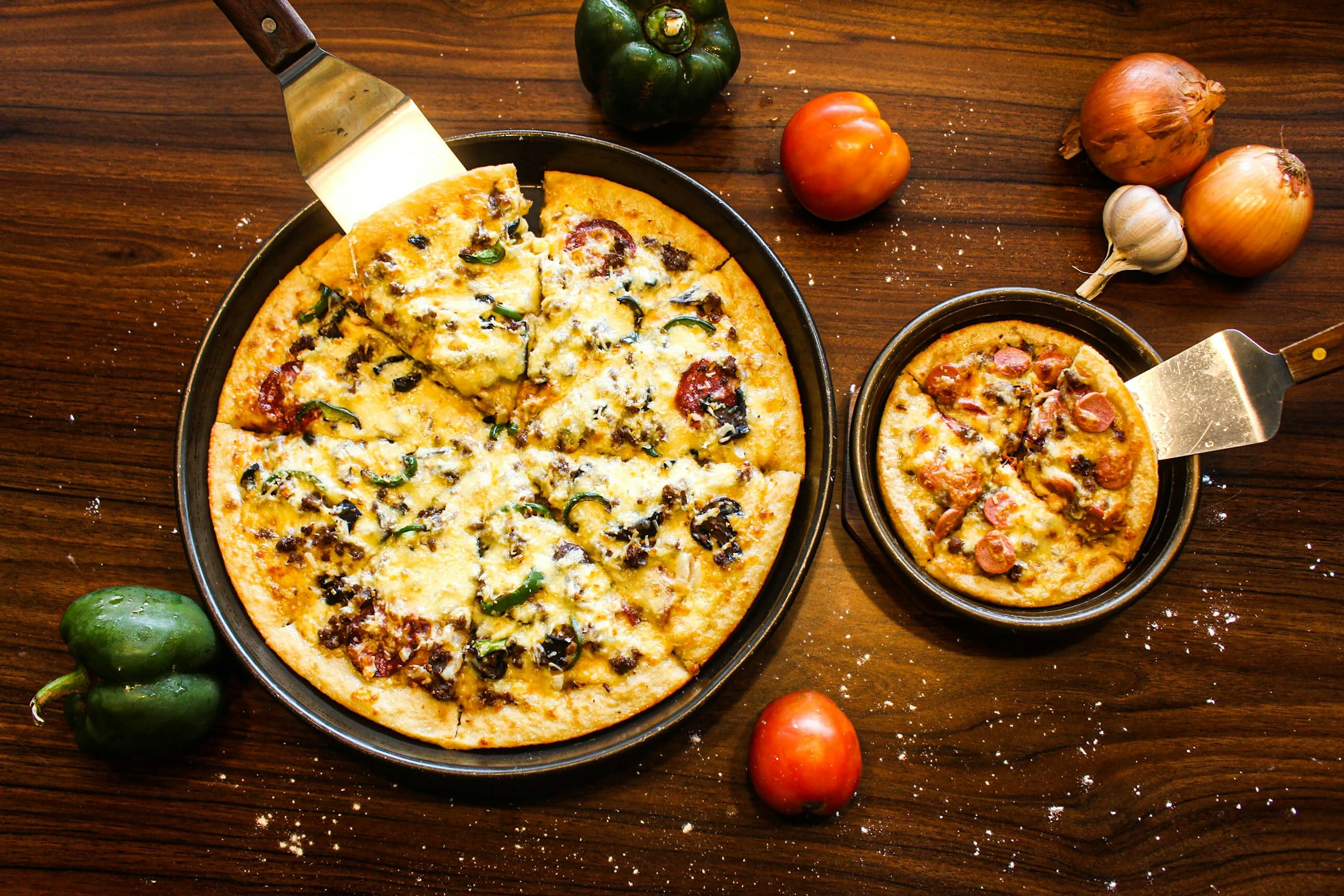
Pizza Dough Without Yeast (Optional)
If you don’t have yeast or need something faster, there’s still a workable option.
Quick Alternative
A no-yeast dough uses baking powder instead of yeast, so there’s no rise time. You can mix, shape, and bake almost immediately, making it useful when you’re short on time.
Texture Differences
Without yeast, you lose fermentation. The dough won’t be as airy or chewy; it turns out more like flatbread or a soft cracker base. It still works, though, but the structure and flavor are noticeably simpler.
This option is about speed, not depth. If you want classic pizza texture, yeast-based dough remains the better choice.
How to Store Pizza Dough
Before deciding when to use your dough, store it properly to preserve its texture and elasticity.
Room Temperature
If you’re using the dough the same day, keep it covered at room temperature for up to a few hours. This allows it to stay relaxed and easy to shape. Avoid leaving it out too long, or it may overproof.
Refrigeration
To increase flexibility, refrigerate the dough for up to 2–3 days. Place it in a lightly oiled, covered container. Cold storage slows fermentation while improving flavor and texture over time.
Can You Freeze Pizza Dough?
If you want to plan, freezing is the most practical long-term option.
Freezing Steps
To preserve quality, how you freeze the dough matters just as much as when you freeze it.
- Lightly coat the dough with oil.
- Wrap tightly or place in an airtight container.
- Freeze for up to 2–3 months.
Thawing Properly
Getting the dough back to the right temperature is key to restoring its texture and workability.
- Transfer to the fridge overnight.
- Let it sit at room temperature for 20–30 minutes before shaping.
Pro Tips for Perfect Pizza Dough
Before diving into the nutritional side, it helps to lock in a few final techniques that consistently improve your results.
- Use warm (not hot) water.
- Don’t rush fermentation.
- Handle gently.
Nutrition Notes
This homemade pizza dough is made with simple pantry ingredients: flour, yeast, water, salt, and oil. Like most pizza dough, it is mainly a source of carbohydrates, with a small amount of fat from the oil.
For a more filling crust, you can replace part of the all-purpose flour with whole wheat flour or add toppings with protein, vegetables, and healthy fats.
Who Is This Recipe For?
With both technique and nutrition in mind, it’s helpful to understand who will benefit most from this recipe.
- Beginners Learning How to Make Pizza Dough: This method is simple, fast, and forgiving, ideal if you’re just starting out.
- Home Cooks Who Want Reliable Results: If you’ve struggled with dough that doesn’t rise or turns out tough, this approach focuses on control and repeatability.
- Anyone Looking for a Flexible Base: This dough works well for a variety of styles, from thin crust to pan pizza, so you can adapt it to your preferences.
- Meal Preppers and Busy Schedules: With short rise times and storage options, it fits both quick same-day cooking and make-ahead planning.
- People Who Want Control Over Ingredients: Making dough from scratch lets you customize the flour, oil, and salt to suit your dietary and nutritional needs.
Pizza Dough Questions Answered
At this point, you might still have a few practical questions. Below are some common ones that go beyond the basics already covered. If you don’t see yours, feel free to ask in the comments below.
Can I Use Whole Wheat Flour for Pizza Dough?
You can use it, but it changes texture. Whole wheat makes the dough denser and less stretchy. For better results, mix it with all-purpose or bread flour instead of using it alone.
Why Does My Pizza Dough Shrink Back When I Stretch It?
This happens when the dough is too tight. It hasn’t relaxed enough after kneading, so let it rest for 5–10 minutes, then try again.
Can I Add Sugar to Pizza Dough?
Adding a small amount of sugar can help yeast activate faster and slightly improve browning, but it’s optional.
What Temperature Should I Bake Pizza Dough At?
For best results, use high heat. Most home ovens perform well between 220–250°C (425–480°F) for a crisp crust and proper rise.
Can I Prepare Pizza Dough in Advance for a Party?
Prepare the dough in advance and keep it chilled until needed. Just bring it back to room temperature before shaping.
How Do I Get a Crispier Pizza Base?
Use a preheated baking surface (like a tray or stone), avoid excess toppings, and bake at high heat to quickly firm up the bottom.
Other Recipes You Can Try
Once you’ve mastered your pizza dough, you might want to branch out and try a few complementary recipes.
- Try these crowd-friendly ideas from 25 Best Vegan Super Bowl Snacks if you’re planning a game-day spread.
- For a lighter, savory option, these Artichoke Sun-Dried Tomato Quinoa-Stuffed Mushrooms pair well with pizza.
- If you want something sweet after, this Vegan PB Cookie Dough Layer Dessert is an easy follow-up.
- Or keep it simple with a quick treat like Vegan Cinnamon Roll in a Bowl.
These easy recipes round out pizza night with a mix of snacks, sides, and sweets, so you can build a full meal around your homemade dough.
Share Your Experience with Us!
If you’ve tried it, share how it turned out. Did the dough rise well? Was it easy to shape? What worked, or didn’t? Drop your questions, tips, or variations in the comments. Your experience can help others get better results, too.