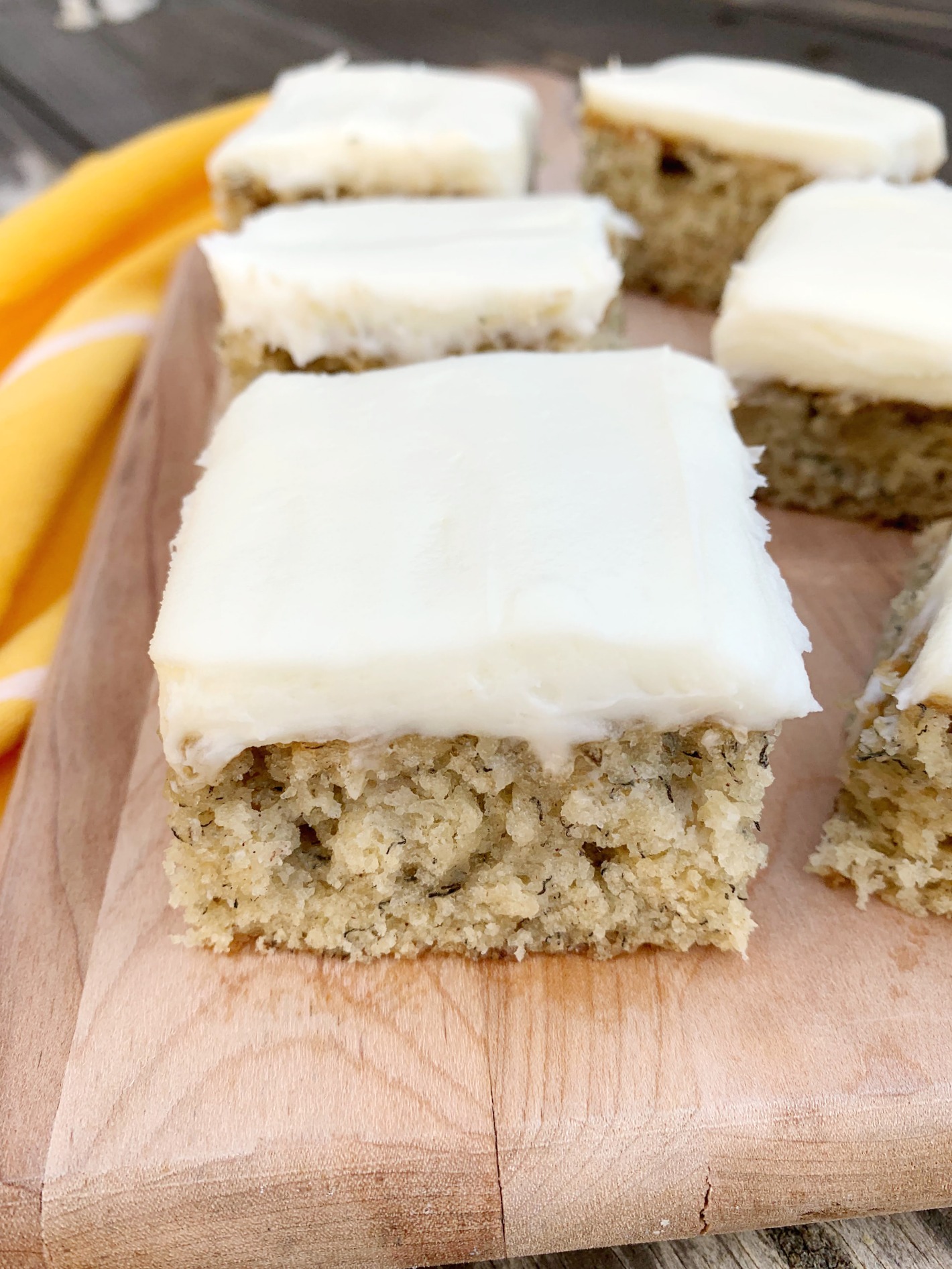
There are plenty of little details that can take a dessert from simple to bakery-worthy, but few are as satisfying as a perfectly smooth glaze dripping down the sides of a cake or pastry. That’s exactly what this powdered-sugar-and-milk glaze delivers.
Whether you’re dressing up a plain-looking cake or adding the final touch to muffins, coffee cakes, donuts, or quick breads, this glossy drizzle instantly makes any dessert feel more indulgent, polished, and homemade.
Table of Contents
This article will walk you through everything you need to know to make the perfect powdered-sugar-and-milk glaze. This is a recipe I’ve relied on for years because it’s quick, foolproof, endlessly customizable, and can make even imperfect desserts look beautifully finished.
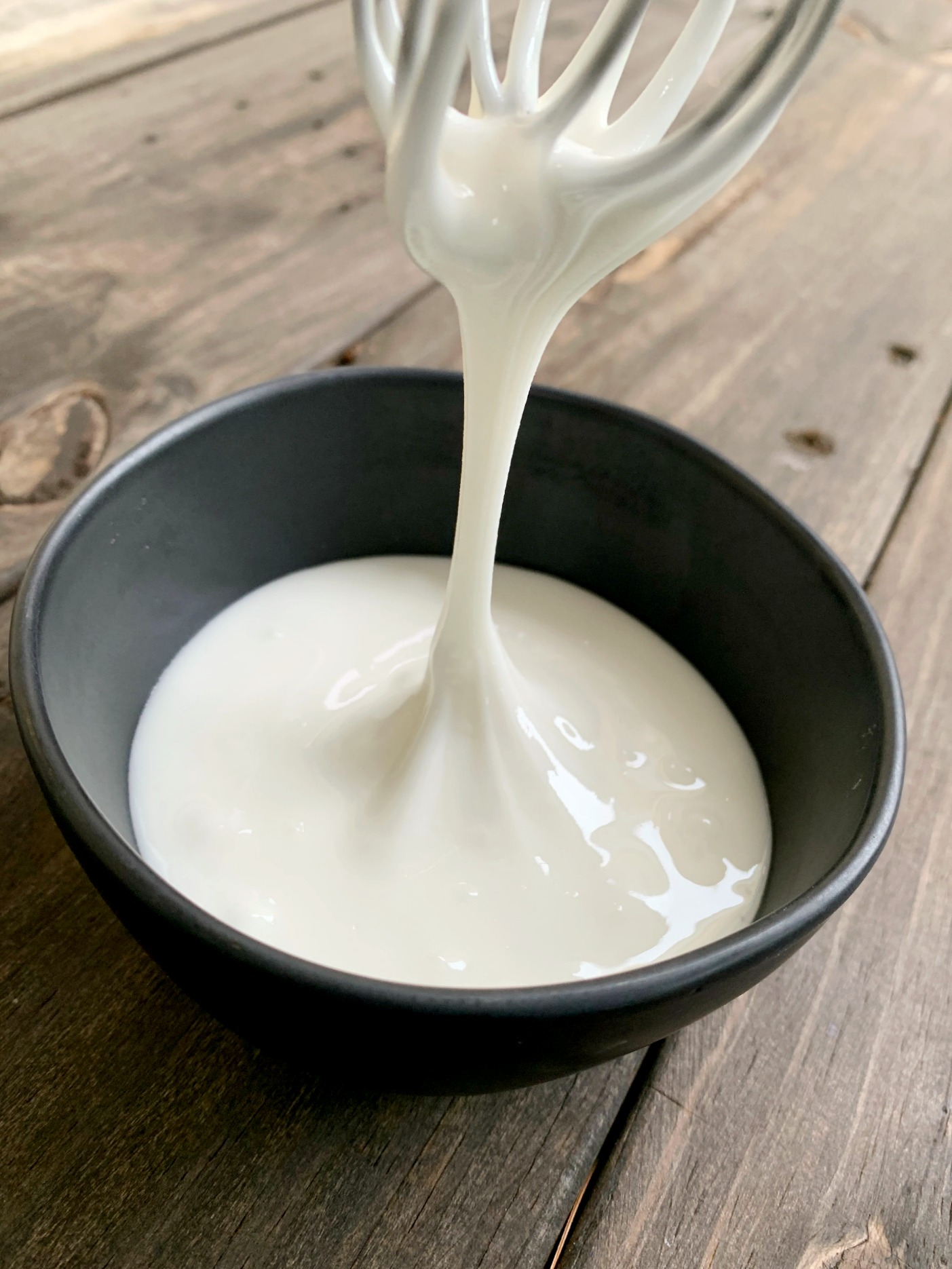
Powdered Sugar Glaze Quick Summary
- Powdered Sugar Glaze Ratio:
2 cups powdered sugar + 2–4 tablespoons milk + 1 teaspoon vanilla extract - Best for:
Bundt cakes, quick breads, muffins, donuts, cookies, pastries, and sweet loaves - Sets in:
About 20–45 minutes, depending on glaze thickness, room temperature, and humidity - Yield:
About ¾ cup of glaze - Quick tip:
Start with less milk and add more slowly. A few extra drops can quickly change the glaze from thick and drizzleable to too thin.
Why You’ll Love This Powdered Sugar And Milk Glaze
This powdered sugar and milk glaze is one of the quickest ways to give baked goods a beautiful, glossy finish without the effort of making a full frosting. With just powdered sugar, milk, and vanilla, you can whisk together a smooth, sweet glaze in no time.
Its beauty lies in both its simplicity and versatility. You can add a little extra milk for a light, delicate drizzle, or use less milk to create a thicker coating that clings perfectly to cookies, pastries, and cakes.
Want our human-written content to rank above AI-generated garbage? Help us out by clicking this button!
The glaze is also easy to customize. Since the base flavor is neutral, you can enhance it with vanilla, citrus juice or zest, coffee, cocoa, or even spices. Melted butter adds extra richness and shine, while a pinch of salt helps balance the sweetness.
Beyond flavor, this glaze is practical too. It works wonderfully for covering small cracks or uneven browning on cakes, giving desserts a polished, bakery-style finish. It also sets fairly quickly at room temperature, making it ideal for packaging treats or serving them shortly after glazing.
Ingredient Quick Scan List
This smooth and sweet powdered sugar and milk glaze comes together in no time with these 3 easily accessible ingredients:
- Powdered sugar
- Milk
- Vanilla extract
Key Ingredient Roles
Achieving the perfect glaze becomes much easier once you understand the role each ingredient plays. From consistency and sweetness to flavor and texture, we’ll break down how every component contributes to a smooth, flavorful, well-balanced powdered sugar and milk glaze:
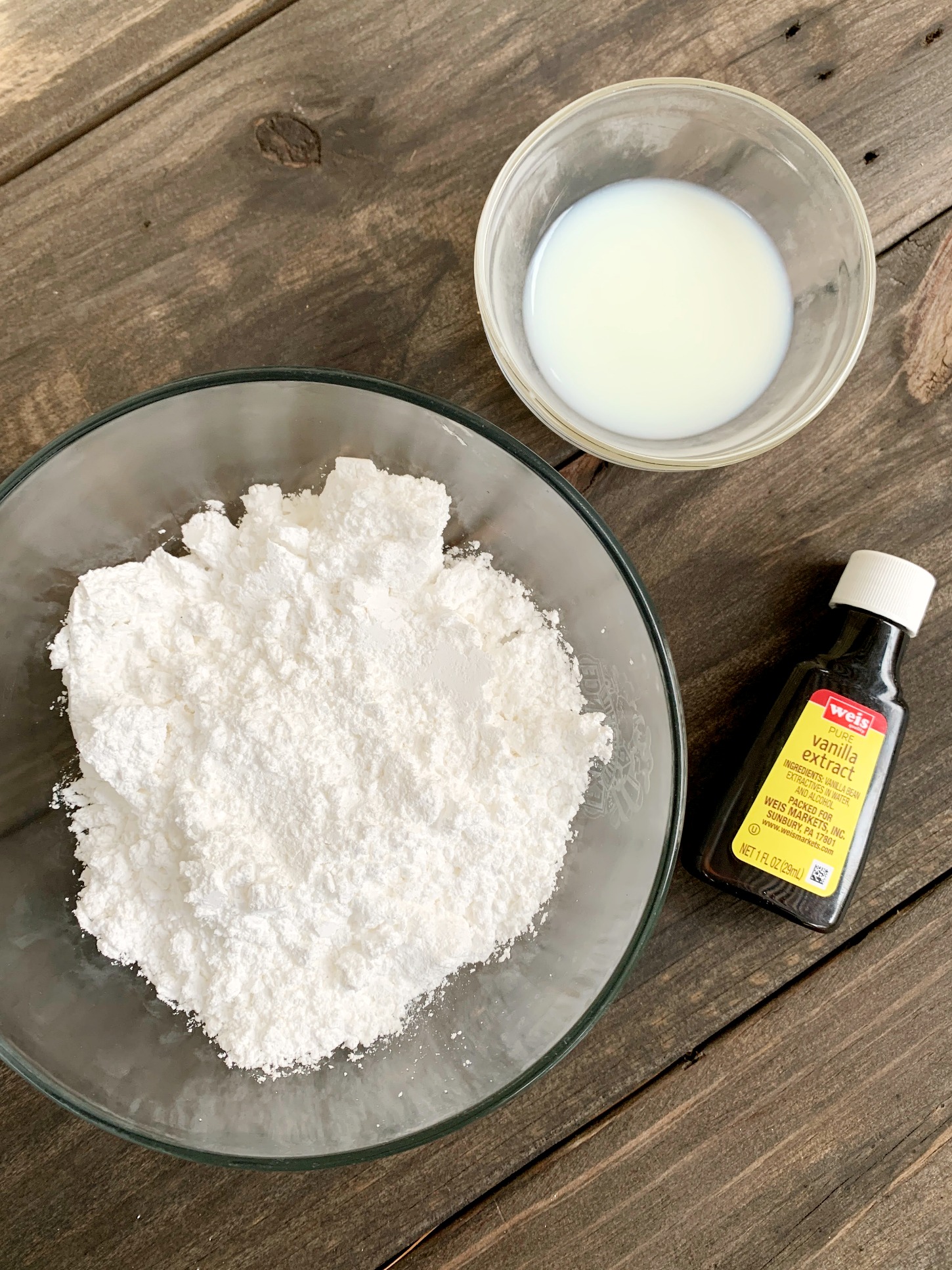
Powdered Sugar
Powdered sugar forms the foundation of the glaze, giving it both structure and sweetness. Because it dissolves quickly in liquid, it creates a smooth, silky texture without any grittiness. As the glaze dries, this sugar helps it set into a thin, slightly firm coating with a glossy finish. There’s no substitute for this ingredient.
Milk
In this glaze, milk is the liquid that turns dry powdered sugar into a pourable glaze. It hydrates the sugar and cornstarch, allowing them to blend into a smooth mixture. I usually use skim milk since that’s what we keep in the house, and it still works perfectly every time. You can also swap it for water or heavy whipping cream.
Vanilla extract
Vanilla is the traditional flavoring. It adds a warm, aromatic depth that makes the glaze taste more finished and less one-note sweet. When I want a pure white glaze, I use clear vanilla extract instead of regular vanilla. It works great every time.

Printable Powdered Sugar And Milk Glaze
Ingredients
- 2 cups Powdered Sugar sifted
- 3 Tbsp. whole milk
- ½ tsp. Vanilla Extract
Instructions
- Sift the powdered sugar.
- Add the vanilla extract to the sifted powdered sugar.
- Add 2 tablespoons of milk to the bowl and whisk well until completely smooth and uniform.
- Add milk, one teaspoon at a time, whisking thoroughly after each addition, until you achieve the desired drizzling consistency.
- Check for lumps and smooth them out.
- Serve the glaze immediately on your dessert.
- Let the glaze set.
Notes
- Use whole milk for the best results.
- Start with less liquid and add gradually.
- Whisk thoroughly to remove lumps.
- For the neatest drizzle, let your desserts cool almost completely.
- Use immediately after mixing for the best results.
Storage Notes
- If you have leftover glaze, cover it tightly and refrigerate for up to 3-5 days.
- When ready to use, let it come to room temperature and whisk. If needed, add a little milk to loosen it.
- Note that the glaze may not set quite as cleanly after refrigeration, but it’s still fine for casual use.
Nutrition
How to Make This Powdered Sugar And Milk Glaze: Step-by-Step Instructions
The ease in making this powdered sugar and milk glaze is its standout quality. Follow these simple step-by-step instructions to make a smooth, sweet glaze that is perfect for drizzling over cakes, doughnuts, and other desserts.
Step 1: Sift The Sugar
Sift the powdered sugar through a strainer into a medium bowl to remove any lumps. This step is essential for achieving a smooth, silky glaze.
Step 2: Add the flavoring
In the medium bowl, add the vanilla extract to the sifted powdered sugar.
Step 3: Add the liquid gradually
Start by adding 2 tablespoons of milk to the bowl. Whisk gently but thoroughly, making sure to scrape the sides and bottom with your whisk or spatula. The glaze will likely be thick at this stage.
Step 4: Adjust the consistency
Add more milk one teaspoon at a time, whisking after each addition, until the glaze reaches your desired consistency.
Step 5: Check for lumps and smooth out
If you notice any small lumps, continue whisking for another 10–20 seconds. If they still remain, strain the glaze through a fine-mesh sieve into another bowl, using a spoon to help it pass through.
Step 6: Use the glaze immediately
Glaze your baked goods right away for the best results.
Step 7: Let the glaze set
Allow the glaze to set at room temperature for about 15–20 minutes, depending on thickness and humidity, until it’s no longer tacky.
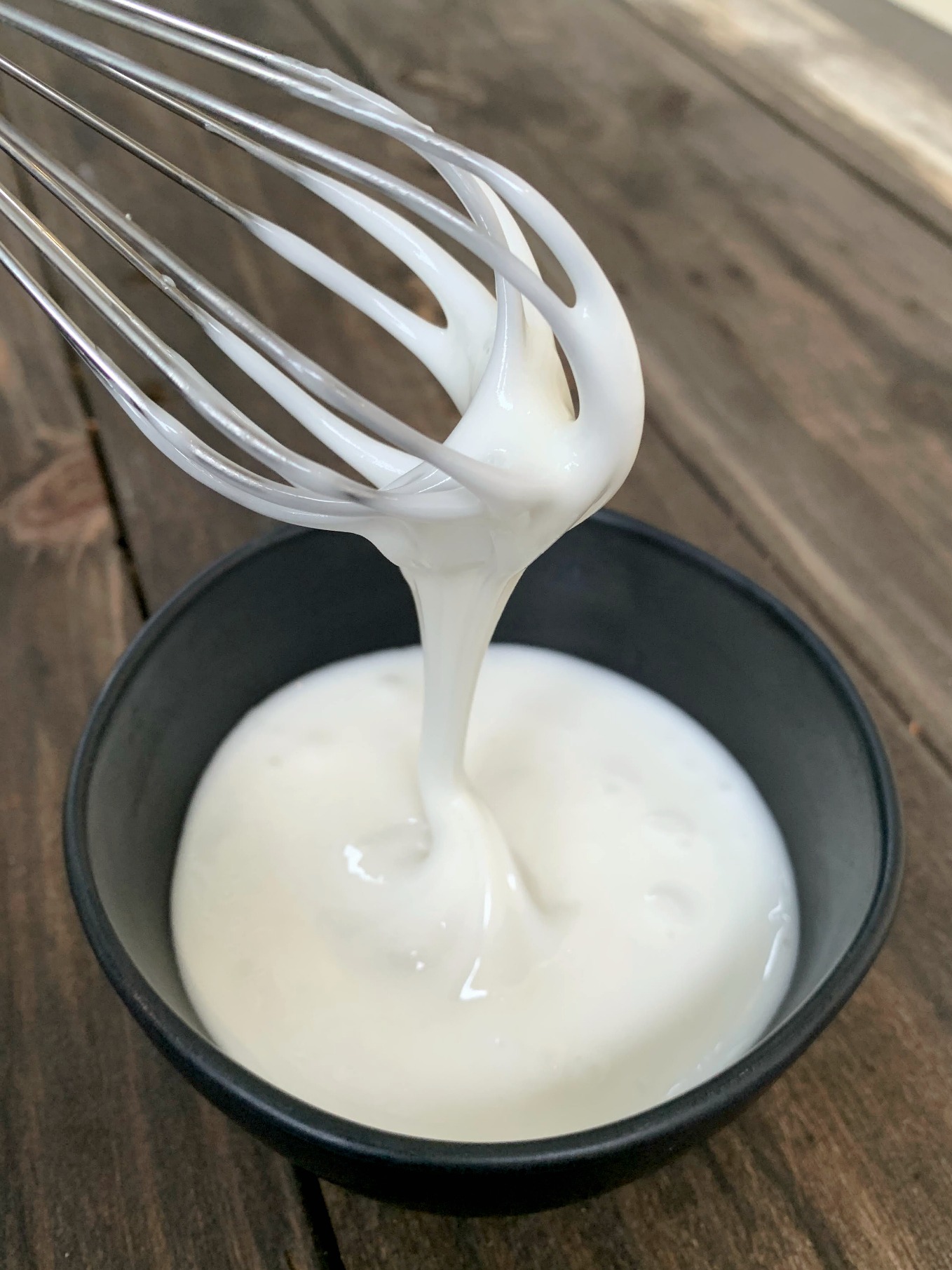
Making Smooth Powdered Sugar And Milk Glaze: How to Get the Perfect Consistency
The key to a smooth, perfectly consistent powdered sugar and milk glaze is controlling three things: how well the sugar is dissolved, how much liquid you add, and how you mix. With this in mind, follow these valuable tips to ensure your glaze turns out perfectly consistent.
- Sift the powdered sugar before mixing. This removes clumps and ensures a silky texture.
- Begin with about 2 tablespoons of milk per cup of powdered sugar, then add more one teaspoon at a time, whisking well after each addition.
- Whisk the sugar, liquid, and flavoring until the glaze is completely smooth and glossy.
- Don’t overmix, as that can sometimes make the texture worse.
- Know the signs of the right consistency. The glaze should be smooth, glossy, and pourable, not watery or pasty.
- Choose the right liquid for your desired texture.
- Use the glaze immediately after mixing. As it sits, it can thicken slightly as the sugar absorbs more liquid.
- Regular vanilla extract can tint the glaze slightly off-white. For a pure white glaze, use clear vanilla flavoring.
Creative Flavor Variations For This Powdered Sugar And Milk Glaze
One of the most impressive things about this glaze is its adaptability. You can easily customize the flavor without affecting its texture. From swapping the liquid to adding citrus zest or spices, here are creative flavor variations you can explore with this powdered sugar and milk glaze:
Citrus Glazes
- Lemon glaze: Replace the milk with fresh lemon juice and add 1 teaspoon lemon zest. Use about 1–2 tablespoons of juice initially, then adjust the amount to achieve the desired consistency.
- Lime glaze: Swap milk for lime juice and add lime zest. Bright and tangy, it is perfect for lemon shortbread cookies, pound cake, or key lime pie frosting.
- Orange glaze: Use orange juice instead of milk and add orange zest. It is great on carrot cake, biscuits, or spiced cookies.
- Citrus blend: Mix lemon, lime, and orange juices for a complex, bright citrus glaze
Coffee and Chocolate Glazes
- Coffee glaze: Use cooled brewed coffee or cold brew in place of milk. Add a little extra vanilla if desired. This is ideal for coffee cake, chocolate cake, or donuts.
- Mocha glaze: Use cooled coffee as the liquid and whisk in 1–2 tablespoons of cocoa powder or melted chocolate for a richer coffee-chocolate flavor.
- Chocolate glaze: Melt 2–3 tablespoons of chocolate and whisk it into the glaze, or add 2 tablespoons of cocoa powder and reduce the liquid slightly.
Color and Decorative Twists
- Food coloring: Add gel food coloring to create themed glazes for holidays or celebrations. Use a toothpick to stir in small amounts at a time so you don’t overcolor.
Toppings: Before the glaze hardens, sprinkle with:
- Toasted chopped nuts, be it pecans, almonds, or walnuts.
- Cinnamon sugar.
- Sprinkles, edible glitter, or candy pieces.
- Shredded coconut or zest.
Best Dessert Pairings for Powdered Sugar And Milk Glaze
From cakes to cookies, this glaze is a versatile, all-purpose finish for a wide range of desserts, adding both flavor and a refined finish. With that in mind, here are some delicious treats that pair especially well with this smooth glaze:
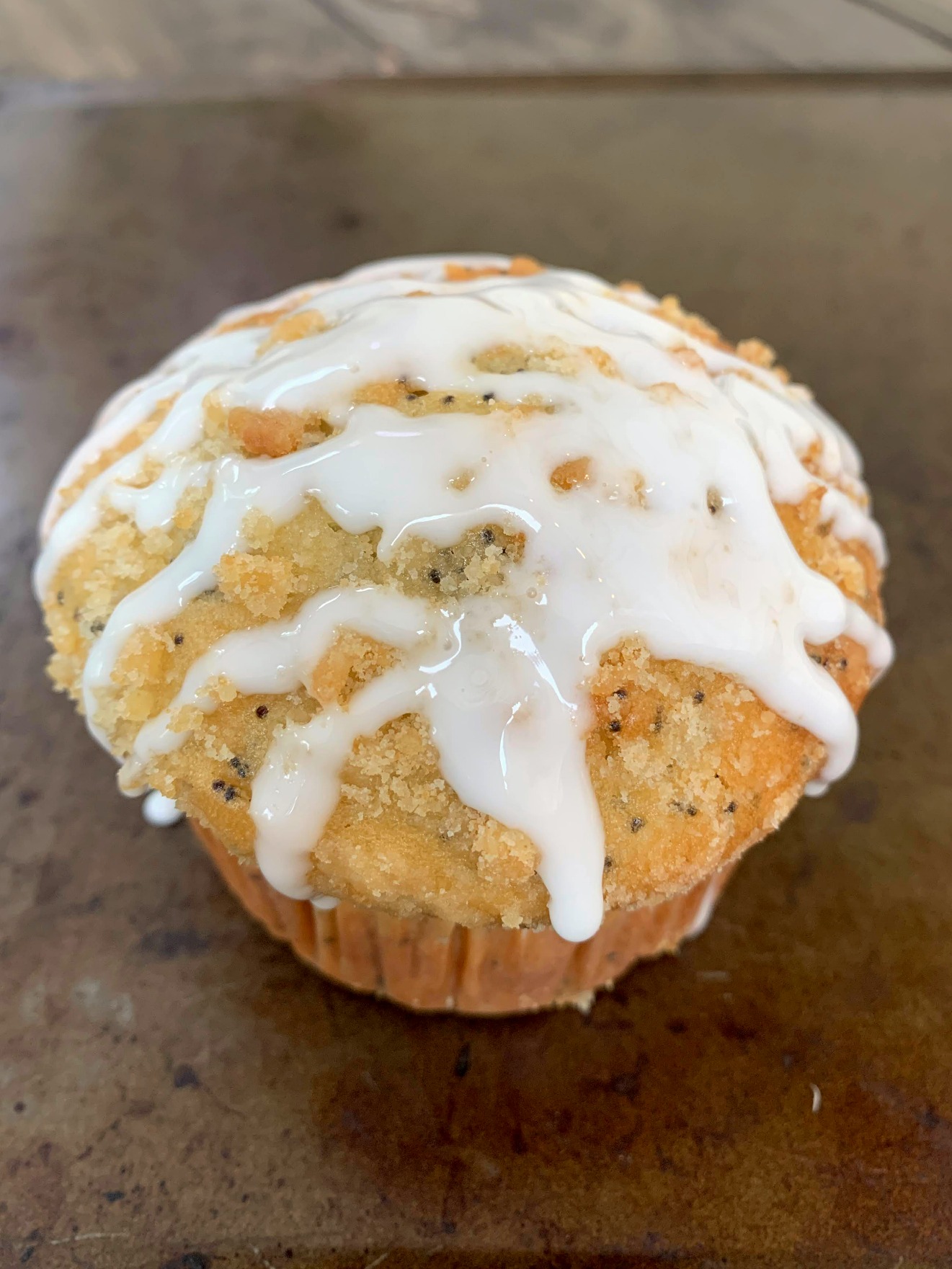
Cakes and Bundt Cakes
- Bundt cakes are the classic pairing. A red velvet bundt or a lemon drizzle bundt both benefit from the elegant, cascading finish of this glaze.
- Pound cake: This glaze brings brightness to a dense, buttery lemon pound cake.
- Coffee cake: A crumb-topped coffee cake shines with this glaze, which balances the crumb and adds sweetness.
- Chocolate cake: This glaze on a sour cream chocolate cake adds sweetness and shine without competing with the chocolate flavor.
Quick Breads and Loaves
- Lemon or orange quick bread: A citrus glaze adds a glossy finish and enhances the citrus flavor.
- Banana bread: A vanilla- or caramel-flavored glaze adds a touch of sweetness, making banana bread feel more like a dessert.
- Zucchini bread or muffins: A light vanilla glaze complements the moist, spiced flavor without making it too sweet.
- Pumpkin bread: A cinnamon or maple glaze pairs wonderfully with pumpkin bread or muffins for an autumn-inspired treat.
Pastries and Breakfast Baked Goods
- Cinnamon rolls and buns: This warm vanilla glaze soaking into warm cinnamon rolls is a classic pairing. The glaze softens slightly and melds into the swirls.
- Scones: This glaze, especially on blueberry or lemonade scones, adds a nice finishing touch.
- Muffins: Lemon-blueberry muffins or cinnamon muffins all benefit from a light glaze drizzle. A lemon glaze on blueberry muffins is especially bright and balanced.
Cookies and Donuts
- Cutout cookies: Thinly glazed cutout cookies topped with sparkly colored sugar are a classic childhood treat. The glaze sets firm enough to hold decorations but stays slightly tender.
- Sugar cookies: This glaze is lighter than buttercream, letting the cookie flavor shine.
- Donuts: Glazed donuts are one of the most iconic pairings. A thin, pourable glaze creates a classic, shiny, slightly crisp coating.
- Fried dough treats: Beignets, oliebollen, or other fried dough pastries are often finished with glazes like this.
Common Powdered Sugar And Milk Glaze Mistakes With Effective Solutions
Even a simple glaze can go wrong if a few key steps are skipped. Here are some typical problems you can run into when making this glaze, along with some troubleshooting advice:
Lumpy or grainy glaze
This usually happens when the powdered sugar isn’t sifted before mixing, isn’t fully dissolved, or absorbs moisture from humid air. The best solution is to sift the powdered sugar before you start and whisk thoroughly until smooth. If lumps still linger, press the glaze through a fine-mesh strainer into another bowl.
The glaze is too thick.
If your glaze is too thick, stiff, or hard to stir, you’ve likely added too much sugar or not enough liquid. Just add more milk, water, juice, or cream a teaspoon at a time, whisking after each addition, until the glaze is smoothly pourable.
The glaze is too thin.
Conversely, if your glaze is too thin, runs off the cake, or never sets properly, you’ve added too much liquid. Gradually whisk in more powdered sugar until the glaze reaches the desired consistency.
Uneven or cracked glaze.
A glaze that cracks or sets unevenly is often the result of being too thick when applied, or being poured over a cake that’s still warm. Warm cakes melt the glaze, causing it to run and then set inconsistently. Always let your cake cool to room temperature or nearly so before glazing.
The glaze is too sweet.
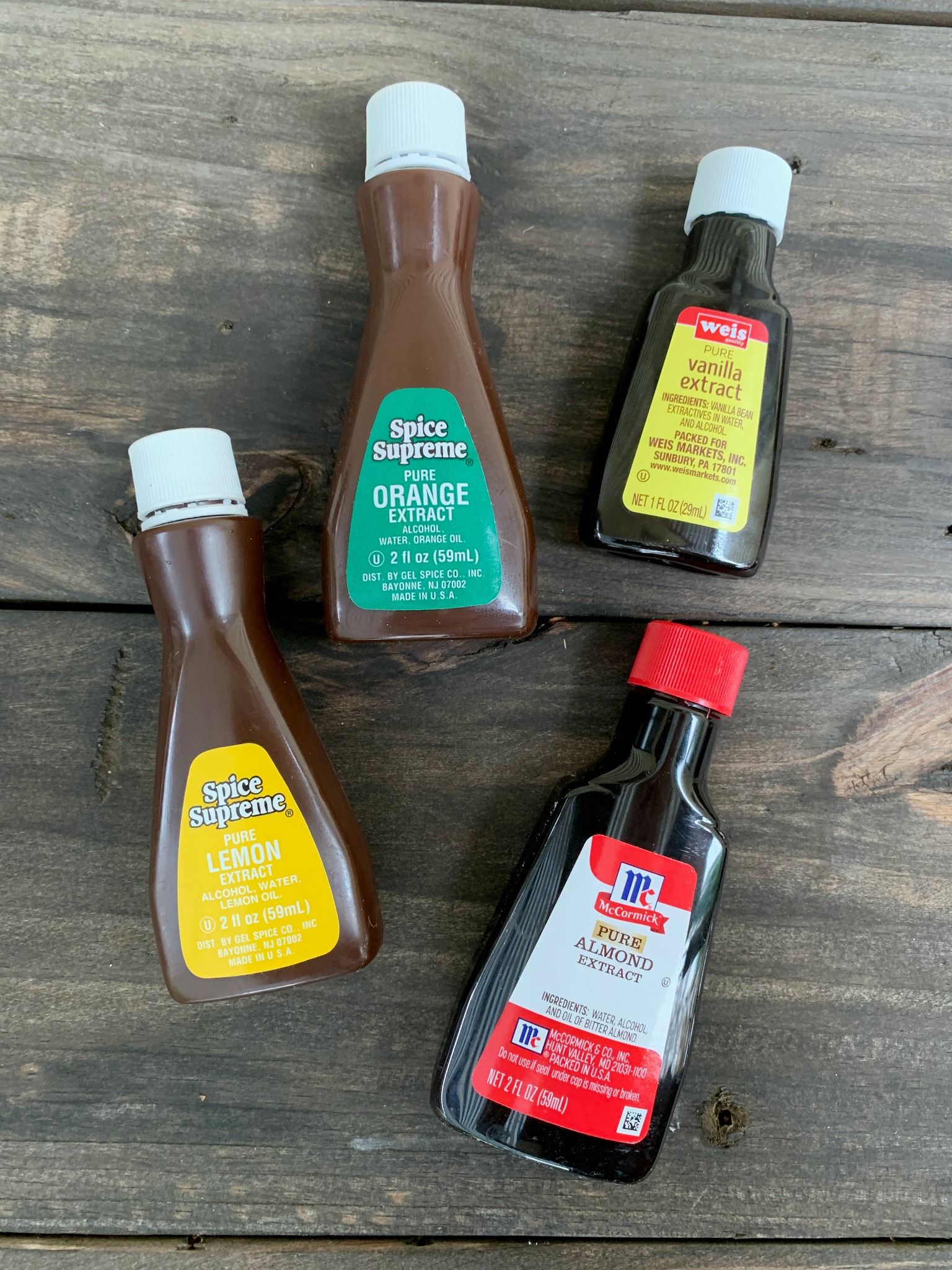
If the glaze tastes cloyingly sweet with no depth, it’s probably just sugar and milk with no flavoring or balance. Add vanilla extract or another extract, such as lemon or almond, to deepen the flavor, and add a pinch of salt to balance the sweetness and enhance the overall taste.
How Long Does This Glaze Take to Harden?
A powdered sugar and milk glaze typically hardens enough to handle in 15–20 minutes at room temperature. It firms up enough for clean slicing and won’t smear easily after this time.
However, for the glaze to fully solidify and prevent smudging or transferring when you handle or cut the baked goods, it’s best to let it set for at least 2 hours at room temperature.
Storage & Make-Ahead Tips
Whether you’re working with leftovers or freshly made baked goods, keeping your powdered sugar and milk glaze smooth and usable depends largely on how it’s stored. With that in mind, here are a few simple tips to help you store it properly and even prepare it ahead of time.
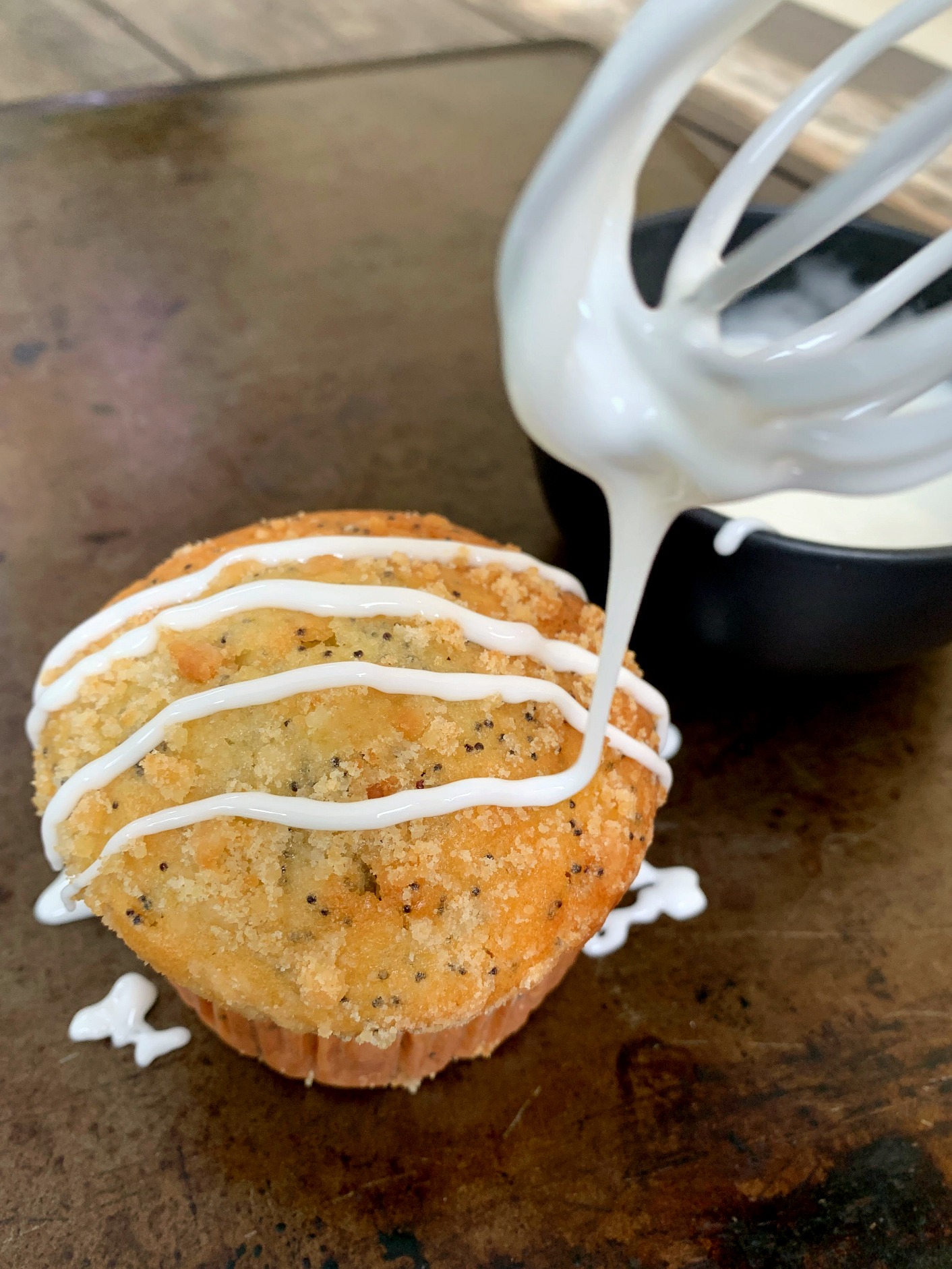
Storing leftover glaze
- Transfer any leftover glaze to an airtight container.
- Store it in the refrigerator for up to 4–5 days.
- When you’re ready to use your glaze again, let it sit at room temperature for up to 1 hour. Then whisk it and add a few drops of milk or water to restore the original pourable consistency.
- Freezing is not recommended for this glaze, as it can affect the texture and make it harder to smooth out after thawing.
Make-ahead tips
- It’s best to make the glaze on the day you plan to use it.
- If you need to prep ahead, you can measure and sift the powdered sugar in advance and keep it in an airtight container at room temperature.
Looking for another easy glaze recipe? Our 10-Minute Homemade Teriyaki Glaze is packed with flavor and pairs perfectly with a variety of main dishes and sides.
Frequently Asked Questions (FAQs)
Here are some of the most frequently asked questions about making powdered sugar and milk glaze, along with clear, simple answers to help you get creative with this recipe.
If you have any additional questions, feel free to share them in the comments below. We’d love to help!
What’s the difference between glaze and icing?
Technically, they use the same basic ingredients, but the glaze is typically thinner, more pourable, and creates a light, slightly transparent coating that sets with a shine.
Can I make glaze without powdered sugar?
Absolutely, but it won’t be as smooth or glossy. Powdered sugar is recommended for the best results.
Can I use water instead of milk?
You sure can. Water makes a pure white, simpler glaze, but it’s less rich than milk.
Can I add color to the glaze?
Absolutely. You can add gel food coloring to create themed glazes for holidays or celebrations. Use a toothpick to stir in small amounts at a time so you don’t overcolor.
Can I make this glaze ahead of time?
The glaze is best made fresh, but you can store it in the refrigerator for up to 4–5 days. Make it fresh for the best consistency and shine.
More Dessert Pairings You’ll Love
If you’re looking for more delicious desserts to pair with this glaze, here are a few ideas worth exploring:
- Crescent Roll Cream Cheese Danish — using refrigerated crescent rolls, these little bites, drizzled with a powdered sugar glaze, are perfect for breakfast or brunch.
- Raspberry Peach Crumb Coffee Cake — this cake, which combines a buttery cake, fresh fruit, and a crumbly topping, is a delightful addition to any brunch.
- Blueberry Upside-Down Quick Bread — this easy recipe yields a delicious dessert with a powdered-sugar glaze and a lemon-cornmeal base.
- New York Crumb Coffee Cake — this recipe yields a tender, buttery cake topped with a thick layer of crumbs and drizzled with a powdered sugar glaze.
Whether you drizzle it over a cozy coffee cake, a fruity quick bread, or a simple breakfast pastry, this powdered sugar glaze is an easy way to make any homemade dessert feel finished and extra special.
Let Us Know in the Comments!
What was your favorite part of this recipe? Drop a comment below and share how your powdered-sugar-and-milk glaze turned out.
If you tried any flavor variations, ingredient swaps, or found a useful fix for a common issue, feel free to share those, too. Your insights and creativity could help others put their spin on this recipe.