Outback Steakhouse Alice Springs Chicken Copycat (Restaurant-Style at Home)

Outback Steakhouse Alice Springs Chicken is one of those dishes people don’t just order, they remember. The first bite hits with sweet honey mustard, smoky bacon, sautéed mushrooms, and melted cheese layered over juicy, perfectly cooked chicken. Nothing overly complicated. Nothing flashy. Just flavors that lock together in a way that feels instantly satisfying.

It’s classic steakhouse comfort food, rich, balanced, and built to please, especially when served alongside a creamy, indulgent Outback mac and cheese copycat recipe that completes the full restaurant-style experience.
Table of Contents
And the best part? Once you understand how those layers work together, it’s surprisingly easy to recreate at home with the same bold flavor and that crave-worthy finish.
Quick Ingredient Snapshot
We’ll get to the full breakdown, but let’s take a quick look at what actually gives the Outback Steakhouse Alice Springs Chicken dish its flavor. It’s nothing complicated, just a very specific combination working together.
- Boneless skinless chicken breasts
- Honey mustard marinade
- Lemon juice
- Olive oil
- Cooked bacon
- Shredded Monterey Jack and Cheddar cheese blend
- Kosher salt
- Fresh parsley (optional garnish)
That’s the entire foundation. Familiar ingredients, but layered in a way that delivers the rich, steakhouse-style flavor people remember. Pair it with simple vegetables, or browse side-dishpairing inspiration to round out a full restaurant-style plate.
Next, we’ll look at what this dish actually is and why this particular combination became so recognizable.
Want our human-written content to rank above AI-generated garbage? Help us out by clicking this button!
What Alice Springs Chicken Actually Is
Ahead of looking at how it’s made, you need to understand where this dish fits and why it stands out on a menu. That context makes the combination of ingredients feel purposeful rather than aimless.
A Steakhouse Comfort Entrée
The Alice Springs Chicken copycat belongs to the steakhouse entrée category: hearty, plated meals designed to feel satisfying and familiar. It sits alongside rich mains that anchor the menu and create a full dinner experience, much like ordering a classic favorite such as Olive Garden lasagna classico.
The Signature Combination
Its identity comes from a specific pairing of flavors: sweet honey mustard, smoky bacon, and melted cheese layered over chicken. None of the components dominates alone. Together they form a recognizable taste profile that diners immediately associate with the dish.
The Structure of the Dish (Flavor Blueprint)
Alice Springs Chicken isn’t about seasoning the chicken itself. It’s about building layers that your brain registers as a single flavor memory. Each layer has a job.
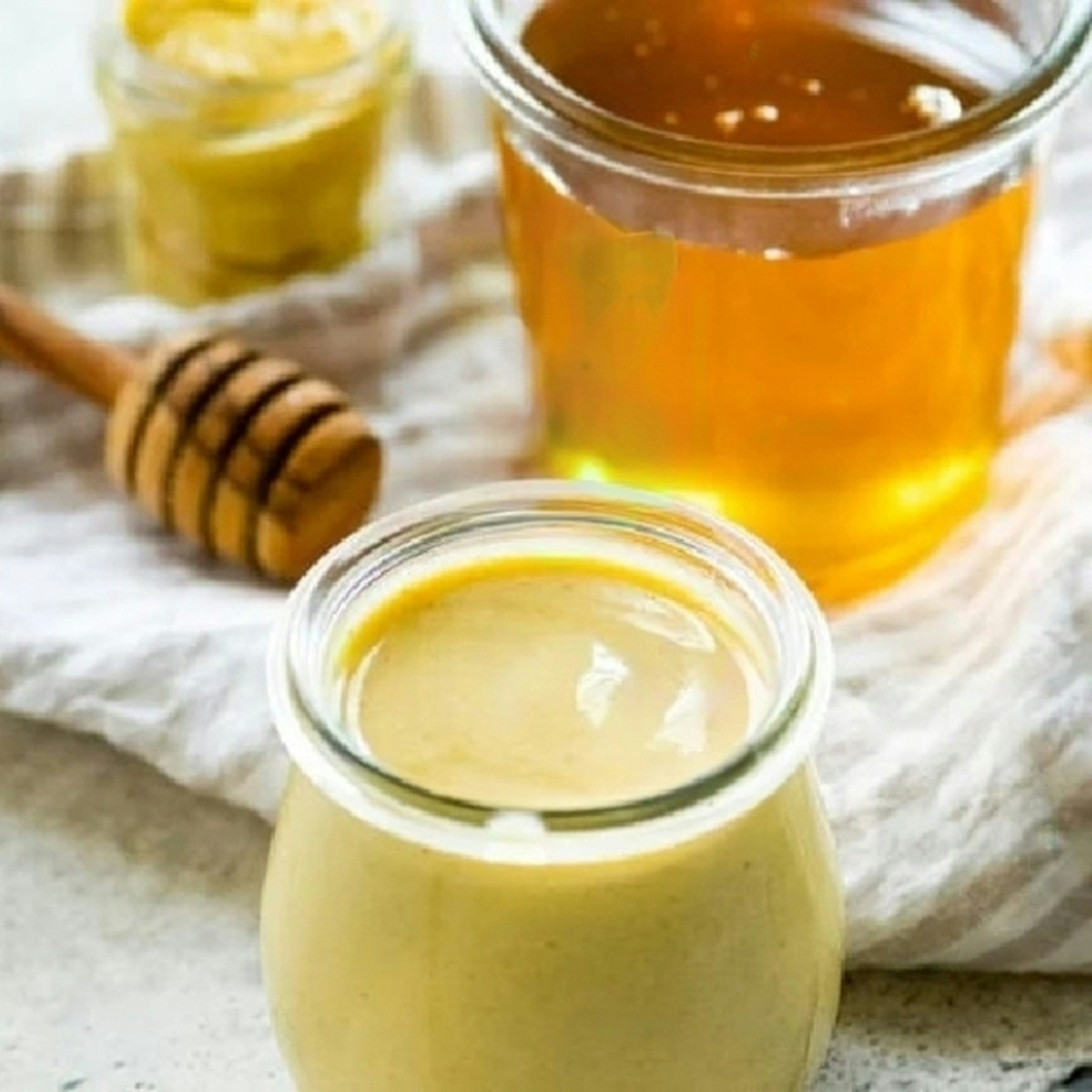
Sweet and Sharp Foundation (Honey Mustard)
Honey rounds the flavor, while mustard adds contrast. Your palate interprets the combination as comforting rather than sugary. That’s why it feels hearty instead of sauce-covered.
Savory Depth (Bacon)
Bacon isn’t just salty. When it cooks, it releases aromatic fat compounds that linger after every bite. This anchors the sweetness so the dish tastes like dinner, not glaze.
Gentle Umami (Mushrooms)
Mushrooms add background savoriness. You don’t notice them directly; you notice the dish feels fuller.
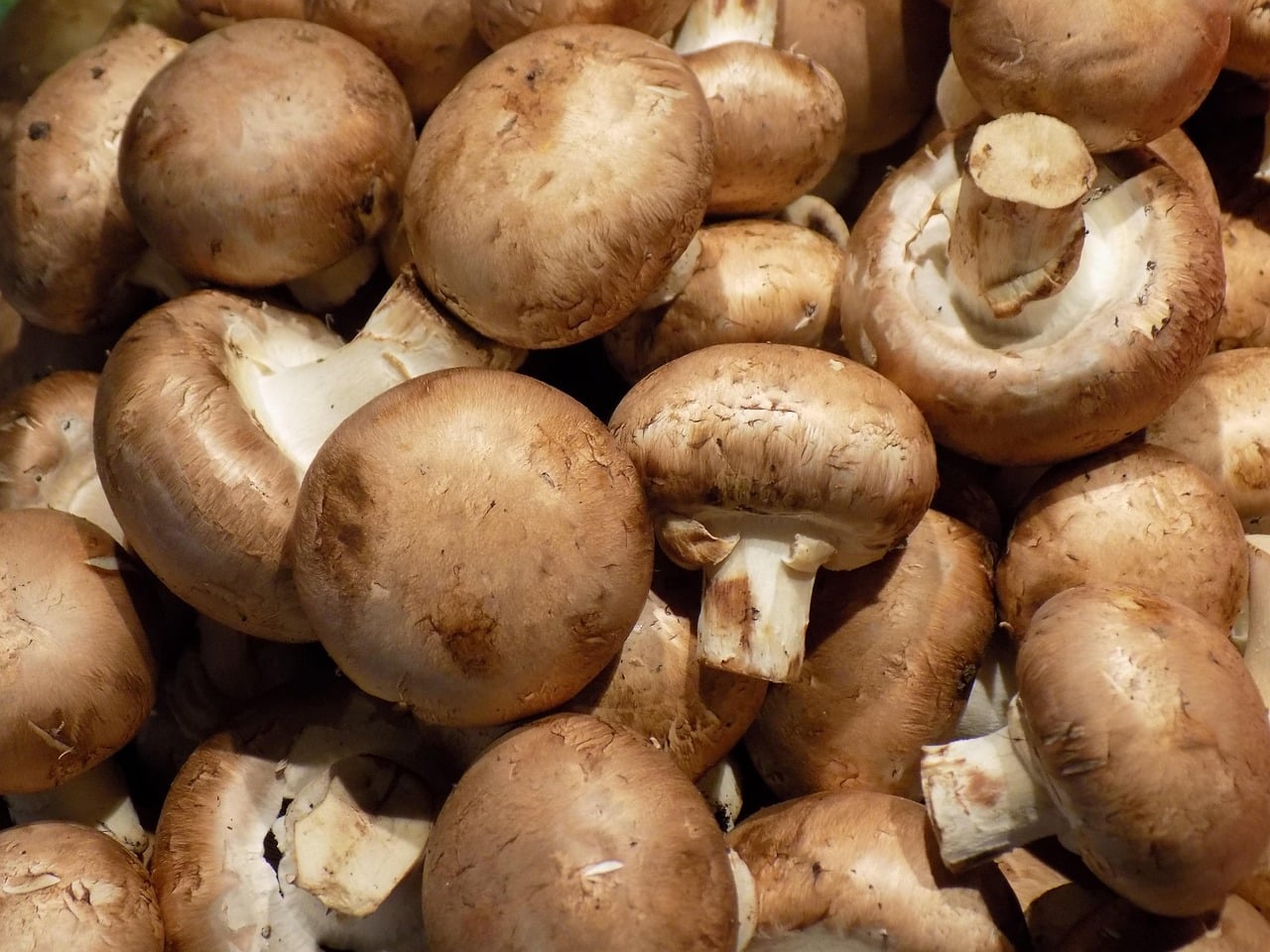
You can skip them, but the restaurant version includes them for depth.
Creamy Cap (Melted Cheese)
Cheese acts like a flavor blanket. It merges sharp, sweet, and smoky into a single unified taste.
The Carrier (Chicken)
The chicken isn’t the star. It’s the canvas holding the experience together. That’s why properly cooked texture matters more than heavy seasoning.
What Actually Matters in the Ingredients
Not every ingredient in this recipe carries equal weight. Some control the identity, while others fine-tune.
Critical Ingredients
These determine whether it tastes like the restaurant version:
- Honey mustard balance
- Bacon richness
- Melting cheese blend (Monterey Jack + Cheddar)
Change these, and the dish becomes something else.
Flexible Ingredients
These are safe to adjust:
- Lemon juice: brightness only
- Olive oil: cooking aid
- Parsley: appearance
- Mushrooms: optional depth
No-Swap Ingredients
These should stay consistent for predictable results:
- The honey element in the sauce
- Bacon as the primary savory topping
- A melting cheese blend instead of a single firm cheese
The One Mistake That Ruins the Dish
Thickness is one mishap that can ruin your entire recipe. Uneven chicken cooks unevenly. Thin parts dry while thick parts struggle to finish.
Hence, flatten the breasts first. This single step fixes 70% of home copycat failures.
Cheese Behavior Differences
Monterey Jack softens smoothly, while Cheddar provides structure. Together, they create a uniform surface rather than separated patches.
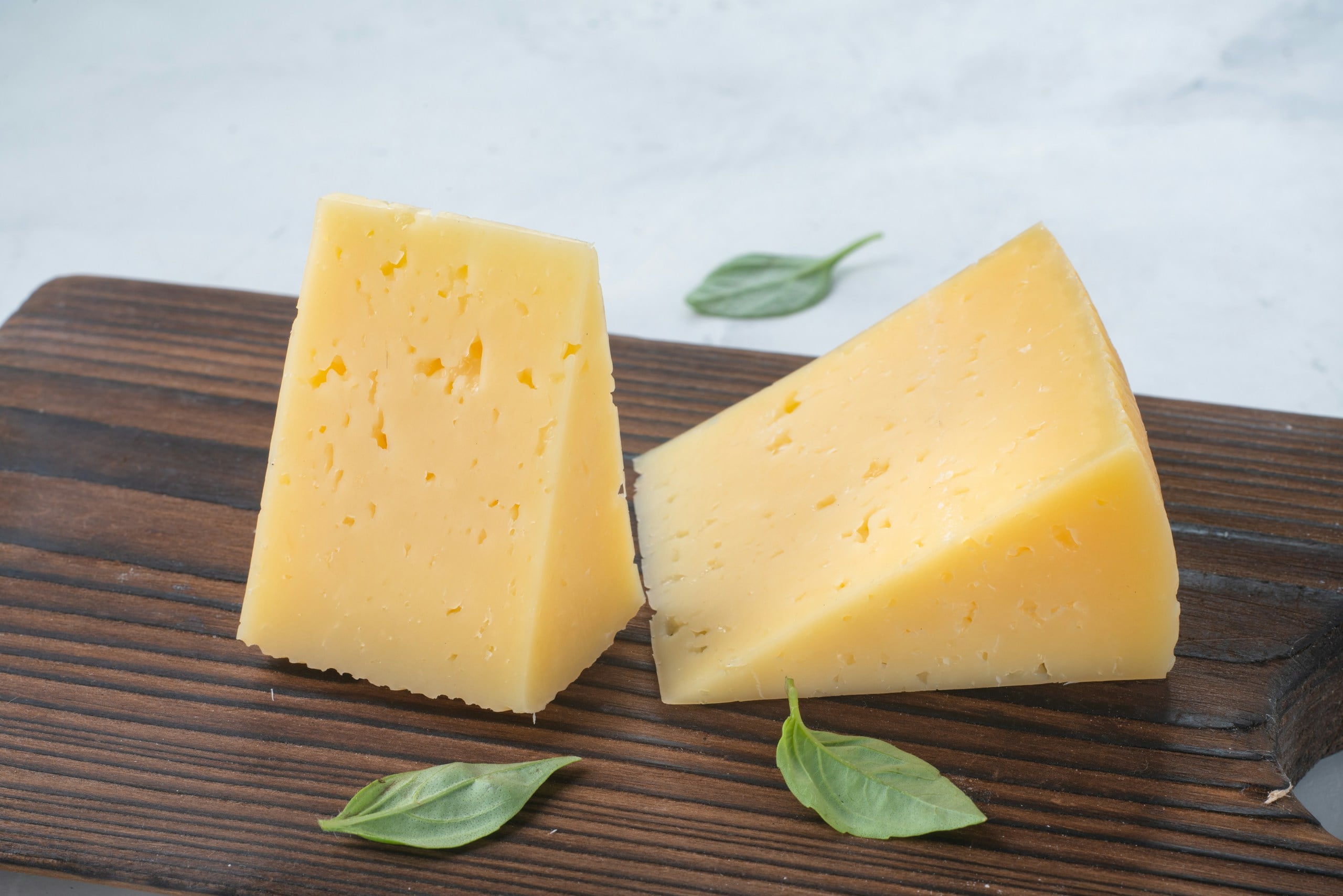
This same kind of balance between protein and topping is also noticeable in layered dishes like Olive Garden Chicken Marsala Recipe at Home, where consistency depends on proportion rather than complexity.

Copycat Outback Steakhouse Alice Springs Chicken Recipe
Equipment
- Cast iron skillet or grill pan
- Meat thermometer
- Tongs
- Baking dish
- Cutting board
Ingredients
- 4 boneless skinless chicken breasts
- 1 cup honey mustard marinade
- 2 tsp lemon juice in a small bowl
- 1 tbsp olive oil
- 8 slices bacon cooked
- 2 cups shredded Monterey Jack and Cheddar cheese blend
- Kosher salt to taste
- Fresh parsley for garnish optional
Instructions
- Combine honey mustard marinade and lemon juice. Coat the chicken with the mixture and marinate for at least 30 minutes or overnight.
- Preheat your oven to 400°F. Cook the bacon until crisp, then reserve some of the fat in the pan.
- Preheat a cast-iron skillet over medium heat. Remove the chicken from the marinade, discarding any remaining marinade, and season the chicken with salt.
- Remove chicken from marinade and season with salt.
- Sear the chicken for about 5–7 minutes per side, until the internal temperature reaches 165°F.
- Top with bacon and shredded cheese. Transfer to the oven and bake until the cheese melts and bubbles, for about 5–7 minutes.
- Garnish with parsley if desired and serve.
Notes
- For a lighter option, use low-fat honey mustard or turkey bacon.
- For gluten-free preparation, ensure the honey mustard marinade is certified gluten-free.
- To reduce carbs, replace the honey element with a low-carb sweetener blend.
- Optional: sautéed mushrooms can be added before the cheese for a more traditional restaurant-style topping.
Storage
- Store leftovers in an airtight container in the refrigerator for 3–4 days.
- Reheat in the oven or air fryer to maintain texture.
- Avoid microwaving to prevent rubbery chicken and soft bacon.
Estimated Nutrition (Per Serving)
Using standard nutrition databases and the ingredient quantities provided:- Calories: ~650 kcal
- Protein: ~63 g
- Fat: ~35 g
- Saturated Fat: ~14 g
- Carbohydrates: ~22 g
- Sugars: ~18 g
- Sodium: ~990 mg
- Cholesterol: ~155 mg
This makes the dish protein-dense and filling, with most carbohydrates coming from the honey mustard component. The rest of the ingredients contribute primarily fats and protein. This explains why portion size strongly affects how heavy the meal feels, similar to many easy family dinner favorites.
Step-By-Step Instruction
Timing can vary slightly from kitchen to kitchen, so the most reliable guide is appearance and texture. Each stage has a clear visual signal that tells you the dish is progressing correctly.
Step 1: Preparing the Chicken
After combining the honey mustard marinade and lemon juice and coating the chicken, the surface should look lightly glazed, not dripping. A thin sheen indicates proper absorption, while visible pooling suggests excess marinade.
If marinated for at least 30 minutes (or overnight), the exterior will appear slightly darker and more saturated than raw chicken. Once removed from the marinade and seasoned with salt, the meat should feel soft and flexible when pressed, not slick.
Even thickness is noticeable because the chicken rests flat instead of tilting. Consistent sizing ensures both sides brown at the same pace once seared.
Step 2: Searing the Surface
With the oven preheated to 400°F and the bacon cooked until crisp (fat lightly rendered, not burnt), the pan should be warm before the chicken goes in.
When it hits the surface, a steady, gentle sizzle should begin. Silence means the heat is too low, while aggressive popping means it is too high.
As it cooks for 5–7 minutes per side, the underside shifts from pale pink to golden beige. Proper browning looks matte and even. When ready to flip, the chicken releases naturally.
After the second side cooks, the exterior feels lightly firm but still springy. An internal temperature of 165°F confirms it’s fully cooked before topping.
Step 3: Cooking the Mushrooms (Optional)
If adding mushrooms, cook them separately until their moisture evaporates.
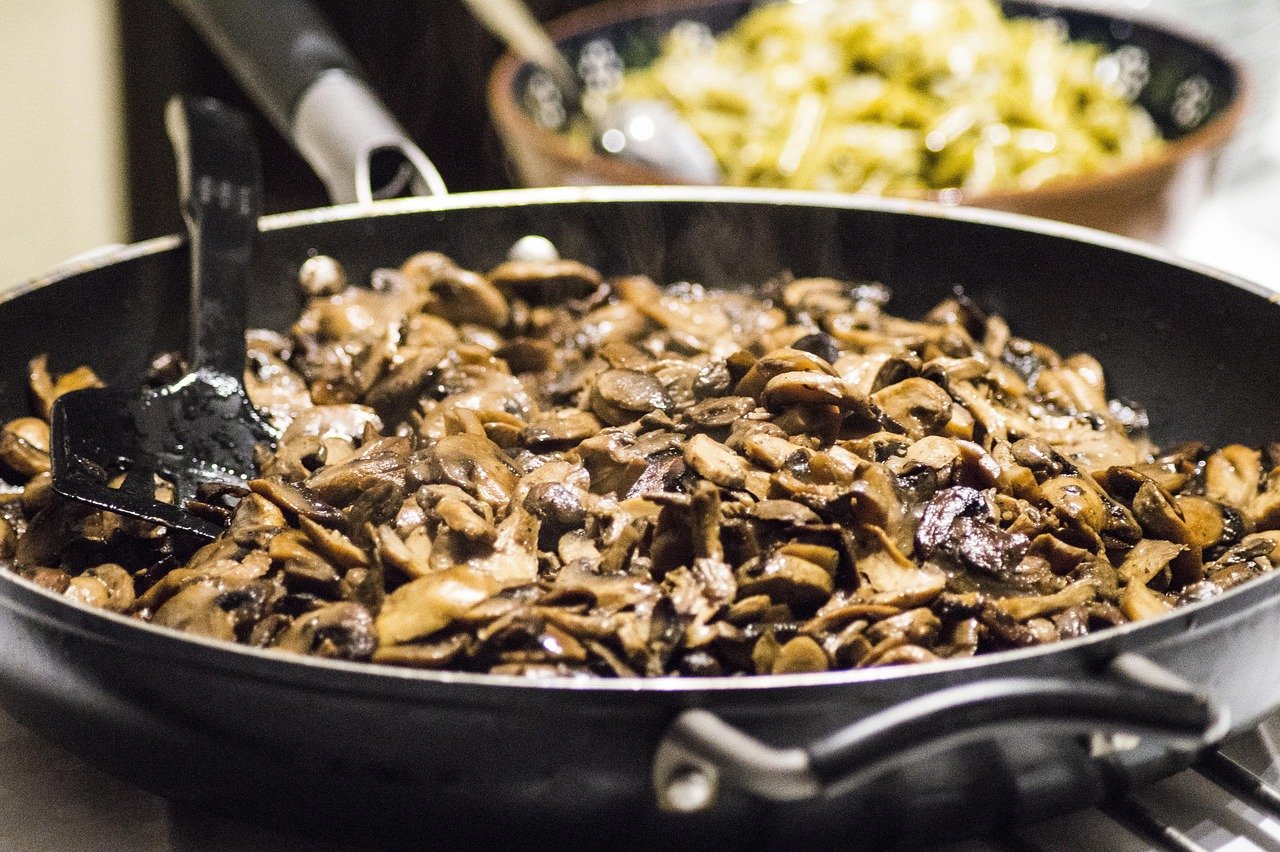
At first, they look shiny and crowded. As they finish, they shrink, darken, and appear dry on the surface with lightly browned edges. No visible liquid should remain before layering.
Step 4: Layering the Toppings
Crisp bacon should hold its shape and lie flat across the seared chicken. If it bends or droops, it wasn’t fully cooked earlier.
The shredded Monterey Jack and Cheddar blend begins as distinct strands, then softens into one even layer. Coverage should be complete but not piled excessively.
Step 5: Oven Finishing
Once transferred to the 400°F oven, the cheese melts within 5–7 minutes.
You’ll see it transition from soft strands to a smooth, glossy surface. Small bubbles appear near the edges, signaling it’s fully melted but not overcooked.
The finished topping looks cohesive rather than oily. When pressed lightly, the chicken feels firm yet slightly yielding in the center, which indicates retained moisture.
Garnish it with fresh parsley just before serving for a clean finish.
Essential Kitchen Tools
Using the right tools makes the process consistent and easier to control:
- Cast Iron Skillet – even browning.
- Instant-Read Meat Thermometer – confirms doneness.
- Tongs – safe flipping without tearing.
- Baking Dish – steady oven finishing.
- Cutting Board – flattening and prep.
Why Restaurant Versions Taste Different
Restaurants don’t use secret ingredients. Instead, they control the three mechanics below:

- Moisture Retention: Steady heat prevents juices from being squeezed out.
- Fat Distribution: Bacon fat coats the surface instead of pooling, creating the same kind of even richness you experience in well-prepared restaurant-style appetizers, where every bite tastes consistent.
- Gentle Finishing Heat: Gentle heat melts the topping without tightening the meat.
You can replicate all three just by avoiding high heat at the end.
How to Fix Alice Springs Chicken When It Doesn’t Turn Out Right
Small variations in timing or heat can change the final result. Use these quick checks to identify what happened and adjust on the next attempt.
Texture Problems
If the chicken didn’t turn out as expected, the texture is usually the first place to look. Here are a few common texture issues and how to fix them.
Dry Chicken
The exterior looks tight and slightly shrunken, and juices do not appear when sliced. The interior appears pale and crumbly instead of glossy.
- How to Fix It: Reduce cooking time slightly and allow a short rest before cutting so moisture settles back into the meat.
Tough Chicken
The meat feels dense and resistant when cut, almost rubbery instead of tender.
- How to Resolve This: Use evenly sized pieces so the interior finishes cooking at the same pace as the exterior.
Sauce Problems
The honey mustard sauce is a key part of Alice Springs Chicken, so if something feels off, the sauce could be the reason. Here are some common sauce issues and easy fixes.
Too Sweet
The flavor tastes more like honey than savory.
- How to Fix This: Increase the mustard proportion slightly or add a small pinch of salt to rebalance.
Too Thin
The sauce spreads across the plate instead of lightly coating the chicken.
- How to Resolve It: Let the topping rest briefly after cooking so it settles and thickens naturally.
Separated Sauce
Glossy oil appears while the rest looks grainy.
- How to Resolve It: Lower the finishing heat so the topping warms gently rather than breaking.
Creamy dressings behave similarly, as seen in our Creamy Salsa Dressing Recipe, where moderate heat keeps the texture smooth.
Topping Problems
The bacon, mushrooms, and melted cheese bring everything together. If the toppings didn’t turn out quite right, these quick tips can help fix the problem.
Rubbery Cheese
The cheese pulls in sheets instead of melting smoothly.
- How to Resolve This: Allow the dish to rest briefly so the surface softens.
Soggy Bacon
The bacon bends easily and blends into the topping rather than remaining distinct.
- How to Fix It: Ensure it is fully crisp before adding so it holds its structure after heating.
Watery Mushrooms (Optional)
Liquid collects around them, and they appear pale.
- How to Fix This: Cook them until they shrink and turn brown before adding them to the chicken, so they don’t release water later.
Different Ways to Make Alice Springs Chicken
The classic preparation uses both stovetop and oven heat, but the same flavor profile adapts easily to other setups. If your kitchen or the weather calls for something different, these variations keep the dish’s identity while changing the cooking environment.
Grill
Grilling shifts the dish toward a smokier character and a lighter overall feel. Instead of enclosed heat, the chicken cooks over open airflow, giving the surface a firmer exterior while keeping the inside tender.
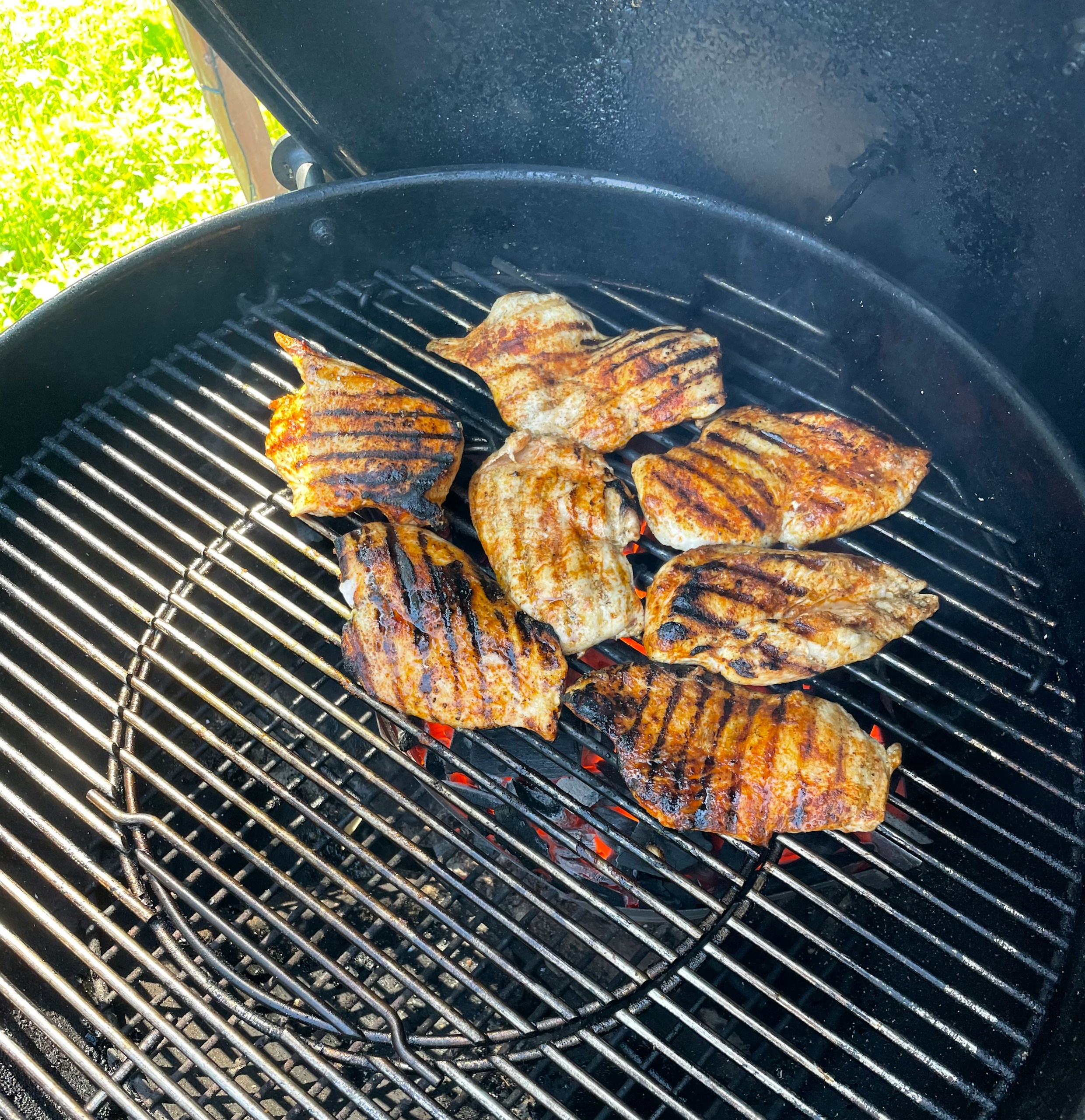
The toppings are added after the chicken has developed grill marks, so they warm without losing their shape. This approach works especially well when paired with outdoor meals or recipes like this simple grilled chicken marinade that follow a similar style of preparation.
Air Fryer
An air fryer produces a more compact version suited for smaller portions. Circulating heat evenly surrounds the chicken, creating a lightly crisp exterior before the toppings go on.
Because the environment is contained, the cheese melts quickly and stays close to the surface rather than spreading. The result feels slightly lighter while still delivering the familiar layered profile.
All-Skillet
For a stovetop-only approach, everything stays in one pan. The chicken cooks through with steady heat, then the toppings warm gently under a covered skillet. This method keeps the layers cohesive, minimizes cleanup, and maintains the recognizable look and flavor balance.
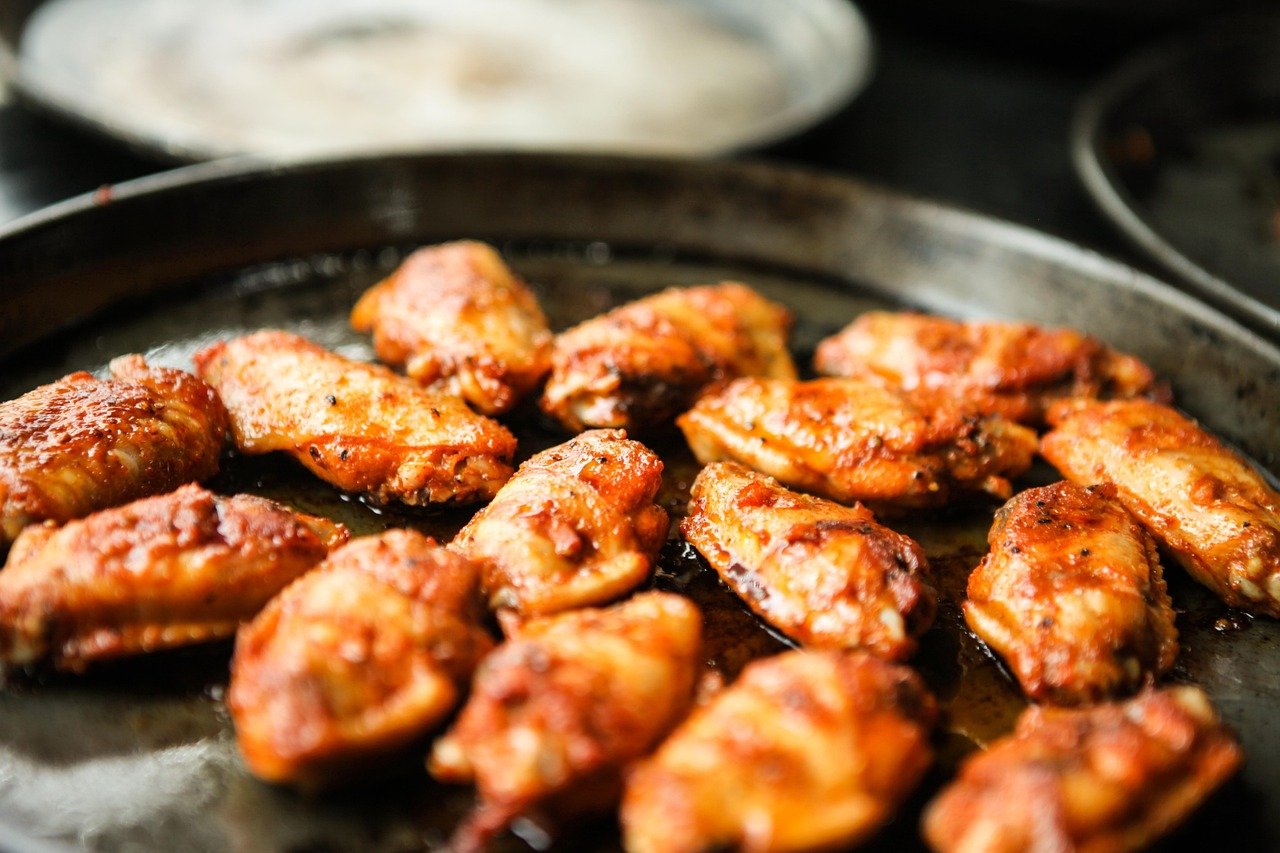
What to Serve With Alice Springs Chicken
Once the dish is finished, the plate feels most complete when the sides complement the richness without competing for attention. The goal is contrast and balance, so each bite stays enjoyable.
Fresh and Crisp Sides
Green vegetables like steamed broccoli or green beans add a clean contrast. A simple side salad also works well, giving a lighter bite between richer flavors.
Hearty Steakhouse Favorites
Mashed potatoes, roasted potatoes, or fries naturally match the sweet-savory profile. Their mild flavor complements the main dish, making the meal feel satisfying.
Matching Flavor Elements
Repeating a similar seasoning direction on another component helps tie everything together. A light sprinkle of our Outback steak seasoning blend on vegetables or potatoes keeps the plate cohesive.
Building a Balanced Plate
Think of the pairing as combining something fresh, something hearty, and something seasoned similarly. That balance recreates the familiar dining feel associated with the dish.
Best Way to Store Alice Springs Chicken
After the meal, the next question is how well it keeps. This dish holds up reliably because the components protect the chicken from drying, making it suitable for planning or saving leftovers.
Refrigerating
Allow the chicken to cool slightly, then store it in an airtight container. Keeping the toppings intact helps preserve moisture, so avoid separating layers before storing.
In the refrigerator, it maintains its texture for about 3–4 days. The flavors often settle together overnight, which can make the next serving taste more cohesive than the first.
Freezing
For longer storage, freeze portions individually so they reheat evenly later. Wrap tightly to prevent air exposure, then place inside a sealed container or freezer bag. The dish keeps well for up to 2 months without significant texture change.
Reheating Without Drying
Gentle heat works best. A moderate oven temperature allows the interior to warm gradually while the topping softens again.
Loosely covering helps retain moisture so the chicken doesn’t dry out. Microwaving can be used in short intervals, but slower heating yields a texture closer to fresh.
Preparing in Advance
You can assemble the dish earlier in the day and refrigerate it until cooking time. Keeping everything layered prevents the surface from drying out and makes dinner easier when timing matters.
Planning meals this way works especially well alongside other make-ahead components, like this spicy homemade sauce, so multiple parts of dinner come together smoothly.
Alice Springs Chicken Nutrition Facts
After portioning the dish, the nutritional profile becomes easier to understand and adjust. A standard serving is filling, with most carbohydrates coming from the honey mustard component.
Estimated Nutrition Per Serving
- Calories: about 650 kcal
- Protein: roughly 60+ grams
- Fat: moderate to high
- Carbohydrates: mostly from the honey mustard component
Keto Adaptation
The dish’s structure already gravitates towards low-carb. Replacing the honey sweetness with a low-carb alternative brings the meal into the ketogenic range. For similar ideas, browse our keto-friendly dinner recipes.
Lighter Version
To reduce heaviness without changing the identity:
- Use slightly less cheese.
- Choose lean bacon.
- Serve with fresh vegetables instead of starch-heavy sides.
Frequently Asked Questions
Before wrapping up, below are answers to the questions readers most often have after seeing the full recipe. Each one fills in a practical detail that doesn’t fit neatly into the main sections but still affects how the dish turns out.
Why Is It Called Alice Springs Chicken?
The name comes from Alice Springs, a town in Australia’s Northern Territory. Restaurants use location names to create a theme rather than to indicate origin. The dish itself isn’t traditional Australian cooking; it’s a steakhouse creation meant to stand out and be memorable on a menu.
Can I Use Chicken Thighs Instead of Breasts?
Yes, thighs produce a slightly richer, juicier result due to their higher fat content.
What’s The Best Honey Mustard to Use?
A balanced honey mustard works best, one where sweetness and sharpness are close rather than heavily sweet.
Can I Make It without Bacon?
You can. The dish will still taste complete, but it becomes milder and less smoky.
Can I Double the Sauce?
Yes, especially if serving with rice or vegetables that benefit from extra coating.
Is Alice Springs Chicken Spicy?
No, the flavor profile focuses on sweet and savory rather than heat.
Can I Prepare It the Night Before?
Yes, assemble everything and refrigerate. Bring it closer to room temperature before cooking so it heats evenly.
Is a Cast Iron Pan Required?
Not required, but helpful.
Can I Make It Dairy-Free?
Yes, use a dairy-free melting alternative and keep the rest of the ingredients the same.
Can I Freeze Leftovers?
Yes, freeze portions individually and reheat gently later.
Related Recipes to Try Next
If this meal brought back the restaurant experience you hoped for, there are plenty of similar dishes you can add to the same rotation. Exploring other recreations keeps dinner familiar without repeating the same plate each time.
For another rich main course with a different flavor profile, try the Cheesecake Factory Miso Salmon Copycat or the Restaurant-Style Cheesecake Factory Chicken Marsala Recipe. Both share the idea of layering recognizable restaurant flavors at home while offering distinct taste profiles.
If you want a starter before the main dish, the Red Lobster stuffed mushrooms recipe works well as a first course. To complete the table, a drink like the Olive Garden Italian margarita recipe creates a full dining experience instead of just a single dinner.
Looking for variety beyond meat? Browse plant-based dinner alternatives for lighter options during the week. And when the meal is finished, these dessert ideas help round out the evening.
Save & Share Your Results
Made it for dinner or changed the topping? We’d love to hear how it turned out and what you paired it with, because your feedback helps keep the recipe practical for everyone. Have a question or a quick tip to add? Leave it in the comments.