What if the secret behind Outback Steakhouse’s bold steak flavor was hiding in your spice cabinet?
That signature crusty, savory, slightly smoky seasoning that makes their steaks unforgettable isn’t complicated at all. In fact, it’s made from a handful of everyday spices mixed in the right balance.
Table of Contents
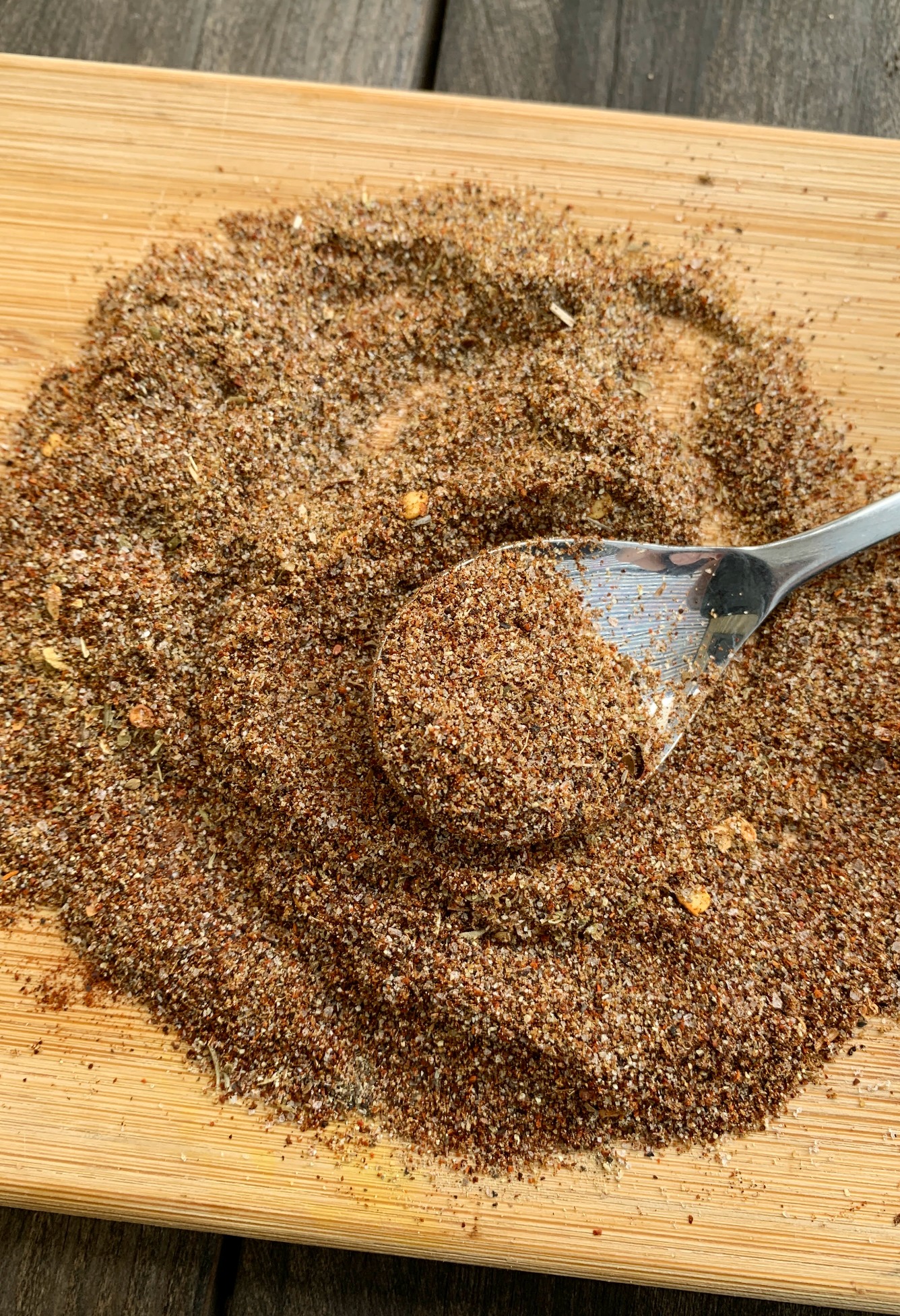
This homemade Outback Steakhouse steak seasoning copycat recipe recreates that restaurant-quality flavor in minutes. Sprinkle it on ribeye, sirloin, or even burgers, and you’ll get the same steakhouse-style crust and deep savory taste.
The best part? You can make a full jar of this seasoning blend for a fraction of the cost and keep it ready for every steak night.

Why Try Making Your Own Outback Steakhouse’s Steak Seasoning?
Whether you’re planning a family barbecue or a cozy dinner for two, Outback Steakhouse’s steak seasoning may have people thinking you’ve worked in the kitchen at a steakhouse at some point in your life. The best part is that it only takes five minutes plus the time needed to grill the steaks to impress your friends with your steak mastery.
Want our human-written content to rank above AI-generated garbage? Help us out by clicking this button!
Equipment Needed
Of course, you’ll want to make sure you have everything you need to make this seasoning and grill the steak.
- Bowls for mixing
- Measuring spoons
- Airtight container for storage
- Grill or Cast-Iron Skillet
- Digital meat thermometer
- A small spoon
- A grilling spatula
A note on grills: The annoying thing about full-sized grills (besides cleaning them) is that they’re difficult to use year-round in climates that get a lot of snow in the winter. That’s why I usually like to have a portable grill on hand to pull out and use on my back deck in the winter. I just wouldn’t recommend using it inside.
If cooking it inside isn’t optional, a cast-iron skillet and high heat can help you get that perfect seared steak.
Ingredients for This Outback Steakhouse Steak Seasoning Recipe
Here’s where you can pause and make sure you have everything. Of course, you may have to dig some of these out of the back of your spice drawer, or even make a quick trip to wherever you normally buy your spices, if it seems like you always go through a lot of spices and herbs!
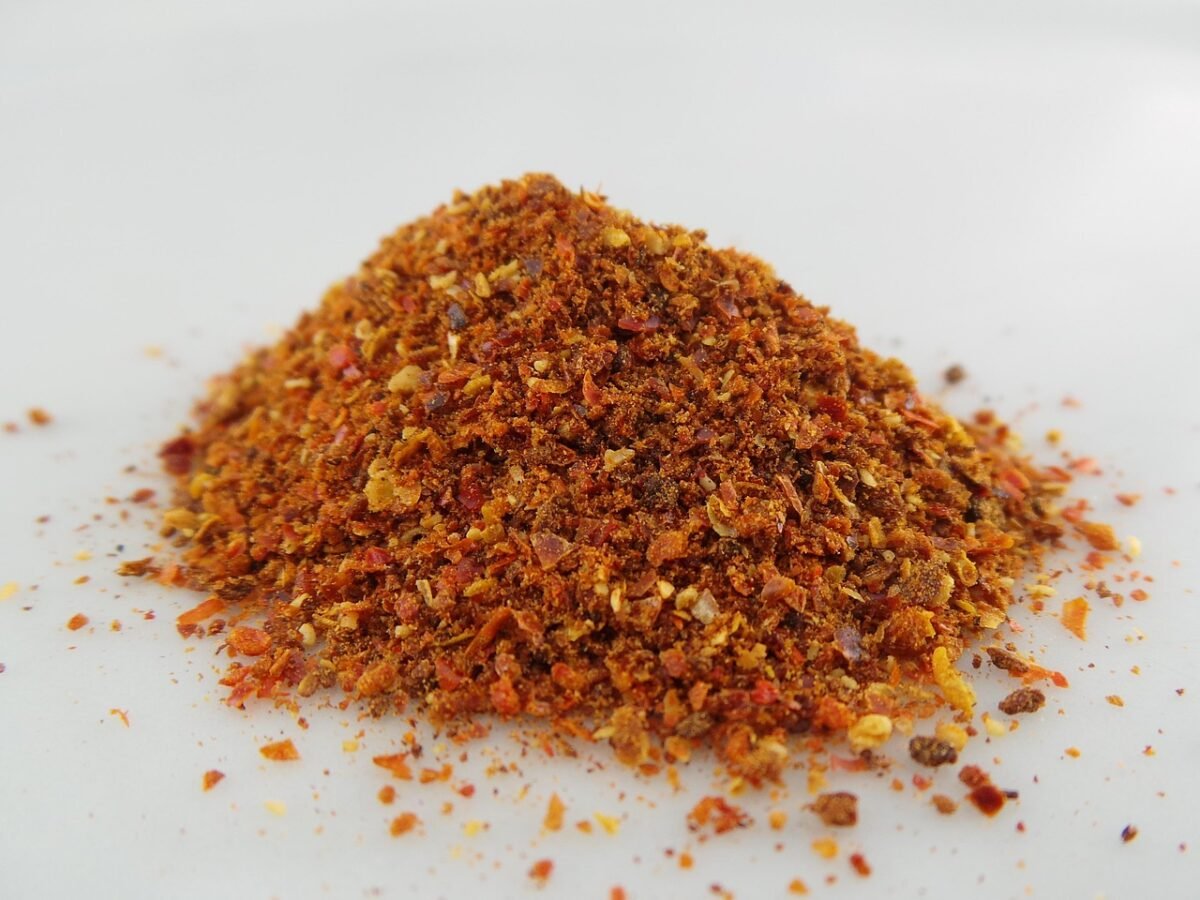
Complete Ingredient List
- Kosher salt
- Paprika
- Onion salt
- Garlic powder
- Dried coriander
- Freshly ground black pepper
- Smoked paprika
- Ground coriander seeds
- Cayenne pepper
Ingredient Role Breakdown
After gathering your ingredients, it helps to understand what each spice actually contributes to the final flavor. Every component in this seasoning blend plays a specific role in building that bold steakhouse taste. Here’s a closer look at how each ingredient enhances the flavor of your steak.
Kosher Salt
2 tablespoons kosher salt
What is kosher salt, anyway? Kosher salt is basically pure sodium chloride that comes in a coarse, flaky form. It typically lacks iodine and other additives that are common in other forms of salt that are typically used for cooking.
Chefs like kosher salt for its ability to handle small amounts at a time for searing, brining, and seasoning. Its mild flavor typically blends well with other savory or spicy flavors like the other ingredients in this seasoning blend.
Paprika & Smoked Paprika
2 tablespoons paprika
1 teaspoon smoked paprika
You may have noticed that this seasoning blend calls for two varieties of paprika: regular paprika and smoked paprika. What’s the difference?
Regular paprika has a milder, earthy flavor with a very subtle sweetness to it. It’s not very spicy and is often compared to black pepper. Because it’s so mild and has an attractive red color, it also gets used for garnishes for side dishes like deviled eggs and hummus.
Smoked paprika has a much stronger smoky flavor, which is why this seasoning blend recipe calls for a lot less. When buying it, take a closer look at the heat level. It can range from mild (dulce) to bittersweet (agridulce) to hot (picante).
Onion Salt
1 tablespoon onion salt
This salt adds the savory, slightly sweet, and pungent flavor of onion that can perfectly complement the beefy flavor of the steak.
Garlic Powder
1 tablespoon garlic powder
Garlic powder adds the pungent flavor of garlic without having to work with garlic bulbs. In fact, I’d recommend just sticking to the garlic powder for this recipe because garlic bulbs can add too much moisture to the seasoning mix, making it difficult to store.
Dried Coriander
1 tablespoon dried coriander
Coriander adds a complex flavor to this seasoning blend. Tasting notes include hints of citrus (lemon and orange), pepper, and floral overtones.
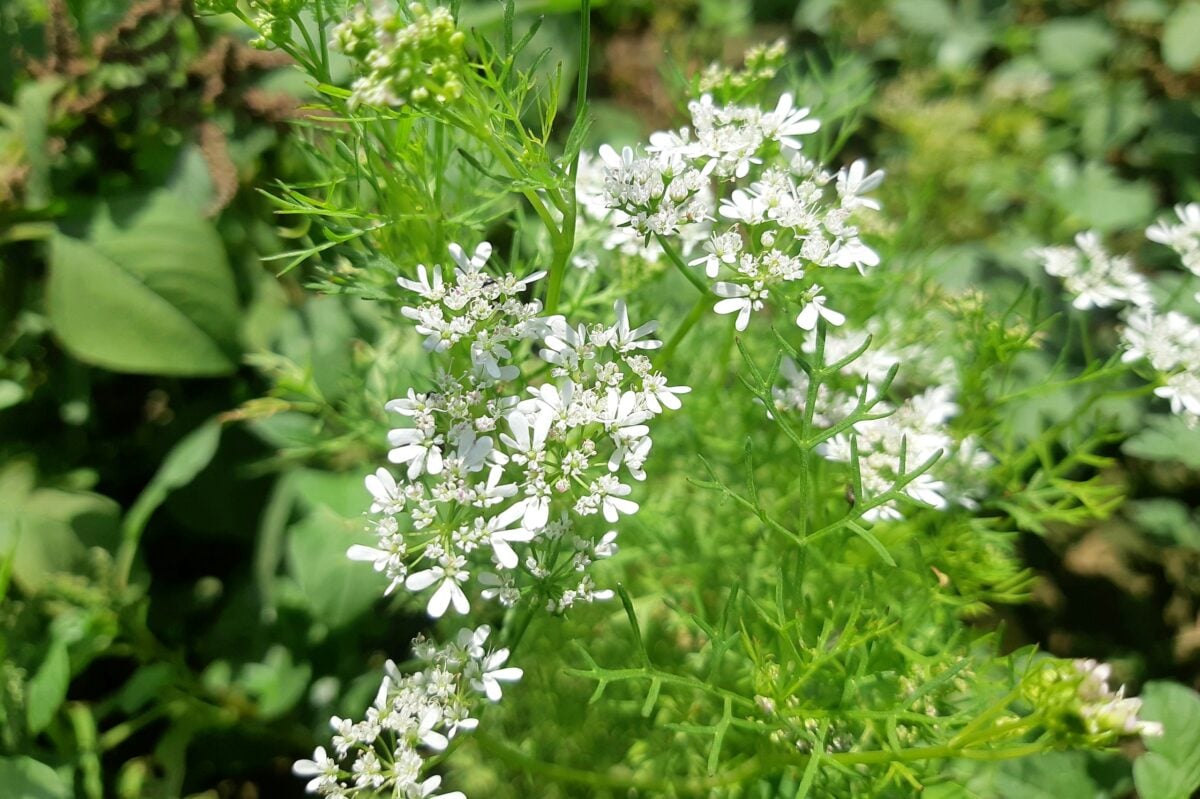
Fun fact: Coriander comes from the seeds of the same plant that cilantro comes from. In fact, the University of Wisconsin-Madison’s agriculture department says the cilantro plant’s scientific name is Coriandrum sativum. However, no one has ever reported that coriander tastes like soap.
Black Pepper
1 tablespoon freshly ground black pepper
I like to use freshly ground black pepper because buying black pepper as whole peppercorns helps it retain its mild, woody spiciness better.
Cayenne Pepper
1/8 teaspoon cayenne pepper
Cayenne pepper has an intense spiciness (30,000-50,000 Scoville Heat Units) combined with a slightly fruity flavor. This makes it popular in a lot of cuisines known for their spiciness, like Cajun, Indian, and Mexican.
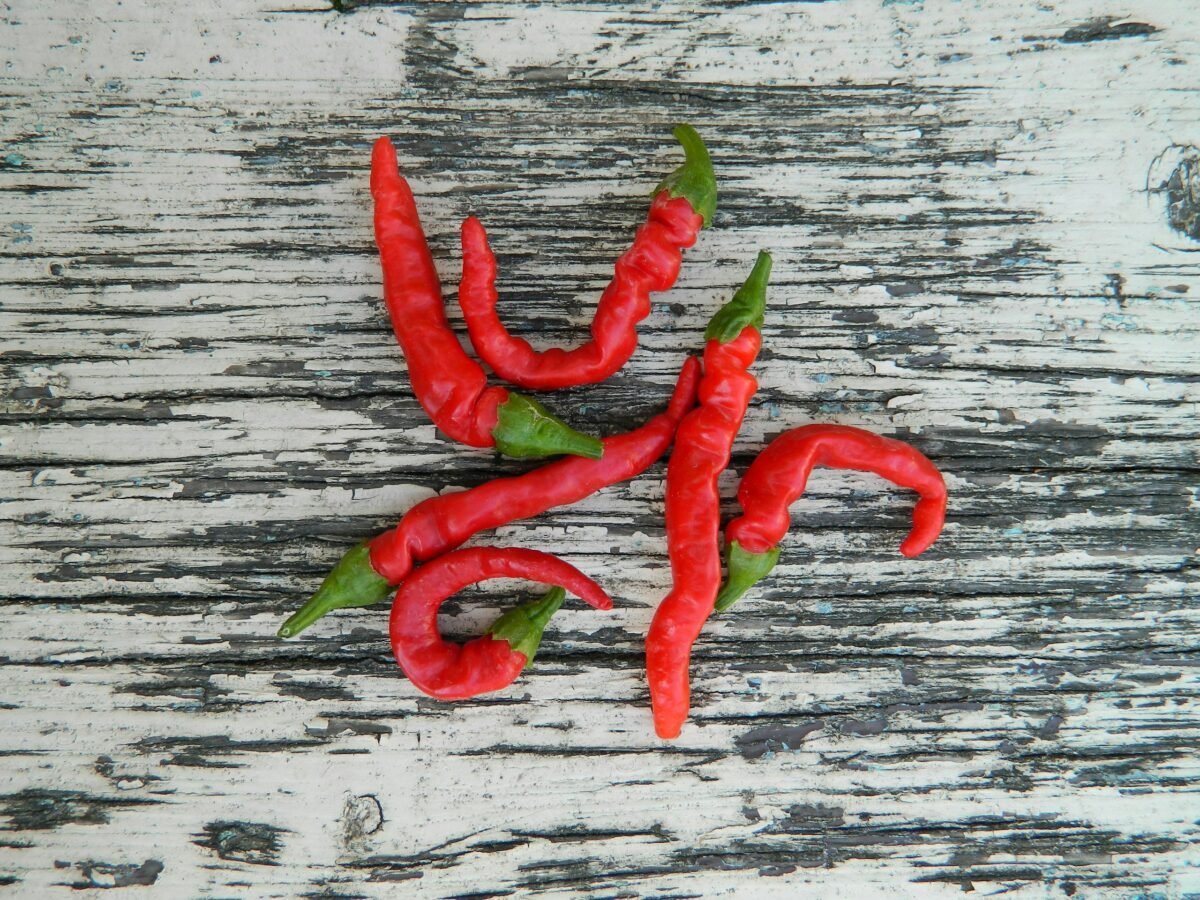
What is a Scoville Heat Unit, anyway? The University of Florida’s IFAS extension describes the Scoville Heat Unit scale as a measurement of the concentration of capsaicinoids in a pepper. Capsaicinoids are the substances that make a pepper spicy. Scoville Heat Units (SHUs) can range from bell peppers (0 SHUs) to “Pepper X”, a dangerously spicy pepper that the Guinness Book of World Records recognized as the spiciest on Earth at 2,693,000 SHUs.
Method for Making Outback Steakhouse Steak Seasoning Mix
It really is super easy! You’ll mostly just be doing a lot of measuring and mixing to make the actual seasoning mix.
Step One: Combine All Ingredients for the Seasoning Mix
Combine all the ingredients in a bowl and mix evenly with a spoon. Or, if you want to take the “shaken not stirred” approach, combine them in the container you’re going to store them in, put the lid on tightly, and shake them up really well.
Step Two: Taste and Customize
Taste the seasoning mix and customize it to your liking. Some people might like a little less salt or a little more cayenne pepper. I like to sneak about 1/8 teaspoon extra garlic powder into mine.
Step Three: Sprinkle On Your Steaks
Apply this seasoning evenly to both sides of your steak. Like mixing it up, you can do this to your taste.
Step Four: Grill Your Steaks
Grill steaks to your desired level of doneness. While I don’t judge how you like your steak done, here’s a handy comparison for judging your steak’s readiness to pull off the grill. Keep your meat thermometer handy for easy measurement of the steak’s internal temperature.
- Blue Rare, Extra Rare: A “seared” steak with a cool red texture and raw-like texture, cooked to an internal temperature of 115-120 degrees Fahrenheit
- Rare: Cool red center, soft and juicy. Cooked to an internal temperature of 120-130 degrees Fahrenheit.
- Medium Rare: Warm red center, soft and tender. Cooked to an internal temperature of 130-135 degrees Fahrenheit. Chefs love this doneness!
- Medium: Warm pink center with a firmer texture. Cooked to an internal temperature of 140-145 degrees Fahrenheit.
- Medium Well: Slight hint of pink in the center with a firm and less juicy texture. Cooked to an internal temperature of 150-155 degrees Fahrenheit
- Well Done: Fully brown or gray throughout with a firm and dry texture. Cooked to an internal temperature of at least 160 degrees Fahrenheit.
If you’re entertaining, one handy thing to do is have somebody pass around some appetizers while you’re finishing up the steaks.
Step Five: Serve Steaks With Favorite Sides
Serve steaks with your favorite sides. That can include baked potatoes with favorite toppings, mashed potatoes, a vegetable, or a favorite vegetable casserole.
Step Six: Store Remaining Seasoning Mix in a Cool Place
Place the remaining seasoning mix in an airtight container and store it in a cool, dark place like your spice drawer.

Printable Outback Steakhouse Steak Seasoning Recipe Card
Equipment
- Bowls for mixing
- Measuring spoons
- Airtight container for storage
- Grill
- Grilling utensils (spatula or tongs)
- Meat thermometer
Ingredients
- 2 tablespoons kosher salt
- 2 tablespoons paprika
- 1 tablespoon onion salt
- 1 tablespoon garlic powder
- 1 tablespoon dried coriander
- 1 tablespoon freshly ground black pepper
- 1 teaspoon smoked paprika
- ¼ teaspoon ground coriander seeds
- ⅛ teaspoon cayenne pepper
Instructions
- Mix all spices in a bowl. Stir or shake until evenly blended.
- Taste spice mixture and customize to taste.
- Evenly sprinkle over both sides of steak.
- Grill steak to desired doneness level. Keep your meat thermometer within reach to make sure it doesn't get too done for your liking.
- Serve hot with favorite sides.
- Store leftover seasoning blend in an airtight container with the rest of your spices.
Nutritional Information
Nutrition information is based on the recipe as shown and can vary depending on amounts (and, of course, the type, grade, and size of the steak you put this on). The main thing is the sodium: According to the USDA’s FoodData Central database, 2 tablespoons of salt contains 13,952 grams of sodium, and 100 grams of Archer Farms brand onion salt contains 353 grams of sodium.
Substitutions and Variations for Outback Steakhouse Seasoning Mix
The cool thing about this seasoning mix is that you can customize it however you like.
- Adjust the amount of cayenne pepper for a milder or spicier taste.
- Experiment with adding brown sugar for a slightly sweet, caramelized crust.
- Consider a pinch of dried thyme or oregano for a herby note.
- Use less salt or onion powder instead of onion salt for a less salty taste.
- Add a little more garlic powder if you really like garlic.
How to Store
To keep the Outback Steakhouse steak seasoning recipe as fresh as the day you made it,
- Keep the seasoning blend in an airtight container at room temperature. This will help preserve the potency of the spices for several months.
- Store in a cool, dry place away from direct sunlight and heat.
- Ensure the container is sealed tightly after each use to maintain freshness. This will help preserve the potency of the spices for several months.
- When you’re ready to grill, pat the steaks dry and season the sides liberally for a true Outback experience.
How to Cook the Perfect Steak (Video)
Even with the right seasoning, technique is what truly makes a steak stand out. In the video below, renowned chef Gordon Ramsay demonstrates a simple method for cooking a perfectly seared steak with a flavorful crust and a juicy, tender center. Watch along to see the timing, heat level, and finishing touches that help achieve steakhouse-quality results at home.
FAQ About Outback Steakhouse Steak Seasoning
Making this seasoning is pretty straightforward, but we do get questions sometimes! We answered a few of the most common questions here. If you think of one we haven’t answered yet, feel free to let us know in the comments section.
How does Outback make its steaks so tender?
Outback Steakhouse ensures its steaks are tender by selecting high-quality cuts of meat and using a marinade or tenderizing process that might include enzymes or acids to break down the meat’s fibers.
They also adhere to precise cooking techniques, such as letting the steak reach room temperature before cooking and using high heat for a short duration to sear the outside while keeping the inside tender. Resting the steak after cooking redistributes the juices, contributing to a more tender eating experience.
Does Outback put butter on its steaks?
Yes, Outback Steakhouse typically finishes its steaks with a dollop of butter to enhance the flavor and add a rich, silky texture. This method, often seen in high-end steakhouses, involves placing butter on the steak as it finishes cooking or immediately after it comes off the heat. The butter melts over the hot steak, mixing with its juices and creating a flavorful sauce that complements the meat’s natural flavors.
What is the secret to a steakhouse steak?
The secret to a steakhouse steak lies in several key factors: high-quality cuts of meat, precise cooking techniques, and the unique seasoning mix used. Steakhouses often use a dry rub or a special seasoning blend that might include ingredients like smoked paprika, onion salt, and dried herbs.
Cooking the steak to the perfect level of doneness on a high-heat grill or skillet and letting it rest before serving are crucial steps. The ambiance and service at a steakhouse also contribute to the overall dining experience.
How are steaks cooked at steakhouses?
Steakhouses typically cook steaks using high-heat methods like grilling or pan-searing in a cast-iron skillet. This approach ensures a crispy, caramelized crust while keeping the interior juicy and tender.
The steaks are often seasoned with a dry rub or spice blend before cooking, and they’re cooked to the customer’s preferred level of doneness. Resting the steak after cooking is an important step to allow the juices to redistribute throughout the meat, ensuring a moist and flavorful steak.
What grade of steak does Outback use?
Outback Steakhouse is known for using high-quality beef, often choosing USDA graded Choice or Prime cuts. These grades indicate a high level of marbling and tenderness, contributing to the flavor and quality of the steak. By selecting these premium grades, Outback ensures its customers a consistently flavorful and tender steak experience.
What kind of oil does Outback Steakhouse use?
Outback Steakhouse likely uses a variety of cooking oils, but for grilling or pan-searing steaks, they might opt for oils with a high smoke point, such as canola or vegetable oil. These oils are ideal for cooking at the high temperatures required for searing meat, ensuring that the steaks are cooked perfectly without the oil burning or imparting an undesirable flavor.
Why did my steaks come out tough and dry?
The most common reason is that they were cooked to an internal temperature of more than 160 degrees Fahrenheit, which makes them “well done.” Steaks that are cooked until well done are more likely to come out tough and dry. That’s why we like to keep our meat thermometers handy.
Steaks that have less marbling or tenderness are also more likely to come out tough and dry because they have less to protect them from drying out while cooking.
Why is seasoning important for steaks?
Unseasoned steaks can come out plain-tasting and boring. The fun part, though, is that you can adjust the seasoning to your liking. Some people like just salt and pepper, others like a more “steakhouse-like” seasoning like this one.
More Outback Steakhouse Copycat Recipes
If you enjoy making restaurant favorites at home, these Outback Steakhouse copycat recipes are great to try next. They bring the same comforting flavors to your table and pair perfectly with a steakhouse-style meal.
Outback Steakhouse Baked Potato Soup Recipe
Outback Steakhouse Mac and Cheese Recipe
Outback Steakhouse Alice Springs Chicken Recipe
Add one of these dishes to your menu, and you’ll have an easy Outback-inspired dinner at home. They’re simple, flavorful, and perfect alongside a well-seasoned steak.
Let us know!
Did you try this Outback Steakhouse steak seasoning recipe? Did you like it, or do you have a suggestion? Feel free to let us know in the comments!