Why Red Lobster’s Brussels Sprouts Taste So Good (And How To Copy Them At Home)

Red Lobster Brussels sprouts aren’t just “roasted vegetables”, they’re aggressively crispy, deeply caramelized, and finished with a sweet-savory glaze that hits all the right notes.
After multiple test batches and a deep dive into how restaurants actually roast Brussels sprouts, this copycat version gets shockingly close without deep frying, specialty equipment, or guesswork.
Table of Contents
The secret isn’t just the ingredients. It’s when the sauce is added, how the pan is loaded, and why 425°F makes all the difference.

For inspiration on roasting vegetables to perfect texture before we go deeper, check out our helpful roundup of Brussels sprouts recipes.
This guide gives you the exact oven temperature, step-by-step instructions, and clear visual cues so you won’t have to wonder whether your sprouts will roast properly. You’ll also learn when and how to apply the sweet-savory glaze for restaurant-style crispness and flavor.
Why You’ll Love This Recipe
This Red Lobster Brussels sprouts copycat combines simplicity with serious flavor, even if you’ve struggled with limp, soggy sprouts before.
- Reliable crispiness every time (oven temp included).
- Easy ingredients you likely already have.
- Sweet-savory glaze that tastes restaurant-worthy.
- Clear visual cues so you know exactly when it’s done.
Quick Ingredient Snapshot
We will get into the detailed steps and explanations. But first, here’s a quick look at what you’ll need to make this Red Lobster Brussels sprouts recipe come out perfectly crispy and flavorful:
- Brussels sprouts (fresh, trimmed, halved)
- Oil (high-smoke-point for roasting)
- Seasoning (salt, pepper, optional spices)
- Sweet-savory glaze ingredients (sweetener, acidity, umami, garlic)
Ingredients & Substitutions
To get those Red Lobster Brussels sprouts perfectly crisped and caramelized, the ingredients you choose matter just as much as the roasting technique. Below is a breakdown of the essentials, and what you can and can’t swap without changing the outcome.
Are you interested in other ways Brussels sprouts roast up beautifully at high heat (helpful for understanding texture differences)? This roasted vegetable sheet-pan dinner guide shows how different veggies caramelize in the oven.
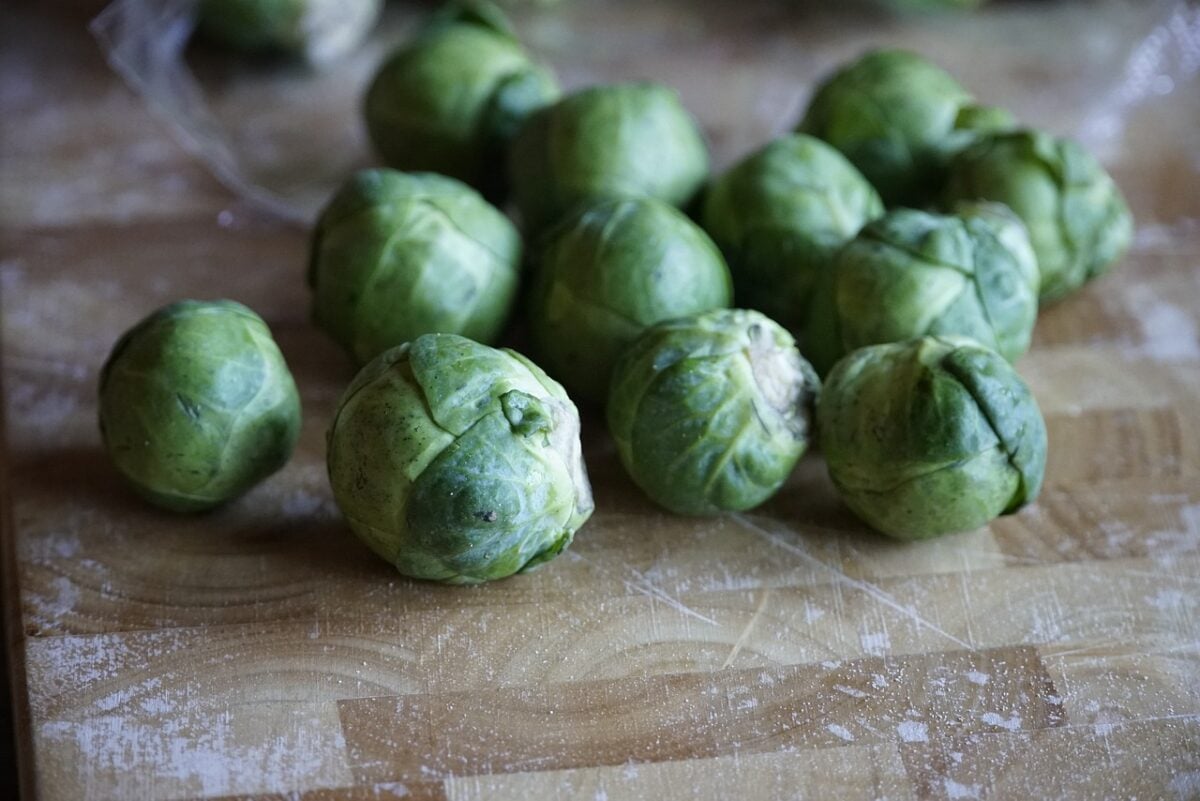
Brussels Sprouts (Fresh vs Frozen)
Fresh sprouts are the foundation of a crispy result. They roast dry and brown properly because their exterior isn’t coated in ice crystals and extra moisture.
Frozen sprouts release more water as they heat, which can steam the pan and lead to limp, soggy edges. If you must use frozen, thaw completely and pat bone-dry, but fresh is strongly recommended for crispiness.
Oil Type (High Smoke Point)
Use a neutral, high-smoke-point oil like avocado, grapeseed, or light olive oil. These tolerate the high roasting temperature without burning, allowing deep caramelization.
Avoid extra-virgin olive oil or butter alone in the pan. They smoke sooner and can scorch the sprouts before they are properly crisp.
Seasoning Essentials
At a minimum, use fine salt and freshly ground black pepper. Salt draws surface moisture and enhances browning.
You can add garlic powder, smoked paprika, or a pinch of cayenne for extra depth. But don’t over-spice; the roasting process and glaze provide most of the signature flavor.
Sweetener Options for the Glaze
Typical sweet components include honey or brown sugar. Honey dissolves easily and adds moisture; brown sugar creates a deeper caramel note.
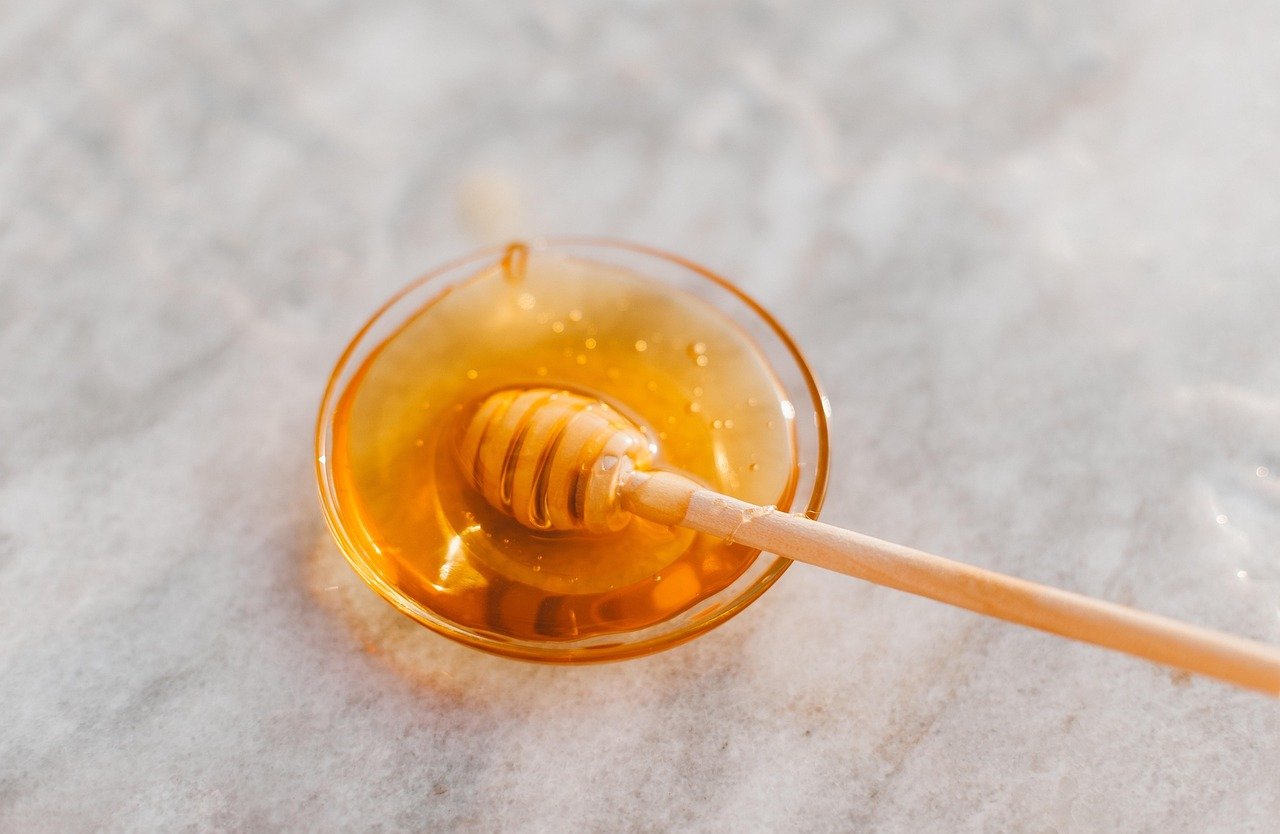
Maple syrup is a fine swap if you prefer a vegan option. Avoid liquid sweeteners that are too thin (like plain sugar syrups), as they can make the sauce too wet.
Umami Boosters
A small splash of reduced-sodium soy sauce, tamari, or Worcestershire sauce deepens flavor and balances sweetness. These are optional but effective for that umami punch reminiscent of restaurant sides.
Pan Capacity Guide
A standard 11×17″ rimmed baking sheet comfortably holds 1 lb (450 g) of halved Brussels sprouts in a single layer. If you’re doubling the recipe, use two sheet pans or roast in batches; crowding the pan leads to steaming and soggier results.
When in doubt, prioritize choices that reduce moisture and support crisp edges and tender centers. That’s what makes this copycat truly sing.
Before You Start (Quick Success Tips)
These pre-roast habits prevent common mistakes and help you get crispy results on the first try:
- Dry Thoroughly: Moisture is the enemy of crispiness; pat sprouts bone-dry.
- Don’t Overcrowd the Pan: Give each piece room, so air circulates.
- Preheat the Sheet Pan: A hot surface kick-starts caramelization.
- Glaze Goes on After Roasting: Adding sauce early traps steam and softens edges.

Printable Red Lobster Brussels Sprouts Recipe Card
Equipment
- Sheet Pan (11×17 In Rimmed Baking Sheet)
- Large Mixing Bowl
- Parchment paper (Optional)
Ingredients
- 1 lb fresh Brussels sprouts trimmed and halved
- 2 tbsp high-smoke-point oil (avocado or grape-seed)
- ½ tsp fine salt
- ¼ tsp freshly ground black pepper
For the Sweet-Savory Glaze
- ¼ cup honey or maple syrup
- 2 tbsp reduced-sodium soy sauce or tamari
- 1 tsp garlic minced
- ½ tsp grated ginger for depth Optional
Instructions
- Preheat the oven to 425°F (220°C) on the center rack with a sheet pan inside to warm.
- Prep Sprouts: Trim ends, halve, and pat very dry.
- Season & Spread: Toss sprouts with oil, salt, and pepper. Spread cut-side down in a single layer, no overcrowding.
- Roast: Bake for 25–30 minutes, and turn once halfway. Look for deep caramelization and crispy edges.
- Make the Glaze: While sprouts roast, whisk honey/maple, soy/tamari, garlic (and ginger) in a small bowl.
- Toss After Roasting: Remove sprouts, transfer to a bowl, then toss with glaze while still hot. This ensures sauce clings without steaming.
- Serve immediately for the crispiest texture.
Notes
Nutrition Estimate (Per Serving)
Based on typical Red Lobster crispy Brussels sprouts side:- Protein: ~11–12 g
- Fat: ~17 g
- Carbohydrates: ~48 g (including ~19 g sugars)
- Fiber: ~11 g
- Sodium: Varies with soy sauce choice
Nutrition
Equipment
- Sheet Pan (11×17 In Rimmed Baking Sheet): essential for even roast and airflow:
- GoodCook BestBake 11″ × 17″ Non-Stick Baking Sheet: It provides durable, even heating for high-heat roasting.
- SAVEUR SELECTS Set of 2 Rimmed Baking Sheets (11″ × 17″ & 9″ × 13″): Its non-stick, warp-resistant carbon steel makes roasting vegetables easy.
- Large Mixing Bowl: For tossing sprouts with oil and glaze
- Parchment Paper (Optional): For easier cleanup and crisp edges
Why These Taste Like Red Lobster’s (How the Restaurant Does It)
You’ve seen the recipe card and key ingredients that make this copycat version work. If you love restaurant copycat recipes, don’t forget to save it or print it for later; the timing tips alone make a huge difference.
Let’s take a closer look at why these Brussels sprouts taste so close to the ones served at Red Lobster.
Understanding the cooking methods and flavor principles behind the restaurant’s approach will help you roast with confidence and get that signature crispiness every time.
High-Heat Roasting for Maximum Browning
What makes Red Lobster Brussels sprouts distinct is how they’re cooked, not just what’s in them. In restaurant kitchens, sprouts are exposed to high-heat roasting, typically around 425°F (220°C) or higher. This is done to rapidly drive off moisture and trigger chemical browning reactions that deepen flavor and texture.
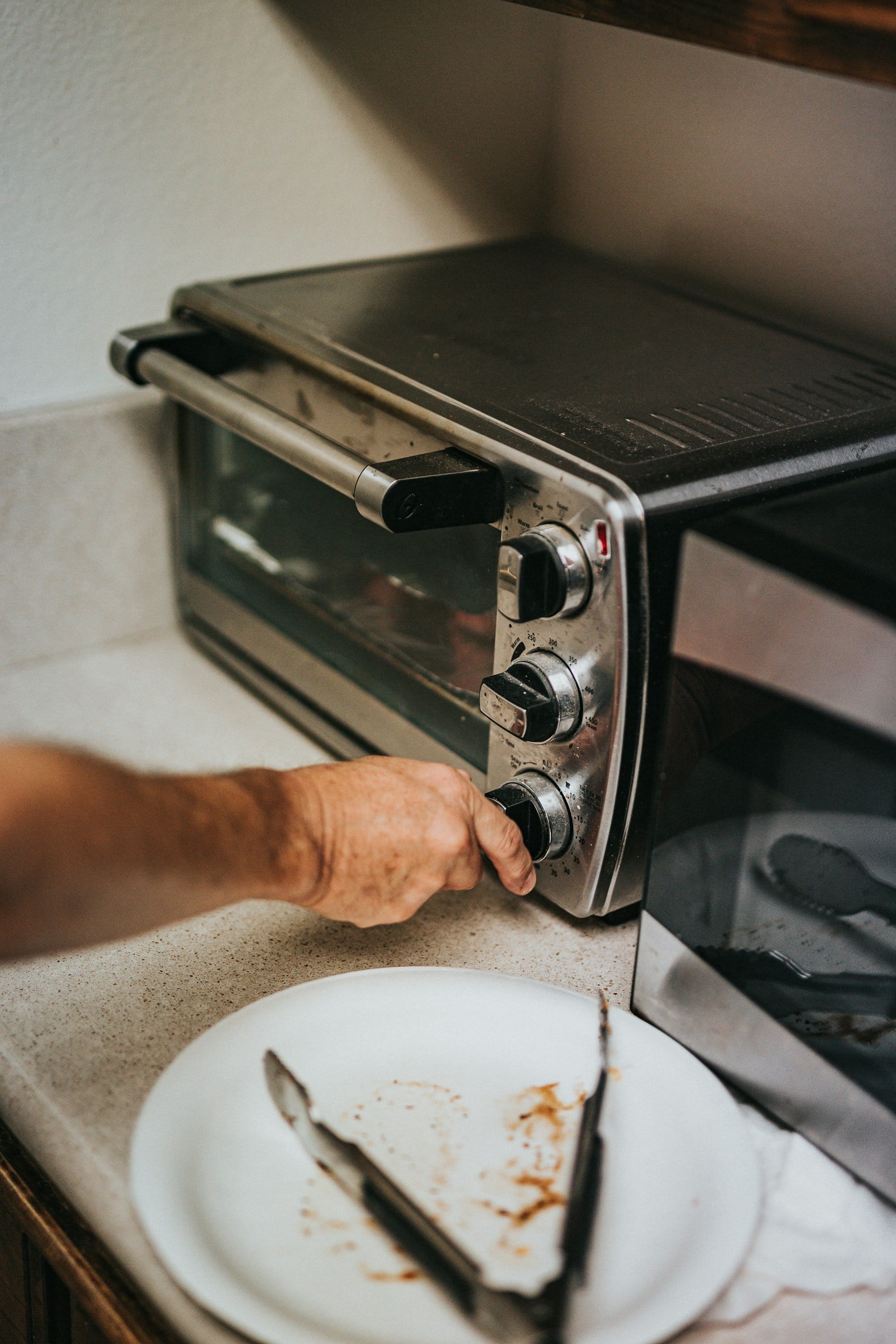
This high heat promotes the Maillard reaction. It’s a non-enzymatic browning process between amino acids and sugars that creates rich color and savory notes that are not achievable at lower temperatures.
Deep Caramelization, Not Steam
Unlike steaming or low-temp cooking, which can make sprouts soft or limp, roasting at high temperature encourages deep caramelization. This produces crispy edges and concentrated flavor as sugars break down and transform into complex aromatic compounds.
Sauce Added After Cooking
At Red Lobster, the sweet-savory glaze, balanced with honey (or maple), garlic, and umami components, is always applied after roasting. So it clings to the crispy surface without steaming the vegetables.
Sweet + Savory Balance
That final glaze combines sweetness with savory depth and a touch of acidity. This creates the signature sweet + savory balance you expect from this copycat recipe; crispy, caramelized, and full of flavor.
Roasting Science (Why 425°F Matters)
Why this works: Roasting at 425°F with dry Brussels sprouts and enough pan space allows moisture to evaporate quickly, triggering browning and deep caramelized flavor instead of steaming.
Before you roast a pan of Red Lobster Brussels sprouts, it’s worth understanding why this recipe calls for a higher oven temperature. Also, it’s important that you know how key factors like heat transfer and pan placement affect crispiness.
Maillard Reaction (The Flavor Powerhouse)
At temperatures around 425°F (220°C), the Maillard reaction accelerates rapidly. As a result, amino acids and natural sugars interact to create deep browning, savory aromas, and complex flavor.
At the same time, surface moisture evaporates quickly, allowing the exterior of the sprouts to dry. With less moisture present, caramelization begins instead of steaming.
What Happens at Lower Temps (Like ~350°F)
By contrast, ovens set closer to 350°F don’t drive off moisture fast enough. Instead, water lingers on the surface of the sprouts, which limits browning reactions.
Consequently, Brussels sprouts roasted at lower temperatures often turn soft and pale rather than crisp and golden.
Pan Spacing & Single-Layer Rule
Beyond temperature, pan spacing plays a critical role. When sprouts are crowded together, evaporating moisture becomes trapped between pieces.
In that situation, the oven environment becomes steamy, preventing proper browning and crisp edges from forming.
Convection vs Standard Ovens
For convection ovens, circulating hot air improves heat transfer across the surface. Therefore, convection users often see faster browning and slightly shorter cook times.
Even so, proper spacing and high heat remain essential regardless of oven type.
Step-by-Step Method
Now that you understand the science behind roasting and have all your ingredients ready, let’s walk through the roasting process. Follow these steps closely to achieve the crisp edges, deep caramelization, and perfect texture that make this Red Lobster Brussels sprouts copycat truly shine.
Step 1: Prep the Sprouts
First, trim the stem ends and remove any loose or yellow outer leaves. Then slice each Brussels sprout in half from top to bottom so the cut side sits flat on the pan.
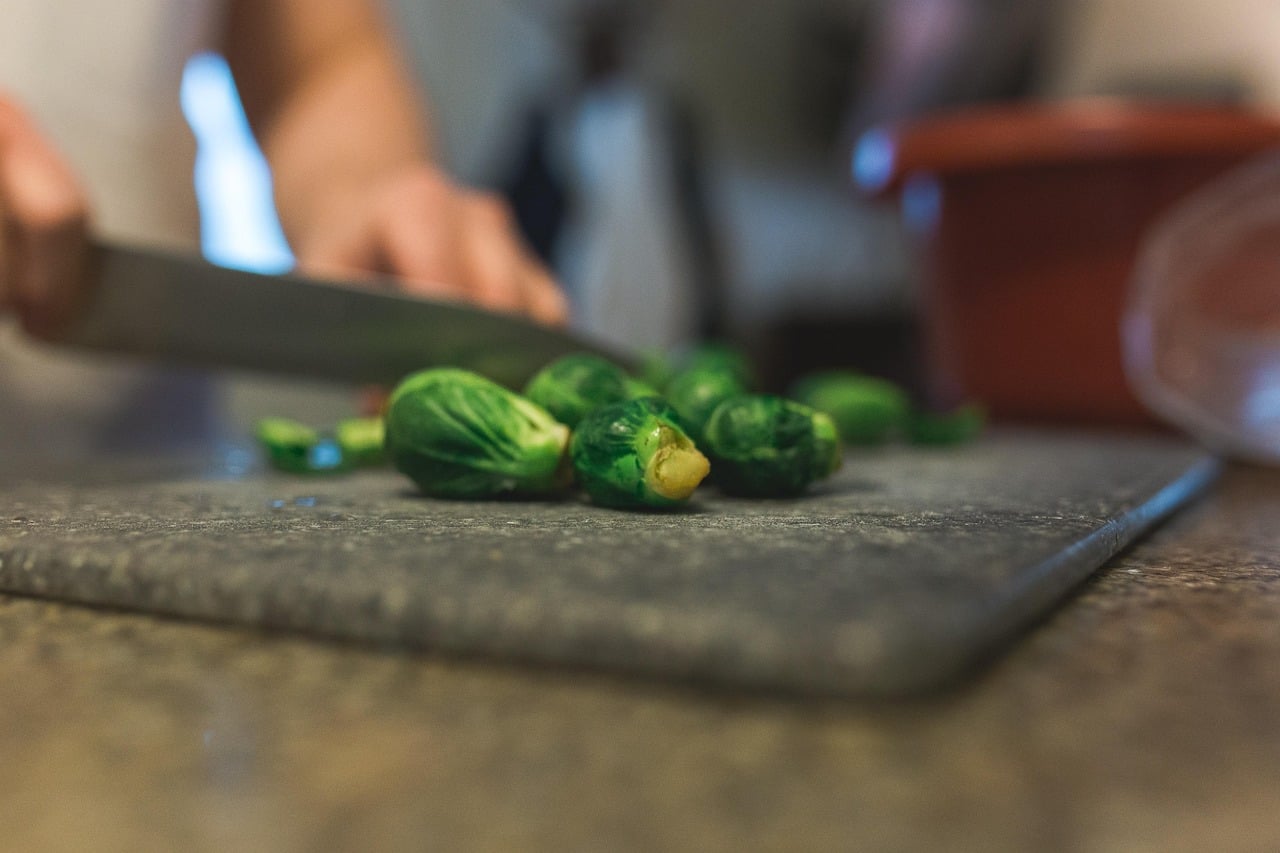
Visual cue: Each half should show tight, compact layers with a clean cut surface.
Next, pat the sprouts completely dry with paper towels. Because moisture creates steam, this step is essential for crisp edges.
Step 2: Preheat the Oven
Meanwhile, position the oven rack in the center and preheat the oven to 425°F (220°C). Place the empty sheet pan inside as the oven heats.
Hint: The oven should feel dry and intensely hot, not just warm.
By preheating the pan, the sprouts immediately begin caramelizing on contact instead of slowly heating up.
Step 3: Season & Space
Once dry, transfer the sprouts to a large bowl. Drizzle with oil and sprinkle evenly with salt and pepper, tossing until lightly coated.
Visual Cue: Each piece should glisten without excess oil pooling in the bowl.
Afterward, arrange the sprouts cut-side down in a single layer on the hot pan. Importantly, leave small gaps between pieces so hot air can circulate.
Step 4: Roast Undisturbed
Carefully slide the pan into the oven and roast for 10 minutes without touching the sprouts.
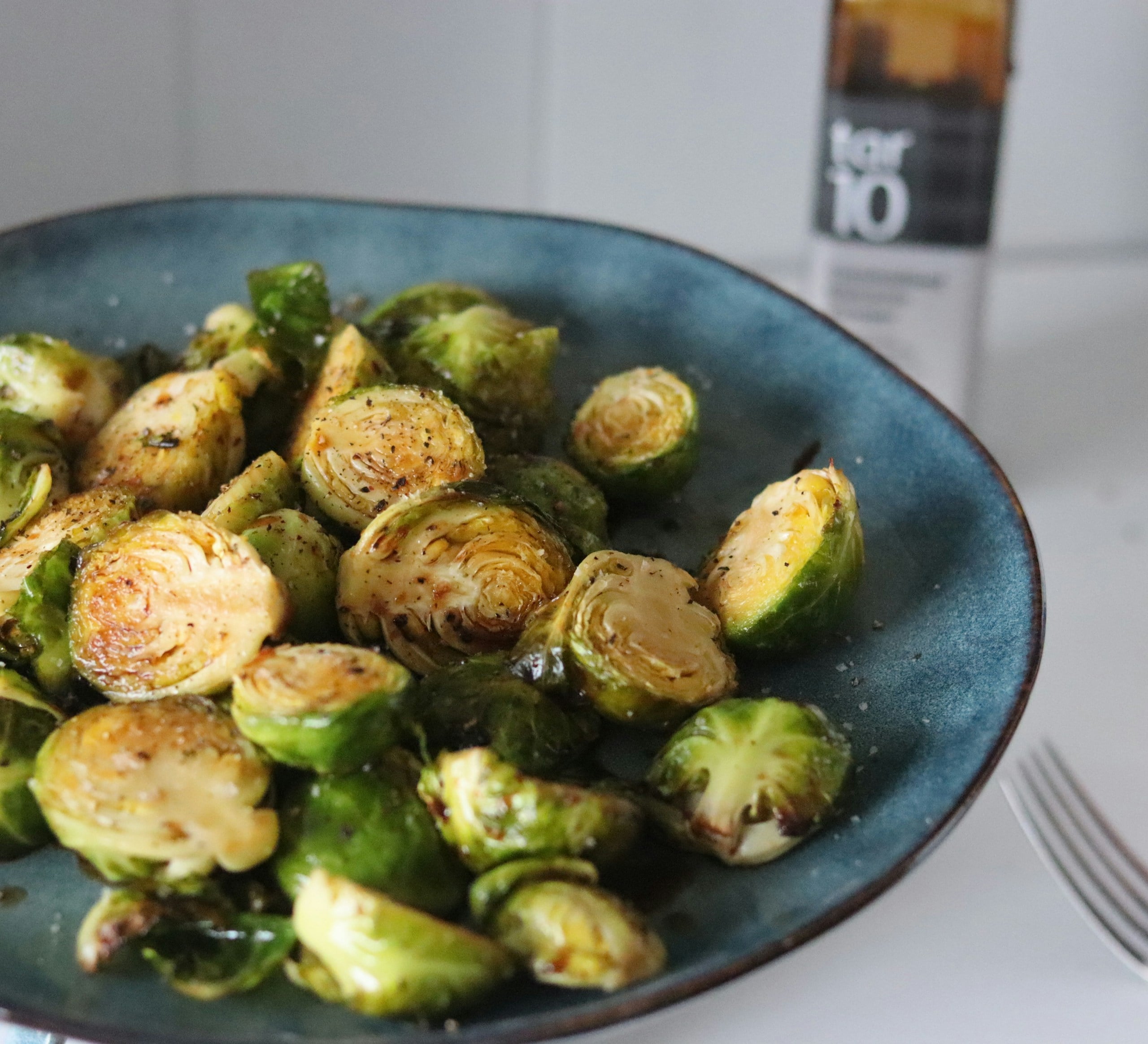
Visual Cue: The edges begin turning golden, and the edges start to brown.
At this point, continue roasting for another 10–15 minutes, watching for deeper color.
Step 5: Flip or Not
At around the 20-minute mark, check the underside. If one side is much darker, flip the sprouts for even browning. Otherwise, leave them undisturbed.
Visual Cue: Both sides show caramelized patches with crisp edges.
Step 6: Make the Glaze
While sprouts finish roasting, whisk together your sweet-savory glaze (honey/maple, soy/tamari, garlic).
Visual Cue: The mixture should be glossy and slightly thick, not watery, so it clings to the sprouts.
Step 7: Toss After Roasting
Immediately after removing the sprouts from the oven, transfer them to a bowl. Then pour the glaze over the hot sprouts and toss gently.
Visual Cue: The glaze clings lightly without pooling at the bottom.
Step 8: Final Texture Check
Finally, inspect the texture before serving.

You’re done when:
- Exterior: deeply browned and crisp
- Interior: tender but not mushy
If needed, return the pan to the oven for 2–3 additional minutes.
The Sweet & Savory Glaze Explained
Key takeaway: The glaze is added after roasting, so it coats crisp, caramelized sprouts, adding shine and flavor without softening the texture.
Once your sprouts come out of the oven deeply browned and crisp, the final step that transforms them into true Red Lobster Brussels sprouts is the glaze. This sauce is a quick flavor coating that enhances caramelization, not covering it up.
Sweetness Source
Honey or brown sugar provides the signature sweet note and helps the glaze cling. Honey creates a glossy finish, while brown sugar adds a deeper, slightly molasses-like richness.
Acidity for Balance
A small splash of soy sauce, tamari, or balsamic adds gentle acidity and saltiness. This cuts through the sweetness and keeps the dish from tasting flat or overly sugary.
Garlic Handling
Use fresh minced garlic, but add it to the glaze, not the pan. Garlic burns quickly in high heat, turning bitter. Mixing it into the sauce keeps the flavor mellow and aromatic instead.
Thickening & Timing
Simmer briefly until the glaze looks slightly thick and syrupy, not watery. Then toss it with the sprouts after roasting only. Adding sauce earlier traps steam and leads to sogginess.
If you enjoy sauces that balance sweet and savory like this, you might also like our honey-garlic style vegetable dish. This recipe uses a similar flavor approach for roasted veggies.
Applied at the right moment, the glaze lightly coats the crisp edges instead of softening them. It locks in that glossy, restaurant-style finish.
Crispy Texture Guide (What “Done” Looks Like)
To really nail this Red Lobster Brussels sprouts copycat, it helps to know exactly what finished texture you’re aiming for. These visual cues take the guesswork out of roasting and reduce the chance of soggy feedback or “too soft” comments.
Here’s what “done” should look like:
Dark Caramelized Edges
Visually, the cut sides should show deep golden-brown to dark caramel patches. Rather than appearing pale or yellow, the edges should look richly roasted.
Because browning equals flavor, deeper color usually means better taste.
Crisp Bottoms
Underneath, the flat sides should lift cleanly from the pan with a light crunch. If they stick or feel soft, more roasting time is needed.
In most cases, crisp bottoms indicate that moisture has evaporated properly.
Glossy, Not Wet Glaze
Once glazed, the sauce should cling lightly to the sprouts instead of pooling at the bottom of the bowl.
If excess liquid collects, the glaze was either too thin or added too early.
Fork-Tender Interior
Inside, the centers should be tender when pierced with a fork but still hold their shape.
Rather than collapsing or turning mushy, the interior should remain structured and moist.
Altogether, the ideal Brussels sprout has crisp, browned edges and a tender interior with a light, glossy coating. When all of these cues appear at once, the sprouts are ready to serve.
Do you want another example of roasted veggie texture? Our Brussels sprouts au gratin recipe shows how caramelization transforms sprouts when roasted properly.
Troubleshooting: Fix Common Brussels Sprouts Problems
Quick tip: Most Brussels sprout issues come from low oven heat, excess moisture, or overcrowding the pan, not the seasoning or glaze.
Did your Brussels sprouts come out a little off? This quick troubleshooting guide walks you through common problems and easy fixes so your batch doesn’t go to waste.
Not Crispy
- Cause: Excess surface moisture or crowding on the pan.
- How to Fix It: Ensure sprouts are very dry before roasting and arranged in a single layer with space between halves.
- How to Prevent it: Pat dry thoroughly, space evenly, don’t stack pieces.
Bitter Flavor
- Why it happens: Over-roasting, especially of garlic or sulfide compounds typical in crucifers (bitter elements found in Brassica species).
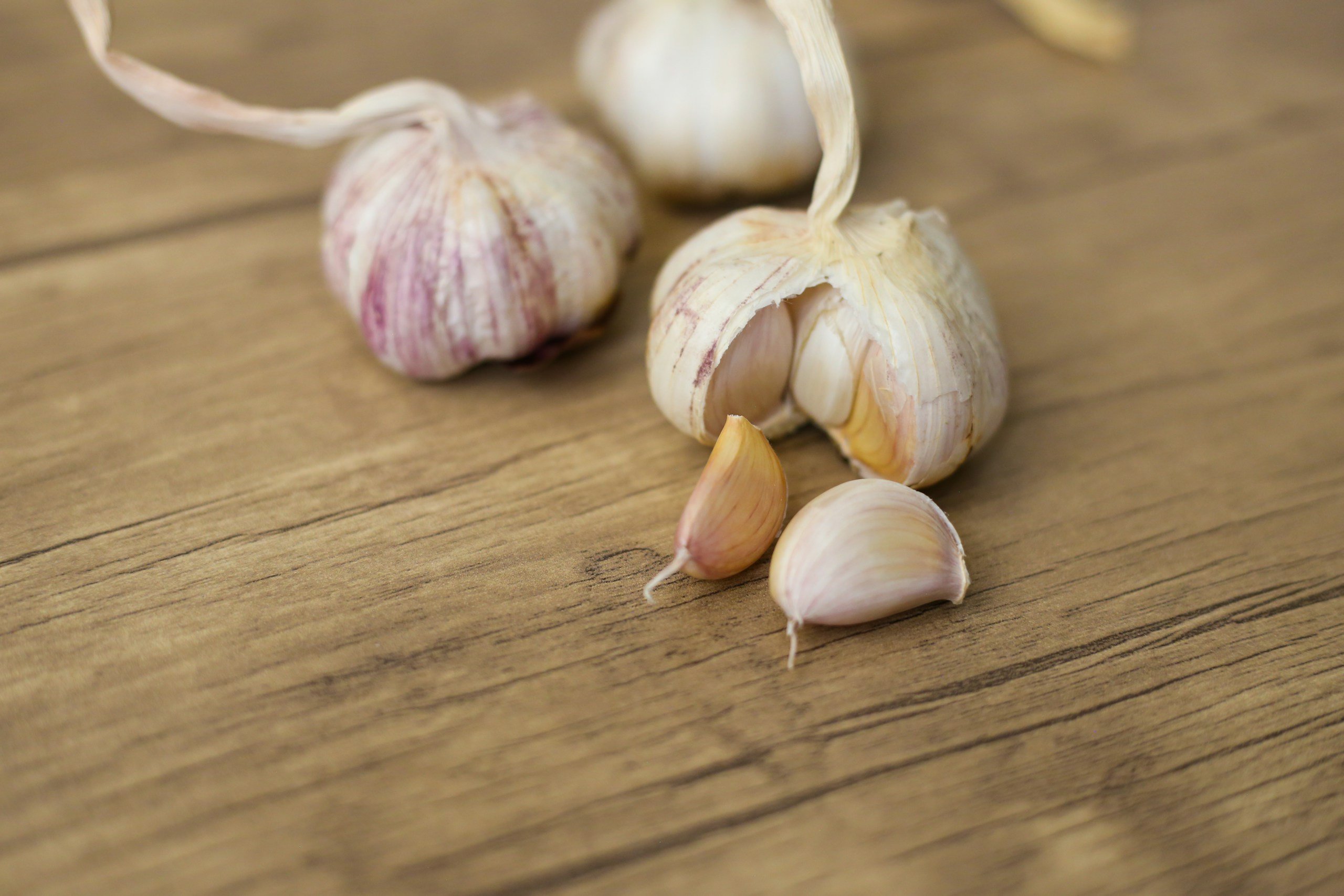
- How to fix it: Reduce roasting time slightly and add garlic to the glaze instead of directly on the pan.
- How to prevent it: Moderate seasoning; taste garlic before using.
Burnt Edges
- Why it happens: Oven too hot or uneven pan positioning.
- How to fix it: Lower the rack slightly or reduce oven heat by 15–25°F if your oven runs hot.
- How to prevent it: Rotate the pan halfway and monitor browning at the 20-min mark.
Watery Sauce
- Why it happens: Adding glaze too early or glaze too thin.
- How to fix it: Heat glaze until slightly syrupy, then toss after roasting only.
- How to prevent it: Don’t pour sauce on before roasting; it creates steam and sogginess.
Mushy Inside
- Why it happens: Low heat or an overcrowded pan leads to steaming rather than roasting.
- How to fix it: Raise oven temp and spread sprouts out.
- How to prevent it: Roast at 425°F (220°C) in a hot oven.
Overcrowded Pan
- Why it happens: Too many sprouts on the sheet.
- How to fix it: Use two pans or roast in batches.
- How to prevent it: Keep pieces separate so hot air circulates around each one.
Variations & Dietary Swaps
Once you’ve mastered the basic Red Lobster Brussels sprouts method, it’s easy to make it your own. These simple variations work for different preferences while keeping that crave-worthy flavor and texture.
Air Fryer Method
Roast at 400°F (200°C) for 12–15 minutes, shaking the basket halfway. This speeds crisping but still delivers caramelized edges.
Vegan Glaze
Swap honey for pure maple syrup and use tamari instead of soy sauce for a plant-based sweet-savory balance.
Extra Spicy
Add a pinch of red pepper flakes or a drizzle of sriracha into the glaze. A layer of heat pairs surprisingly well with the caramel notes.
Bacon-Free Umami Boost
Stir in a teaspoon of miso paste or a sprinkle of nutritional yeast into the glaze for savory depth without animal products.
Honey-Free Version
Use brown sugar or coconut sugar in place of honey; these give a deeper caramel flavor while preserving crispiness.
Storage, Reheating & Make-Ahead Tips
Before you serve, and even after you’ve enjoyed these Red Lobster Brussels sprouts, there are some things you should know. The few smart storage and reheating habits below will help maintain that crisp, caramelized texture without disappointment.
Fridge Life
Store leftover sprouts in an airtight container in the refrigerator for up to 3–4 days. Let them cool completely before sealing to avoid trapped steam.
Best Reheating Method
For best results, reheat in a preheated oven at 350°F (175°C) for 8–10 minutes or in an air fryer at 360°F (182°C) for 5–7 minutes. These dry-heat methods revive crispness and preserve the glaze.
Avoid Microwave Sogginess
Microwaves introduce steam, which undoes the crispy edges you worked for, so steer clear of them for reheating.
Make-Ahead Prep Tips
You can trim and halve fresh sprouts a day in advance and store them in a sealed container in the fridge. Pat them dry just before roasting to keep moisture down and crispiness high.
What to Serve With Red Lobster Brussels Sprouts
These crisp, caramelized sprouts pair beautifully with a range of mains:
- Herb-roasted chicken or turkey
- Grilled steak or pork chops
- Seared salmon or shrimp
- Creamy mashed potatoes or cauliflower mash
- Quinoa or grain bowls for a balanced plate
Frequently Asked Questions
Here are quick answers to common questions so you can make and enjoy these Red Lobster Brussels sprouts with confidence. Have a tip, tweak, or question of your own? Share it in the comments and join the conversation.
What temperature works best for Red Lobster–style Brussels sprouts?
In this copycat version, we roast at 425°F (220°C) on the center rack. High heat is key for caramelization and crisp edges, not steaming.
Why are my Brussels sprouts sometimes bitter?
Bitterness usually comes from under-roasting or excess moisture. High heat and full caramelization mellow bitterness and bring out natural sweetness.
Can I use frozen sprouts?
Yes, you can roast frozen Brussels sprouts, but they won’t crisp up as much as fresh ones because they release more moisture. If using frozen, thaw and dry thoroughly before roasting to improve browning.
Are they vegetarian?
Yes, this roasted, glazed Brussels sprouts recipe is vegetarian. Just be mindful of your glaze and toppings (e.g, vegan soy sauce or tamari, keep it fully plant-based).
Can I double the recipe?
Yes, but avoid piling sprouts in one pan. To preserve crispiness:
- Use two sheet pans, or
- Roast in batches so each sprout gets airflow.
Related Recipes You’ll Love
Would you like to round out your meal or explore other ways to enjoy roasted veggies and Brussels sprouts? Here are some of our highly relevant recipes that pair beautifully with your Red Lobster Brussels sprouts or help you discover new side-dish inspiration:
- Brussels Sprouts au Gratin (Keto Option): A cheesy, oven-baked side that still lets sprouts shine.
- Brussels Sprout, Sweet Potato & Chickpea Sheet Pan Dinner: A hearty one-pan meal combining sprouts with sweet potato and chickpeas.
- Oven Roasted Veggie Bowl with Miso Dressing: A colorful roasted vegetable bowl that includes Brussels sprouts.
- Warm Winter Salad: Roasted Brussels sprouts with squash and beets in a seasonal salad.
Whether you’re building a full meal or just switching up your side dishes, these recipes make it easy to keep Brussels sprouts (and roasted veggies) in heavy rotation.
Let’s Hear from You!
Did these Brussels sprouts turn out crispy for you? Leave a quick comment with your results or tweaks, I read every one.