There’s something irresistible about a soft lemon cookie. It’s buttery, tender, perfectly chewy around the edges, and packed with bright citrus flavor that tastes like summer in every bite. That’s what makes Panera’s Lemon Drop Cookie so loved. And that’s why I needed to recreate it.
Unlike crisp sugar cookies or heavily frosted treats, these cookies have a delicate, melt-in-your-mouth texture with a fresh lemon flavor that feels light, refreshing, and perfect any time of year.
Table of Contents
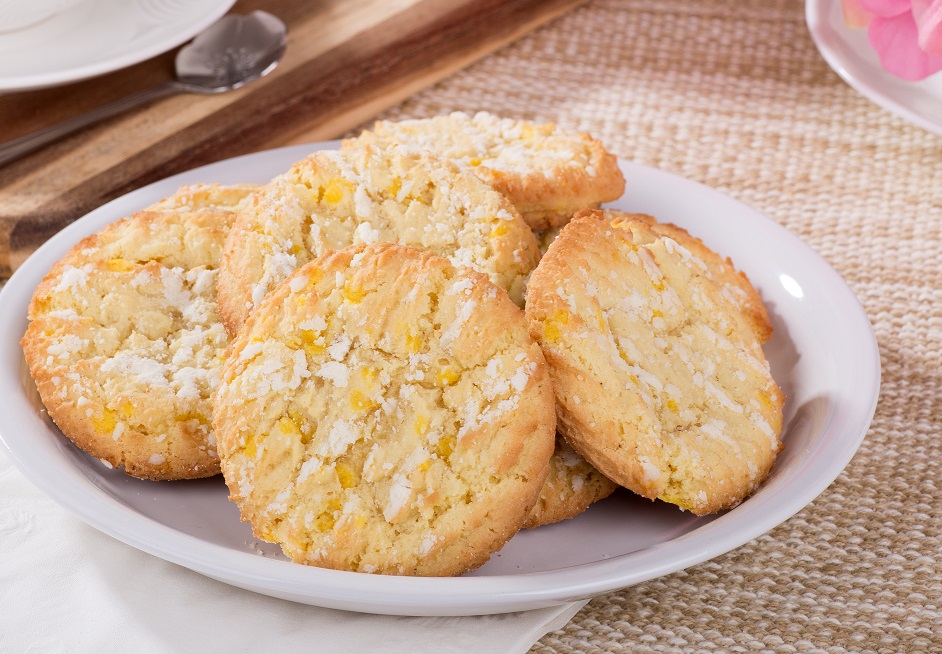
The secret to their incredible texture comes from a combination of butter, just the right amount of moisture, and careful baking. Pulling the cookies from the oven while the centers still look slightly underdone allows them to finish baking on the hot pan, creating that signature soft bite that stays tender for days.
Plus, the combination of fresh lemon zest and lemon juice adds a perfect tanginess to these cookies that balances the sweetness without becoming sour. This copycat recipe was developed to get that balance just right.
So if you’ve ever been disappointed by lemon cookies that barely taste like lemon or turn out dry and cakey, this recipe solves both problems. By focusing on fresh citrus, proper mixing, and careful baking, you’ll end up with cookies that stay soft, flavorful, and bakery-worthy every single time. Let’s get started!
Want our human-written content to rank above AI-generated garbage? Help us out by clicking this button!
What Is a Panera Lemon Drop Cookie?
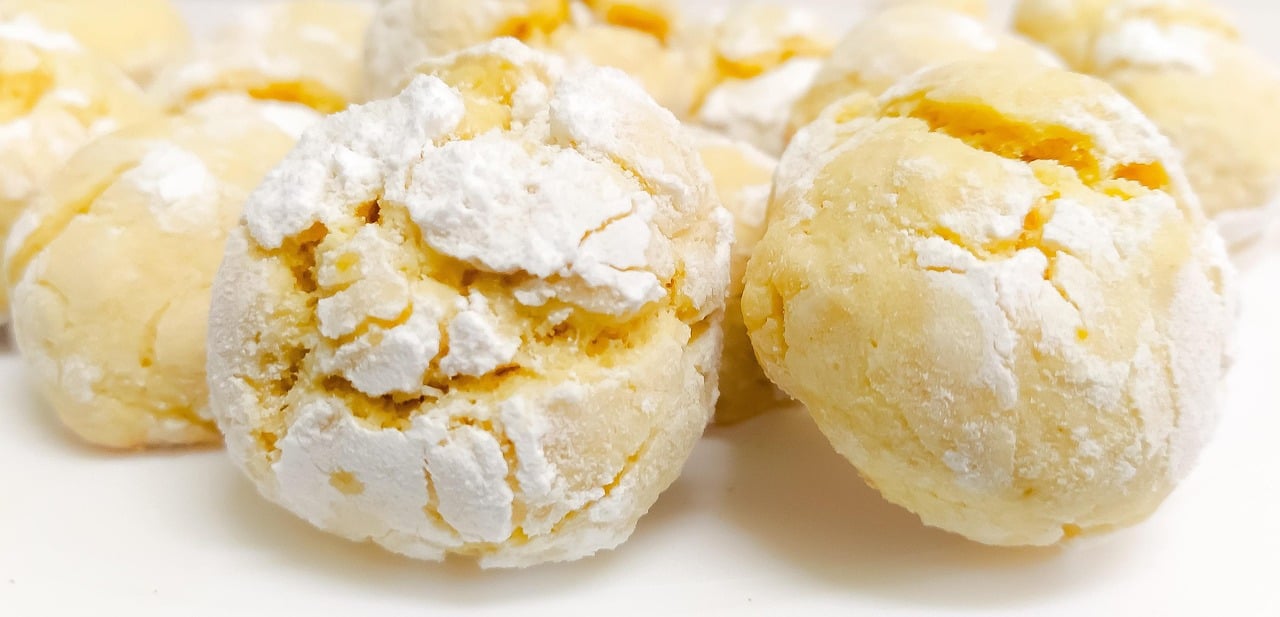
A Panera Lemon Drop Cookie is a soft, bakery-style cookie with bright citrus flavor and no harsh acidity. It has a tender, slightly cakey center, lightly chewy edges, and a crackly sugar finish.
Unlike crisp lemon shortbread, it balances structure and softness. White chocolate adds sweetness without overpowering the citrus, creating a cookie that’s aromatic, balanced, and bakery-level tender.
How It Differs from Other Lemon Cookies
The Panera style focuses on aromatic zest and controlled texture — not just sweetness or acidity.
- Compared to sugar cookies: Less dense and more citrus-forward, with a crackly sugar top and brighter lemon aroma.
- Compared to lemon crinkle cookies: Softer and more structured, with balanced chew instead of a puffy, cake-like interior.
- Compared to standard lemon cookies: Uses fresh zest for flavor rather than heavy lemon juice, which prevents excess acidity and structural weakening.
The result is a lemon cookie that tastes bright and fragrant, not sharp or overly sweet.
Why This Copycat Recipe Works
This recipe is designed to control structure, flavor, and moisture — not just add lemon to sugar cookie dough.
Texture
Butter and sugar create lift and tenderness when properly creamed. Cornstarch limits gluten development, producing a softer crumb and controlled spread. Butter fat solidifies at cooler temperatures and melts during baking, helping trap air and create a tender interior with lift rather than a flat, greasy spread.
Flavor
Lemon zest provides aromatic citrus oils without excess acidity. Sugar balances bitterness, and vanilla adds depth.
The result is a lemon flavor that tastes bright and fragrant instead of sharp or sour, a difference supported by research showing that citrus aroma compounds in the zest deliver flavor without the harshness of added acid.
Moisture
Butter, eggs, and sugar help retain moisture and slow drying. Balanced ratios prevent excessive spread, keeping the cookies soft in the center with lightly set edges.
The same texture principles used here also create the soft, bakery-style crumb in our Panera-Style Cranberry Orange Muffins — where balanced citrus and controlled moisture make all the difference.
Ingredients at-a-Glance
Here’s what you’ll need to make these cookies at home, no trips to Panera necessary!
- Butter
- Granulated Sugar
- Egg
- All-Purpose Flour
- Cornstarch
- Salt
- Lemons (for juice & zest)
- Vanilla Extract
- White Chocolate Chips/Chunks
Measurements for each ingredient, along with instructions for making Copycat Panera Lemon Drop Cookies, are in the printable recipe card below.
Essential Cooking Tools You Need
To bake consistent, bakery-style Panera Lemon Drop Cookies, having the right tools makes a real difference. The following are the essentials you’ll want on hand:
- Baking sheet/tray — A quality rimmed cookie sheet provides even heat and safe handling in and out of the oven.
- Silicone baking mat — Nonstick surface that promotes even baking and easy cleanup.
- Cookie scoop — Helps portion uniform dough balls for consistent bake times.
- Silicone spatula set — Essential for scraping bowls and folding ingredients cleanly.
- Mixing bowls — A set of bowls for whisking dry ingredients and combining wet components.

Printable Panera Lemon Drop Cookies Recipe Card
Ingredients
- 1½ cups all-purpose flour (180 grams)
- ¼ cup cornstarch (28 grams)
- ½ tsp Baking Soda
- ¼ tsp Kosher salt
- ½ cup unsalted butter room temperature
- 1¼ cups granulated sugar (250 grams)
- 1 large egg room temperature
- 2 tsp fresh lemon zest
- 2 tbsp fresh lemon juice
- ½ tsp vanilla extract
- ½ cup white chocolate chips or chunks
- ¼ cup Powdered sugar for dusting
Instructions
- Preheat & Prep: Preheat the oven to 350 °F (175 °C) and line baking sheets with parchment paper.
- Mix Dry Ingredients: In a medium bowl, whisk together flour, cornstarch, baking soda, and salt. Then, set it aside.
- Cream Butter & Sugar: In the bowl of a stand mixer (or with a hand mixer), mix cream butter and granulated sugar until they are light and fluffy, for about 2–3 minutes.
- Add Wet Ingredients: Add the egg, lemon zest, lemon juice, and vanilla extract. Make sure you mix them until they are fully combined.
- Combine Dry + Wet: Slowly add the dry ingredients to the wet, mixing on low until just combined. But avoid over-mixing
- Add Mix-Ins: Stir in the white chocolate chips until evenly distributed.
- Scoop Dough: Using a ¼-cup scoop (or dough scoop), place rounded balls of dough about 2 inches apart on prepared baking sheets. L
- Bake: Bake at 350 °F for 12–15 minutes, until the edges are just beginning to turn golden.
- Cool & Garnish: Let cookies cool on the baking sheet for 5 minutes, transfer to a rack, then dust lightly with powdered sugar once fully cooled.
Notes
- For evenly sized cookies, weigh dough balls at ~55 g each.
- Don’t skip the powdered sugar because it gives the classic bakery finish.
- If you like a bit more lemon punch, add an extra teaspoon of zest; texture will stay soft.
How to Get a Stronger Lemon Flavor
If you want your lemon drop cookies to really stand out, a few small adjustments can dramatically increase the citrus intensity. Most of the flavor comes from the zest and how you use it rather than adding more liquid, so focusing on how you use the lemon makes a big difference.
Use Fresh Lemon Zest Generously
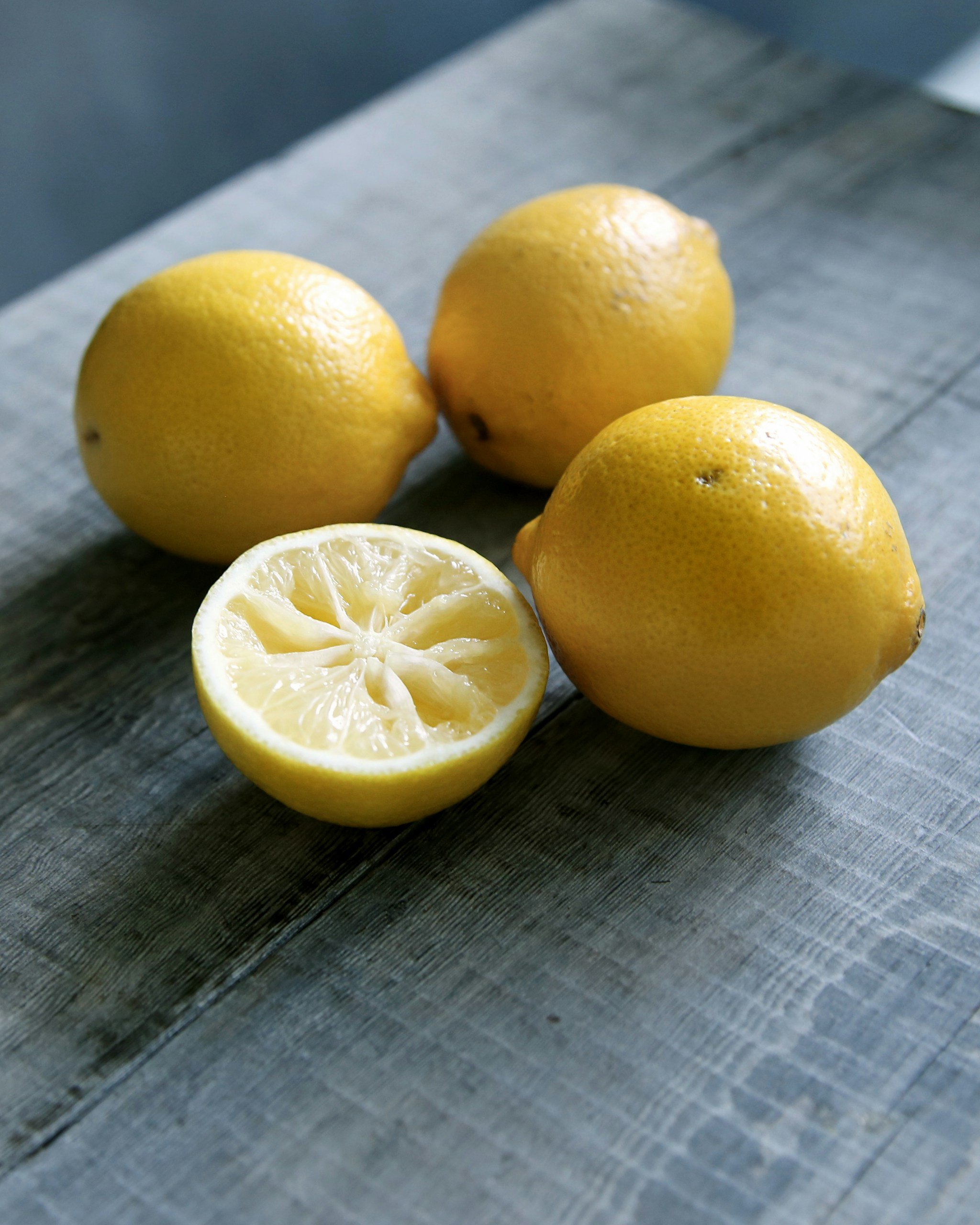
The zest is the most powerful source of lemon flavor because it contains the natural essential oils. Make sure to grate only the yellow outer layer, avoiding the white pith, which can taste bitter, and don’t be afraid to add some extra!
Rub the Zest into the Sugar
Before creaming the butter and sugar, rub the zest into the sugar with your fingertips. This releases the oils from the zest and infuses the entire dough with a stronger, more aromatic lemon flavor!
Always Use Fresh Lemon Juice
Freshly squeezed juice offers a brighter, cleaner taste than bottled juice. While bottled lemon juice works in a pinch, it won’t deliver the same taste as fresh citrus.
Add a Small Amount of Lemon Extract (optional)
For extra intensity, add ¼ to ½ teaspoon of lemon extract. Lemon extract is quite strong, so a small amount is enough to enhance the flavor without making the cookies taste artificial.
Add a Lemon Glaze
Instead of powdered sugar, finish these cookies with a simple lemon glaze made from powdered sugar and lemon juice, which adds another layer of citrus flavor. Just whisk together those two ingredients until you get a thin icing to drizzle over your cooled cookies!
These simple techniques will help you achieve the bold, bakery-style lemon flavor that makes each bite better than the last.
Step-by-Step Instructions
Now that you know why this Panera Lemon Drop Cookie formula works, let’s teach you to bake one step at a time.
Step 1: Prepare Equipment & Ingredients
Set the oven to 350 °F (175 °C). Line a baking sheet with parchment or a silicone baking mat so cookies don’t stick. The surface should be smooth, not wrinkled. Then, arrange ingredients in measuring cups so you can add them without pausing.
Step 2: Combine Dry Ingredients
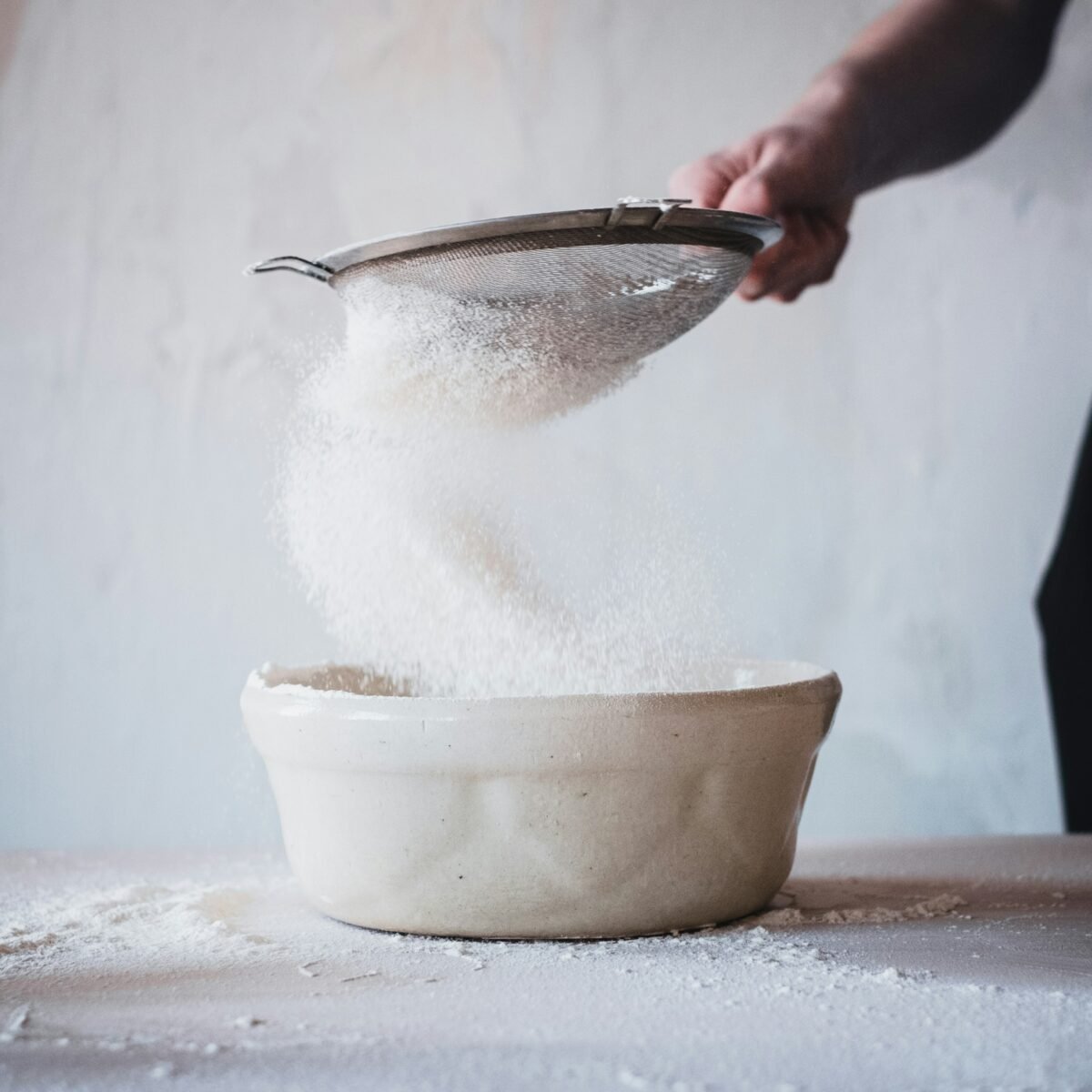
In a medium bowl, whisk flour, cornstarch, baking soda, and salt until they are uniformly pale. You want no streaks or clumps, so the mixture should look consistent and slightly powdery.
Step 3: Cream Butter & Sugar to Aerate
In a clean mixing bowl, beat softened butter with sugar on medium speed. Stop when the mixture lightens in color and puffs slightly; this takes about 2–3 minutes.
The sugar granules should be mostly dissolved, and the texture should look airy, not greasy.
Step 4: Incorporate Wet Flavors
Add egg, lemon zest, lemon juice, and vanilla to the creamed mixture. Mix until smooth and homogenous.
The mixture should be glossy with visible lemon zest speckles evenly distributed.
Step 5: Integrate Dry Into Wet
Reduce the mixer speed and slowly add the dry ingredients. Stop mixing as soon as the dough looks cohesive.
Avoid over-mixing at this stage. The dough should pull away from the bowl sides and form a soft mass, not stretch like dough for bread. Stir in the white chocolate chips until evenly distributed.
Step 6: Assess Dough Texture
Using a spatula, fold the dough a few times to check consistency. It should be thick, slightly sticky, and hold its shape when scooped. If it looks too soft and spreadable, chill it for 10–15 minutes to prevent flat cookies.
Step 7: Portion Evenly
Portion the dough into uniform balls using a scoop or scale. Arrange on the baking sheet with about 2 inches between each mound to enable even expansion.
Step 8: Bake With Edge Color Monitoring
Bake for about 12–15 minutes. The edges should have a light golden rim, while the centers still look slightly underdone and soft; they will set as they cool.
Step 9: Immediate Cooling Transition
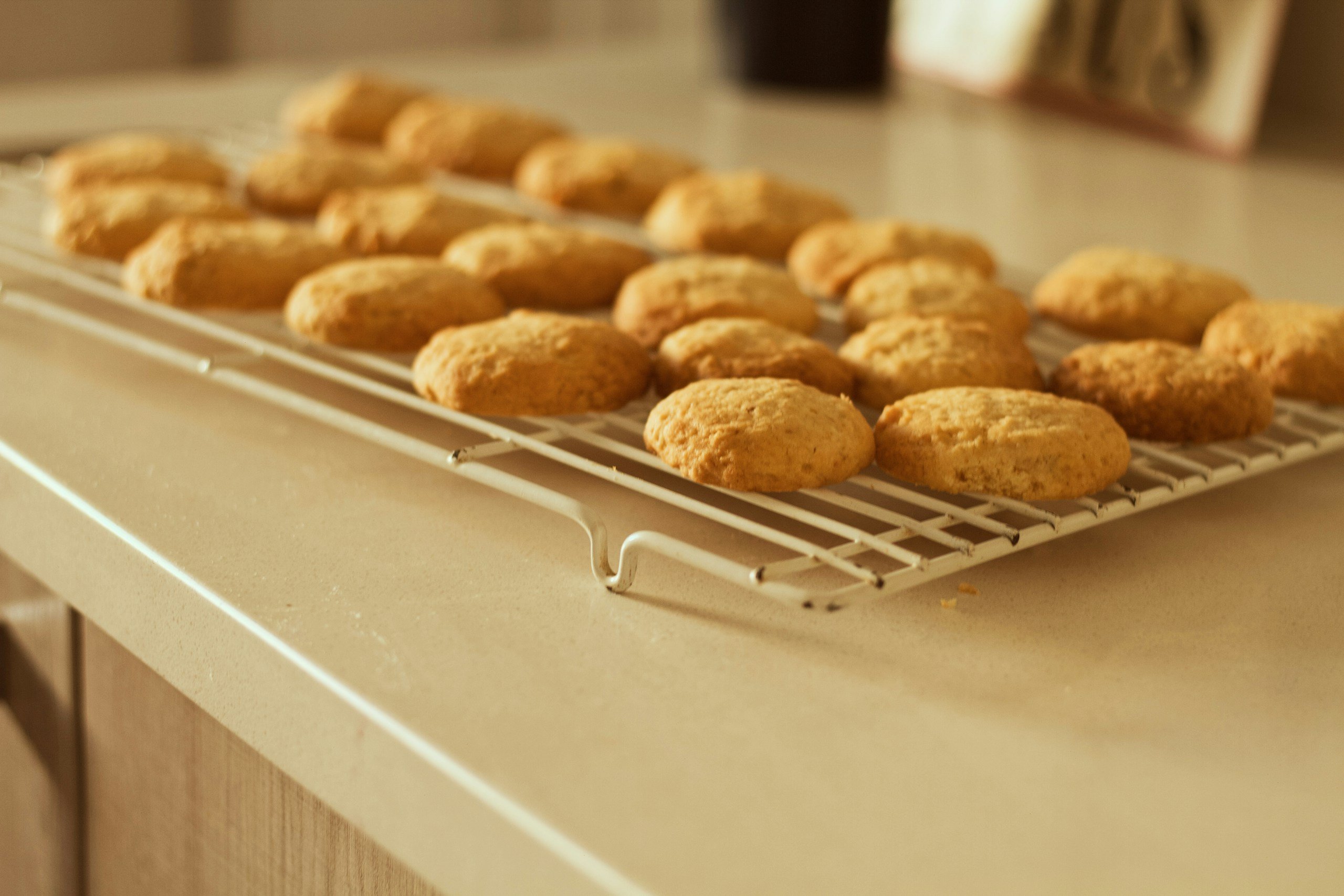
Slide the sheet onto a cooling rack right out of the oven. Let cookies sit undisturbed for 5 minutes to finish setting through residual heat.
Tips for Soft Lemon Drop Cookies
Soft cookies are the result of a few simple baking techniques that make a noticeable difference in the final result of your cookies. Here are some tips to keep in mind with this recipe and anytime you’re making cookies in the kitchen.
Measure Your Flour Properly
Adding even a small amount of extra flour can turn tender cookies into dry, dense ones. For the most accurate results, weigh your flour and other dry ingredients with a kitchen scale that displays weights.
If you don’t have a scale and you’re using measuring cups, fluff the flour first, spoon it into the cup, and level it off with a knife instead of scooping directly from the bag, which can weigh the flour down and result in too much flour in the dough.
Use Room Temperature Ingredients
Room temperature butter and eggs also help create a smoother dough that mixes more evenly. Cold ingredients don’t cream together properly, and butter that is too warm can cause cookies to spread too much during baking.
Extra Tip: If you’ve forgotten to take your butter out of the fridge, a quick way to bring it to room temperature is to dice the butter into small chunks and let it sit out for 10-15 minutes. Small chunks of butter will warm up much faster than a single large block.
Avoid Overmixing
Avoid overmixing once the dry ingredients are added. Mix only until you no longer see streaks of flour. Overworking the dough develops more gluten, which creates a firmer, less tender cookie.
Chill the Dough (if needed)
If your kitchen is warm or your dough feels sticky, chilling it for 20 to 30 minutes can help control spreading once the cookies hit the oven, while also helping the flavors to settle and strengthen. Although this step isn’t required, it often produces thicker, softer cookies with beautifully rounded edges, and is a great extra step if you have the time.
Avoid Overbaking
Finally, pay close attention to baking time. The cookies should look set around the edges while the centers still appear slightly soft. They may even seem a little underbaked when you remove them from the oven, but they’ll continue cooking from the residual heat as they cool on the baking sheet. This is one of the biggest secrets to maintaining that soft, chewy texture for days, not just hours.
Lemon Drop Cookie Variations
Since you’ve mastered the classic Panera Lemon Drop Cookie, check out these creative twists to keep your baking fresh and fun.
- Lemon Glaze Version: Take your cookies to the next level with a simple lemon glaze. Mix powdered sugar with a splash of fresh lemon juice until it’s thin, then drizzle over warm cookies for a glossy, tangy finish that adds an extra boost of citrus flavor.
- Lemon White Chocolate: Fold additional white chocolate chips or chunks into the dough before baking. The creamy sweetness pairs beautifully with bright lemon.
- Mini Bakery-Style Cookies: For small cookies perfect for parties, lunchboxes, and gifting, simply portion the dough into smaller balls and reduce the baking time by a few minutes.
- Switch the Citrus: Swap the lemon for lime, orange, or a combination of them all for a bright and tasty summer treat!

Cookie Troubleshooting
Even simple cookie recipes can occasionally produce unexpected results. Fortunately, most problems have easy fixes.
Spread Too Much/Flat Cookies
If your cookies spread too much, the butter may have been too warm, the dough may not have contained enough flour, or the baking sheet may have been warm from a previous batch. Use room-temperature butter; you should be able to make a slight indent in it with your finger. If it’s too soft, put the butter back in the fridge for a bit before using it.
If you’re baking multiple trays, use separate trays, or allow the tray to cool to room temperature before adding more cookie dough. Finally, if the dough is too sticky and warm, chill the dough for 20-30 minutes before scooping and baking. This can make a huge difference in the final results!
Dry or Crumbly Cookies
If the cookies turn out dry or crumbly, they’re usually overbaked or contain too much flour. Measuring flour carefully and removing the cookies while the centers still appear slightly soft will help maintain a moist, tender texture.
Weak Lemon Flavor
Not getting enough lemon flavor? Increase the amount of fresh zest, use freshly squeezed juice, or add a small amount of lemon extract for extra intensity. Remember that zest contributes a much more concentrated citrus flavor than juice alone.
Storage, Freezing, and Refreshing Tips
Baked with care and full of bright lemon flavor, these cookies deserve proper handling to stay soft and delicious. Are you serving today, saving for later, or prepping ahead? The right storage and timing make all the difference in texture and taste.
Storage: Store the cooled cookies in an airtight container at room temperature for up to 3-4 days.
Tip: Adding a slice of sandwich bread to the container can help retain moisture, as the cookies absorb the bread’s moisture while the bread gradually dries out, helping keep the cookies soft longer.
Freezing: For longer storage, freeze the cooled cookies in a freezer-safe bag or container, separating layers with parchment paper to prevent sticking. They’ll maintain their quality for up to 3 months if properly stored.
You can also freeze the unbaked cookie dough. Scoop the dough into individual portions, freeze until firm, then store the dough balls in a freezer bag. When you’re ready to bake, place them directly onto a baking sheet and simply add an extra minute or two to the baking time. This makes it easy to enjoy freshly baked cookies whenever the craving strikes!
Refreshing: If your stored cookies begin to lose some of their softness, they’re easy to refresh. Microwave your cookie for about 8 to 10 seconds to revive that warm taste and soft texture, or place several cookies in a 300°F oven for just a few minutes.
Lemon Drop Cookies FAQs
Have a question about your Panera Lemon Drop Cookie bake? We’ve got you covered below. Have a specific baking question? Share it in the comments; it may help another reader, too.
Can I Use Bottled Lemon Juice?
You can use bottled lemon juice if it’s what you have on hand, but fresh lemon juice will give your cookies a brighter, more natural citrus flavor. The biggest source of lemon flavor actually comes from fresh lemon zest, so if possible, use fresh lemons for the zest, even if you substitute bottled juice. For the best flavor in these cookies, fresh juice and zest are always the best combination.
Can I Chill Dough Overnight?
Chilling the dough overnight is a great option if you want to prepare the recipe ahead of time. The extra resting time allows the flour to fully hydrate and gives the lemon flavor more time to develop, often resulting in thicker, even-textured cookies. Just cover the dough tightly and let it sit at room temperature for 10 to 15 minutes before scooping if it feels too firm to work with.
Can I Freeze Baked Cookies?
Freezing the baked cookies is a great long-term storage option. Once the cookies have cooled completely, place them in a freezer-safe container or a zip-top freezer bag, separating layers with parchment paper to prevent sticking. They freeze well for up to three months and thaw quickly at room temperature, making them perfect for preparing ahead for holidays, parties, or a homemade treat anytime.
Why Didn’t My Cookies Stay Soft?
The most common reason is overbaking, as even an extra minute or two in the oven can dry out the cookies. Measuring the flour accurately, avoiding overmixing the dough, and storing the cooled cookies in an airtight container will also help keep them soft for several days. For the best results, remove the cookies when the edges are set, but the centers still look slightly underbaked, since they’ll finish baking as they cool.
Why Did the Powdered Sugar Disappear?
It’s completely normal for powdered sugar to seem like it “melts” into warm cookies. The residual heat and moisture from the cookies absorb the sugar, causing it to disappear after a short time. For the prettiest presentation, wait until the cookies are completely cool before dusting them, or add a second light dusting just before serving for a beautiful, dusted finish.
Wrapping Up
Soft lemon drop cookies are the kind of recipe that proves simple ingredients can still create something truly special. With their bright citrus flavor, tender texture, and easy preparation, they’re the perfect treat for both beginner bakers and experienced cookie lovers who want something fresh and reliable.
Whether you prefer a light dusting of powdered sugar, a glossy lemon glaze, or an extra punch of zest, there’s plenty of room to make these cookies your own. Fresh, simple, and consistently satisfying, these cookies are the kind of recipe you’ll find yourself coming back to again and again for anything from parties and gifts to a simple homemade treat just because.
More Copycat Panera Recipes
If you’re craving more café-style treats to bake at home, try these beloved Panera-inspired favorites.
Save your favorites and start building your own Panera-style bakery lineup right at home!
Loved This Recipe?
If these cookies came out soft, bright, and bakery-perfect, share your experience in the comments below. Did you add extra zest? Try the white chocolate version? Your tips, tweaks, and baking results help other readers get the best possible outcome, plus we love seeing how these turn out in your kitchen!