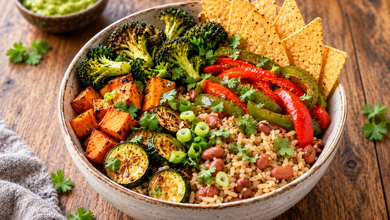
If you’ve ever stared into your fridge wondering how to turn a handful of vegetables into a meal that’s actually satisfying, this Broccoli Sweet Potato Buddha Bowl is about to change that. It’s colorful, nourishing, and packed with bold flavors that prove plant-based meals don’t have to be boring or complicated.
Buddha bowls are loved for a reason; they’re endlessly customizable and easy to prepare. They’re perfect for meal prepping or busy weeknights. This version combines roasted sweet potatoes, tender broccoli, protein-rich chickpeas, and fluffy quinoa. It’s all brought together with warm spices and creamy hummus for a rich, savory finish. Every bite brings a mix of textures and nutrients to your palate that leaves you feeling full and energized from a whole foods meal.
Table of Contents

Everything you’ll find in this recipe below is simple and approachable for the home cook. There are no fussy ingredients or techniques. Whether you’re fully plant-based or simply looking to eat more vegetables, this recipe fits seamlessly into any lifestyle. It’s the kind of recipe that helps you stay consistent with your goals, nourishing your body while still enjoying what you eat.
If you’re craving a meal that’s comforting yet fresh, hearty yet wholesome, and simple enough to make again and again, you’re in the right place. Let’s break down the ingredients and show you exactly how to build this vibrant, satisfying plant-based bowl.
Why You’ll Love This Buddha Bowl
While there are tons of reasons why many others love Buddha bowls, I’ve narrowed the list down to a few of my favorites in case you were having any doubts. Have you made Buddha bowls before? If so, let me know what your favorite reason for enjoying them is in the comments below!
Want our human-written content to rank above AI-generated garbage? Help us out by clicking this button!
- It is simple and light yet filling and satisfying
- Packed with vitamins and minerals
- Made with clean, whole foods
- Perfect for meal prep
- Endlessly customizable
- A nourishing, complete meal all packed into a single bowl
- Roast all the veggies on one tray for easy clean up!
Key Ingredients
This recipe came about as I looked at the ingredients in my fridge and thought, “Now what can I make with these?” I love to menu plan, but sometimes life gets busy, and ingredients get forgotten in the back of the fridge. But before those ingredients get left behind, make sure to roast them up and use them in any number of ways, including in this Buddha bowl!
For this plant-based Buddha bowl, you’ll need: veggies, veggies, and more veggies!
- Broccoli
- Sweet Potatoes
- Summer Squash
- Mushrooms
- Peppers & Onions
- Chickpeas
- Quinoa
- Spinach or Salad Greens
- Your Favorite Hummus!
- Spices
I love how a Buddha bowl is so fresh and filling. I could eat these for dinner (or breakfast or lunch) every day of the week!
Buddha Bowl Benefits
Buddha bowls are a way of taking healthy eating back to the basics. The story behind the Buddha bowl is based on…you guessed it, Buddha!
The story goes that each day, Buddha would wake up before dawn, and as he carried on through the streets of the city or town he was in, he would have a bowl with him. Local people would give him offerings of food, which they would place in the bowl. Each day, Buddha would eat this mix of food that he ended up with in his bowl.
These bowls were an array of the food that others had available to share, and as this was back in the day, the foods were often very simple. Hence, the Buddha bowl style that you see lots of today. Simple, healthy, and often, whatever you have leftover to use or “offer” to your own Buddha bowl.
The main concept behind Buddha bowls today is this: start with a grain, include lots of roasted vegetables, some beans, and top it all off with a dressing.
A good rule of thumb when building your Buddha bowls is this:
- 50% vegetables
- 25% grains
- 25% lean proteins
From there, you can get as simple or as creative as you’d like!
Buddha bowls are a nutrient-dense, balanced meal. They are customizable, often vegan or gluten-free, and are a perfect way to utilize leftovers. The combination of vegetables, grains, and lean proteins offers an excellent source of high fiber to aid with digestion and help keep you full for longer.
These bowls often include nutrient-packed ingredients like sweet potatoes, leafy greens, quinoa, and chickpeas to give you a variety of nutritional sources in just one meal. The blank canvas on which you can build a Buddha bowl allows for an easy inclusion of healthy fats, like avocado, seeds, or nuts, along with hundreds of other combinations of foods, suited to your liking.

Printable Broccoli & Sweet Potato Buddha Bowl Recipe Card
Ingredients
Veggie Mix:
- 1 head of broccoli, chopped into small florets
- 1 sweet potato, diced small
- 1 summer squash, sliced
- 1 orange pepper, sliced into strips
- 1 red onion, sliced
- 8 oz baby bella mushrooms, sliced
- 1-15 oz can chickpeas, drained and rinsed
- 2-3 tbsp olive oil
- 1 ½ tsp sweet paprika
- 1 tsp garlic powder
- 1 ½ tsp chili powder
- 1 ½ tsp ground cumin
- 2 tsp garlic cloves, minced
- 1 tsp salt
- ¼ tsp ground black pepper
Other Ingredients:
- ½ cup quinoa, dry (about 1 ½ cups cooked)
- ¼ cup hummus
- baby spinach or salad greens
Instructions
- Prepare Veggie Mix: Spread all of the chopped vegetables and chickpeas on a large baking sheet (do not overcrowd the pan).
- Drizzle the olive oil over the vegetables, sprinkle with the spices, and toss it mix well to coat the vegetables.
- Roast the veggies on a baking sheet at 425℉ for 20-30 minutes, stirring after 20 minutes and checking for doneness. The total amount of roasting time will depend on your level of preference for softer or firmer veggies.
- While the veggies are roasting, cook the quinoa according to package directions.
- When the veggies and quinoa are done, assemble your bowl: layer some fresh greens on the bottom, then top with quinoa and veggie mix. Top with dollops of hummus and enjoy!
Notes
Flavor Variations & Add-Ins
One of the things I love most about Buddha bowls is how flexible they are. My version of a Buddha bowl usually includes whatever I have leftover in the fridge, which makes them perfect for reducing food waste while still creating a nourishing, satisfying meal.
That said, if you’re looking for a little more structure or inspiration, these simple swaps and add-ins can take your Buddha bowl to the next level.
Change Up the Hummus
Hummus is a staple in many Buddha bowls, but there’s no reason to stick to the same flavor every time. Switching up the hummus is one of the easiest ways to completely change the flavor of your bowl without extra prep.
Try using:
Or, ditch the hummus and drizzle some dressing on your bowl. Bonus points if it’s homemade, like these amazing recipes:
- Cashew Tahini Ranch Dressing
- Cilantro Peanut Butter Dressing
- Vegan Cilantro Jalapeno Dressing
- Almond Butter Lime Dressing
Cook the Quinoa in Vegetable Broth
For a simple flavor upgrade, cook your quinoa in vegetable broth instead of water. This small change adds depth and savory notes to the entire bowl without adding extra ingredients or effort. You can also stir in a pinch of salt, garlic powder, or cumin while the quinoa cooks for even more flavor. And feel free to use chicken broth as well if you’re not on a vegan diet.
High Protein
Adding lean proteins to a Buddha bowl keeps the meal balanced and filling without being heavy. For plant-based proteins, try tofu, tempeh, or chickpeas. Other great options include lentils, falafel, or edamame.
For a non-vegan diet, there are many lean animal proteins to add to your bowl. These can include salmon or tuna, chicken or turkey breast. Finish off your bowl with some chopped hard-boiled eggs, too!
Keep in mind, proteins should only make up about 1/4 of your Buddha bowl. Keep the majority of your plate vegetables with some proteins and grains making up for the rest.
Top It Off!
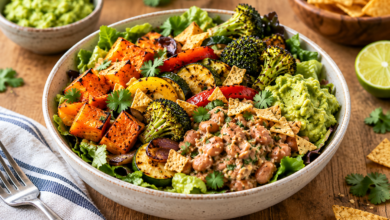
Simple toppings on your Buddha bowl can add a whole new profile to the bowl. For this Buddha bowl recipe, adding sliced or cubed avocado brings healthy fats, creaminess, and balance to the bowl. It pairs especially well with roasted veggies and spiced grains. If avocados are ripe, this is one topping you won’t want to skip. Check out these other great Buddha bowl toppings!
Turn this Buddha bowl into a hearty and satisfying breakfast. Cook up a couple of eggs, any style. Top the bowl with eggs and some fresh-ground black pepper for an energizing and nutritious way to start your day!
For Freshness:
- Fresh Herbs: cilantro, parsley, chives, basil
- Citrus Juice: Squeeze some lemon or lime over the bowl just before serving for a final, bright touch.
- Microgreens: these will add a delicate texture and flavor, and of course, more nutrients!
Add Some Crunch:
- Seeds: toasted sunflower seeds, pumpkin seeds, hemp seeds
- Nuts: Chopped and toasted almonds, walnuts, cashews, or peanuts
- Toasted Coconut: Adds a slightly sweet touch
Make It Tangy:
- Pickled Items: Pickled red onions, beets, jalapenos, or ginger
- Fermented Veggies: Sauerkraut or kimchi
- Marinated Olives
For Creaminess:
- Avocado
- Hummus
- Cheese
This video from Tasty shows just how creative you can be with your Buddha bowls. Watch these 7 days of Buddha bowls for even more inspiration!
Tips for Maximizing Healthiness in Your Buddha Bowl
Buddha bowls are naturally nutritious, but a few mindful choices can help you get the most health benefits while still enjoying a delicious meal.
Watch the Dressing
Creamy dressings can often add a significant number of calories to your bowl, especially if they are store-bought and made with added oils and sugars. Opt for lighter, homemade options. Choosing clean ingredients, and especially homemade gives you more control over the ingredients while keeping the flavors fresh and vibrant.
Great options include:
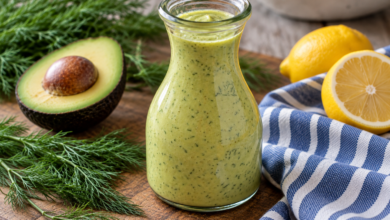
- This bright and creamy ginger avocado dressing
- A savory miso dressing from another of my favorite Buddha bowl recipes
- A nutty-flavored sunflower butter hummus
Using flavorful dressings in smaller amounts can enhance the meal without overpowering the wholesome ingredients.
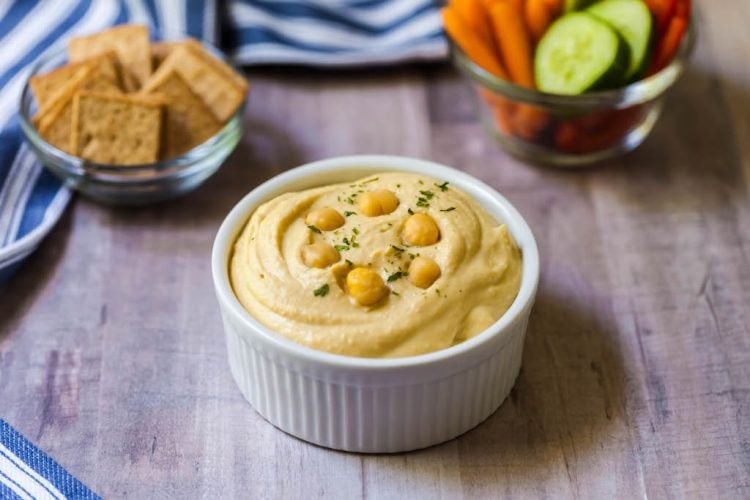
Control Portion Sizes
Even healthy foods can contribute to excess calorie intake when portions become too big. Aim for a bowl that includes a balance of vegetables, whole grains, protein, and healthy fats. Paying attention to portions helps to keep you satisfied without feeling heavy.
Choose Whole Grains
Use brown rice, quinoa, or farro instead of refined grains. Refined grains are grains that have been processed to remove many of the nutrient-dense parts of the ingredient. This strips the grain of most of the fiber, vitamins, and minerals. The Cleveland Clinic also suggests udon noodles as a great base for Buddha bowls, especially ones with Asian-inspired flavors.
Examples of refined grains to limit when possible include:
- White bread
- Crackers made with refined flour
- White rice
- Regular white pasta
Regularly choosing whole grains can have a great impact on your health. It supports better digestion and sustained energy levels, making it an ideal base for your Buddha bowls.
Meal Prep & Storage Tips
This Broccoli and Sweet Potato Buddha Bowl is an excellent option for meal prep because all of the components hold up well when prepared in advance. With a little planning, you can enjoy the convenience of balanced, flavorful meals all week long.
Meal Prep Tips
For the best results, prepare and store the different “layers” of the bowl separately. Roast the veggie mix and cook the quinoa, let them cool completely, then store them in individual airtight containers. This will help to keep the ingredients from becoming soggy.
When you are ready to prep for the next day’s lunch, grab your lunch container and assemble: greens, quinoa, veggies, and hummus.
Storing a Buddha Bowl
When stored properly in airtight containers in the fridge, the veggie mix and quinoa will last 4-5 days, perfect to last the work week. Keep dressings or hummus in separate containers and add them right before serving for the best flavor and texture.
I don’t recommend freezing the assembled bowls, as it will really affect the texture of the ingredients, often in an unsatisfying way. Roasted veggies are best enjoyed fresh or refrigerated.

Buddha Bowl Frequently Asked Questions
Quick answers to common questions surrounding the popular Buddha bowls. For various ways to adapt this bowl to your needs, read on! For more questions you may have about Buddha bowls, make sure to leave a comment below.
Is This Buddha Bowl Gluten-Free?
Yes, this Buddha bowl is naturally gluten-free as it’s made with quinoa. If you are using another grain, be sure to choose a gluten-free alternative if needed to suit your diet.
Can I Make This Bowl Oil-Free?
You can most definitely make this bowl oil-free. Instead of roasting the veggies with olive oil, roast them using parchment paper and a splash of vegetable broth. Many homemade dressings and hummus recipes can also be adapted to be oil-free. This oil-free balsamic pomegranate vinaigrette is a delightful, bright dressing to use on Buddha bowls.
What’s the Best Way to Keep Avocado from Browning?
If prepping the avocado ahead of time, squeeze a little lemon or lime juice over the slices and store them in an airtight container. This can help to keep the avocado from browning, but for the best results, slice the avocado fresh when you are ready to enjoy it.
What Protein Can I Add to this Buddha Bowl?
The chickpeas in this recipe provide a good plant-based protein, but you can easily add more. Great options include baked tofu, edamame, or a scoop of beans. Or for a meat option, try some sliced grilled chicken breast. These additions can make the bowl even more filling.
The Beauty of the Buddha Bowl
This Broccoli and Sweet Potato Buddha Bowl is one of those meals that checks all the boxes. It is nourishing, flavorful, and flexible enough to fit into real life. It’s a recipe you can rely on when you want something wholesome without spending hours in the kitchen.
My favorite thing about this recipe is how adaptable it is. You can switch up the vegetables based on the season, experiment with different hummus flavors or dressings, and add extra protein or toppings to make it just how you like it. No two bowls have to be the same, which keeps healthy eating interesting and sustainable.
If you’re new to plant-based meals, this is a great place to start. And if you’ve been eating this way for a while, it’s a reminder that simple ingredients can be incredibly satisfying. Balanced meals don’t have to be complicated or restrictive; they just have to be built with intention.
I hope this Buddha bowl inspires you to get creative in the kitchen and enjoy the process as much as the final dish. Here’s to meals that truly make you feel good!
Craving More Buddha Bowls?
Looking for more plant-based Buddha bowls like this one? Be sure to explore the rest of the site, starting with some of these recipes below:
Find your next favorite bowl and keep your weekly meal rotation fresh, nourishing, and anything but boring.
Let’s Hear From You!
If you give this Buddha bowl a try, I’d love to hear how you customized it! Leave a comment below, rate the recipe, or share your bowl on social media.