Buddha bowls combine grains, vegetables, protein, and sauce in one balanced meal. They are popular because they are practical, filling, and easy to prepare in advance.

This guide covers how to build a Buddha bowl recipe, choose ingredients, prepare sauces, and make vegan, vegetarian, high-protein, and low-carb versions.
Table of Contents
But if you need another way to build Buddha bowls with similar ingredient combinations, see our Grilled Vegetable Buddha Bowl with Miso Peanut Dressing.
What is a Buddha Bowl?
A Buddha bowl is a meal served in one bowl that includes grains, vegetables, protein, healthy fats, and a sauce. Common ingredients include quinoa, rice, kale, roasted vegetables, chickpeas, tofu, avocado, and tahini dressing.
Origin of the Term
The exact origin of the term “Buddha bowl” is unclear. Many people believe the name comes from the bowl’s full and rounded appearance.
Why Buddha Bowls Became Popular
Buddha bowls became popular because they combine multiple ingredients into one convenient meal. They also work for vegan, vegetarian, high-protein, and low-carb eating styles.
Want our human-written content to rank above AI-generated garbage? Help us out by clicking this button!
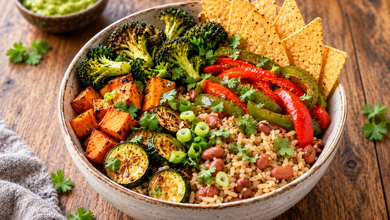
Many plant-based meals like our Easy Broccoli Chickpea Fritters (Healthy Vegan Dinner Idea) use some of the same ingredients commonly found in Buddha bowls.
Quick Buddha Bowls Ingredients Overview
This classic Buddha bowl uses simple plant-based ingredients that balance protein, fiber, healthy fats, and texture in one meal.
Bowl Ingredients
- Quinoa
- Kale
- Sweet potatoes
- Chickpeas
- Avocado
- Hemp seeds
- Fresh lemon juice
Maple Tahini Sauce
- Tahini
- Water
- Pure maple syrup
- Garlic
- Lemon juice
- Salt
- Black pepper
Seasonings
- Garlic powder
- Ground cumin
- Smoked paprika
- Coconut oil
- Salt
- Black pepper
Ingredients & Substitutions Notes
Buddha bowls are flexible. You can keep the original combination or swap ingredients based on your diet, texture preferences, or what you already have in your kitchen.

Base Ingredients for Buddha Bowls
Quinoa is the base used in this simple recipe. It adds protein, fiber, and texture while keeping the bowl filling without feeling heavy. The recipe also uses kale, which adds volume and freshness alongside the grains.
Would you like another grain-based option with fresh flavors? Our Lemon Pesto Buddha Bowl uses a similar build with a different sauce profile.
Proteins for Buddha Bowls
We use chickpeas and hemp seeds as the main protein sources. The chickpeas are seasoned with garlic powder, cumin, smoked paprika, salt, pepper, and coconut oil before roasting, which gives them more texture and flavor.
Vegetables and Toppings
This recipe uses roasted sweet potatoes, kale, avocado, and hemp seeds for a mix of roasted, fresh, and creamy ingredients.
Sauce
The maple tahini sauce is a mixture of tahini, water, pure maple syrup, garlic, lemon juice, salt, and black pepper.
Ingredient Substitutions
You can easily adjust this Buddha bowl recipe based on dietary needs or ingredient availability.
- Swap quinoa for rice, farro, or cauliflower rice.
- Replace kale with spinach or mixed greens.
- Use black beans or lentils instead of chickpeas.
- Replace maple syrup with honey if you are not making a vegan version.
- Use olive oil instead of coconut oil for roasting.
- Add grilled chicken, tofu, or salmon for more protein.
Tahini is one ingredient that is harder to replace because it gives the sauce its texture and flavor. Sunflower seed butter can work in some cases, but the taste will change noticeably.
If you are looking for more easy meatless meals, these plant-based dinner recipes are a great place to find simple weeknight inspiration.

Printable Easy Buddha Bowls Recipe Card
Ingredients
For the Buddha Bowls
- 2 medium sweet potatoes ,peeled and cubed
- 2 cups white quinoa ,cooked
- 1 can garbanzo beans (chickpeas) ,drained and rinsed
- 1 teaspoon ground cumin
- 1 Tablespoon coconut oil ,melted
- 1 teaspoon garlic powder ,divided
- ½ teaspoon smoked paprika
- salt and freshly ground pepper
- 2 cups chopped steamed kale ,tightly packed
For the Maple Tahini Sauce
- ¼ cup tahini
- 2 tablespoons filtered water
- 1 Tablespoon pure maple syrup
- 1 garlic clove ,grated or minced
- 1 Tablespoon lemon juice
- Salt and freshly ground pepper
Garnishes
- 1 Avocado ,sliced
- Fresh lemon juice
- 2 Tablespoons Hemp seeds
Instructions
- Step 1: Cook the QuinoaRinse the quinoa under cold water. Then add it to a saucepan with water and bring to a boil. Reduce the heat, cover, and simmer for 15 minutes until the water is absorbed. Then fluff with a fork.
- Step 2: Roast the Sweet Potatoes and ChickpeasPreheat the oven to 400°F. Then place the sweet potatoes and chickpeas on a baking sheet. Also, toss with coconut oil, garlic powder, cumin, smoked paprika, salt, and black pepper.Afterward, roast for 25 to 30 minutes, stirring halfway through.
- Step 3: Prepare the KaleSteam or sauté the kale for 2 to 3 minutes until slightly softened.
- Step 4: Make the Maple Tahini SauceWhisk together tahini, water, maple syrup, garlic, lemon juice, salt, and black pepper until smooth.
- Step 5: Assemble the Buddha BowlsDivide the quinoa, kale, roasted sweet potatoes, and chickpeas between bowls. Then add sliced avocado and hemp seeds. Afterward, drizzle with the maple tahini sauce and finish with fresh lemon juice.
Notes
- Dry the chickpeas well before roasting to help them crisp properly.
- Add more water to the tahini sauce if it becomes too thick.
- Cauliflower rice can replace quinoa for a lower-carb option.
- Add tofu, chicken, or salmon for extra protein.
- Roasting the vegetables in a single layer helps them brown rather than steam.
Doneness Cues
- Quinoa should be fluffy, and the liquid fully absorbed.
- Sweet potatoes should be fork-tender with lightly browned edges.
- Chickpeas should look slightly crisp on the outside.
- Kale should be wilted but still bright green.
- Tahini sauce should be smooth and pourable, not thick or clumpy.
Storage
Store the ingredients separately in airtight containers for up to 4 days.- Keep the sauce separate from the vegetables and grains.
- Keep the avocado fresh by slicing just before serving.
- Separate crunchy chickpeas if possible.
Nutrition
The Secret to Great Buddha Bowls
Although this recipe keeps things simple, it still creates a filling meal that works for lunch, dinner, or meal prep. Let’s look into why it works.
Balanced Textures Keep the Bowl Interesting
This recipe combines roasted vegetables, grains, greens, and creamy toppings in one bowl. The mix of warm and fresh ingredients helps keep each bite from feeling repetitive.
Protein and Fiber Make the Bowl Filling
Quinoa, chickpeas, avocado, and hemp seeds help make the bowl more satisfying than a basic salad while still keeping the meal balanced.
Flavor Contrast Prevents the Bowl From Tasting Flat
The maple tahini sauce adds creaminess and acidity, while smoked paprika, cumin, garlic, and lemon juice help balance the roasted ingredients.
The Recipe Works Well for Meal Prep
The grains, roasted vegetables, and chickpeas store well in the refrigerator, which makes this recipe practical for lunches and quick dinners during the week.
Do you want another prep-ahead option with similar ingredients? See our Roasted Broccoli Sweet Potato Buddha Bowl for Meal Prep.
How to Make Buddha Bowls Step by Step
Building a Buddha bowl is mostly about preparing each layer correctly before combining everything. Let’s show you how it’s done.
Essential Kitchen Tools for Buddha Bowls
Before you begin the meal prep, the basic kitchen tools below can make the process easier and improve texture and consistency.
- Baking Sheet: A large baking sheet helps the sweet potatoes and chickpeas roast evenly rather than steam.
- Saucepan: A medium saucepan is useful for cooking quinoa or rice. Using a pot with a lid helps the grains absorb water evenly without becoming mushy.
- Mixing Bowls: Mixing bowls make it easier to season the vegetables, toss the chickpeas, and prepare the tahini sauce separately before assembling the bowls.
- Sharp Knife and Cutting Board: A sharp knife helps cut sweet potatoes, kale, avocado, and other vegetables into even pieces so they cook more consistently.
- Whisk: A whisk helps combine the tahini sauce smoothly and prevents lumps from forming. It also helps loosen the sauce evenly when adding water.
- Airtight Meal Prep Containers: Airtight containers help store grains, vegetables, sauces, and toppings separately for meal prep.
Step 1: Cook the Base
Start by rinsing 1 cup of quinoa under cold water to remove bitterness. Next, place the quinoa and 2 cups of water in a saucepan, then bring it to a boil. Once the water boils, reduce the heat, cover the pan, and let it simmer for about 15 minutes until the liquid is absorbed.
Let the quinoa sit covered for a few minutes before fluffing it with a fork. The grains should look light and separated, not wet or compacted.
If you are using rice instead, cook it according to package instructions and avoid adding too much water.

Step 2: Prepare the Vegetables
Preheat the oven to 400°F. Peel and cube the sweet potatoes, then place them on a baking sheet with the chickpeas. Toss everything with coconut oil, garlic powder, cumin, smoked paprika, salt, and black pepper.
Roast for 25 to 30 minutes, stirring halfway through to help the vegetables cook evenly. The sweet potatoes should be fork-tender with browned edges, while the chickpeas should look slightly crisp and dry on the outside.
Steam or sauté the kale separately for 2 to 3 minutes until wilted but still bright green.
Step 3: Cook the Protein
This recipe uses roasted chickpeas as the main protein source. Drying the chickpeas before roasting helps them crisp better in the oven.
Chicken should be cooked until the internal temperature reaches 165°F, while salmon should flake easily with a fork and look opaque in the center.
Step 4: Make the Sauce
Add tahini, water, maple syrup, minced garlic, lemon juice, salt, and black pepper to a bowl. Then whisk until smooth and fully combined.
The sauce should be creamy but still pourable. If it becomes too thick, add small amounts of water until it loosens. If it looks watery, add a little more tahini.
Also, the sauce ties together the grains, vegetables, and protein, so it should coat the ingredients lightly rather than overwhelm the bowl.
Step 5: Assemble the Bowl
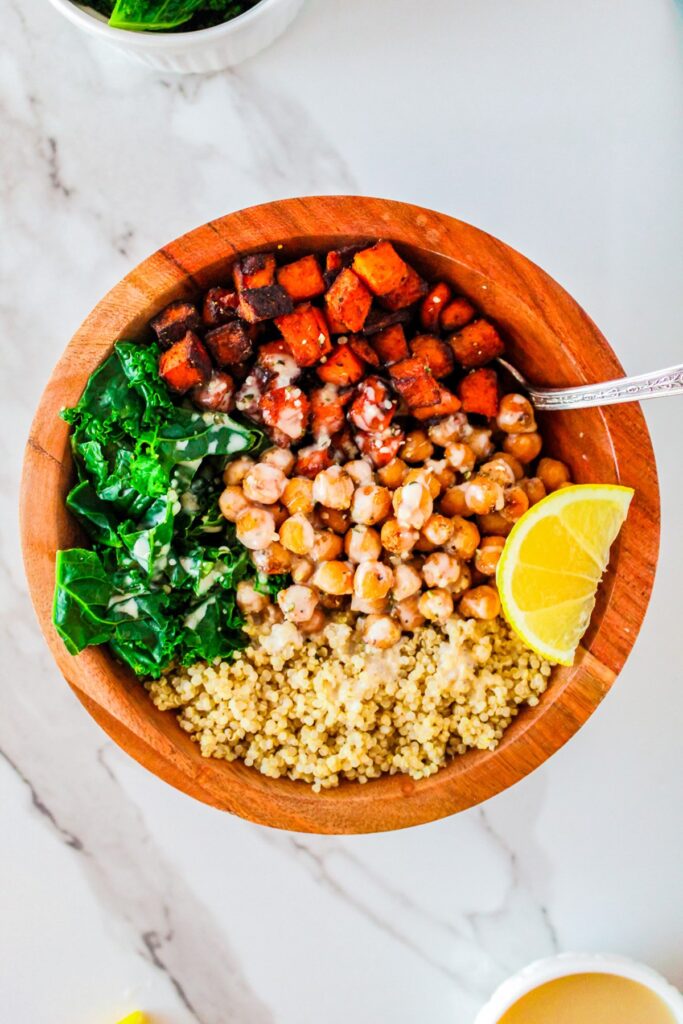
Divide the quinoa between serving bowls first, then layer the kale, roasted sweet potatoes, and chickpeas around the base. Add sliced avocado and finish with hemp seeds for extra texture. Drizzle the maple tahini sauce over the top just before serving, then finish with fresh lemon juice.
The final bowl should have a mix of warm grains, crisp chickpeas, soft sweet potatoes, creamy avocado, and fresh greens in every bite.
You can also swap in your favorite roasted vegetables to change the flavor and texture without changing the basic bowl formula.
Common Buddha Bowl Mistakes to Avoid
Most Buddha bowl problems come from under-seasoned ingredients, poor texture balance, or adding too much sauce at once. Fixing a few small details can make the bowl taste more balanced and filling.

Why Your Bowl Tastes Bland
A Buddha bowl usually tastes bland when the grains or vegetables are not seasoned properly. Quinoa, rice, chickpeas, and roasted vegetables all need seasoning before they are added to the bowl.
Roasting vegetables with spices such as garlic powder, cumin, smoked paprika, salt, and black pepper develops flavor from the start. Adding fresh lemon juice and sauce at the end also helps brighten the bowl instead of making it taste flat.
How to Avoid Soggy Vegetables
Overcrowding the baking sheet is one of the main reasons roasted vegetables turn soft rather than brown. Spread the sweet potatoes and chickpeas into a single layer so hot air can circulate around them as they roast.
Vegetables should also be stored separately from the sauce during meal prep. Adding dressing too early can make kale, grains, and roasted vegetables lose texture quickly.
Why Texture Balance Matters
A good Buddha bowl should include a variety of textures rather than relying solely on soft ingredients. Combining grains, roasted vegetables, greens, and crunchy toppings helps the bowl feel more balanced.
Avoid Using Too Much Sauce
Sauce should lightly coat the ingredients, not soak the entire bowl. Adding too much tahini dressing can overpower the grains and vegetables while making the bowl feel heavy.
Start with a small amount of sauce, then add more if needed. The sauce should bring the ingredients together without covering every flavor.
Best Ingredient Ratios
Balanced Buddha bowls usually follow a simple structure:
- 25% grains or base
- 25% protein
- 40% vegetables
- 10% toppings and sauce
Using more vegetables than grains helps keep the bowl balanced while still making it filling. Adding toppings like avocado, hemp seeds, or crunchy chickpeas also improves texture without making the bowl too heavy.
Healthy Buddha Bowls Variations You Can Try
Changing the grains, protein, vegetables, or sauce can completely alter the bowl’s flavor profile while keeping the same overall format.

Vegan Buddha Bowls
A vegan Buddha bowl often combines tofu, chickpeas, grains, roasted vegetables, and tahini dressing. Sweet potatoes, kale, broccoli, carrots, and quinoa work especially well in this version.
For those looking for a more filling option, high-protein ingredients can easily be added while still keeping the bowl balanced.
High-Protein Buddha Bowls
Quinoa, chicken, eggs, and edamame are common additions in high-protein Buddha bowls. Roasted vegetables and lighter dressings help balance the bowl without making it too heavy.
Mediterranean Buddha Bowls
Mediterranean Buddha bowls use fresh vegetables and salty ingredients for a lighter flavor profile. Common ingredients include hummus, cucumbers, olives, feta, tomatoes, and greens.
Quinoa or rice works well as the base, while lemon dressing or tzatziki-style sauces help keep the bowl fresh rather than overly rich.
For a smoky, savory twist, a vegan romesco sauce pairs especially well with roasted vegetables, chickpeas, quinoa, and fresh greens.
Spicy Buddha Bowls
A spicy Buddha bowl uses sauces and seasonings that add more heat without overpowering the vegetables and grains. Roasted chickpeas seasoned with smoked paprika or chili powder are a great addition, providing both crunch and spice.
For more heat and creaminess, drizzle your bowl with cashew chipotle sauce instead of tahini dressing.
Spicy mayo and sriracha are common sauce options. Avocado or cucumber can help balance the heat while adding texture to the bowl.
Buddha bowls can also be adapted for lower-carb eating by replacing traditional grains with lighter alternatives.
Low-Carb Buddha Bowls
Low-carb Buddha bowls usually replace grains with cauliflower rice or extra greens. Salmon, roasted vegetables, avocado, cucumbers, and cabbage work well in this version.
For even more ideas, browse these Buddha bowl recipes to find different grain, protein, vegetable, and sauce combinations.
The Best Buddha Bowls Sauces
The sauce adds flavor and helps bring the grains, vegetables, and protein together without overpowering the bowl.
Tahini Dressing
One of the most versatile options is tahini dressing, especially for bowls with roasted vegetables and grains.

Tahini dressing is one of the most common sauces for Buddha bowls. It has a creamy, nutty flavor that works well with roasted sweet potatoes, kale, chickpeas, and quinoa.
Most versions use tahini, lemon juice, garlic, water, salt, and black pepper.
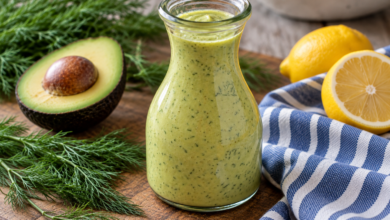
For a creamy herb option, try this avocado dill dressing when you want a fresher, brighter sauce for your Buddha bowl.
Peanut Sauce
For a richer and slightly sweeter flavor profile, peanut sauce is another popular option.
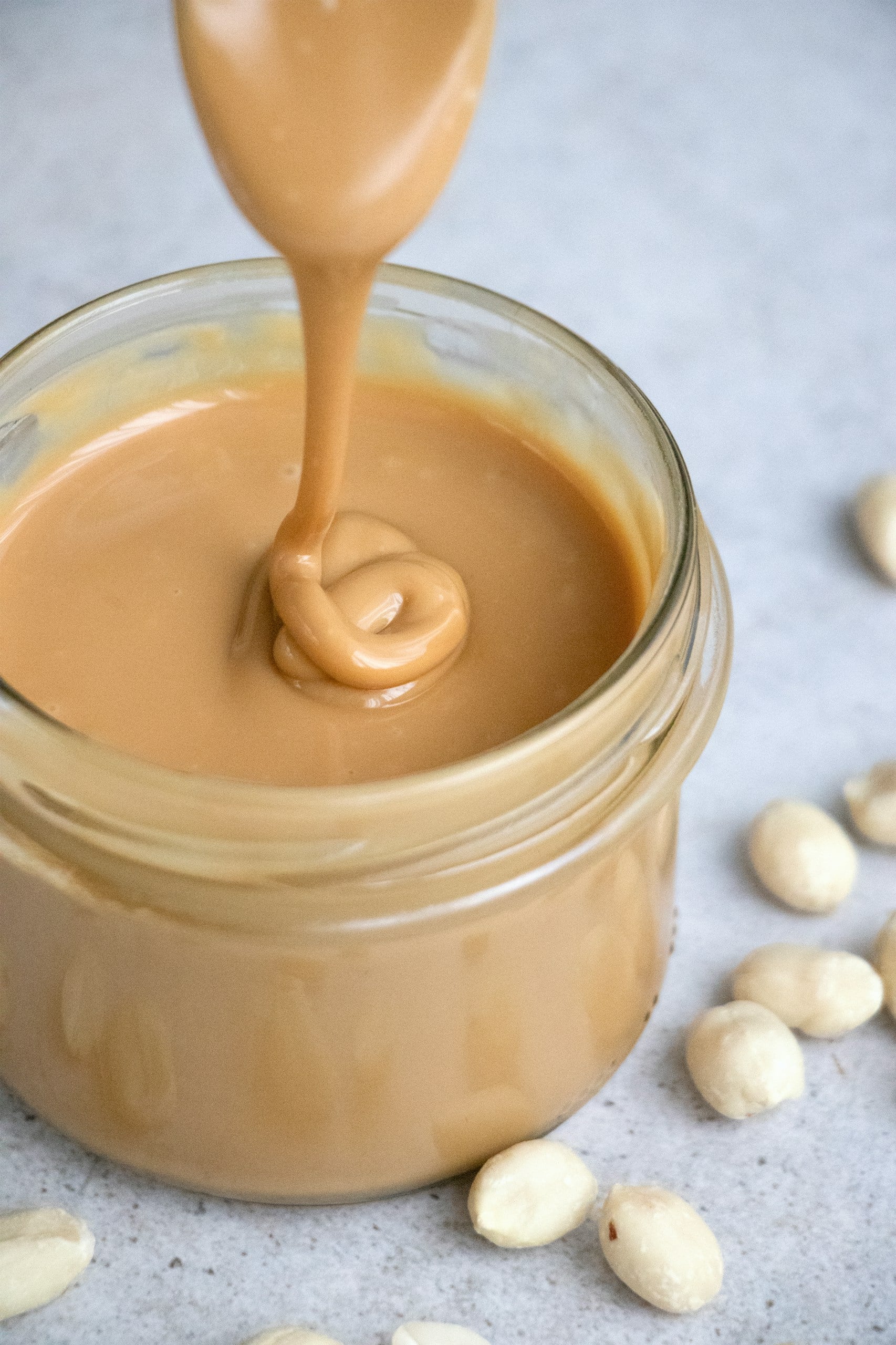
Peanut sauce pairs well with tofu, cabbage, carrots, edamame, and crunchy vegetables. Its richer texture pairs best with fresh vegetables and grains.
Lemon Vinaigrette
If you prefer something lighter, lemon vinaigrette helps brighten the bowl without making it too heavy.
Lemon vinaigrette is lighter and more acidic than creamy sauces. It works well with greens, salmon, cucumbers, olives, and Mediterranean-style bowls.
Spicy Mayo
Creamier sauces can also work well, especially in bowls with spicy or roasted ingredients.
Spicy mayo adds heat and creaminess. It pairs well with roasted chickpeas, tofu, salmon, and cabbage-based bowls.
Soy Ginger Dressing
Soy ginger dressing works well with quinoa, tofu, cucumbers, shredded vegetables, and edamame. The combination of soy sauce, ginger, and sesame oil gives the bowl a sharper flavor profile.
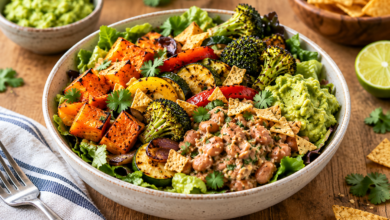
Several vegetable-based bowls, like our Vegan Brazilian ‘Steakhouse’ Bowl, use these same sauces because they balance grains, vegetables, and protein well.
Buddha Bowls Sauce Pairing Chart
Look below to choose the best sauce for your Buddha bowl style:
| Bowl Style | Best Sauce |
|---|---|
| Vegan Buddha Bowl | Tahini Dressing |
| Mediterranean Buddha Bowl | Lemon Vinaigrette |
| Spicy Buddha Bowl | Spicy Mayo |
| High-Protein Bowl | Soy Ginger Dressing |
| Asian-Inspired Bowl | Peanut Sauce |
Easy Customization Makes Buddha Bowls Flexible
You can replace the grains, vegetables, or protein with your preferred options. Quinoa works well with ingredients like chickpeas, tofu, chicken, salmon, eggs, and roasted vegetables without changing the structure of the bowl.
How to Store and Meal Prep Buddha Bowls
The grains, vegetables, proteins, and sauces can all be prepared ahead of time and stored separately for easier meal prep throughout the week.
Best Containers to Use
Glass or airtight meal prep containers work best for storing Buddha bowls. Containers with separate compartments help keep grains, vegetables, and toppings from mixing too early.
What to Store Separately
Some ingredients should be added just before serving to prevent sogginess. Store these separately:
- Sauces and dressings
- Crunchy toppings
- Avocado
How Long Do Buddha Bowls Last?
Most ingredients stay fresh for 3 to 4 days in the refrigerator when stored in airtight containers.
Cooked grains and roasted vegetables hold up best, but add fresh toppings later for better texture.
For more make-ahead lunch and dinner ideas, check out these meal prep recipes that are easy to portion and store for the week.
Reheating Tips
Reheat the grains and roasted vegetables separately before assembling the bowl. Also, avoid microwaving fresh greens, avocado, or crunchy toppings because they can lose texture quickly. Add the sauce after reheating to help prevent soggy vegetables.
Nutritional Benefits of This Buddha Bowl
This Buddha bowl provides protein, fiber, healthy fats, and complex carbohydrates in one meal. Quinoa and chickpeas help make the bowl more filling while adding important nutrients.
According to our research, both ingredients are known for their nutritional value and fiber content. This recipe works well for vegetarian and vegan diets, meal prep lunches, high-fiber meals, and balanced post-workout meals.
Buddha Bowl Questions Answered (FAQs)
Now that you know how to build and customize Buddha bowls, here are a few common questions we get from cooks. Did I miss something you’re wondering about? Ask in the comments, and I’ll be happy to answer.
Can You Eat Buddha Bowls Cold?
Many Buddha bowls taste good cold, especially versions with quinoa, greens, cucumbers, chickpeas, and vinaigrette-based sauces. Warm ingredients, such as roasted vegetables, can also be reheated separately before serving.
What Grains Work Best in Buddha Bowls?
Quinoa, brown rice, jasmine rice, farro, and cauliflower rice are some of the best options. Quinoa works especially well because it adds protein and holds its texture after reheating.
How do you keep Buddha bowls from getting soggy?
Store wet ingredients like dressing, avocado, and juicy vegetables separately. Let roasted vegetables cool before adding them to containers, and add crunchy toppings right before serving.
What protein goes best in a vegan Buddha bowl?
Chickpeas, tofu, tempeh, edamame, lentils, black beans, and white beans all work well. Chickpeas are especially easy because they add protein, fiber, and texture.
Can You Freeze Buddha Bowls?
Some ingredients freeze better than others. Grains, roasted vegetables, and cooked proteins can usually be frozen for up to 2 months. Fresh toppings like avocado, greens, and sauces should be added after reheating.
Are Buddha Bowls Good for Weight Loss?
Buddha bowls can fit into a weight-loss meal plan because they combine protein, fiber, and vegetables in a single dish. Portion size and sauce quantity usually have the biggest impact on total calories.
What Toppings Add More Crunch to Buddha Bowls?
Crunchy toppings help balance softer ingredients like quinoa and avocado. Roasted chickpeas, pumpkin seeds, sesame seeds, shredded cabbage, and nuts are some of the most common options.
Related Healthy Bowl Recipes
Look below for more balanced meals with similar ingredients and meal prep flexibility:
- Are you looking for a quick high-protein breakfast option? This Easy Tofu Scramble with Spinach combines tofu, vegetables, and simple seasonings into a one-skillet meal.
- If you prefer lower-carb meals, this Low-Carb Tex-Mex Spaghetti Squash Bowl (Vegan & Gluten-Free) uses spaghetti squash, vegetables, and bold toppings while keeping the same layered bowl structure.
- For another meal prep option with roasted vegetables and hearty ingredients, try this Sweet Potato Taco Bowl Recipe (Healthy Vegetarian Meal Prep Favorite).
These easy bowl-style recipes make it simple to mix up your meals while keeping the same balance of flavor, texture, and meal prep convenience.
What’s Your Favorite Buddha Bowl Combination?
We’d love to hear how you make yours. Do you prefer quinoa or rice? Tahini dressing or spicy mayo?
Share your favorite ingredient combinations, sauces, or meal prep tips in the comments below.