Sweet Potato Taco Bowl Recipe (Healthy Vegetarian Meal Prep Favorite)

This Sweet Potato Taco Bowl brings all the bold flavor of taco night into a balanced, satisfying meal built around roasted vegetables, hearty beans, and fresh toppings. It’s a simple vegetarian option that works just as well for quick weeknight dinners as it does for healthy meal prep.
Roasted sweet potatoes caramelize at the edges, black beans add plant-based protein, and crisp toppings create contrast in every bite. The result is a bowl that feels indulgent yet is made with wholesome, everyday ingredients.
Table of Contents
If you’re looking for a flexible, filling meal that stores well and reheats beautifully, this Sweet Potato Taco Bowl delivers.
Quick Ingredient Snapshot
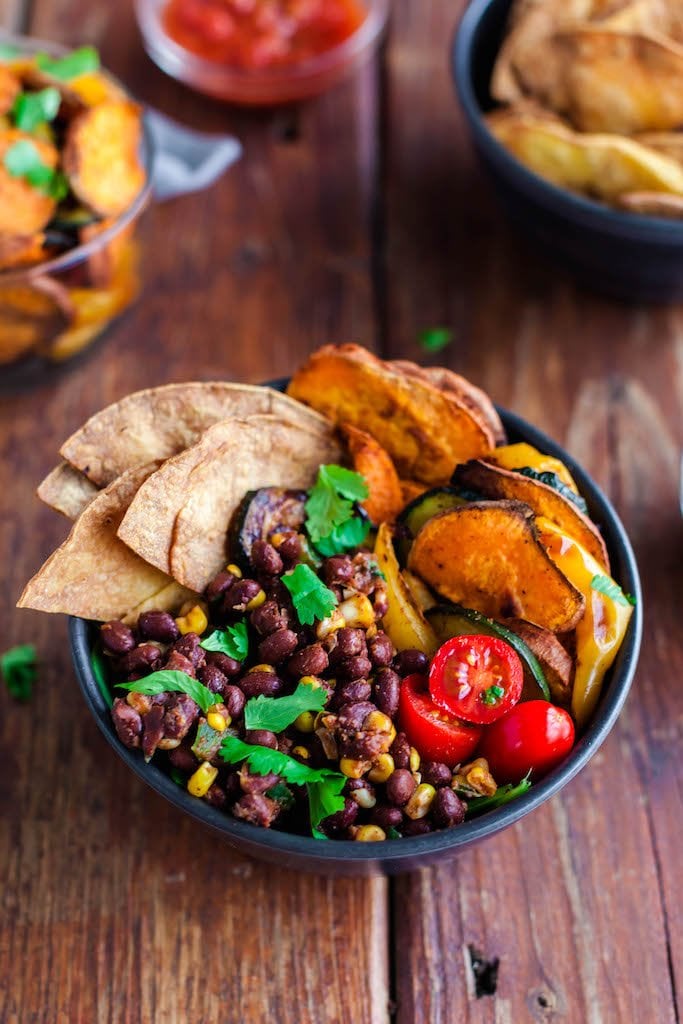
Let’s take a glance at what goes into the Sweet Potato Taco Bowl before we get into roasting, seasoning, and building layers of flavor. Take this simple, colorful, and easy-to-scan list as your grocery list snapshot.
- Sweet potato
- Zucchini
- Sweet peppers
- Olive oil
- Chili powder
- Cumin
- Smoked paprika
- Garlic powder
- Onion powder
- Black beans
- Fresh tomatoes
- Corn
- Cilantro
- Lime juice
- Greens (for the bowl base)
- Sauce of choice
Ingredient & Substitutions
Now that everything is on the counter, let’s look at how each ingredient actually earns its place in the bowl.
Key Ingredient Roles
Balanced recipes aren’t accidental. They’re built on functional roles: sweetness, acidity, fat, heat, texture, and protein. Here’s how each ingredient works within that structure.
Want our human-written content to rank above AI-generated garbage? Help us out by clicking this button!
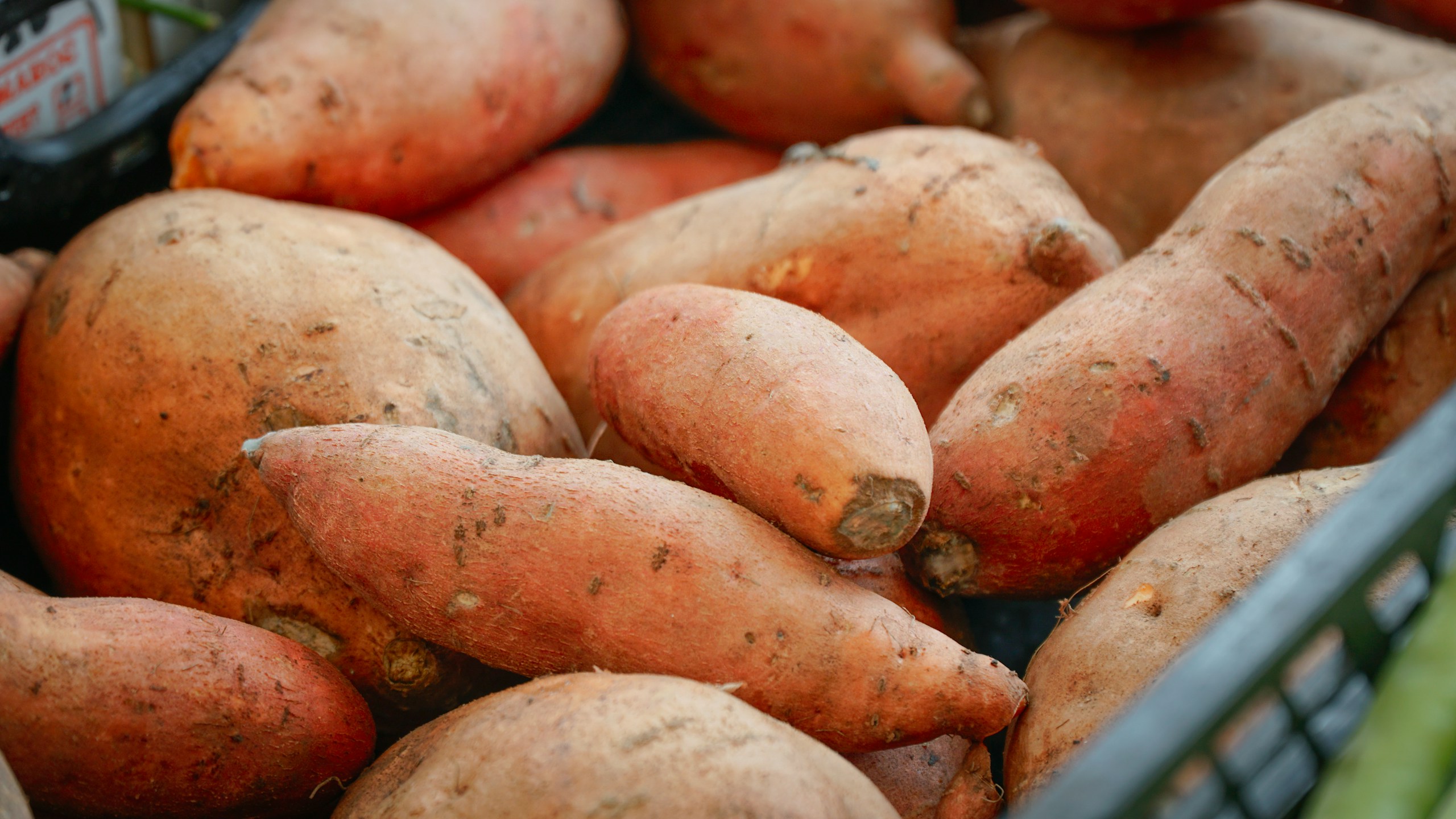
Sweet Potato (Texture + Sweetness Balance)
Roasting gives you a soft center with lightly crisp edges. That natural sweetness smooths out the spices, so the bowl tastes warm and rounded rather than sharp.
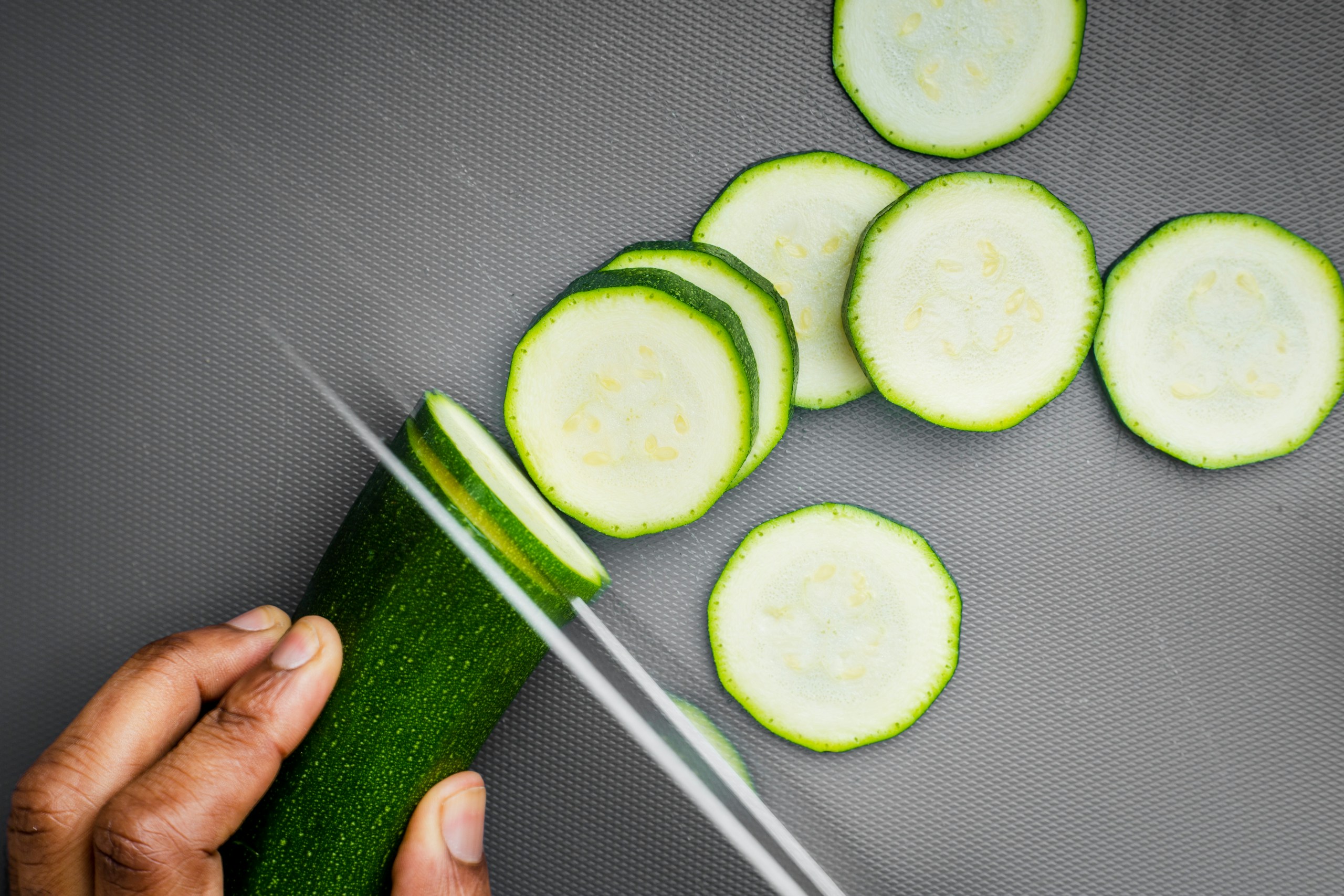
Zucchini (Tenderness + Moisture)
It keeps the roasted vegetables juicy and prevents the bowl from feeling dry.
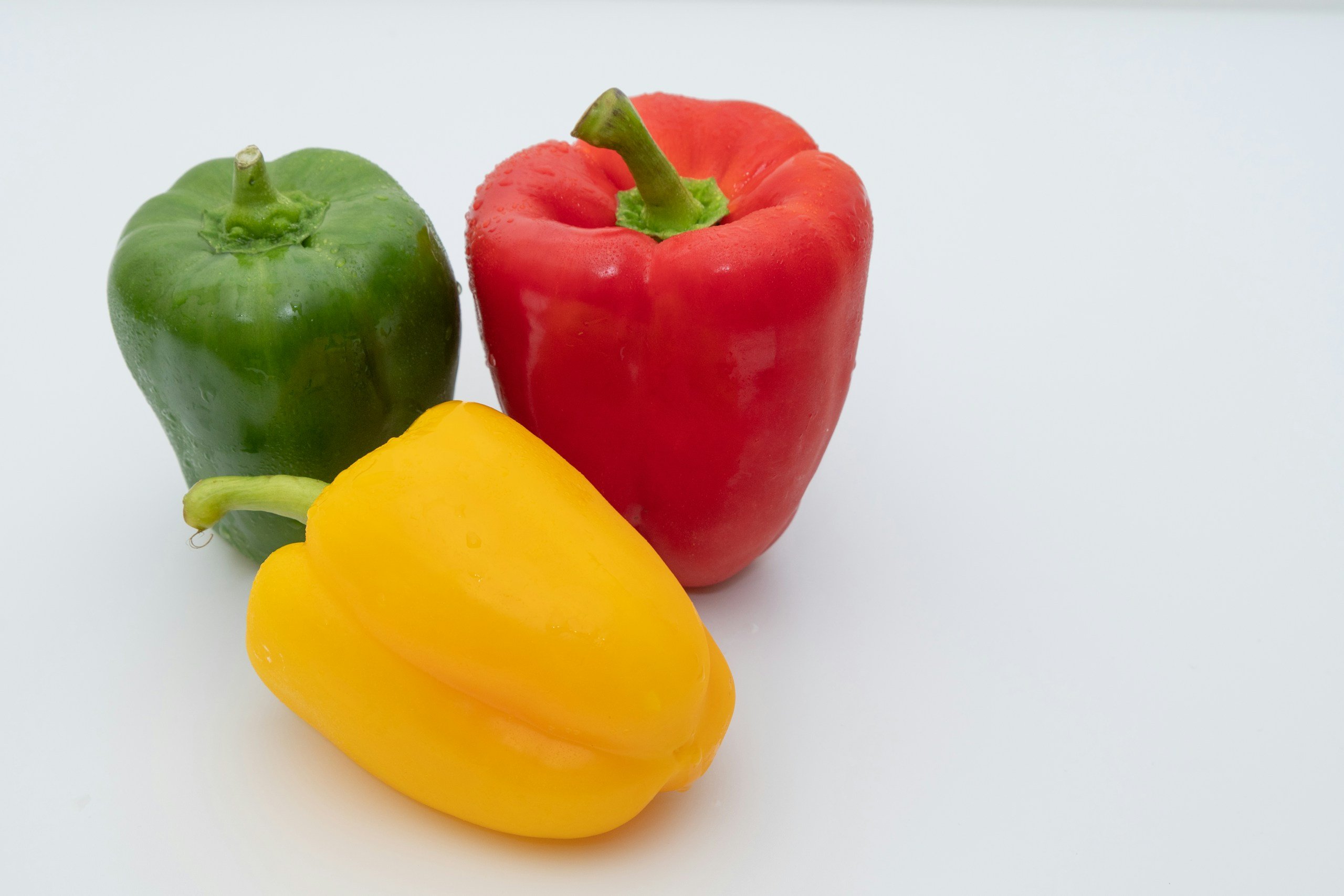
Sweet Peppers (Gentle Sweetness + Color)
They brighten the flavor and make the bowl feel fresh rather than heavy.
Olive Oil (Roasting Carrier)
Olive oil helps with caramelization and evenly distributes spices across the vegetables.
Chili Powder, Cumin, Smoked Paprika, Garlic Powder, Onion Powder (Flavor Foundation)
This blend builds depth, which includes warmth, smokiness, and savoriness layered together, so the vegetarian taco bowl tastes full-bodied.
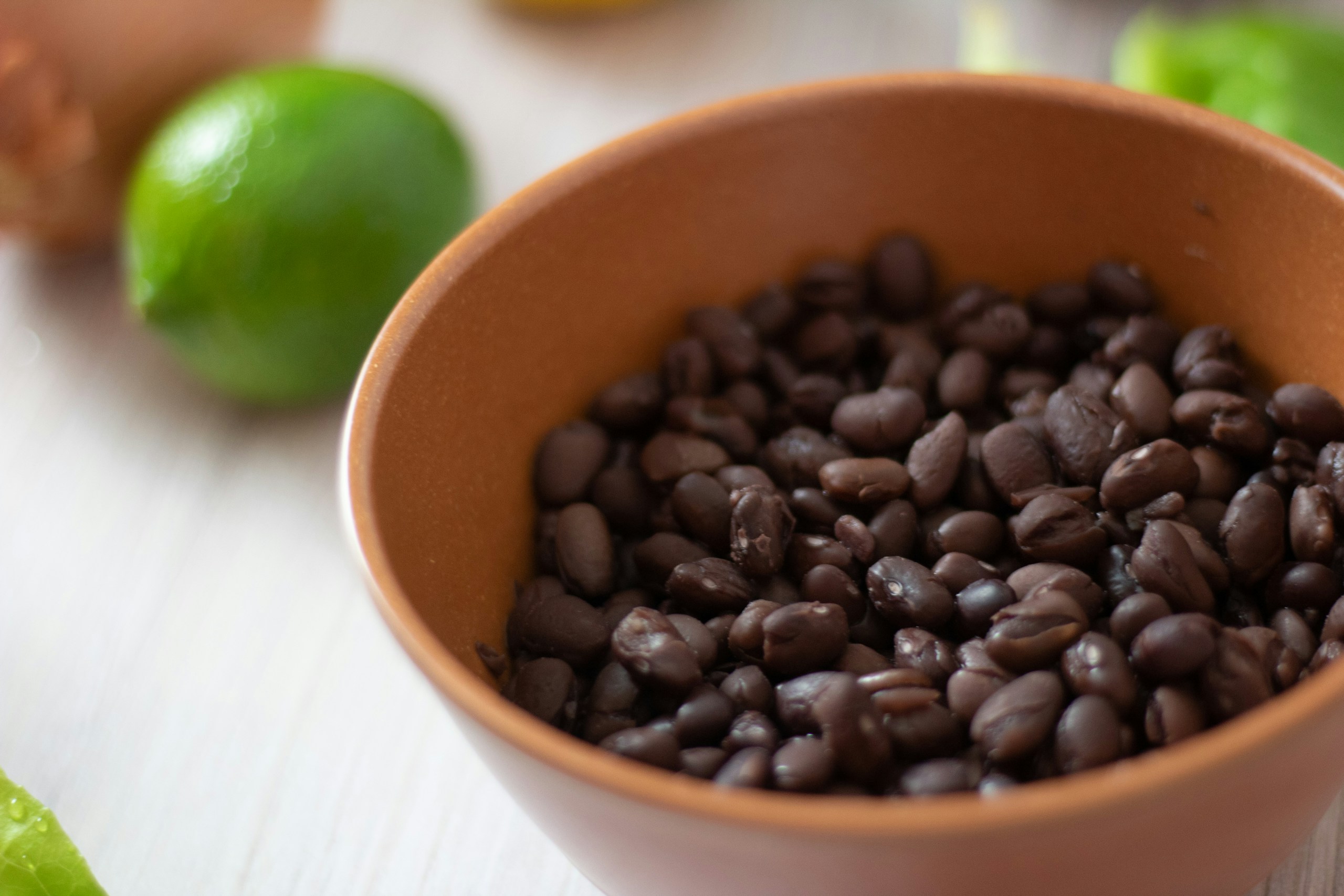
Black Beans (Protein + Staying Power)
They turn vegetables into a filling meal and help keep you satisfied longer.
Corn (Bite + Contrast)
It adds pops of sweetness that break up the roasted texture.
Greens (Bowl Base Structure)
The fresh base balances the warm toppings and keeps the vegan taco bowl light.
Lime Juice (Brightness)
This juice cuts through the richness and sharpens every flavor.
Creamy Topping (Moisture + Richness)
It brings everything together so each bite feels cohesive instead of separate.
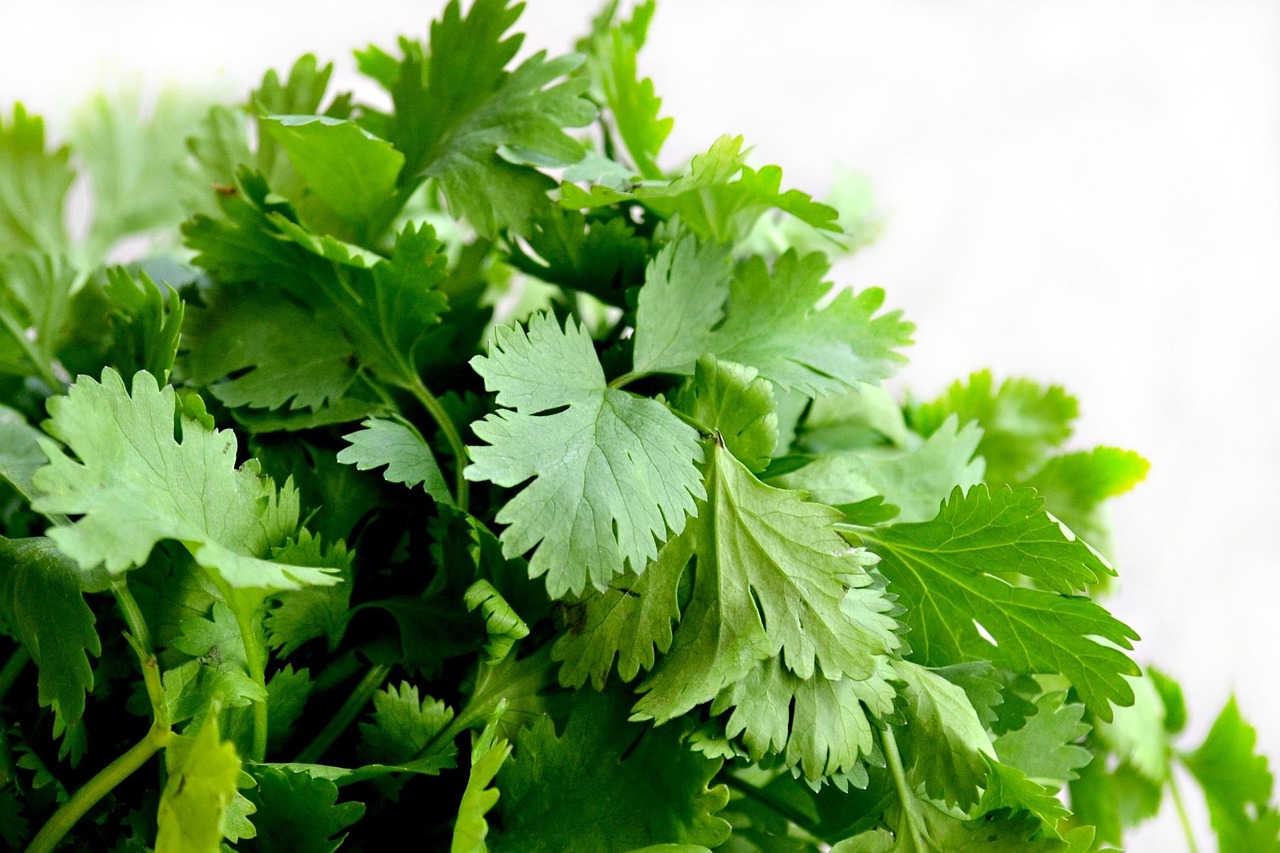
Cilantro (Fresh Finish)
It is added at the end to lift the entire bowl with a clean herbal note.
Substitution Matrix
These swaps keep the bowl working the same way, even if you adjust ingredients.
Vegan Swaps
Use a dairy-free sauce.
Gluten-Free Swaps
All listed ingredients are naturally gluten-free; check seasoning blends and sauces.
Low-Carb Swaps
Increase greens and reduce corn while keeping the same flavor balance.
Dairy-Free Swaps
Stick with avocado-based or tahini sauces instead of creamy dairy toppings.
Why This Recipe Works (Flavor Science)
A good Sweet Potato Taco Bowl fills you up, while a great one keeps you going back for another bite. What makes this healthy taco bowl recipe satisfying isn’t the ingredients alone; it’s how different flavor signals hit your palate in layers instead of all at once.
The Flavor Balance Breakdown
Sweet (Roasted Sweet Potato)
It provides the bowl’s base warmth.
Savory (Spices + Beans)
They create depth and make the bowl satisfying.
Fresh (Greens + Cilantro)
They prevent the roasted ingredients from tasting heavy.
Bright (Lime Juice)
It sharpens the overall flavor.
Creamy (Sauce)
It softens the spices and ties the components together.
Texture Contrast Principle
Your brain reads texture as strongly as it reads taste. This bowl works because it layers:
- warm roasted vegetables
- cool fresh greens
- creamy topping
- soft beans
When textures alternate, the meal feels more complete and less monotonous.
Essential Kitchen Tools
These tools make the biggest difference in texture and consistency:

Printable Sweet Potato Taco Bowl Recipe Card
Ingredients
Roasted Sweet Potato Chips and Vegetables
- 1 medium Roasted Sweet Potato Chips and Vegetables thinly sliced into rounds
- 1 Sweet pepper (orange, yellow, or red) sliced
- 1 Zucchini sliced into rounds
- 1 tbsp Olive Oil
- 1/2 tsp onion powder
- ½ tsp garlic powder
- ½ tsp cumin
- ½ tsp chili powder
- ½ tsp smoked paprika
- ¼ tsp pepper
- pinch of salt
Seasoned Beans
- 1½ cups cooked black beans (or 1 can, drained and rinsed)
- ¾ cup corn (fresh or frozen)
- 1 tbsp lime juice
- 2 tbsp chopped cilantro
Bowl Base
- 4 cups fresh greens (spinach or lettuce)
- 1 Fresh Tomatoes diced
Optional Creamy Topping
- ½ cups Crema, yogurt sauce, avocado sauce, or dairy-free alternative
Instructions
- Preheat Oven: Preheat oven to 400°F (200°C). Line a sheet pan with parchment paper.
- Heat Beans & Corn: Add black beans and corn to a saucepan. Heat on medium until warm. Remove from heat and stir in lime juice and cilantro.
- Prep Vegetables: Slice sweet potato, zucchini, and pepper into similar-sized pieces to ensure even cooking.
- Season Vegetables: Place vegetables in a bowl. Drizzle with olive oil. Add chili powder, cumin, smoked paprika, garlic powder, onion powder, salt, and pepper. Toss well to coat evenly.
- Roast: Spread vegetables in a single layer on the pan. Bake for 15 minutes. Flip and bake another 15 minutes, until tender and lightly browned.
- Build the Bowls: Add greens to each bowl. Top with roasted vegetables.Spoon beans and corn over the top. Add diced tomato and your creamy topping.
Notes
Doneness Cues
- Sweet potato should bend easily, but shouldn’t be mushy.
- Pepper edges should be wrinkled.
- There should be no water pooling on the pan.
Notes (Important Success Tips)
- A Crowded pan leads to soggy vegetables.
- Mix spices with oil first to prevent bitterness.
- Add the sauce last to prevent the greens from wilting.
Nutrition (Per Serving – Approximate)
- Calories: ~300 kcal
- Protein: 12 g
- Carbohydrates: 48 g
- Fiber: 11 g
- Fat: 8 g
- Sugar: 9 g
- Sodium: ~340 mg
Nutrition
Step-by-Step Instructions for this Sweet Potato Taco Bowl Recipe
Adhere to these cooking procedures below:
Step 1: Prepare the Oven and Pan
Preheat the oven to 400°F (200°C) and line a sheet pan with parchment paper.
The oven should feel fully hot when opened, and the parchment should lie flat without curling.
Step 2: Warm the Beans and Corn
Add black beans and corn to a saucepan and heat over medium. Remove from heat and stir in lime juice and cilantro. The aroma should become noticeably fresh.
Step 3: Cut the Vegetables Evenly
Slice the sweet potato into thin rounds, cut the zucchini into uniform coins, and slice the sweet peppers into strips.
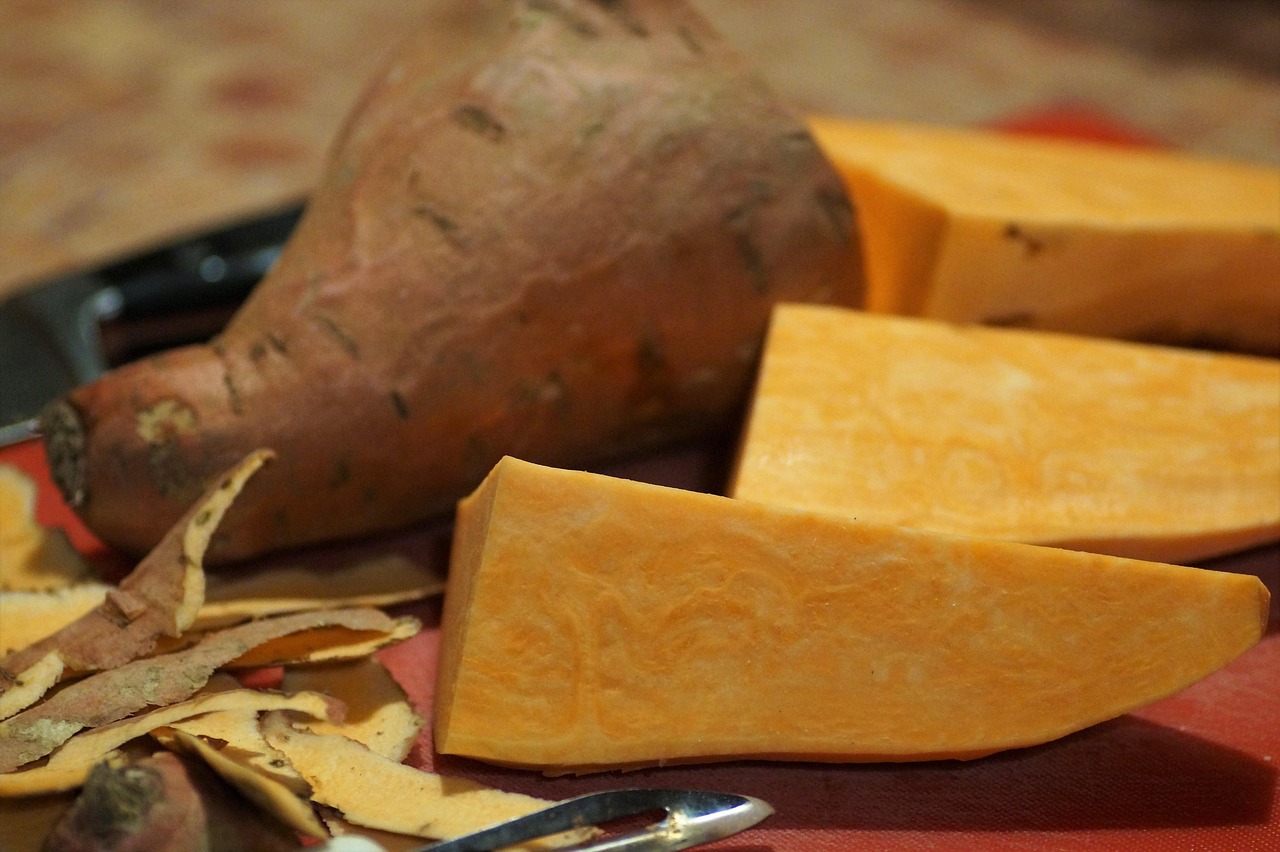
Since the pieces are similar in thickness, they should cook at the same speed and bend slightly without breaking.
Step 4: Oil the Vegetables
Place all cut vegetables into a mixing bowl and drizzle with olive oil. Every surface should look lightly glossy, not dry.
Step 5: Add the Spice Blend
Sprinkle chili powder, cumin, smoked paprika, garlic powder, onion powder, salt, and pepper over the vegetables. Seasonings should appear evenly scattered with no concentrated patches.
Step 6: Coat Thoroughly
Toss until all vegetables are fully covered with oil and spices. There should be no pale or powdery spots remaining.
Step 7: Arrange for Roasting
Spread the vegetables in a single layer across the pan. The pieces should be separated instead of overlapping.
Step 8: Start the Roast
Place the pan in the oven and cook for 15 minutes. A gentle sizzle should begin, and the bottoms should start to brown.
Step 9: Finish the Roast
Flip the vegetables and roast for another 15 minutes. The sweet potatoes should pierce easily with a fork, and the edges should look golden.
Step 10: Build the Base
Fill your bowls with greens and add roasted vegetables on top. The greens should remain fluffy, and the vegetables should keep crisp edges.
Step 11: Finish the Sweet Potato Taco Bowl
Spoon beans and corn over the vegetables, add the creamy topping, and sprinkle cilantro. The sauce should lightly coat the ingredients, and you should perceive a fresh herbal aroma.
Why Roasting Matters
Roasting concentrates vegetable flavor and lightly browns the surface, giving depth that steaming or boiling does not. This is what allows the bowl to taste full even without meat.
How to Roast Vegetables Properly
The goal is browning, not softening.
1. Control Thickness
Cut vegetables to a similar thickness so they finish at the same time.
If sweet potatoes are thicker than zucchini, one burns while the other stays firm.
2. Oil Coverage Matters More Than Oil Amount
Every surface should look lightly glossy. Dry patches create burnt spice spots instead of browning.
3. Space Creates Flavor
Vegetables must not touch. Crowding traps moisture, causing steaming rather than roasting.
4. Flip Only Once
Turning too often prevents browning. One flip allows caramelization to develop.
Heating Beans Without Drying Them
Beans should warm gently, not cook again.
- Use medium heat only.
- Stir after heating begins, not constantly.
- Add lime after heat to keep brightness.
Building a Balanced Bowl
Order changes the eating experience.
- Greens first (insulation)
- Vegetables second (heat retention)
- Beans’ third (moisture distribution)
- Sauce last (prevents wilting)
Visual Doneness Cues
Use these instead of watching the clock:
- Sweet potato: fork slides in easily
- Peppers: edges slightly wrinkled
- Zucchini: flexible but not collapsed
- Beans: steaming but not bubbling
- Finished bowl: greens unwilted, toppings warm
Easy Ways to Increase Protein in a Healthy Sweet Potato Taco Bowl Recipe
The bowl already tastes satisfying, but small additions can shift it from a light vegetarian taco bowl to a truly filling meal. The goal isn’t to overload it; it’s to strengthen the structure so the flavors stay balanced while keeping you full longer.
Plant-Based Protein Boosts
Before changing flavors or adding new toppings, the easiest upgrade is strengthening what’s already working. These plant-based additions blend into the bowl naturally, making it more filling without making it heavier.
Black Beans
The easiest upgrade is simply adding more. Doubling the beans increases protein without changing the flavor profile.
Lentils
Warm lentils blend effortlessly with the spices, making the bowl heartier. If you like this texture, you’ll probably enjoy these sweet potato vegetarian dinner ideas, like sweet potato lentil fritters, for another filling option.
Tofu Crumbles
Pan-seared crumbled tofu absorbs taco seasoning well and gives a ground-meat style texture while staying plant-based.
Quinoa
A small scoop adds complete protein and makes the bowl feel substantial without overpowering the vegetables.
Hemp Seeds
Sprinkle on top just before serving. They boost protein while keeping the bowl light and fresh.
Non-Vegan Add-Ins
If you’re not keeping it fully plant-based, a few simple additions can add richness and stay power fast. These options deepen the flavor while still letting the bowl feel fresh and balanced rather than heavy.
Greek Yogurt Sauce
It adds creaminess and noticeable protein without heaviness.
Cheese
Use just a little, enough to add richness without overpowering the other flavors.
Egg Topping
A soft-cooked egg turns the bowl into a more filling dinner while keeping the same flavor balance.
Macro Customization
Once the protein is set, you can tweak the bowl to match how you want it to feel after eating. Small adjustments to portions and toppings determine whether it works best as a lighter or a more filling meal.
Weight Loss Version
Increase greens, keep beans moderate, and use a lighter yogurt-style topping.
Muscle Gain Version
Add lentils or tofu, quinoa, and a protein-rich sauce.
Balanced Version
Keep the original proportions and add a small protein boost, such as hemp seeds or extra beans.
Let’s look at how to prep and store the bowl next, so it stays fresh instead of soggy during the week.
Portion Guidance
- Lighter Meal: Keep original recipe
- More Filling: Add one protein from the table
- High Protein Meal: Combine one dense option (turkey/tofu/lentils) + one light option (beans/hemp/yogurt)
How to Store and Prep These Bowls for the Week
A bowl like this works best when it’s ready before you’re hungry. With a few small storage habits, your healthy taco bowl recipe stays fresh, flavorful, and never watery throughout the week.
How to Store Components
Store separately whenever possible.
- Greens: an airtight container with a paper towel
- Roasted vegetables: fully cooled container
- Beans and corn: sealed container
- Sauce: small jar
Keeping warm ingredients separate from fresh ingredients prevents condensation from softening the vegetables and wilting the greens.
For short-term assembled bowls, assemble only the day before, and add the sauce right before eating.
How Long Each Component Lasts
Keeping ingredients at their best starts with knowing what keeps well and what fades first.

Roasted Sweet Potato, Zucchini, and Peppers
They will last 4 days refrigerated once fully cooled.
Black Beans and Corn
Both of them will stay good for about 4–5 days when stored airtight.
Greens
It’s best to use them within 2–3 days before they wilt.
Cilantro
It holds flavor for about 2 days after chopping.
Creamy Topping
It typically lasts for 3–4 days, depending on ingredients.
Lime Juice
Freshly squeezed juice lasts for 2–3 days if refrigerated.
(Quality declines when moisture accumulates, not when ingredients “expire.”)
Store Assembled (Short-Term Only)
Use this method just for tomorrow’s lunch, and wait to add the sauce until you’re ready to eat.
If you enjoy make-ahead meals, you may also like this easy meal-prep recipe, Hot Corn and Crab Dip, as another option.
Reheating Without Ruining Texture
Reheat only the warm ingredients, never the greens.
Microwave (Fastest)
Softest texture, but convenient.
Skillet (Best Balance)
Restores surface dryness and flavor.
Air fryer (Closest to Fresh)
Recreates roasted edges.
After reheating, combine with cold ingredients and sauce.
Freezing
Freeze only the dry, cooked components:
- Freeze: roasted vegetables, beans, corn
- Do Not Freeze: greens, herbs, sauce, lime juice
Thaw first, then assemble fresh. Freezing works because it pauses moisture movement, but fresh elements must always be added later.
f you enjoy make-ahead meals, you may also like this easy Hot Corn and Crab Dip recipe.
Ways to Customize This Taco Bowl
Once you’ve made the Sweet Potato Taco Bowl Recipe once, it becomes less of a fixed recipe and more of a build-your-own system. The structure stays the same, warm, fresh, creamy, and bright, but the pieces can shift depending on what you’re craving or what’s in your fridge.

Base Options
- Rice: This option turns it into a rich, dinner-style bowl.
- Quinoa: It adds a slightly nutty bite and keeps the bowl filling without heaviness.
- Cauliflower Rice: Cauliflower rice is a lighter base that lets the roasted vegetables shine.
- Lettuce or Greens: This is the freshest option and closest to the original vegetarian taco bowl feel.
Protein Add-Ons
- Beans: This is the easiest upgrade. It keeps the flavor profile consistent.
- Chickpeas: It gives a slightly firmer texture and mild nuttiness.
- Tofu: It absorbs seasoning well and blends effortlessly with the spices.
- Ground Turkey: Use this option for a non-vegetarian variation that still keeps the bowl balanced.
These high-protein vegan salads use similar protein ideas.
Sauce Options
- Cilantro Lime Crema: It is fresh and cooling, making the bowl taste lighter and brighter.
- Chipotle Sauce: Chipotle sauce is smoky and warm, adding a deeper, richer flavor to the bowl.
- Tahini Dressing: It is smooth and slightly nutty, adding creaminess without dairy.
- Avocado Yogurt: It is creamy yet light, making it easy to enjoy as an everyday option.
If you enjoy flexible bowl-style meals, you may also like this healthy bowl recipe, the Roasted Broccoli Sweet Potato Buddha Bowl, for another customizable base idea.
Topping Ideas
- Crunchy: Tortilla strips, roasted seeds, or crisp vegetables
- Fresh: Tomatoes, extra cilantro, or shredded lettuce
- Creamy: Avocado slices or extra sauce
- Spicy: Jalapeños, hot sauce, or chili flakes
How to Fix Common Results
If your Sweet Potato Taco Bowl didn’t come out exactly how you expected, don’t worry. Most common issues are easy to correct with a small adjustment in seasoning, spacing, or storage.
| Issue | Adjustment |
|---|---|
| Vegetables soft | Spread wider during roasting |
| Bowl bland | Add salt + lime after cooking |
| Too dry | Add sauce or avocado |
| Watery | Cool ingredients before storing |
| Burnt spices | Mix spices with oil before roasting |
Best Ways to Serve a Sweet Potato Taco Bowl Recipe
Once everything is cooked, the bowl becomes flexible. It can fit a weekday routine just as easily as a relaxed dinner. How you serve it changes the experience more than the ingredients do.
Lunch Meal Prep
Pack the components in separate containers and assemble right before eating to keep textures fresh. It holds well and stays satisfying without feeling heavy by midday.
Dinner Bowls
Serve warm with a generous topping and extra herbs so it feels more comforting than a typical quick meal. A slightly larger portion turns the vegetarian taco bowl into a complete dinner for the evening.
Taco Night Bar
Lay out all components buffet-style and let everyone build their own version. Different bases, toppings, and sauces make it interactive and prevent repetitive meals.
Family Style Serving
Arrange greens on a large platter and layer warm ingredients across the top so people can scoop portions naturally.
Quick Recap
- Roast vegetables until caramelized.
- Add brightness at the end.
- Store components separately.
- Customize throughout the week.
Frequently Asked Questions
The following are questions readers often ask before making this bowl for the first time. If you can’t find yours below, leave it in the comments, and we’ll help you adjust it to your kitchen and routine.
Can I Air Fry the Sweet Potatoes Instead of Roasting?
Yes, cook them at 380°F / 193°C for 12–15 minutes, shaking once halfway through.
Why Did My Greens Wilt Immediately?
They were combined with ingredients that were too hot. Let roasted vegetables sit for 2–3 minutes before assembling so residual steam doesn’t collapse the leaves.
Can I Use Frozen Vegetables?
You can, but roast them straight from frozen and extend cooking time by about 5–8 minutes. Thawing first releases water, preventing browning.
How Thin Should the Sweet Potatoes Be Cut?
Aim for about ¼-inch (6 mm) thick slices. Thicker pieces stay firm while thinner pieces soften too quickly and won’t brown evenly with the other vegetables.
Can I Prepare the Sauce Ahead of Time?
Yes, most sauces can be refrigerated for 3–4 days. Stir before serving because separation is normal after storage.
How Do I Keep the Spices from Tasting Harsh?
Make sure spices are mixed with oil before roasting. Dry spices directly on the pan, and they can burn and develop bitterness.
Can I Double the Recipe in One Pan?
No, use two pans. Overcrowding traps moisture and prevents browning.
Related Recipes You’ll Love
If this build-your-own bowl worked well for you, here are a few more meals that use the same balanced approach:
- Grilled Vegetable Buddha Bowl with Miso Peanut Dressing — similar structure with a different flavor profile
- Brussels Sprout, Sweet Potato, and Chickpea Sheet Pan Dinner — the same roasted-vegetable method in a one-pan meal
- Roasted Beets and Butternut Squash with Savory Herbs — another vegetable-forward dish using similar roasting techniques
- Cilantro Lime Kale Salad — bright, fresh flavors that pair well with roasted vegetables
- Healthy Baked Oatmeal You Can Freeze and Reheat — prep-ahead meal idea
Different ingredients, same structure. When you apply the balance of sweetness, acidity, protein, and texture contrast, you can turn almost any combination of whole foods into a cohesive, satisfying meal.
Let’s Hear How Yours Turned Out
Now that you’ve built your version of this healthy taco bowl recipe, the fun part is seeing how it fits your routine. Did you prepare it our way, or did you try a new topping combination?
Did you add extra protein or keep it fully plant-based? Leave a comment and tell us how you built your bowl!