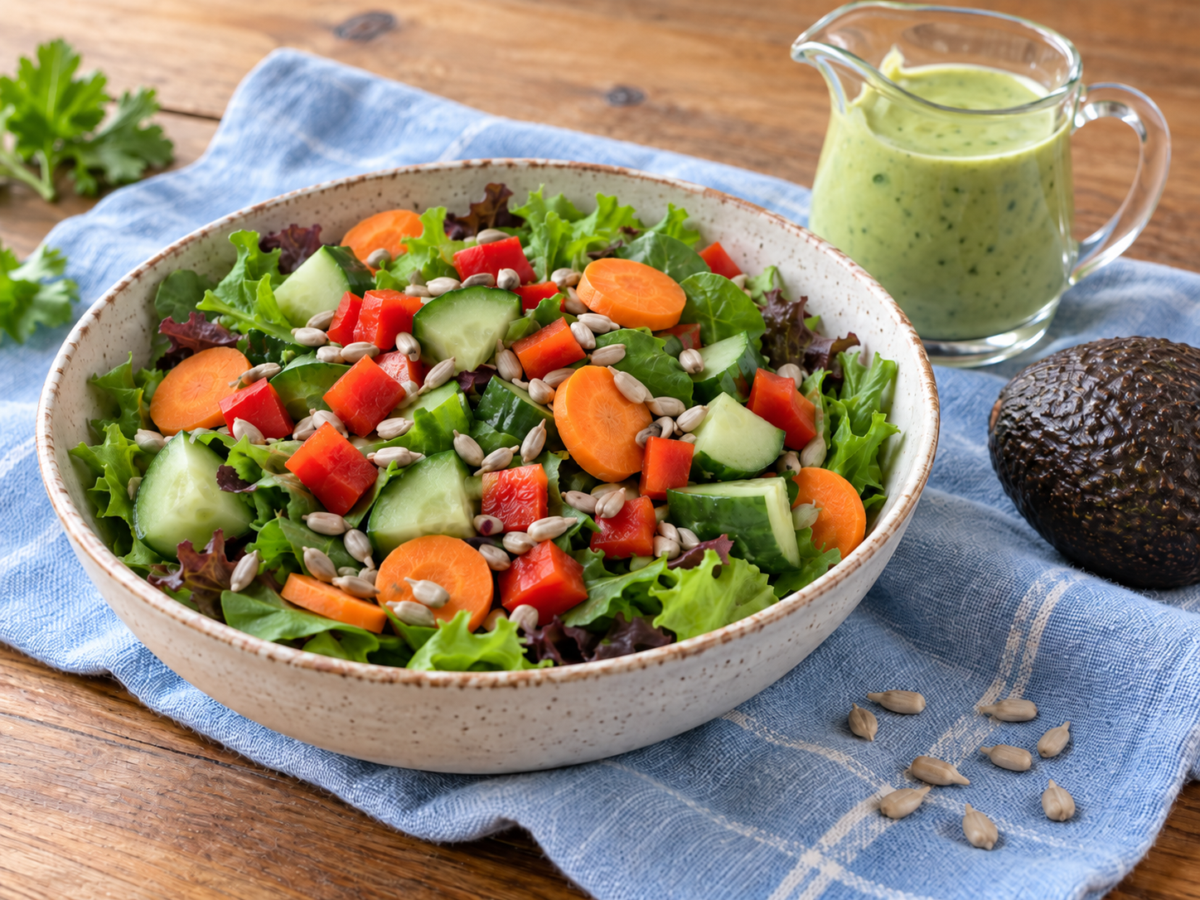
If you have one ripe avocado sitting on the counter, turn it into this creamy avocado dill dressing before it goes to waste. Fresh dill, lemon, garlic, and avocado blend into a bright, tangy dressing that’s completely vegan, dairy-free, and oil-free—and it takes about 5 minutes to make.
The avocado creates the rich, silky texture you normally expect from an oil- or dairy-based dressing, while fresh dill and lemon keep it tasting light and fresh. Make it pourable for salads and grain bowls, or use a little less plant milk for a thicker dip or sandwich spread.
Table of Contents
Best of all, everything goes straight into the blender. No cooking, complicated ingredients, or long prep required.
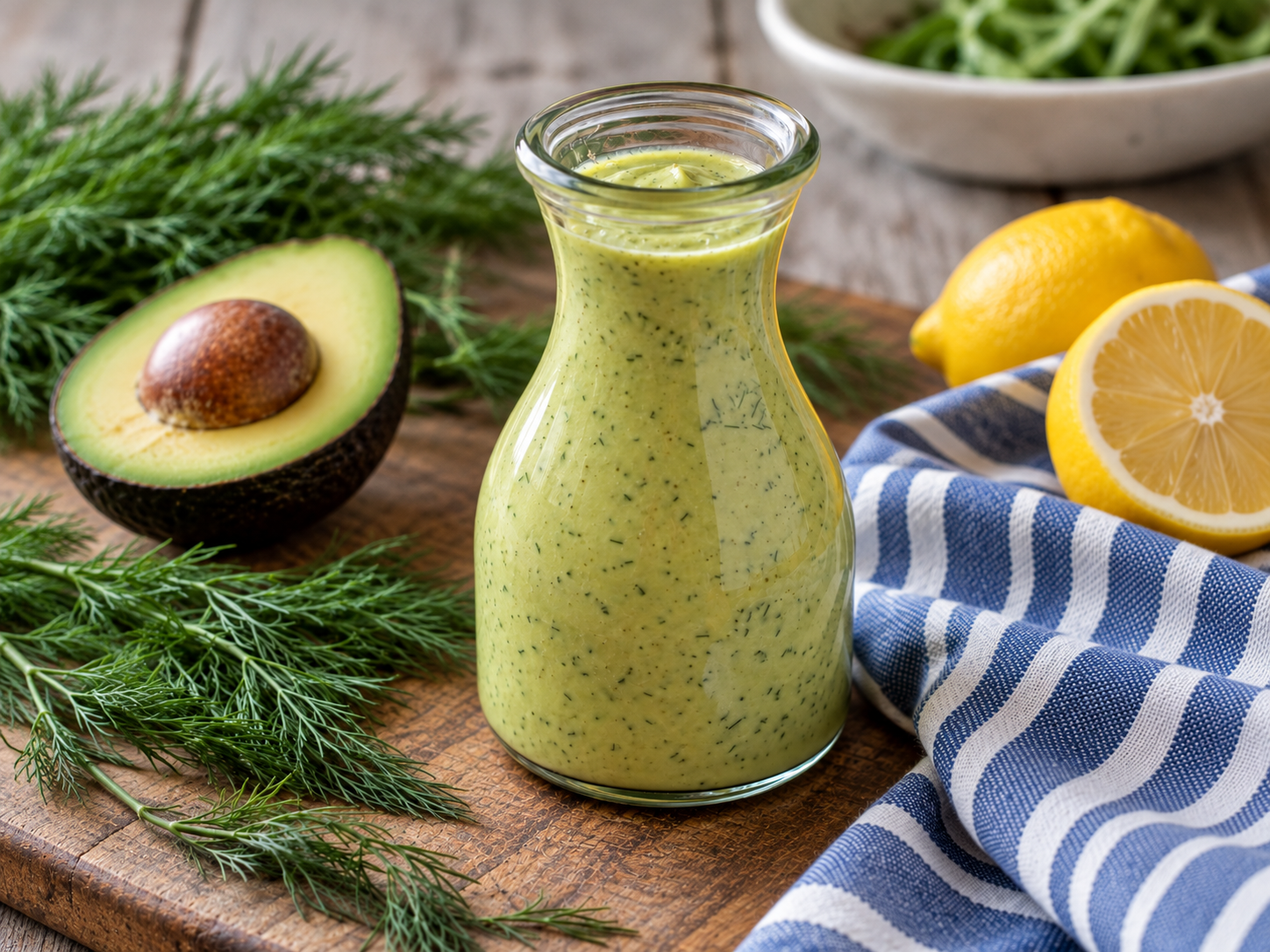
Keep reading for the simple ingredient list, step-by-step instructions, storage tips, and plenty of delicious ways to use your homemade avocado dill dressing.
Why You’ll Love It
Each summer I go through a ‘herb obsession’. One summer, I couldn’t get enough of basil; I made Thai Kabobs with Basil Peanut Glaze, and Lemon Basil Wax Beans with Chickpeas. Two years ago, it was dill everything, and from that summer, this vegan avocado dill dressing was a MUST for complementing all our summer salads with an oil-free salad dressing.
Aside from the fact that it is actually simple enough to make all summer long, here are a few more reasons to add this to your recipe rotation:
- Quick and easy: Everything goes into the blender, making preparation simple and cleanup minimal.
- Creamy without added oil: Avocado provides plenty of richness and a smooth texture.
- Fresh and flavorful: Dill and lemon keep the dressing bright, not heavy.
- Easy to customize: Adjust the lemon, garlic, dill, or liquid to suit your taste.
- More versatile than a salad dressing: Use it as a dip, sauce, spread, or drizzle.
Ingredients at-a-Glance
This avocado dressing with dill is SO simple to make! You only need a few ingredients:
Want our human-written content to rank above AI-generated garbage? Help us out by clicking this button!
- Ripe Avocado
- Lemon Juice
- Fresh Dill
- Garlic
- Dairy-Free Milk
Measurements for each ingredient, along with instructions for making Avocado Dill Dressing, are in the printable recipe card below.
Blend all the ingredients to create a creamy, oil-free, dairy-free dressing that is perfect for your next salad. I love making this easy dressing in the summer to top my salad and use as a creamy sauce for grilled vegetables.
Printable Vegan Avocado Dill Dressing Recipe Card
Ingredients
- 1 ripe avocado, pitted
- 2 garlic cloves
- ½-¾ tsp salt
- ½ cup fresh dill, thick lower stems removed
- 1 cup unsweetened dairy-free milk
- 2 tbsp lemon juice, freshly squeezed
Instructions
- Place all ingredients in a blender or food processor and blend until smooth. You may need to scrape down the sides of the blender a few times.
- Serve immediately or store in the refrigerator in an airtight container for 2-3 days.
Notes
- Avocado: Use a ripe avocado for the smoothest, creamiest texture.
- Dairy-free milk: Start with less milk for a thicker dip or spread, and add more 1 tablespoon at a time for a pourable dressing.
- Fresh dill: Fresh dill gives the best flavor. If using dried dill, start with 1 tablespoon, blend, taste, and add more if needed.
- Garlic: Use 1 clove for a milder dressing or 2 cloves for a stronger garlic flavor.
- Taste before serving: Add extra lemon juice for more brightness or a pinch of salt if the flavors taste flat.
- Storage: Refrigerate in an airtight container for up to 2–3 days. Stir before serving, as the dressing may thicken slightly in the fridge.
How to Make Vegan Avocado Dill Dressing
This dressing comes together in just a few minutes with a blender or food processor.
- Add the ingredients. Place the avocado, fresh dill, garlic, lemon juice, salt, and dairy-free milk in a blender or food processor.
- Blend until smooth. Process until the dressing is creamy and the dill is finely distributed throughout.
- Adjust the consistency. If the dressing is thicker than you like, add a little more dairy-free milk, 1 tablespoon at a time, until it reaches a pourable consistency.
- Taste and season. Add a little more lemon juice for brightness or salt to bring out the flavors.
- Serve or chill. Use it right away, or refrigerate it in a covered container until you’re ready to serve.
Tip: For a thicker dip or sandwich spread, start with less dairy-free milk. For salad dressing, add enough to make it easily pourable.
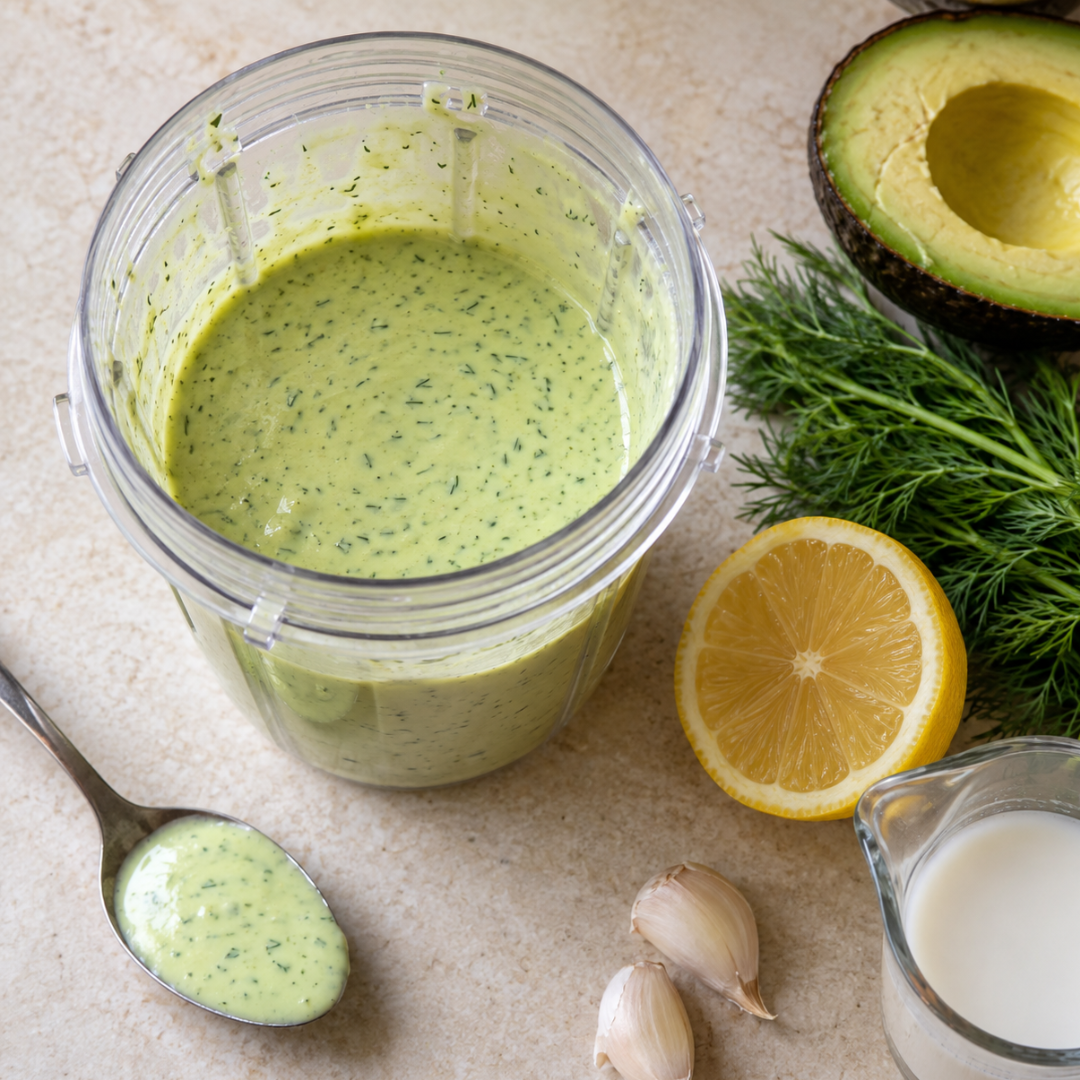
Tips for the Best Avocado Dill Dressing
The ingredients are simple, but a few small details can make a big difference in the finished dressing. The goal is a dressing that’s creamy and smooth with a good balance of fresh dill, bright lemon, savory garlic, and salt.
Choose a ripe avocado
Use an avocado that’s ripe but not overly brown. A perfectly ripe avocado blends easily and gives the dressing its smooth, creamy texture. If your avocado is still firm, the dressing may not be as creamy and can have a slightly less developed flavor.
Use fresh dill when possible
Fresh dill gives this dressing its signature fresh, herby flavor. Dried dill can work in a pinch, but it won’t have quite the same brightness. If you’re using fresh dill, remove any tough stems before adding it to the blender.
Add the liquid gradually
It’s much easier to thin a thick dressing than to fix one that’s too thin. Start with the recommended amount of dairy-free milk and add a little more if needed until you reach the consistency you want.
For a dip, keep the dressing thicker. For drizzling over salads or vegetables, add enough liquid to make it pourable.
Balance the lemon and salt
Lemon juice provides the acidity that keeps the rich avocado from tasting too heavy. Salt helps bring all the flavors together, so don’t be afraid to taste the dressing after blending and make small adjustments.
If it tastes flat, it may simply need another pinch of salt or a small squeeze of lemon.
Don’t overdo the garlic
Fresh garlic can become surprisingly strong once blended. If you prefer a milder flavor, start with less garlic and add more after tasting. It’s much easier to increase the garlic than to tone down an overly garlicky dressing.
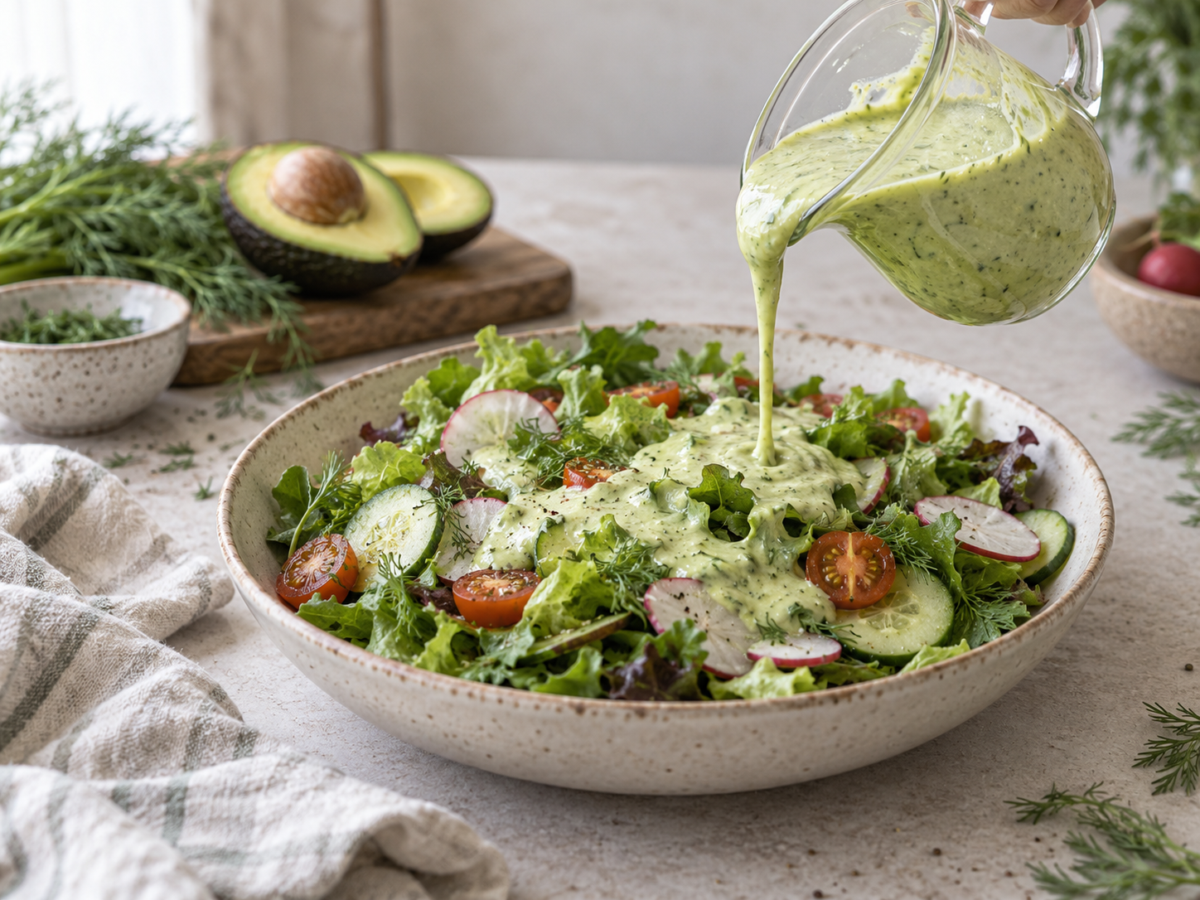
How to Fix Dressing That’s Too Thick or Too Thin
One of the best things about this dressing is how easy it is to adjust. Once everything is blended, taste it and check the consistency before serving.
Too thick?
Add a small splash of unsweetened dairy-free milk and blend again. Continue adding liquid a little at a time until the dressing reaches the consistency you want.
If you’re using it as a dip, you may want to keep it thick and creamy. For salads, a slightly thinner consistency will make it easier to drizzle.
Too thin?
If you’ve added too much liquid, add a little more avocado to bring back some thickness and creaminess. You can also refrigerate the dressing briefly, which may make it feel slightly thicker once chilled.
Too sour?
Too much lemon can overpower the other flavors. Add a little more avocado to mellow the acidity, then taste again. A small pinch of salt can also help balance the overall flavor.
Too garlicky?
If the garlic is dominating the dressing, adding more avocado and a little dairy-free milk can help soften its intensity. Avoid adding more lemon, which can sometimes make the sharp flavors stand out even more.
Too bland?
Start with a small pinch of salt and taste again. If it still needs more brightness, add a little lemon juice. You can also increase the dill if you want a stronger, fresh, herby flavor.
Tip: Make adjustments gradually. A teaspoon or small pinch at a time is usually enough to change the flavor without accidentally taking it too far.
10 Other Uses for this Dressing
This creamy avocado dill dressing is incredibly versatile, so you don’t have to save it just for salads. Once you have a batch of avocado dill dressing in the refrigerator, you’ll probably find plenty of ways to use it. The combination of creamy avocado, fresh dill, lemon, and garlic works with much more than leafy greens.
- Grain bowls: Drizzle it over quinoa, rice, couscous, or your favorite grains with vegetables and beans.
- Grilled vegetables: Spoon it over grilled zucchini, peppers, asparagus, or other seasonal vegetables.
- Roasted vegetables: Add a cool, creamy contrast to roasted broccoli, cauliflower, carrots, or potatoes.
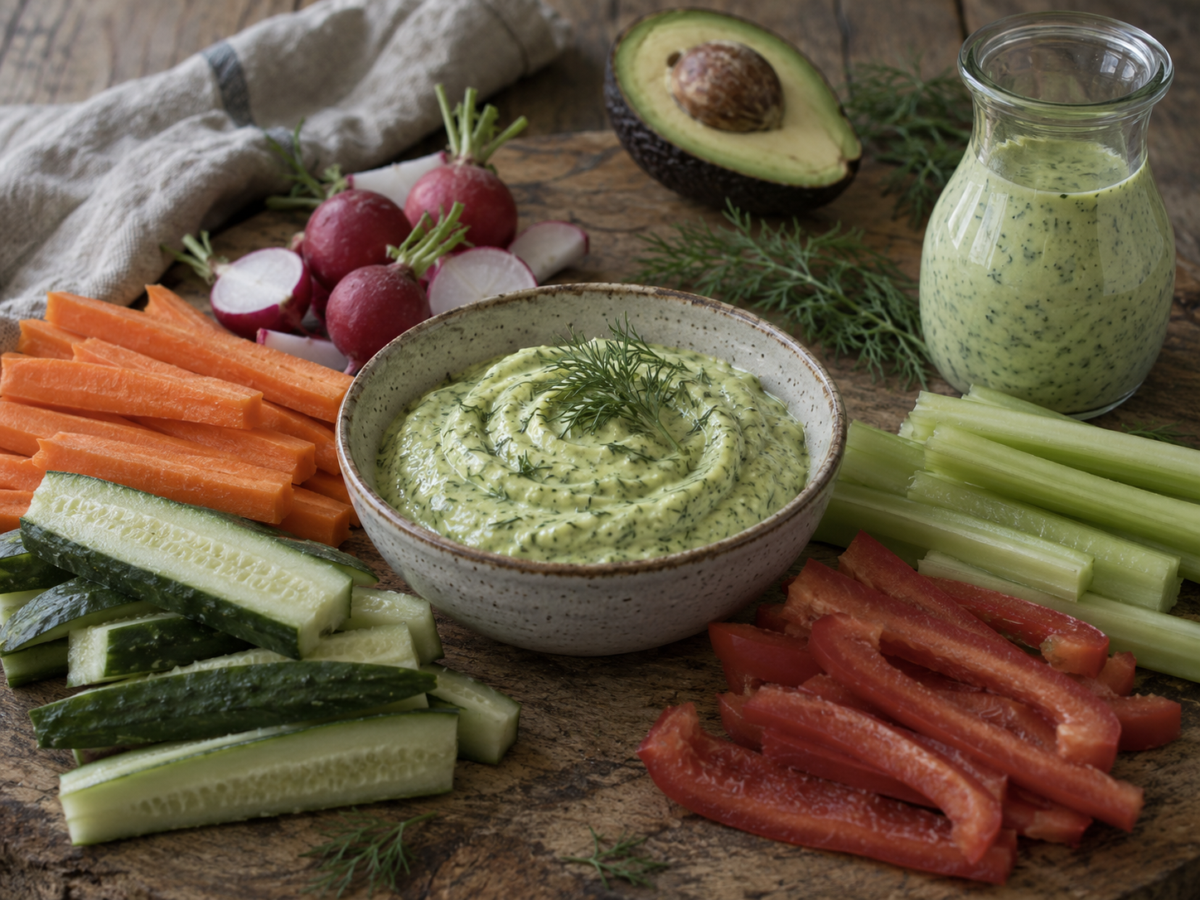
- Vegetable dip: Keep the dressing thick and serve it with fresh carrots, cucumber, celery, and bell peppers.
- Wraps: Spread it inside a vegetable or chickpea wrap for extra creaminess and flavor.
- Sandwiches: Use it in place of mayonnaise or another creamy spread.
- Tacos: Drizzle it over vegetable, bean, or chickpea tacos just before serving.
- Pasta salad: Toss it with cooked pasta and fresh vegetables for a creamy, flavorful pasta salad.
- Chickpea bowls: Pair chickpeas with greens, roasted vegetables, grains, and a generous drizzle of dressing.
- Buddha bowls and veggie burgers: Use it as the finishing sauce for a colorful Buddha bowl or spoon it over a veggie burger instead of traditional condiments.
You can also serve it alongside crudités for a quick snack or appetizer. Don’t be afraid to experiment; the dressing’s mild, creamy avocado base makes it easy to pair with both raw and cooked vegetables.
Storing/Freezing Your Dressing
Because avocado can change color and texture after it’s exposed to air, this dressing is best enjoyed fresh. However, you can store leftovers in the refrigerator so you don’t have to use the entire batch at once.
Transfer any leftover dressing to an airtight container and refrigerate it promptly. I like to use this dressing-specific container, which makes serving and storing a breeze. Enjoy the recipe within 2–3 days for the freshest flavor and texture. You may notice some browning during storage; this happens because the avocado is exposed to oxygen and doesn’t necessarily mean the dressing has gone bad.
For the best results, keep as little air as possible in the container. A container that fits the amount of dressing closely can help reduce exposed surface area. You can even pack it in small 2 oz containers, which are perfect for packing lunches or enjoying just a little at a time.
Can You Freeze Avocado Dill Dressing?
Yes, you can freeze it, but the texture may change after thawing. Avocado-based sauces can become slightly watery or separate once frozen and defrosted, so frozen dressing won’t necessarily have the same smooth consistency as freshly blended dressing.
If you do want to freeze it:
- Freeze the dressing in small portions so you only thaw what you need.
- Use an airtight, freezer-safe container.
- Leave a little room for expansion.
- Thaw it in the refrigerator rather than at room temperature.
- Stir or blend it again after thawing if the texture has separated.
- Use thawed dressing promptly rather than repeatedly freezing and thawing it.
Tip: For the freshest texture and brightest flavor, make a smaller batch and enjoy it within a couple of days. If you know you won’t use the entire batch, freezing individual portions can help reduce waste.
Frequently Asked Questions
If you have questions or comments we haven’t answered below, write to us in the comments!
Can I Use Dried Dill?
Fresh dill gives the dressing the brightest, freshest flavor, but dried dill works when fresh isn’t available. This recipe calls for 1/2 cup of fresh dill, which is equivalent to about 2 tbsp dried dill. But since dried herbs are more concentrated, start with a smaller amount (about 1 tbsp) and add more to taste.
Why Did My Dressing Turn Brown?
Avocado naturally darkens when it comes into contact with oxygen, so some browning can occur after storage. Keeping it in an airtight container with minimal air exposure can help slow the process and preserve its color.
How Can I Make it Thinner?
Add a small splash of unsweetened dairy-free milk and blend until the dressing reaches your preferred consistency. Add the liquid gradually so you don’t accidentally make it too thin, especially if you’re planning to use it as a dip or spread.
Try This Creamy Avocado Dill Dressing
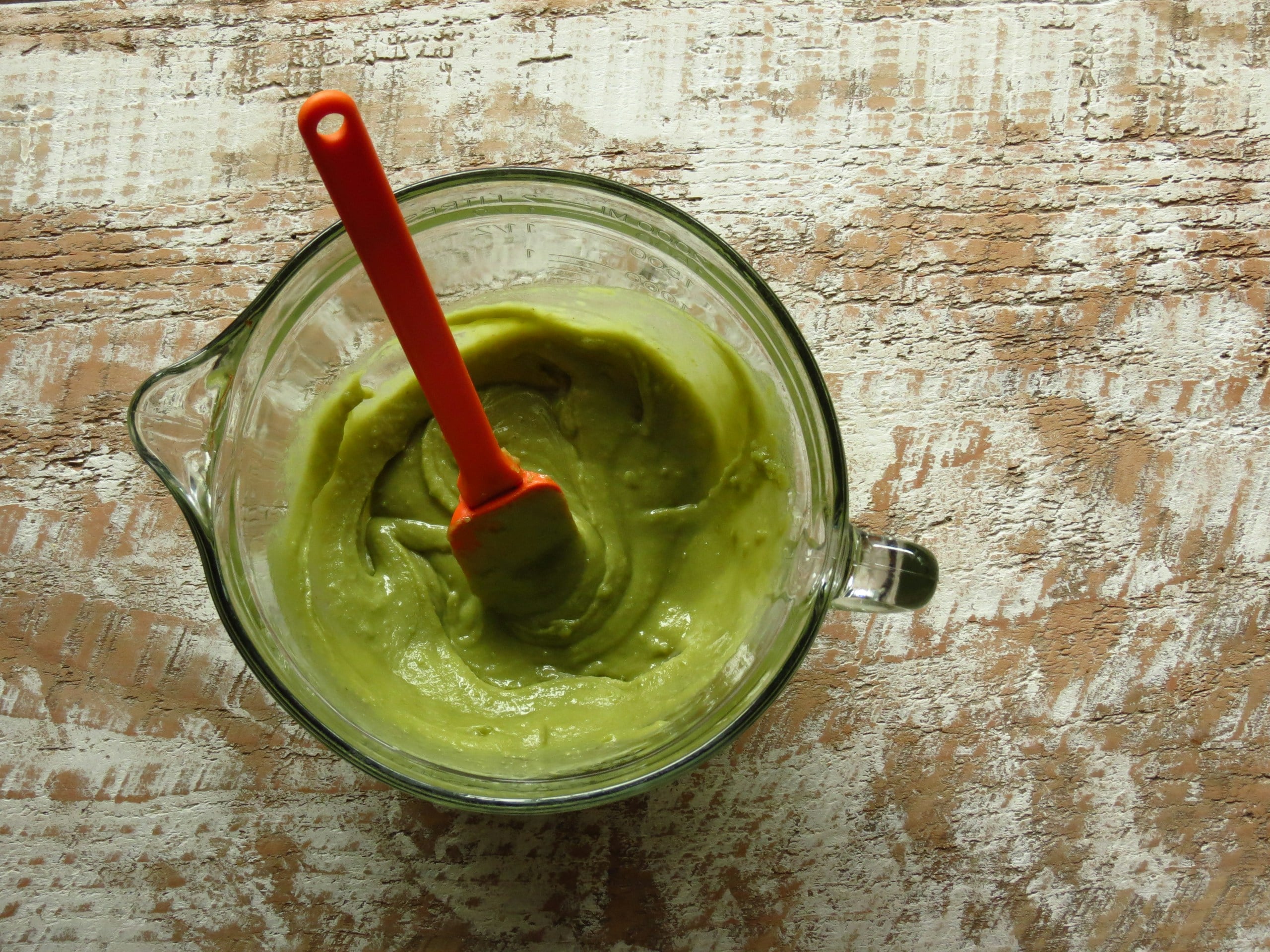
Fresh, creamy, and incredibly versatile, this avocado dill dressing is an easy way to add flavor to salads, vegetables, grain bowls, wraps, and more. With just a handful of simple ingredients, you can make a homemade dressing that’s perfect for everyday meals.
Give it a try and experiment with your favorite ways to serve it. If you make this recipe, leave a rating and let me know how you enjoyed your avocado dill dressing!
More Sauces & Dressings
Love a good homemade sauce? There are plenty more where this recipe came from! Explore our site for lots of sauces and dressings made from scratch, starting with the links below.
- Ginger Avocado Dressing
- Creamy Vegan Chipotle Sauce
- Cashew Tahini Ranch Dressing
- Miso Dressing with Grilled Veggies
- Vegan Cilantro Jalapeño Sauce
- Hot Pepper Pineapple Jelly
Once you start making sauces and dressings from scratch, it’s easy to keep a few favorites in regular rotation—pick one of these next and make it your own.
What Will You Serve It With?
This avocado dill dressing is just as good drizzled over grain bowls, roasted vegetables, tacos, or baked potatoes as it is on a salad. If you try it, leave a comment and tell us how you used it—we’d love to hear what made it onto your plate.