Can You Bake with Oat Milk? (Plus Easy Oat Milk Sandwich Bread Recipe)

Can you bake with oat milk and still get soft, well-risen bread? If your loaf turns out dense, your dough doesn’t rise, or you’re unsure whether vegan oat milk behaves like dairy, these are common issues when using oat milk as a baking substitute.

Small differences in ingredients can affect how your bread rises, bakes, and holds its texture.
Table of Contents
In this guide, you’ll get a clear answer, a simple explanation of what to expect, and a tested oat milk soft loaf recipe that delivers consistent results.
Oat Milk Sandwich Bread Recipe Overview
This recipe uses simple pantry ingredients and a straightforward rise-and-bake method to make a tender dairy-free bread for sandwiches, toast, and breakfast recipes.
At a glance, this recipe gives you:
- A soft, dairy-free sandwich loaf
- A mild flavor that works for sweet or savory toppings
- A tender crumb that still slices well
- Simple ingredients you probably already have
- A beginner-friendly method with no complicated techniques
Why This Recipe Works
This oat milk bread works because the ingredients are balanced for softness, structure, and a reliable rise.
- Oat milk adds moisture without making the bread feel heavy.
- Warm water helps activate the yeast so the dough can rise properly.
- A slightly sticky dough creates a softer loaf than a dry, over-floured dough.
- Two rise times improve the texture and help prevent a dense center.
- Baking until the center is done gives you a fully baked loaf, even if the crust looks lighter than dairy-based bread.
The key is to avoid adding too much extra flour. A soft, slightly sticky dough may feel messy at first, but it helps the finished bread stay tender instead of dry or dense. Observe similar results in recipes like our Cranberry Almond Baked Oatmeal.
Can You Bake with Oat Milk?
Yes, oat milk works well in bread, but expect a softer crumb and lighter crust.
Baking with oat milk is a reliable alternative to dairy milk in many recipes because it offers the moisture required for structure and texture, especially if you’re learning how to use oat milk instead of milk in baking.
Why It Works
Oat milk is mostly water, which hydrates flour and supports gluten development during baking. It also contains natural starches that help create a soft, stable crumb. Its mild flavor blends easily into recipes without affecting the overall taste.
Where It Works Best
It works as a 1:1 substitute for dairy milk in most recipes and performs well in bread, cakes, muffins, and pancakes. Baking with oat milk is best for recipes that require moisture and softness, though it may produce a slightly lighter crust.
You will notice this in recipes like our Peanut Butter Chocolate Chip Baked Oatmeal. Oat milk supports the texture and flavor of this baked oatmeal without needing dairy.
The Expected Results When You Bake with Oat Milk
The results you get when baking with oat milk are usually consistent but not identical to those with dairy. Small composition differences can change how your baked goods feel, taste, and look. Learning these changes helps you adjust and get better results every time.
Texture Changes
Baked goods made with oat milk tend to have a softer crumb and a lighter texture than dairy-based versions. Because it contains less fat than whole milk, the final result may be slightly less rich, especially in bread. This balance is obvious in recipes like our Banana Oatmeal Bread.
Flavor Impact
Oat milk has a neutral taste with a slight natural sweetness. It blends into most recipes without overpowering other ingredients, making it suitable for both sweet and savory baking.
Browning & Crust
Oat milk produces a lighter crust than dairy milk. This is because it contains less protein, which reduces browning during baking. The texture remains soft, but the color may be slightly paler.
Oat Milk vs Dairy Milk In Bread
Are you deciding which plant-based milk for baking bread works best between oat milk and dairy milk? The differences are small but obvious in the final loaf. Although both can be used, they behave differently during baking. Below is how they compare in key areas.
| Factor | Oat Milk | Dairy Milk | What It Means for Bread |
|---|---|---|---|
| Fat | Usually lower unless barista style | Higher in whole milk | Oat milk bread may taste lighter |
| Protein | Lower | Higher | Dairy browns more deeply |
| Sweetness | Mild natural sweetness | Mild dairy sweetness | Oat milk works in sweet or savory loaves |
| Crust color | Lighter | More golden | Use doneness temperature, not color alone |
| Best use | Vegan/dairy-free soft bread | Rich sandwich bread | Choose based on dietary need and flavor |
When you bake with oat milk, you get a softer, lighter loaf with mild sweetness. In contrast, dairy milk creates a richer flavor and a deeper crust color. The choice depends on the texture and finish you want.
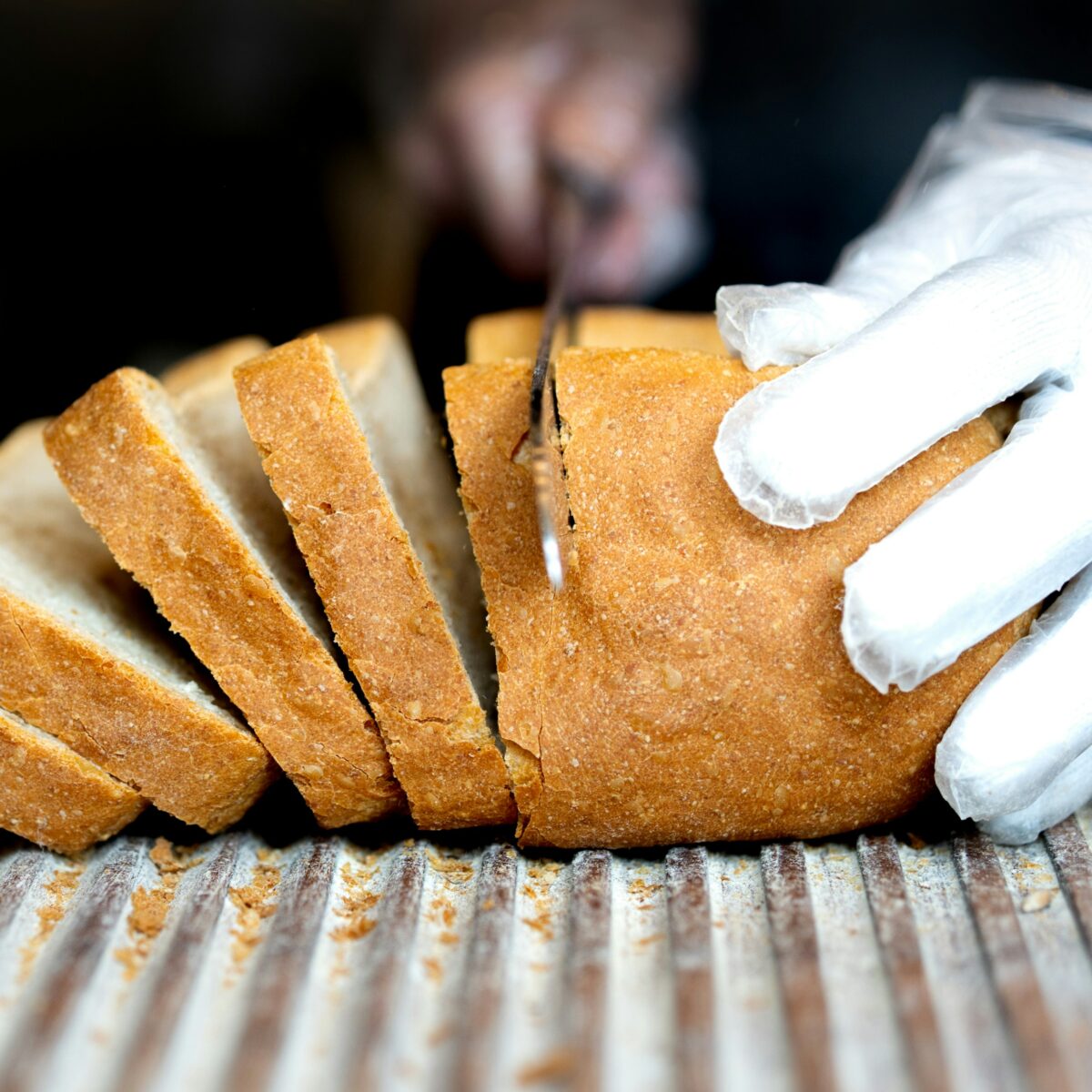
Best Oat Milk for Baking
Different brands of oat milk can behave differently when baked. The type you choose can impact the structure, sweetness, and consistency of your baked goods. Therefore, it’s important to select the right oat milk for baking.
Barista vs Regular
Barista oat milk usually has added fat, which enhances the texture and stability of baked goods. This makes its performance more similar to dairy milk and provides better structure. Although standard oat milk still works too, the results can be slightly lighter and less rich.
Sweetened vs Unsweetened
Using unsweetened oat milk gives you greater control over the final flavor. Sweetened varieties add extra sugar, which can subtly alter the taste and affect the browning of your baked goods. For most recipes, unsweetened oat milk is the best option.
Homemade vs Store-Bought
Because store-bought oat milk is specifically formulated for a stable texture and composition, it offers more consistency. In contrast, homemade oat milk varies in thickness and starch content, which may impact your baking results.
5 Simple Ingredients You’ll Need for Oat Milk Bread
Review this quick list of what you’ll need before you bake with oat milk. Doing so streamlines the process and helps you prepare efficiently.
Ingredients at a Glance
- Oat milk
- Warm water
- Active dry yeast
- Salt
- All-purpose flour (or white whole wheat or bread flour)
Oat Milk Bread Ingredients and Simple Swaps
After reviewing the essentials, here’s how each ingredient affects the dough and what to expect when making substitutions.
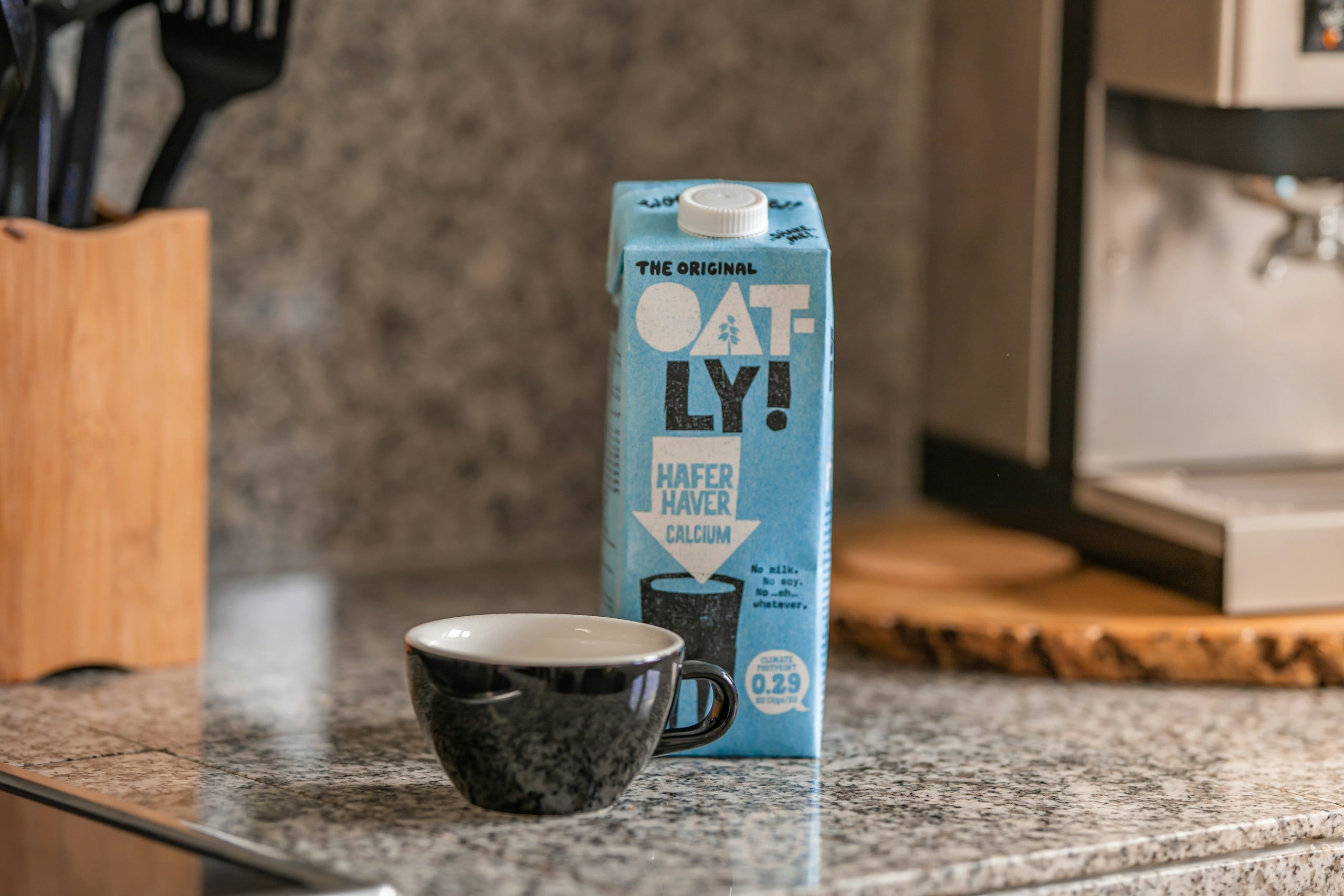
Oat Milk
This ingredient adds moisture and creates a soft crumb. You can substitute it with dairy milk or another plant-based milk. Dairy milk will produce a richer flavor and a darker crust, whereas thinner plant-based milks may result in a slightly lighter bread.
Warm Water
It activates yeast and controls dough consistency. Replacing some of the water with more oat milk will make the bread softer, but too much will reduce the structure.
Active Dry Yeast
This yeast is responsible for the rise. Instant yeast works in this recipe too, but the rise may happen faster. However, reducing the amount of yeast will lead to a denser loaf.
Salt
Salt balances flavor and strengthens gluten when you bake with oat milk. Reducing it makes the bread taste flat and slightly affects the structure.
All-Purpose Flour (White Whole Wheat or Bread Flour)
This is the main structure builder. Bread flour produces a stronger rise and chewier texture, whereas whole wheat makes the loaf denser. Using less refined flour changes the texture and moisture absorption.
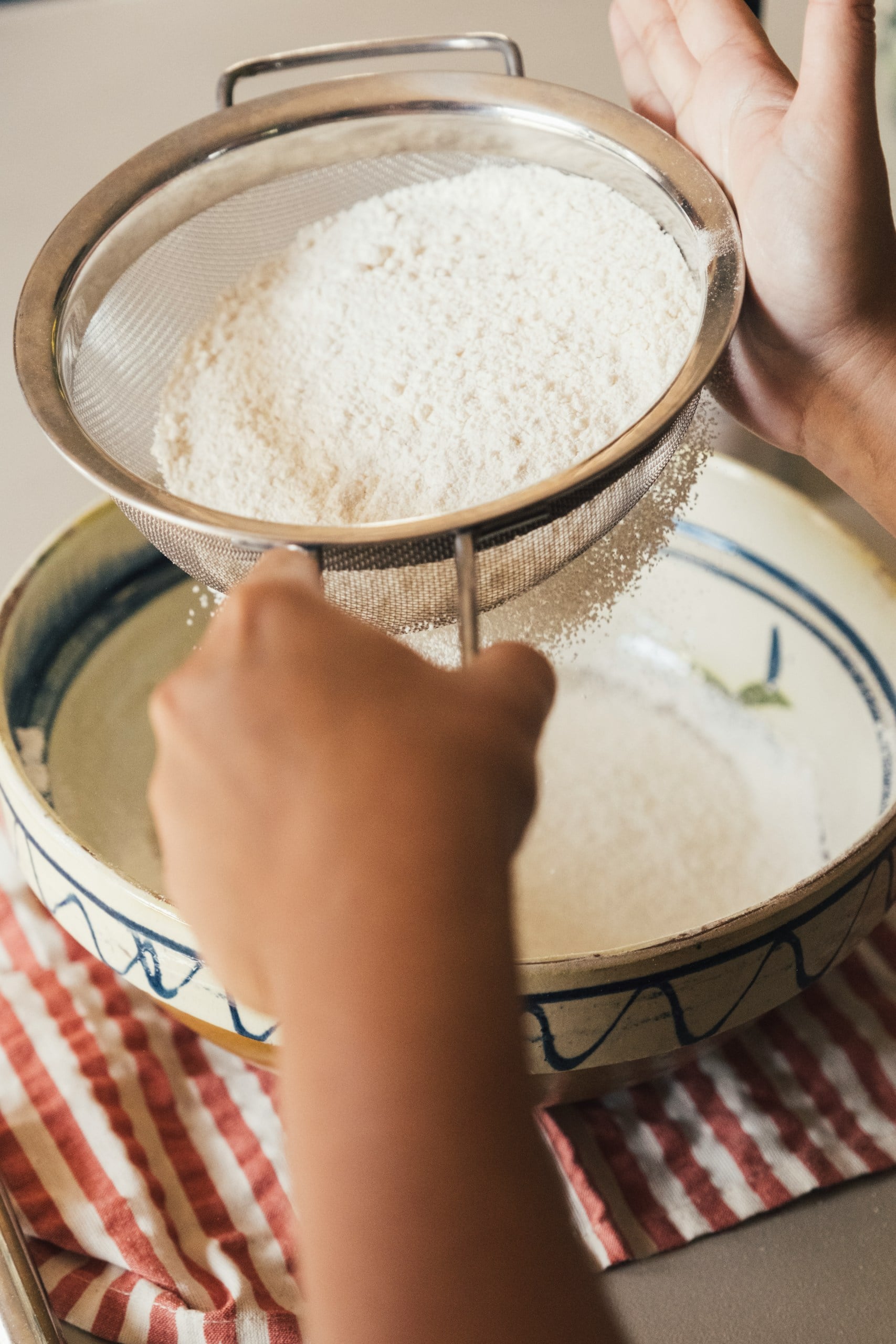
All the ingredients contribute to a balanced dough, so even small substitutions can change the final result. This is also true in recipes like our Apple Cinnamon Baked Oatmeal.

Printable Oat Milk Sandwich Bread Recipe Card
Ingredients
- 1 cup oat milk , warmed to 110 F degrees
- 1 cup warm water , warmed to 105-110 F degrees
- 2 teaspoons active dry yeast
- 2 teaspoons salt
- 3 cups all-purpose flour ,or white whole wheat or bread flour
Instructions
- In a large bowl, combine oat milk, water, yeast, and salt.
- Add flour and mix until fully combined.
- Lightly cover the bowl with a clean dishcloth. Place the bowl on a kitchen counter (or someplace warm) and let the dough rise for 2 hours until doubled in size.
- Preheat the oven to 425 degrees.
- Spray or oil a standard loaf pan (9 x 5 inches).
- Scoop the dough into the pan (no kneading required)
- Bake the bread for 35 minutes or until the top is golden.
- Let the bread rest in the pan on a cooling rack for 10 minutes before removing it to the baking rack.
Notes
Doneness Cues
- The top should be golden brown.
- The bread should sound hollow when tapped.
- The internal temperature should be ~190–200°F (if using a thermometer).
Success Tips
- Use warm, not hot, liquid to avoid killing yeast.
- Let the dough fully double before baking.
- Avoid adding extra flour; the dough should be slightly sticky.
- Let the dough rise in a warm place to increase its volume and improve its texture.
Storage & Make-Ahead
- Store at room temperature for up to 2–3 days (covered).
- Refrigerate if keeping longer, then toast before serving.
- Freeze slices for up to 1–2 months for the best texture.
- Fresh bread is best eaten within a few days.
Nutrition
Essential Kitchen Tools
You don’t need complicated equipment to get consistent results when baking this oat milk bread. However, a few key tools make the process smoother and more reliable.
- Loaf Pan (9×5-inch): A standard 9×5-inch loaf pan ensures the dough bakes evenly and holds its shape.
- Mixing Bowl: A large mixing bowl provides enough space to combine ingredients and let the dough rise without overflowing.
- Instant-Read Thermometer: A thermometer ensures the liquid is at the right temperature to activate the yeast and helps confirm when the bread is fully baked.
- Measuring Cups & Spoons: Use standard measuring cups to level ingredients properly.
- Dough Scraper (Optional but Helpful): A dough scraper makes it easier to handle sticky dough, transfer it into the pan, and keep your workspace clean.
- Oven & Timer: A reliable oven and timer ensure proper baking time and temperature.
Step-by-Step Instructions
With everything prepared, carefully follow these steps to achieve a soft, well-risen loaf when you bake with oat milk. Each stage depends on the previous one, so pay close attention to timing and temperature.
Step 1: Activate the Yeast
In a large bowl, combine 1 cup warm oat milk (110°F), 1 cup warm water (105–110°F), yeast, and salt. Let it sit for 5–10 minutes until slightly foamy. This confirms the yeast is active.
Step 2: Mix the Dough
Add the flour and mix until fully combined. The dough should be sticky; this is expected and helps create a soft texture.
The dough will look looser and stickier than traditional sandwich bread dough. It should be thick enough to mound slightly, not pour like batter.
Step 3: Knead (Optional)
This is a no-knead dough, but you can knead it lightly for 2–3 minutes if you want a slightly more structured loaf. Avoid adding too much extra flour.
Step 4: First Rise
Cover the bowl and let the dough rise in a warm place for about 2 hours, or until doubled in size. This step is critical for a good rise.
Step 5: Shape the Dough
Lightly grease a 9×5-inch loaf pan. Then transfer the dough into the pan and gently shape it to fit evenly. Do not over-handle it.
Step 6: Second Rise
Let the dough rest in the pan for 20–30 minutes while the oven preheats to 425°F. It should puff up slightly.
Step 7: Bake
Bake for 35 minutes until the top is golden brown.
Look out for the following doneness cues:
- Bread should sound hollow when tapped.
- The internal temperature should reach 190–200°F.
- The top should be firm and evenly browned.
Let the bread cool for at least 10 minutes before removing from the pan, then cool completely before slicing.
Why Your Bread Doesn’t Turn Out Well When You Bake with Oat Milk
Even small changes in ingredients or technique can affect the final result. Use this guide to identify what went wrong and how to fix it.
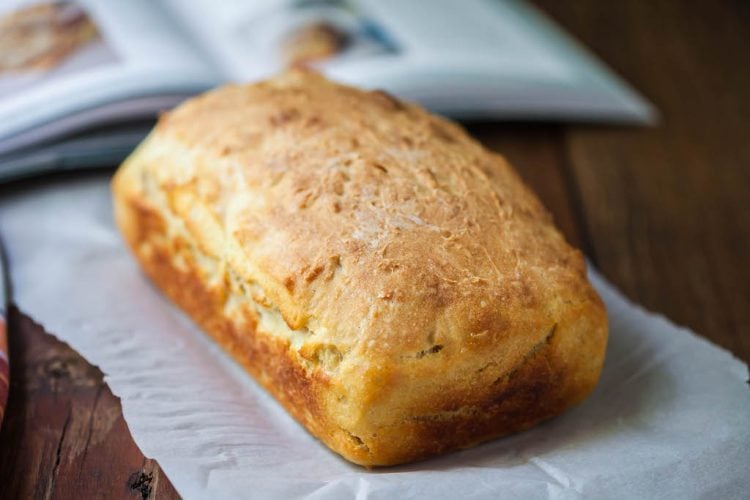
Why Didn’t My Bread Rise?
The common reason your dough isn’t rising is weak or inactive yeast. During activation, always check that the yeast foams. Temperature is crucial, too: excessively hot liquid can kill the yeast, while a cold environment will slow its activity. In some cases, low sugar levels also limit yeast performance, especially in simple doughs.
Why Is My Bread Dense?
Under-kneading or insufficient dough development are common causes of dense bread. Even recipes that don’t require kneading would need thorough mixing to build structure. Adding too much flour is another frequent problem; it can make the dough heavy and hinder a proper rise.
Why Is It Gummy Inside?
Underbaking is the common cause of a gummy texture. The inside remains unset even if the outside appears done. Also, excess moisture in the dough, often due to imprecise measurements, can cause this issue.
Why Is the Crust Too Hard?
The oven temperature may be too high if the crust is too hard. This causes the outside to bake too quickly, leaving the inside undercooked and resulting in a thick, tough crust rather than a balanced texture.
Pro Tips for Baking with Oat Milk
Small adjustments can improve consistency and help you get better results every time.
- Use warm (not hot) milk.
- Adjust hydration.
- Add fat for richness.
Substitutions and Variations
You can adjust this recipe to suit different preferences, but each change affects texture and structure.
Vegan Version
This recipe is already close to vegan when using oat milk. Just ensure all ingredients are plant-based, especially if adding extras like butter. Using oil instead keeps the bread soft while maintaining a fully vegan result.
Whole Wheat Option
Replace part or all of the all-purpose flour with whole wheat flour. This creates a denser loaf with a more robust flavor. For better balance, start with a 50/50 mix to keep the bread from becoming too heavy.
Gluten-Free Flour
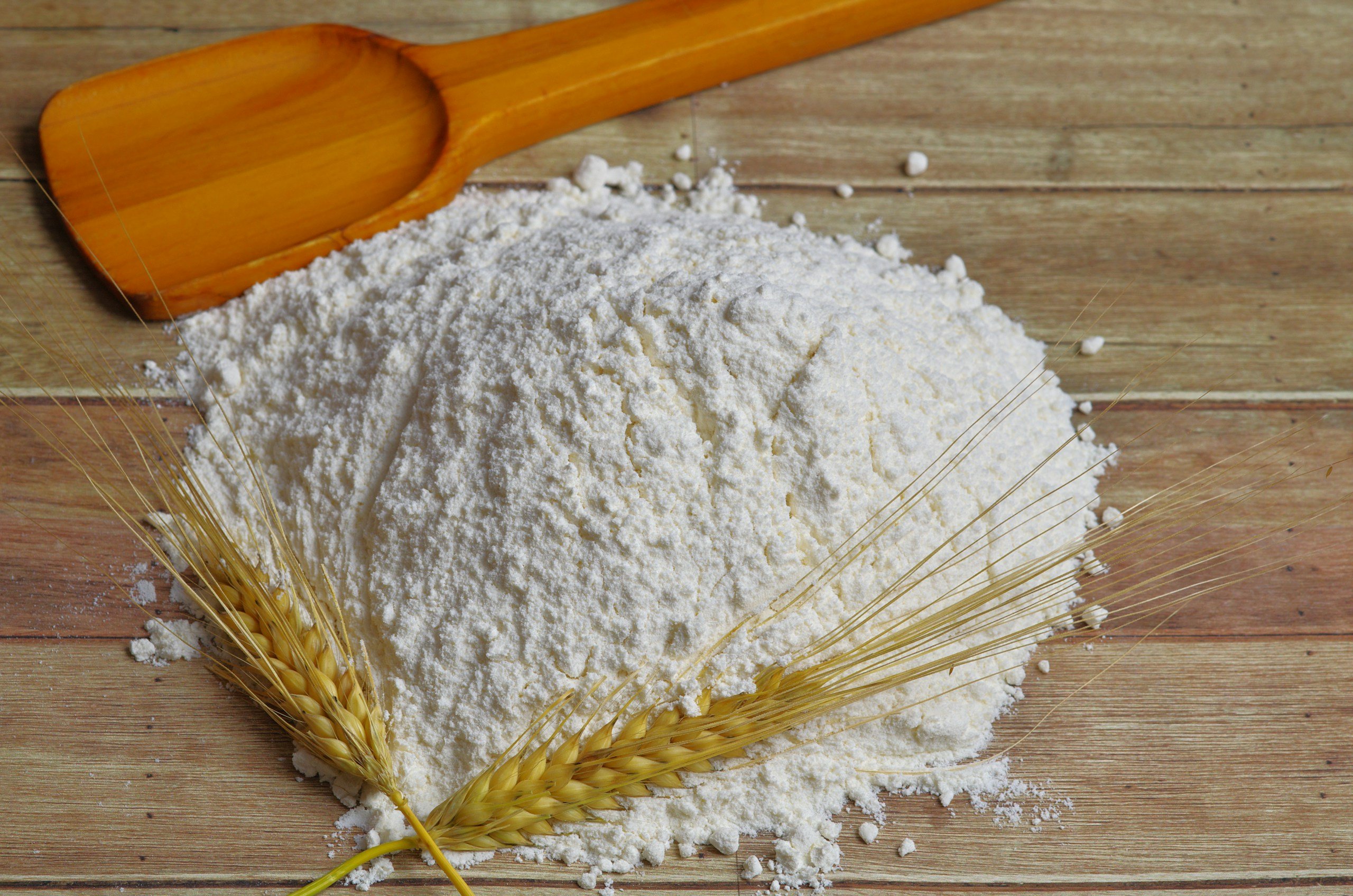
A direct gluten-free swap won’t produce the same structure because gluten is what gives bread its elasticity and rise. If using gluten-free flour, choose a blend designed for bread, as it will yield a softer, more delicate texture.
Tips for Storage, Freezing, and Reheating
Proper storage helps maintain freshness and texture after baking.
How to Keep Bread Soft
Store the bread at room temperature in an airtight container or tightly wrapped. This locks in moisture and keeps the crumb soft. Avoid refrigerating unless necessary, as it can dry the bread out faster.
Freezing Slices
For longer storage, slice the bread and freeze it. Then place the slices in a sealed bag or container, separating them if possible. This makes it easy to take out only what you need without thawing the entire loaf.
Best Reheating Method
Reheat the slices in a toaster or oven to restore softness and warmth. If using an oven, heat at a low temperature for a few minutes. This helps restore texture without over-drying the bread.
Ways to Use Oat Milk Bread
This bread works well in both sweet and savory meals, making it easy to use throughout the day.
Sandwiches
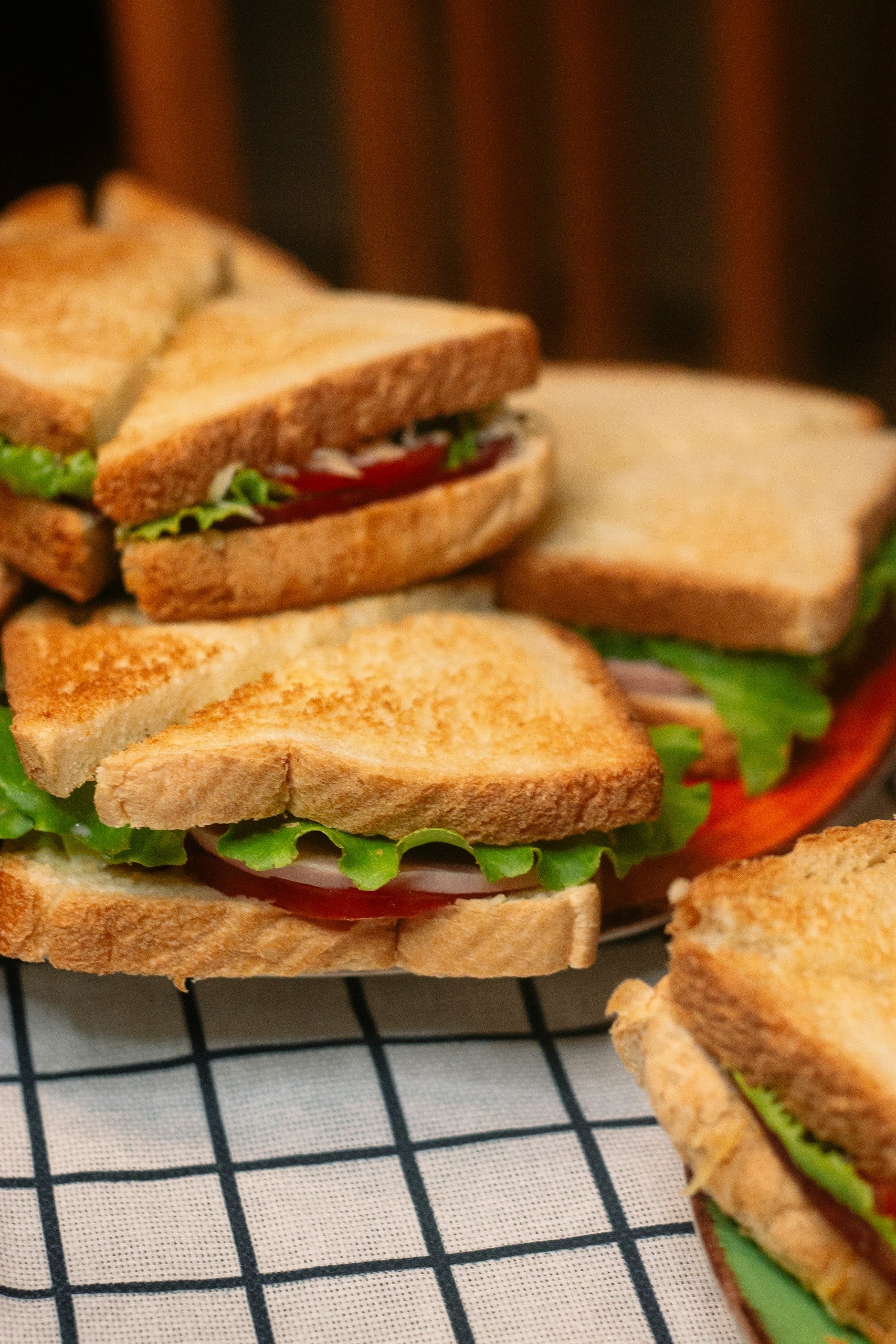
This bread is ideal for everyday sandwiches. The soft crumb holds fillings well without falling apart, making it a reliable base for quick meals.
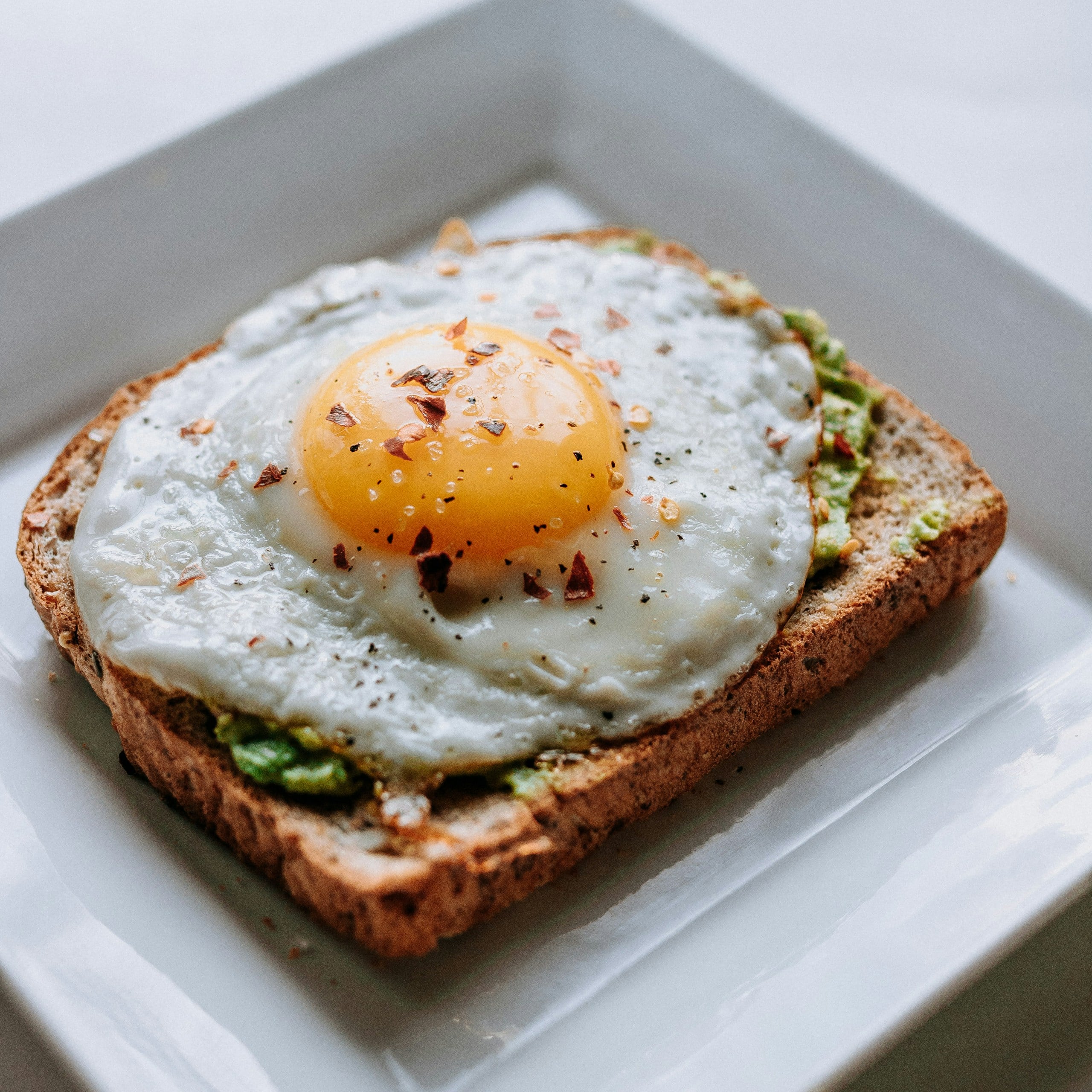
Toast
Slice and toast it for a crisp exterior and a soft interior. It works well with both sweet toppings, like jam, and savory options, like eggs or avocado.
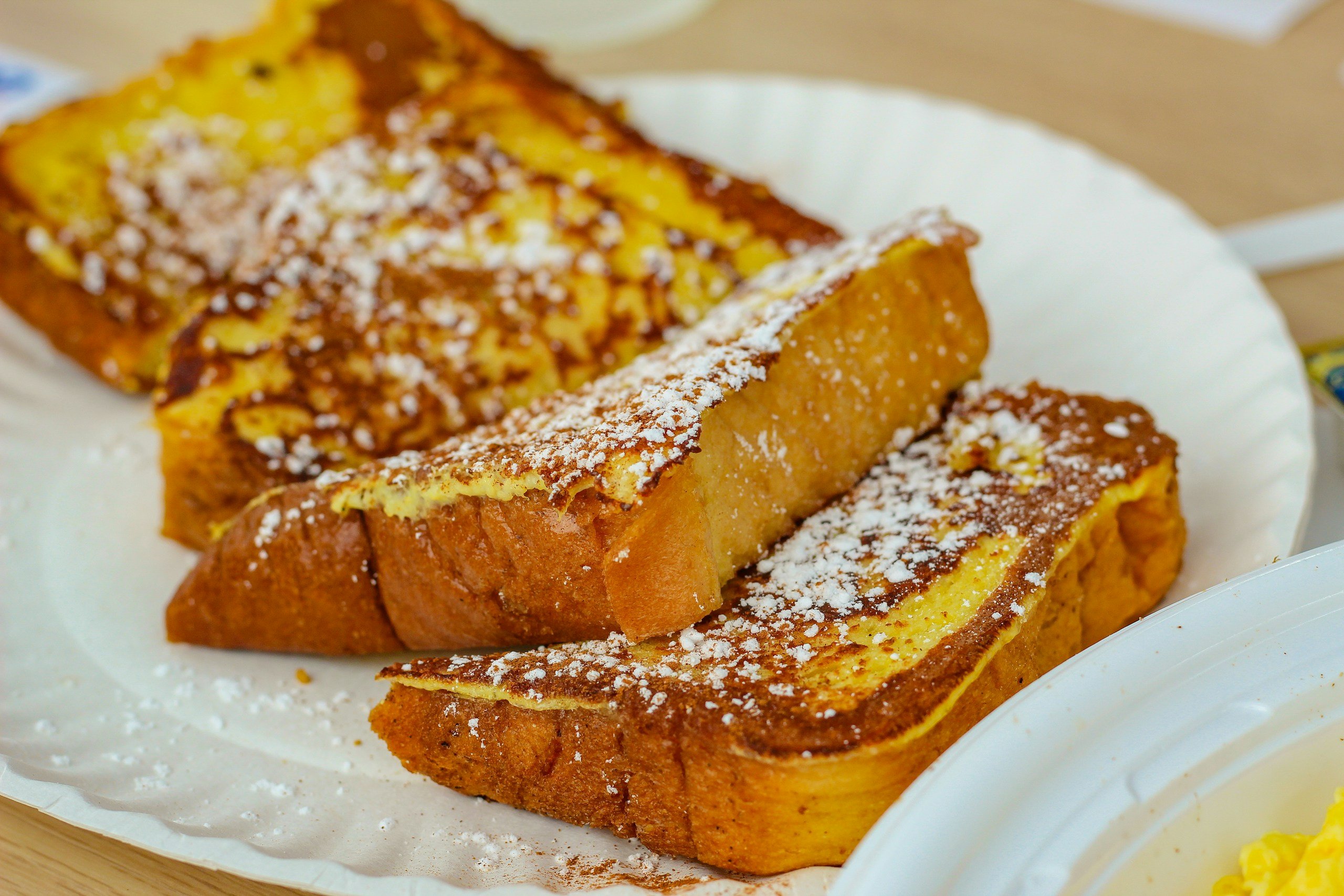
French Toast
Its texture absorbs liquid easily, making it perfect for French toast. You can use it in recipes like our Praline Pecan French Toast Casserole.
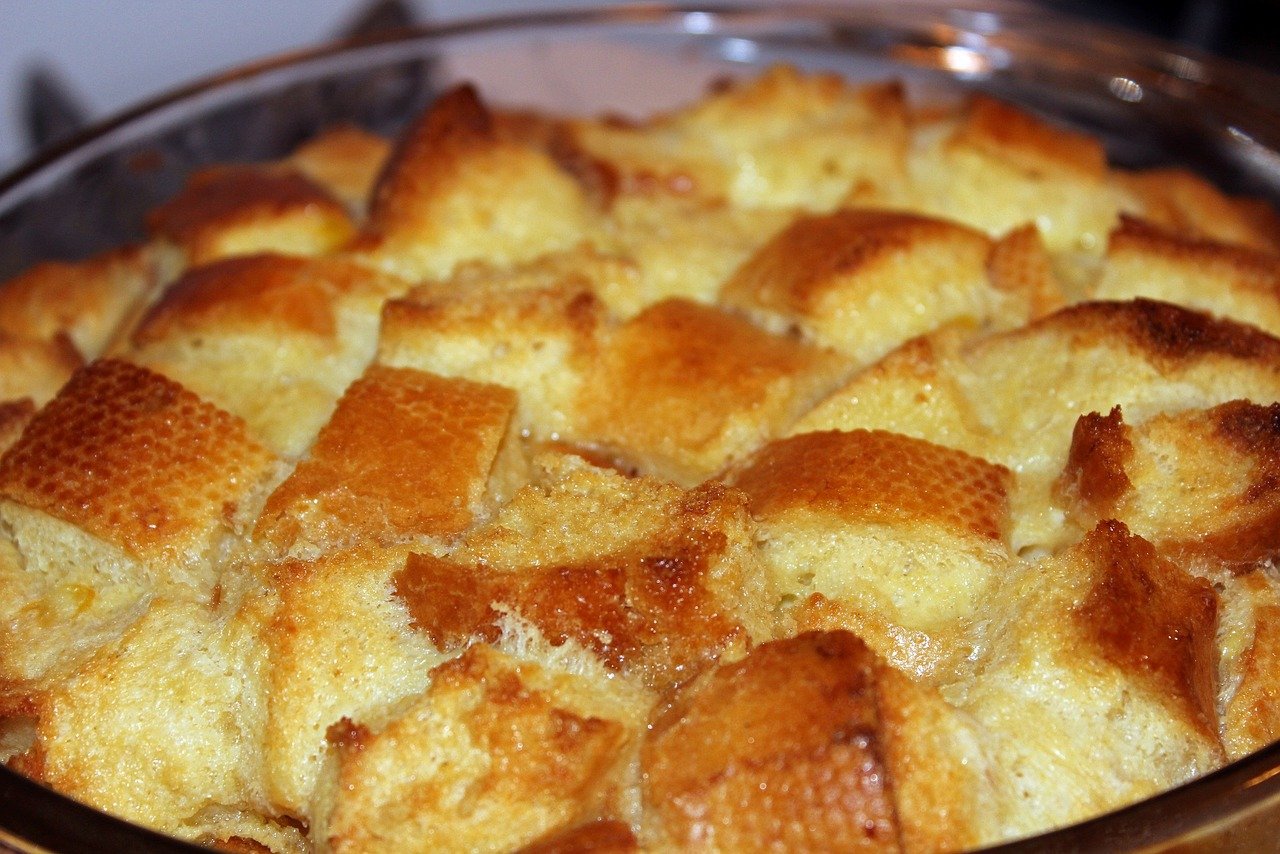
Bread Pudding
Oat milk bread also works well in bread pudding. Its ability to absorb moisture helps create a soft, custard-like texture without becoming overly heavy.
Nutritional Benefits of Oat Milk Bread
Oat milk bread is still bread, but it can be a simple plant-based option for everyday baking.
- Dairy-free: Made without cow’s milk, making it a good choice for dairy-free or vegan diets.
- Plant-based: Oat milk adds moisture and softness using simple oat-based ingredients.
- Some fiber: Oat milk may add a small amount of fiber, depending on the brand used.
- Lower in saturated fat: Usually lighter than breads made with whole dairy milk or butter.
- Easy to customize: Use part whole wheat flour for more fiber and a heartier texture.
Who Is This Recipe For?
This recipe fits easily into different lifestyles, making it a flexible option for everyday baking.
For Lactose-Intolerant Diets
Oat milk is naturally dairy-free, making this dairy-free oat milk bread suitable for those who cannot tolerate lactose but still want soft, homemade bread.
For Plant-Based Eating
This recipe works well within a plant-based or vegan diet, especially when paired with other dairy-free ingredients.
For Beginner Bakers
The simple method and minimal ingredients make it easy to follow, even if you’re new to baking.
For Everyday Use
If you want a lighter, softer bread for daily meals, this recipe offers a balanced option without the heaviness of richer loaves.
Baking Questions Answered
The following are common questions bakers still ask about baking with oat milk. If you don’t see yours below, feel free to ask in the comments.
Can Oat Milk Curdle When Baking?
Oat milk does not curdle the same way dairy milk can. It remains stable when heated, which makes it reliable for most baked goods. However, very acidic ingredients may slightly change its texture, though this rarely affects the final result.
Do I Need to Adjust Baking Time When Using Oat Milk?
In most cases, baking time stays the same. Since oat milk browns less, rely on doneness cues like texture or internal temperature rather than color.
Can Oat Milk be Used in Enriched Doughs?
Oat milk works in enriched doughs, but the resulting dough may be slightly less rich due to its lower fat content. Adding a small amount of oil or butter can help improve softness and overall texture.
Does Oat Milk Affect the Shelf Life of Baked Goods?
Baked goods made with oat milk generally have a similar shelf life to those made with dairy. However, the slightly higher moisture content may make them feel softer for longer if stored properly.
Can I Use Oat Milk in Savory Baking?
You can absolutely bake with oat milk in savory recipes. Its mild, neutral flavor blends easily with herbs, spices, and other ingredients without overpowering them. This makes oat milk a versatile choice for everything from breads to casseroles.
Why Does My Bread Look Pale When Using Oat Milk?
Oat milk creates a lighter crust during baking. This does not affect doneness, so focus on texture and internal temperature instead of color.
Related Recipes
If you enjoyed baking with oat milk, there are plenty of other simple recipes you can try next. Exploring similar recipes helps you get more comfortable with ingredient swaps and build confidence in your baking.
- Try this Vegan Cornbread for a soft, savory option that works well with plant-based ingredients.
- For something lightly sweet, Vegan Cinnamon Sugar Zucchini Bread offers a moist texture and balanced flavor.
- If you prefer a classic, Vegan One Bowl Banana Bread Recipe is simple, quick, and reliable.
If you still have questions, like whether you can use oat milk in baking, exploring more recipes can help you see how it performs across different baked goods.
Tell Us How Yours Went!
If you try this recipe, share your results. Did your bread rise properly? What oat milk did you use?
Leave a comment and let others know what worked for you.