Fresh Salsa Recipe with Fresh Tomatoes (Easy Garden Salsa)

A fresh salsa recipe is only as good as the ingredients and technique behind it. Using the wrong tomatoes can make salsa watery, too little seasoning leaves it bland, and too much pepper can overpower the fresh flavor.
This guide shows you how to make flavorful garden salsa with fresh tomatoes by choosing the best tomato varieties, balancing acidity, preventing watery salsa, adjusting the spice level, storing leftovers safely, and serving it with your favorite meals.
Table of Contents

Why You’ll Love This Recipe
Fresh, vibrant, and ready in just 15 minutes, this fresh salsa recipe is an easy way to make the most of ripe garden tomatoes. Whether you’re serving it with tortilla chips, spooning it over tacos, or adding it to burrito bowls, it’s a simple recipe you’ll come back to all season.
- Ready in about 15 minutes.
- Naturally vegan and gluten-free.
- Mild, with an easy option to increase the heat.
- Resting the salsa for 20 to 30 minutes improves the taste.
- A great way to use an abundant tomato harvest.
- Fresher and more flavorful than most jarred salsas.
- Perfect for taco nights, cookouts, potlucks, and parties.
This is a pulsed fresh salsa rather than a fully hand-chopped pico de gallo. Pulse it briefly for a chunky texture or several more times for a smoother, restaurant-style consistency.
This homemade salsa is a versatile topping for countless meals. It pairs especially well with our Grilled Chipotle Cauliflower Taco Bowl with Mango Salsa.
Want our human-written content to rank above AI-generated garbage? Help us out by clicking this button!
Ingredients Quick List
You only need a handful of fresh ingredients to make this fresh salsa recipe, and they are as follows:
- Fresh tomatoes
- Green bell pepper
- Red onion
- Jalapeño
- Cilantro
- Fresh lime juice
- Garlic
- Ground cumin
- Salt
- Granulated sugar
- Cayenne pepper

Ingredient Notes and Substitutions
Each ingredient contributes something different to this fresh salsa recipe, from sweetness and acidity to texture and heat. If you need to make a substitution, these tips will help you keep the salsa balanced and flavorful.
- Fresh Tomatoes: The foundation of the salsa, providing sweetness, acidity, and juicy texture. Roma tomatoes are ideal because they have firmer flesh and less moisture, resulting in a thicker salsa.
- Substitute: San Marzano, vine-ripened, or other ripe garden tomatoes.
- Green Bell Pepper, Red Onion, and Jalapeño: These add crunch, fresh flavor, and a little heat. Green bell pepper keeps the salsa mild, red onion adds a sharp bite, and jalapeño brings classic salsa flavor with adjustable spice.
- Substitutes: Use any bell pepper, white or sweet onion, serrano for more heat, banana pepper for less heat, or extra bell pepper for no heat.
- Cilantro, Fresh Lime Juice, and Garlic: Once the vegetables are combined, these fresh ingredients brighten and deepen the flavor. Cilantro adds its signature herbaceous taste, fresh lime juice balances the tomatoes’ natural sweetness with acidity, and garlic provides savory depth without overpowering the salsa.
- Substitutes: Flat-leaf parsley for cilantro, fresh lemon juice for lime juice, and ¼ teaspoon garlic powder per clove in place of fresh garlic.
- Ground Cumin, Salt, Granulated Sugar, and Cayenne Pepper: These seasonings round out the flavor. Cumin adds warmth, salt enhances the ingredients, sugar balances acidity (if needed), and cayenne adds extra heat.
- Substitutes: Chili powder for cumin, kosher or sea salt, honey or maple syrup for sugar, and red pepper flakes or extra jalapeño for cayenne.
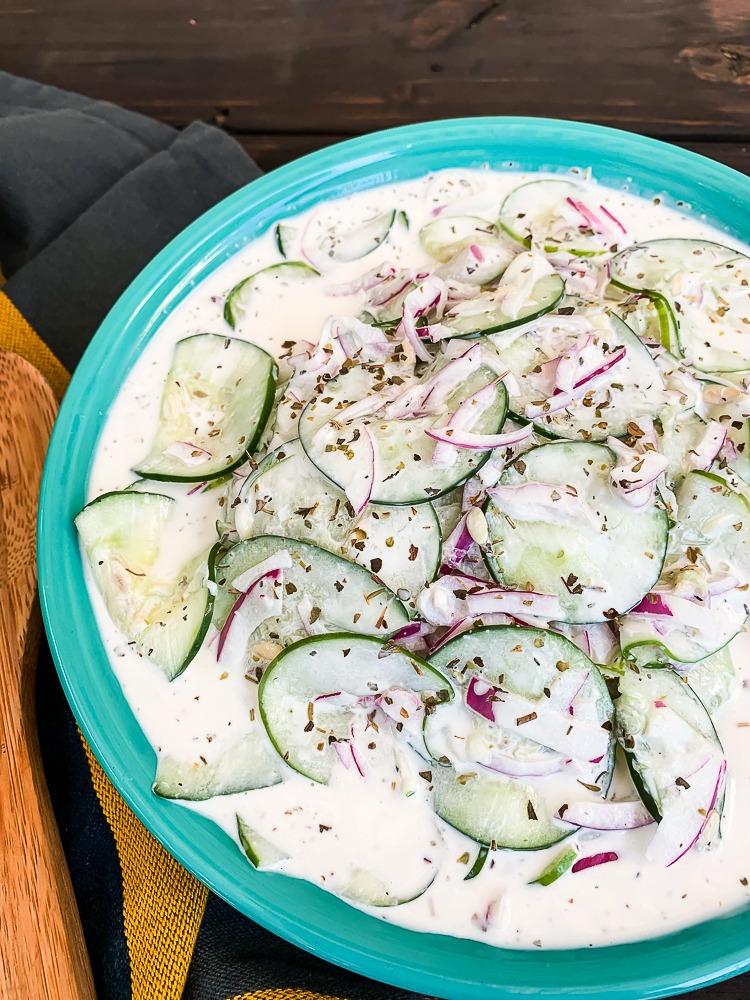
Do you enjoy cool, refreshing salsa recipes with a creamy twist? Try our Creamy Cucumber Salsa (GF + DF).

RECIPE CARD: Fresh Salsa Recipe (Printable)
Ingredients
- 3 cups fresh tomatoes (about 9 medium Roma tomatoes), roughly chopped
- 1 cup green bell pepper, chopped (For a more tomato-forward salsa, reduce it to ½ cup.)
- 1 cup red onion, chopped
- 1 jalapeño, diced (½ to 1 jalapeño, seeds and membranes removed for mild salsa)
- ½ cup cilantro, loosely packed
- 2 Tablespoons lime juice, freshly squeezed
- 2 garlic cloves, minced
- 1 teaspoon ground cumin
- ½ teaspoon salt
- ½ teaspoon granulated sugar
- ¼ teaspoon cayenne pepper optional
Instructions
- Prepare the Vegetables: Quarter the tomatoes, chop the green bell pepper and red onion into large pieces, and finely dice the jalapeño. Peel and mince the garlic.
- Blend the Salsa: Add the tomatoes, bell pepper, onion, jalapeño, cilantro, lime juice, garlic, cumin, salt, sugar, and cayenne pepper to a large food processor. Pulse several times until the salsa reaches your preferred consistency. Pulse less for a chunky salsa or a little longer for a smoother texture.
- Taste and Adjust: Taste the salsa and adjust the seasoning if needed. Add a little more salt, lime juice, or cayenne pepper to suit your preference.
- Chill and Serve: Place the salsa in a bowl or airtight container and refrigerate for 20 to 30 minutes before serving. Resting allows the vegetables to release their juices and gives the flavors time to meld for a fresher, more balanced salsa.
Notes
- Roma tomatoes produce the thickest salsa because they contain less water than most slicing tomatoes.
- Pulse instead of blending continuously to keep the salsa chunky.
- Chill for at least 20 minutes before serving for the best flavor.
- The vegetables are evenly chopped without becoming a puree.
- The salsa is juicy but not watery.
- Fresh tomato, lime, cilantro, and garlic flavors are balanced.
- The salsa easily scoops onto a tortilla chip without running off.
- The vegetables stay slightly crisp, and the flavors are well blended.
- Refrigerator: Store in an airtight container for up to 4 days.
- Freezing: Freeze for up to 2 months. The salsa will remain safe to eat, although the vegetables may soften after thawing.
- Make Ahead: Prepare up to 24 hours in advance. The flavor often improves after several hours in the refrigerator as the ingredients have more time to blend.
Nutrition
How to Make Fresh Garden Salsa
Making a fresh salsa recipe couldn’t be easier. Once the vegetables are prepped, everything comes together in just a few quick pulses. These tips will help you get the best texture every time.
Essential Kitchen Tools
You’ll only need a few basic kitchen tools:
- Food processor or high-powered blender
- Sharp chef’s knife
- Cutting board
- Measuring cups and spoons
- Citrus juicer (optional, for fresh lime juice)
- Rubber spatula
- Mixing or serving bowl
- Airtight container for storage
Step-by-Step Instructions
- Prepare the Vegetables: Wash and roughly chop the vegetables into pieces that fit comfortably into your food processor. If your tomatoes are especially juicy, remove some of the seeds first to help create a thicker salsa.
- Pulse Until Chunky: Add the tomatoes, bell pepper, onion, jalapeño, cilantro, lime juice, garlic, cumin, salt, sugar, and cayenne pepper to a large food processor. Pulse several times until the salsa reaches your preferred consistency. Stop as soon as the salsa reaches your preferred consistency; over-processing quickly turns it into a purée.
- Adjust the Seasoning: Taste the salsa and adjust the salt, lime juice, or cayenne pepper if needed. Since tomatoes vary in sweetness and acidity, small adjustments can make a big difference.
- Chill Before Serving: Refrigerate the salsa for 20 to 30 minutes before serving. This allows the vegetables to release their juices and the flavors to blend into a fresher, more balanced salsa.
Choosing the Best Tomatoes for Salsa
For the best flavor, choose tomatoes that are fragrant, fully colored, and firm with a slight give. Avoid tomatoes that are split, mealy, bruised, or overly soft.
- Roma tomatoes: Best for thick, scoopable salsa.
- Beefsteak or slicing tomatoes: Juicier, so drain them if needed.
- Cherry tomatoes: Sweeter and brighter in flavor.
- Garden tomatoes: Often sweeter, so taste before adding sugar.

Expert Tips
A few simple techniques can take your homemade salsa from good to restaurant-quality. These tips help improve flavor, texture, and consistency every time.
- Choose Roma or other paste tomatoes for the thickest salsa.
- Pulse instead of blending continuously to maintain a chunky texture.
- Use fresh lime juice instead of bottled for the brightest flavor.
- Start with less jalapeño if you’re unsure about the heat; you can always add more.
- Fresh cilantro has the best flavor, so avoid dried cilantro.
- Make the salsa a few hours ahead if possible; the flavor improves as it rests.
If you’re looking for another easy meal that pairs perfectly with homemade salsa, try our Black Bean Salsa Burgers | 30 Minute Frugal Vegan Meals.
Troubleshooting Guide
Even the best fresh salsa recipe may need a small adjustment. Here are the fastest solutions for the most common salsa problems, so you don’t have to start over.

- Why is my salsa watery? Watery salsa is usually caused by juicy slicing tomatoes or over-processing in a blender or food processor. Drain off excess liquid, use Roma or other paste tomatoes next time, or remove some tomato seeds before blending; pulse instead of blending continuously to maintain a thicker texture.
- Why is my salsa bland? Fresh salsa often needs a little more salt or lime juice than expected. Taste the salsa after it has rested for 20 to 30 minutes, then adjust the seasoning gradually. Resting allows the flavors to develop and become more balanced.
- Why is my salsa bitter? Bitterness can come from over-processed onions, too much garlic, or vegetables that aren’t at their peak freshness. Add a pinch of salt, a little extra chopped tomato, or another squeeze of lime juice to help rebalance the flavor.
- Why is my salsa too chunky? Return it to the food processor and pulse a few more times until it reaches your preferred consistency. Avoid blending continuously, which can quickly turn chunky salsa into a thin purée.
- Why is my salsa foamy? Foam is usually caused by trapping air while blending at high speed. Let the salsa rest in the refrigerator for 20 to 30 minutes, then stir gently before serving. The foam will usually settle on its own as the air bubbles dissipate.
Once you’ve mastered these simple fixes, try using your homemade salsa in recipes beyond chips and tacos. It makes a delicious topping for our Copycat Chick-fil-A Southwest Chicken Salad with Creamy Salsa Dressing.
Variations
A few simple swaps can completely change the flavor while keeping the salsa fresh, vibrant, and perfect for dipping or topping your favorite meals.
- Roasted Tomato Salsa: Roast the tomatoes, onion, garlic, and jalapeño under the broiler or on the grill before blending. Roasting caramelizes the vegetables, creating a deeper, smokier flavor than a traditional fresh salsa.
- Corn Salsa: Stir in 1 cup of fresh, grilled, or roasted corn kernels for a sweet crunch that pairs especially well with tacos, burrito bowls, and grilled chicken.
- Avocado Salsa: Fold in one diced ripe avocado just before serving for a creamy texture. Toss the avocado with a little extra lime juice first to help maintain its color.
- Mango Salsa: Replace half of the tomatoes with diced ripe mango for a sweet-and-spicy twist that’s delicious with fish, shrimp, or grilled chicken.
- Extra-Spicy Salsa: Swap the jalapeño for a serrano pepper or add another jalapeño if you enjoy more heat. Add peppers gradually so you can adjust the spice level to your taste.
- Black Bean Salsa: Stir in a drained and rinsed can of black beans to make the salsa heartier. It works well as a topping for rice bowls, salads, and burritos.
Are you looking for another fresh, salsa-inspired dish? Try our Salsa Verde Quinoa + 5–Ingredient Vegan Cookbook Review.

What to Serve With Fresh Salsa
Fresh salsa isn’t just for tortilla chips. Here are some of our favorite ways to enjoy it throughout the day.
- Tortilla Chips: The classic pairing for scooping up chunky, fresh salsa at parties or as a quick snack.
- Tacos: Spoon salsa over beef, chicken, shrimp, fish, or vegetarian tacos for a burst of freshness and acidity.
- Burritos: Add a generous spoonful inside burritos or serve it on the side for extra flavor.
- Loaded Nachos: Drizzle over nachos after baking to balance rich cheese with fresh vegetables.
- Grilled Chicken: Fresh salsa makes an easy, low-fat topping that brightens grilled or baked chicken breasts.
- Fish Tacos: The fresh tomatoes, cilantro, and lime pair especially well with grilled or baked white fish.
- Scrambled Eggs or Omelets: Add a spoonful over eggs for a simple breakfast packed with fresh flavor.
- Burrito Bowls: Top rice, beans, vegetables, and your favorite protein with salsa instead of heavier sauces.
- Quesadillas: Serve alongside cheesy quesadillas as a fresh dipping sauce.
- Salads: Use salsa as a light, flavorful topping for taco salads or mixed green salads instead of creamy dressings.
- Burgers: Replace ketchup with fresh salsa for a juicy, vibrant topping on beef, turkey, black bean, or veggie burgers.
- Rice Bowls: Stir salsa into rice bowls with grilled vegetables, beans, or chicken for extra freshness and a pop of color.
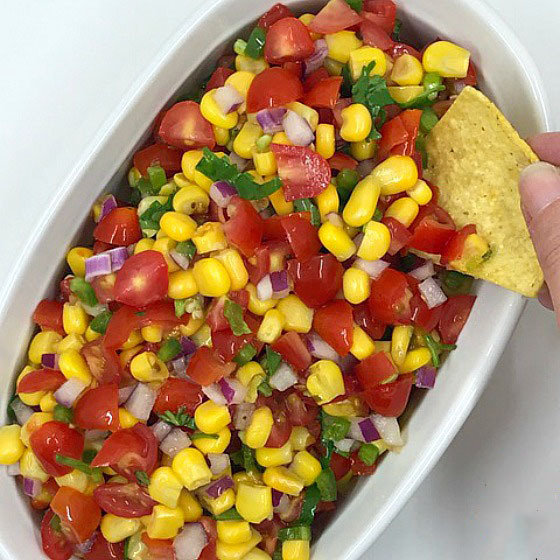
Do you enjoy bold, fresh flavors? You’ll also love our Corn Salsa with a Kick.
Storage, Freezing & Food Safety
Fresh salsa tastes best shortly after it’s made, but proper storage helps preserve its flavor, texture, and quality. Follow these tips to keep your salsa fresh and safe to eat.
Refrigerator Life: Store fresh salsa in the refrigerator as soon as possible after serving. It will stay at its best for 3 to 4 days when kept refrigerated at 40°F (4°C) or below in a sealed container.
Best Container: Use an airtight glass or BPA-free plastic container with a tight-fitting lid. An airtight container slows moisture loss, helps preserve the fresh flavor, and reduces the chance of the salsa absorbing odors from other foods in the refrigerator.
Can It Be Frozen? You can freeze it, but freezing changes the texture. Tomatoes release water as they thaw, so the salsa may become softer and more watery after defrosting. If you plan to freeze it, store it in a freezer-safe airtight container, leaving a little space at the top for expansion. Stir well after thawing to redistribute the liquid.
Can It Be Canned?: This recipe is designed as a fresh salsa recipe, not a shelf-stable canned salsa. Because safe home canning depends on carefully tested ingredient ratios and acidity levels, don’t can this recipe unless it has been specifically developed and tested for canning. Instead, use a tested salsa canning recipe from a trusted source such as the National Center for Home Food Preservation.
Food Safety Tips
- Wash tomatoes, peppers, cilantro, and other fresh produce before preparing the salsa.
- Refrigerate the salsa within 2 hours of making or serving it (within 1 hour if the temperature is above 90°F/32°C).
- Always use clean utensils when serving to reduce the risk of contamination.
- Discard the salsa if it develops an off smell, mold, or an unusual appearance.
Does Salsa Taste Better After Chilling?
Chilling the salsa for 20 to 30 minutes allows the tomatoes, onion, garlic, cilantro, lime juice, and seasonings to blend into a more balanced flavor. Many people find that fresh salsa tastes even better after a short rest in the refrigerator than it does immediately after it’s prepared.
Frequently Asked Questions
Here are a few questions readers often ask about making a fresh salsa recipe. If you don’t see yours here, leave it in the comments, and we’ll be happy to help.
Do I Need to Peel the Tomatoes?
Tomato skins are perfectly fine to leave on for fresh salsa, especially if you’re using ripe Roma or other thin-skinned tomatoes. Should you prefer an extra-smooth texture, you can blanch and peel them first, but it’s not necessary for most recipes.
Can I Make Fresh Salsa without a Food Processor?
Absolutely. Finely chop all the ingredients by hand and stir them together in a bowl. Hand chopping creates a heartier, pico de gallo-style texture and gives you more control over the size of each ingredient.
Can I Double this Recipe?
Double each ingredient and use a larger food processor or prepare the salsa in batches. Pulse each batch separately, then combine everything in a large bowl and adjust the seasoning before serving.
What’s the Difference between Fresh Salsa and Restaurant-Style Salsa?
Fresh salsa (also called salsa fresca) is made with uncooked ingredients and has a brighter, chunkier texture. Many restaurant-style salsas are blended more smoothly, and some are made with cooked or roasted ingredients for a deeper flavor.
Why is my salsa too spicy?
This is because of the jalapeño. Stir in more chopped tomatoes, bell pepper, or onion to dilute the heat. A little extra lime juice can also help balance the spiciness without changing the fresh flavor too much.
Related Recipes
Looking for more Mexican-inspired recipes? Try one of these reader favorites.
- Vegan Quinoa Taco Lettuce Wraps (Easy 35-Minute Dinner): Top these hearty quinoa lettuce wraps with a generous spoonful of fresh salsa for extra color, crunch, and zesty flavor.
- Vegan One Pot Unstuffed Peppers with Rice: A comforting one-pot meal that pairs beautifully with fresh salsa as a bright, refreshing garnish.
- Vegan Cilantro Jalapeño Sauce: If you love bold Mexican-inspired flavors, this creamy herb sauce is the perfect companion to tacos, burrito bowls, grilled vegetables, and homemade salsa.
- Tortilla Soup (V, GF, DF): Finish your Mexican-inspired menu with a comforting bowl of tortilla soup, and a spoonful of fresh salsa for an extra layer of vibrant flavor.
Give This Fresh Salsa Recipe a Try!
This fresh salsa recipe proves that a handful of fresh ingredients and a few simple techniques can create a salsa that’s bright, flavorful, and ready in just 15 minutes. If you make it, we’d love to hear how it turned out!
Leave a comment below and let us know your favorite tomato variety, any fun salsa variations you tried, or what you served it with.