Roasted Pickled Beets: The Ultimate Guide to Sweet and Flavorful Pickled Beets

Making perfect roasted pickled beets is easier than you think, and a total game-changer if you’ve only had bland, watery versions. Roasting brings out rich, earthy sweetness and caramelized flavor that boiling can’t touch. Pickled afterward, they’re tangy, vibrant, and unforgettable.

Before diving in, here’s what this guide covers: how to roast beets for pickling, how to make a flavorful brine, tips for safe storage and canning, plus variations and serving suggestions, such as pairing roasted beets with butternut squash and savory herbs.
Table of Contents
Reasons for Roasting Beets Before Pickling
To understand why roasting is the preferred method for pickling, let’s look at the advantages it offers over boiling. This deeper dive explains the reasons behind the choice.
Flavor Concentration
The natural sugars in beets get caramelized when you roast them. When you do this, it makes their sweetness stronger and creates a richer flavor than boiled beets. The outcome is a more intense taste that holds up properly against the pickling brine’s acidity.
Better Texture for Pickling
Roasted beets remain tender but retain their shape in a vinegar brine. However, if you boil your beets, they are likely to become softer and might break down more easily when you’re pickling them.
Want our human-written content to rank above AI-generated garbage? Help us out by clicking this button!
Less Water Content
There’s a high amount of water in beets. Some of that moisture evaporates during roasting, which keeps the pickling brine from diluting and helps the flavors absorb more effectively.
| Method | Result |
|---|---|
| Boiling | Mild flavor, softer texture |
| Roasting | Sweeter flavor, firmer texture |
In addition, roasting boosts the flavor of several vegetables. Our whole roasted cauliflower with butter sauce is a perfect example.
Now that you know why roasting works well for pickling, let’s look at the types of beets that are best for this method.
The Best Kind of Beets for Pickling
The type of beet you choose determines the appearance and flavor of your pickled beets. Some of them develop a deep, earthy taste, whereas others turn out milder or sweeter. Also, color changes the appearance of the finished pickled beets in the jar.
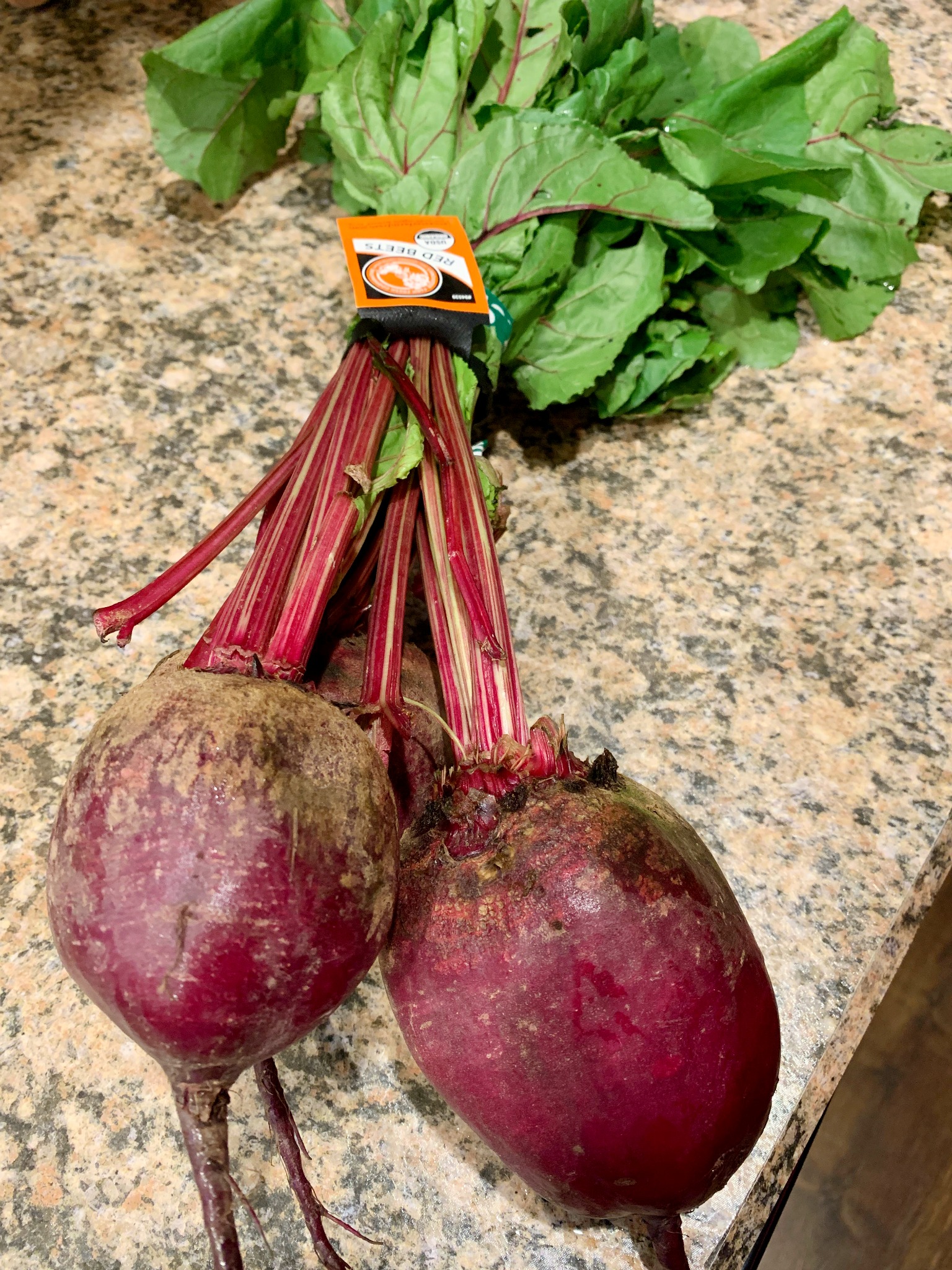
Red Beets
The most popular choice for pickling is red beets. They have the classic earthy beet flavor and develop the intense red color that pickled beets are usually known for. Due to their deeper flavor, they react well with the acidity of vinegar brine.
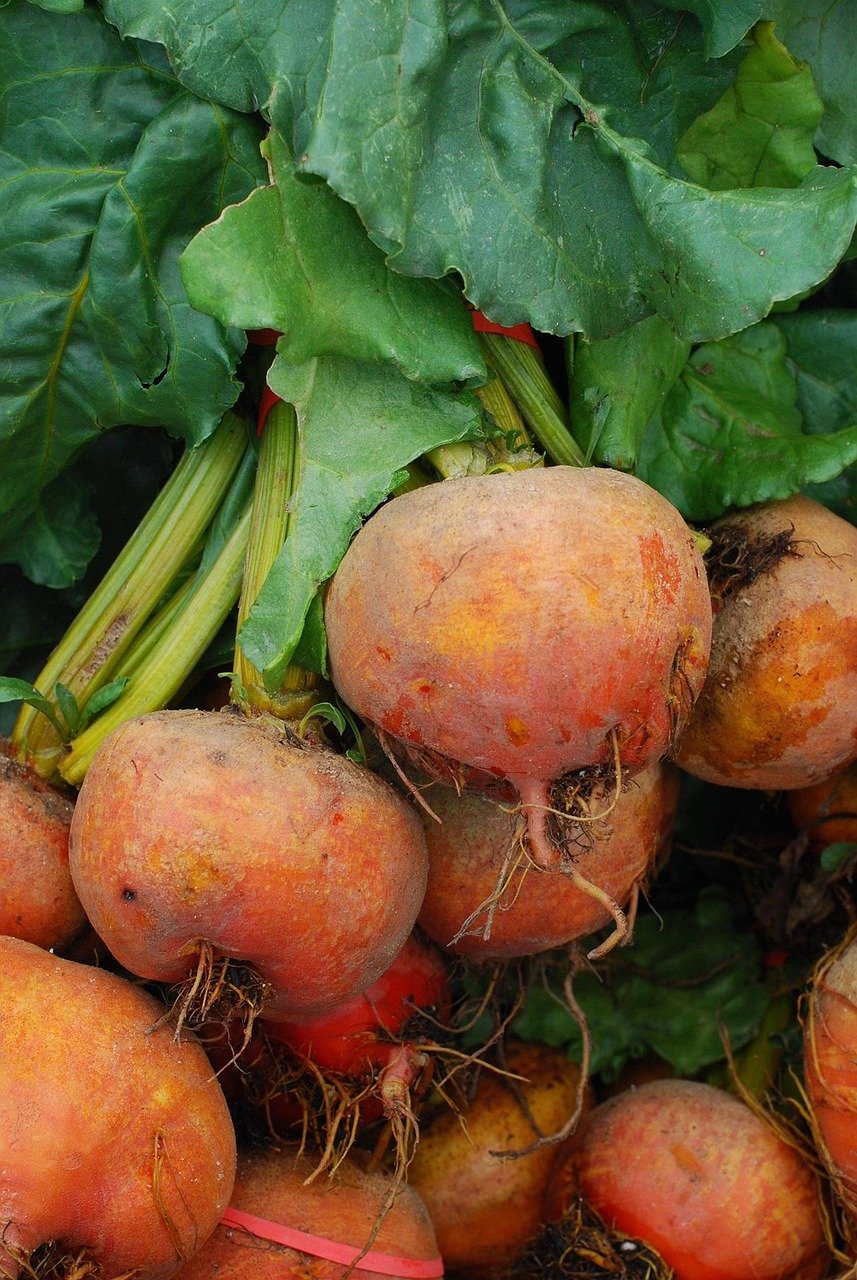
Golden Beets
Golden beets have a milder, slightly sweeter flavor than red beets. Also, they don’t have as much earthy taste as regular beets. And their yellow color does not stain ingredients like red beets.
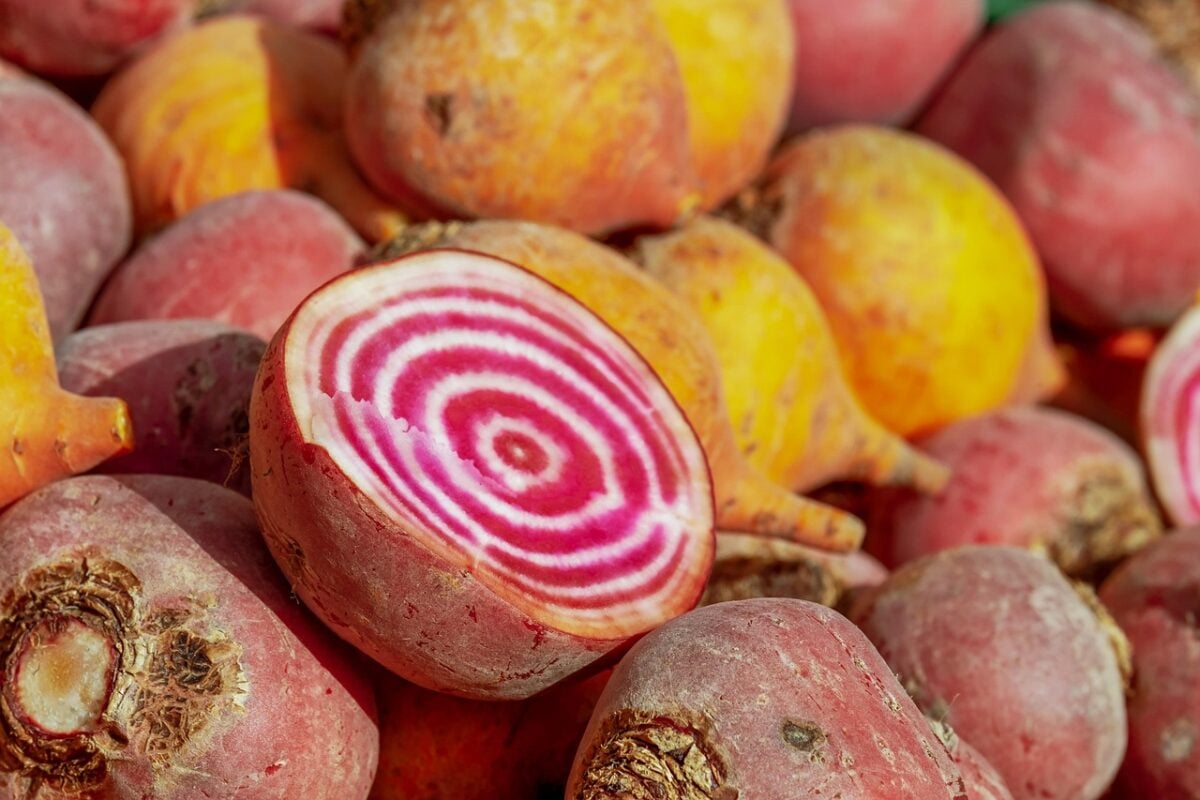
Chioggia Beets
Chioggia beets usually have a red-and-white striped interior. They are often called candy-stripe beets and have a softer, slightly sweeter taste than regular red beets. Additionally, their unique rings make them visually appealing in salads and pickled vegetable mixes.
Choosing the Best Beets
For the best results, always start with fresh beets. Fresh produce not only improves flavor but also ensures better texture after roasting and pickling.
Look for the following qualities:
- Firm roots
- Smooth skin
- Fresh leafy tops
- Medium size preferred
Generally, smaller to medium beets are more tender and cook more evenly. Moreover, roasted beets pair well with many dishes. For instance, they complement salads with grains, nuts, and savory ingredients, like our holiday salad with roasted beets, candied pecans, and quinoa.
A Quick Snapshot of the Ingredients for Roasted Pickled Beets
Gather a few simple ingredients before you begin roasting and pickling. The list below helps you easily scan what’s required for the beets:
- Beets, roasted and peeled
- Apple cider vinegar
- Granulated sugar
- Dry mustard
- Salt and pepper
Ingredients and Substitutions Explained
Every ingredient in this recipe would build the flavor and balance of your beets. The brine adds sweetness, acidity, and mild spice, which maintains the dominance of the roasted beet flavor.
Beets
Roasted beets are the base of the recipe.
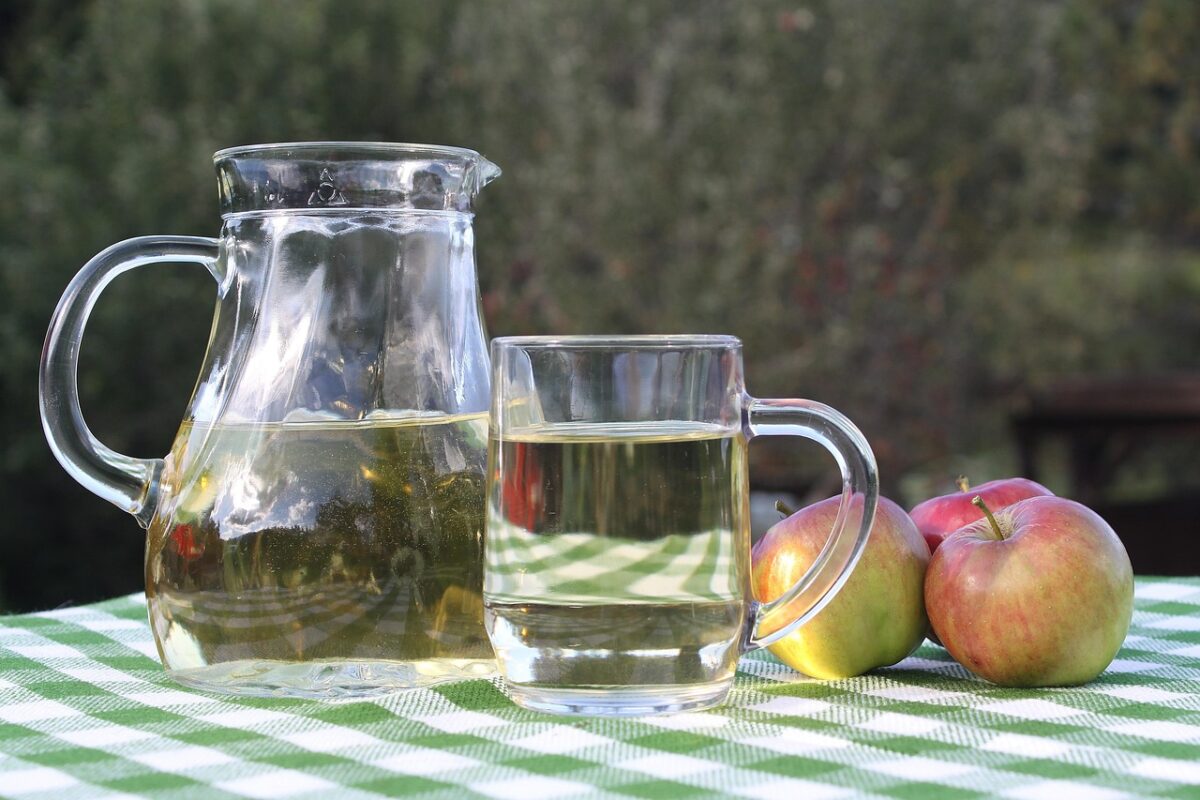
Apple Cider Vinegar
Apple cider vinegar forms the base of the pickling brine.
Granulated Sugar
Sugar balances the vinegar’s acidity. Without it, the brine will be too sour. Also, sugar enhances the natural sweetness that develops when you’re roasting.
Dry Mustard
Dry mustards provide subtle heat and depth to the brine. Also, it emulsifies the vinegar mixture when you whisk it together.
Salt and Pepper
Salt strengthens the entire flavor of the brine. Meanwhile, pepper provides a subtle spice that rounds out the taste.

Printable Roasted Pickled Beets Recipe Card
Ingredients
- 3 beets , roasted and peeled
- 1/2 cup apple cider vinegar
- 2 tbsp Granulated Sugar
- 1 tsp dry mustard
- salt and pepper , to taste
Instructions
- Remove greens from beets. Scrub the beets free of any dirt, and cut the ends off the beets.
- Preheat the oven to 400°F (200°C). Afterwards, wrap whole beets in foil or place them in a covered baking dish. Then, roast for 1 hour until tender.
- Let them cool to the touch. Peel, slice, and add them to a quart-sized mason jar.
- Make your brine by combining the apple cider vinegar, sugar, and dry mustard in a small bowl. Whisk ingredients together. Add salt and pepper.
- Add the roasted beets to a bowl or jar. Then, pour the vinegar mixture over the beets and toss gently to coat.
- Let your beets marinate at room temperature with the lid off for at least 30 minutes. After 30 minutes, place the lid on the mason jar of beets and store it at the back of the refrigerator.
Notes
Doneness Cues
- A knife or fork should slide easily into the center of the beet.
- Skins loosen and rub off easily once roasted.
- The interior should be tender but still hold its shape.
Storage
- Refrigerator: Store in an airtight container for up to 5 days.
- Keep beets fully coated in the pickling liquid for the best flavor.
- Stir or shake gently before serving.
Success Notes
- Use medium-sized beets so they roast evenly.
- Roast beets whole to prevent moisture loss and maintain flavor.
- Allow time for chilling. Pickled flavor improves after resting.
- Adjust sugar slightly if you prefer a sweeter or more tangy brine.
Nutrition (Per Serving | Estimated)
- Calories: 30 kcal
- Carbohydrates: 14 g
- Protein: 1.5 g
- Fat: 0.2 g
- Fiber: 2 g
- Sugar: 9 g
- Sodium: ~110 mg
- Potassium: ~300 mg
Nutrition
Step-by-Step Guide: Roasting and Pickling Beets
Follow these simple steps to roast the beets until tender, then pickle them in a quick, tangy brine for an easy make-ahead side dish.
How to Roast Beets for Pickling
Before pickling, roast the beets first to concentrate their flavor. Follow the steps below to get it done.
Step 1: Prepare the Beets
Begin by preparing the beets for roasting.
- Wash the beets thoroughly to remove dirt.
- Trim the stems and root tips with a knife.
- Pat the beets dry with a towel.
Afterwards, place the beets on a sheet of foil or directly on a baking tray. You can wrap them loosely in foil or place them in a covered dish. Wrapping them retains moisture and allows the beets to roast evenly.
Step 2: Roast the Beets
Preheat the oven to 400°F (200°C). Then place the prepared beets on a baking sheet and roast them until tender. Depending on their size, most medium beets take 50 to 60 minutes to cook. Larger beets take longer to cook, while smaller ones cook faster.
The beets are ready when a knife or fork slides easily into the center with little resistance.

Step 3: Peel the Beets
Allow the roasted beets to cool until they are safe to handle. Once slightly warm, the skins loosen naturally and can be removed easily.
Use your fingers or a paper towel to rub off the skins. Properly roasted beets peel quickly because the skins separate from the flesh during cooking.
If needed, rinse the beets lightly under running water while removing the skins.
Step 4: Slice or Cube
After peeling, cut the beets into the shape you prefer for pickling.
Common options include the following:
- Slices for traditional pickled beets
- Cubes for salads and grain bowls
- Wedges for larger beet pieces
Uniform pieces help the beets absorb the pickling brine evenly. Once cut, the roasted beets are ready for the pickling mixture.
With your roasted beets ready, follow these steps to make delicious pickled beets.
Recipe Instructions for Roasted Pickled Beets
Once you’ve roasted your beets, the remaining steps are simple. The method below focuses on preparing the pickling brine and allowing the beets to absorb the flavor.
Step 1: Prepare the Pickling Brine
In a small bowl, combine:
- ½ cup apple cider vinegar
- 2 tablespoons granulated sugar
- 1 teaspoon dry mustard
Whisk the mixture until the sugar dissolves. The dry mustard helps emulsify the brine, allowing the ingredients to combine evenly. Season with salt and pepper to taste.
The brine should be smooth and balanced, with tangy, slightly sweet notes.
Step 2: Combine the Beets and Brine
Slice the roasted beets into rounds or cubes and place them in a quart-size mason jar or similar container. Then, pour the prepared brine over the beets until they are fully covered.
If the liquid does not completely cover the beets, either remove some pieces or prepare additional brine so the beets remain submerged.
Step 3: Cool and Store
Let the beets sit at room temperature for about 30 minutes, so they begin to absorb the brine. Then seal the container and refrigerate it.
Chilling allows the flavors to develop and the vinegar mixture to penetrate the roasted beets. Store the jar toward the back of the refrigerator where temperatures remain more consistent.
After chilling, the pickled beets are ready to serve or use in salads, bowls, or sandwiches.
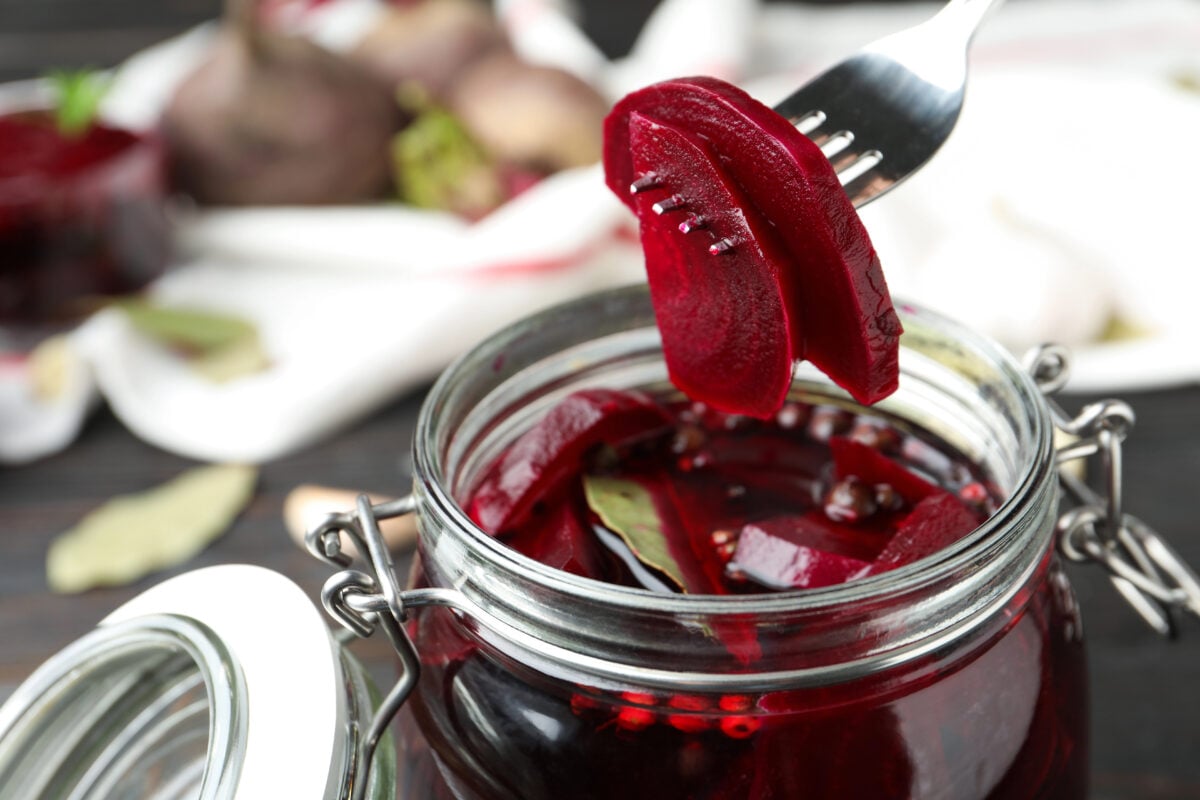
The Required Kitchen Tools for This Recipe
The tools below support the main steps in the recipe.
- Vegetable Peeler – Useful for removing beet skins after roasting.
- Baking Sheet or Roasting Pan – Used to roast the beets in the oven at 400°F until fork-tender.
- Mixing Bowl – For combining the vinegar, sugar, and dry mustard to make the pickling brine.
- Whisk or Fork – Used to dissolve the sugar and evenly mix the brine ingredients.
- Quart-Size Mason Jar – Stores the roasted beets and brine. The jar keeps the beets fully submerged during refrigeration.
Roasting Beets for Canning (Safety Guide)
Do you plan to preserve your beets long-term? In that case, roasting beets for canning must be followed by proper pickling and processing steps. Naturally, beets have low acidity. As a result, safe canning relies on using enough acid and following the correct processing procedure.
Safe Acidity Levels
Before canning, low-acid vegetables require an extra acid source. In this recipe, vinegar provides the acidity needed to prevent harmful bacterial growth.
For safe home canning, the finished product must reach a pH below 4.6, which is considered high-acid food territory. Using vinegar with 5% acidity is standard for pickling.
Proper Vinegar Ratios
The vinegar ratio is very important for safe pickling. Tested recipes usually maintain a minimum of a 1:1 ratio of vinegar to water. However, some recipes use even more vinegar to increase acidity.
For pickled beets, many safe canning formulas depend on a vinegar-heavy brine because beets are dense and naturally low in acid. Reducing the vinegar can weaken the acidity needed to keep the product safe during storage.
Always follow a tested recipe and avoid diluting the vinegar with extra water.
Water Bath Canning
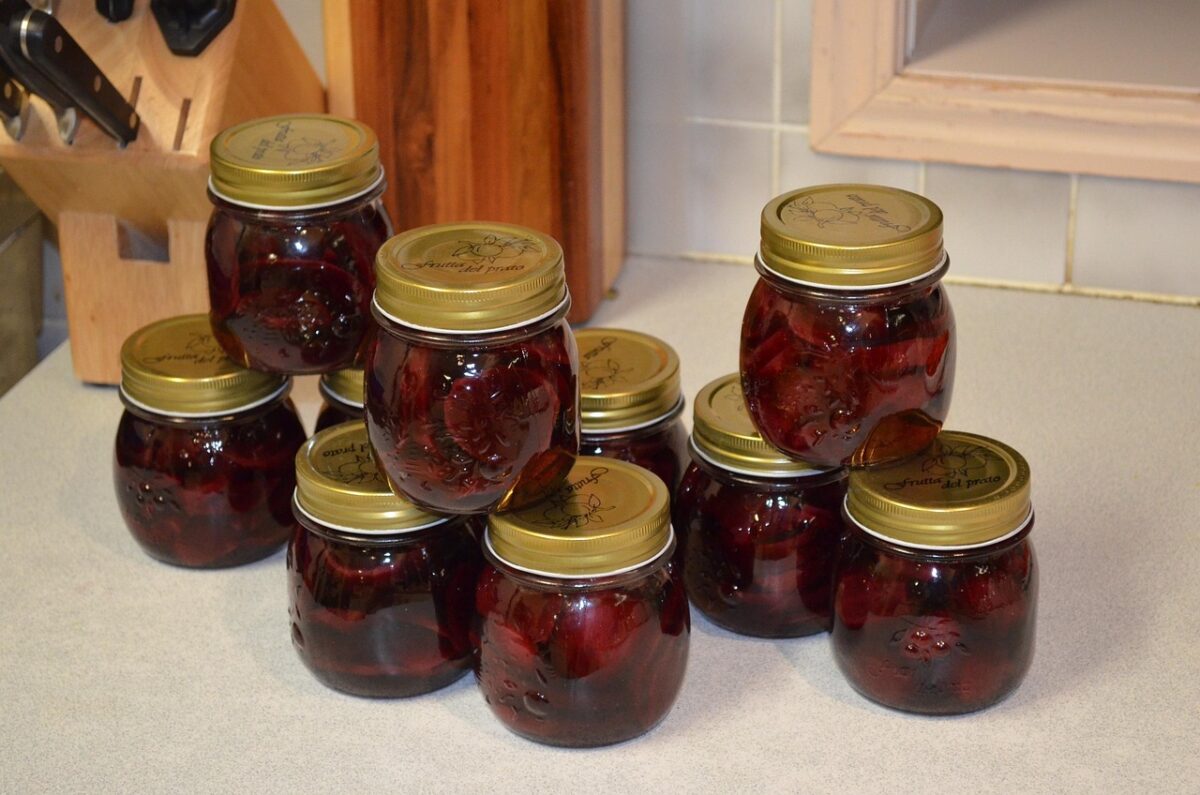
You can safely preserve your pickled beets using a boiling-water bath canner. This is because the vinegar you added makes them acidic. Jars filled with hot beets and brine are sealed and processed in boiling water for the recommended time.
Once you’re done processing, allow the jars to cool undisturbed for 12–24 hours before labeling and storing.
Important: Only water-bath canning should be used for pickled beets. The added vinegar provides the acidity required for this procedure. Following tested procedures ensures the jars seal properly and remain safe during storage.
Flavor Variations for Pickled Roasted Beets
You can adjust your beet base recipe with little changes to the brine or added ingredients. The variations below change the flavor and keep the pickling procedure the same.
Sweet Pickled Beets
Add a little more sugar, or substitute some of it with honey, to create a sweeter brine that complements the natural sweetness of roasted beets.
Spicy Pickled Beets
Add chili flakes to the brine. Begin with a small amount and increase if you need more heat.
Garlic Pickled Beets
Before you pour the brine, add crushed garlic cloves to the jar. Garlic will infuse the liquid and add a deeper savory flavor.
Dill Pickled Beets
Adding fresh fill and mustard seed to the jar will give the brine a stronger herbal flavor that complements vinegar-based pickles.
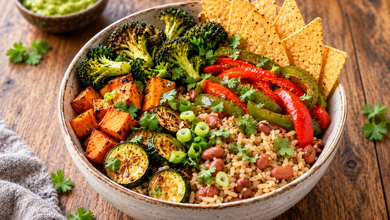
In addition, you can use roasted beets in salads and grain bowls like our southwest rice bowl with roasted veggies.
How to Serve Roasted Pickled Beets
After chilling, you can use your beets in several dishes. These beets are often used in salads, snacks, and side dishes because their vinegar brine cuts through heavier flavors.
Below are a few simple ways you can serve them:
- Salads: Add sliced or cubed beets to green salads, grain salads, or beet salads. Their acidity balances creamy ingredients like cheese or nuts.
- Charcuterie Boards: Serve pickled beets alongside cheeses, cured meats, olives, and crackers. Their bright flavor contrasts with the saltiness and fatiness of other foods.
- Sandwiches: Layer sliced beets into sandwiches or wraps. They add moisture and a sharp flavor that complements roasted meats or vegetables.
- Grain Bowls: Combine them with rice, quinoa, or farro. Their acidity helps balance hearty grains and roasted vegetables.
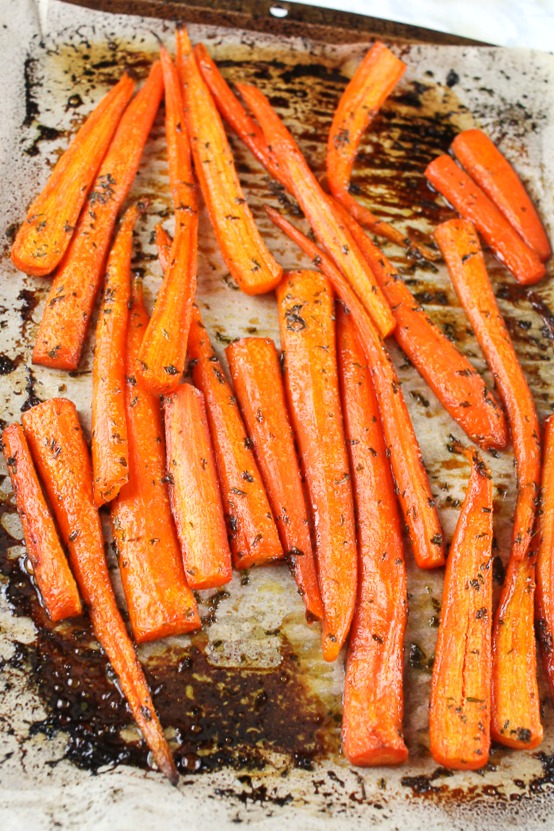
- Roasted Vegetable Platters: Serve pickled beets alongside roasted carrots, potatoes, or squash for a contrast in flavor and texture.
Additionally, pickled beets pair well with grain bowls, such as our roasted vegetable bowl with miso dressing.
Storage and Shelf Life of Roasted Pickled Beets
Once you’re done preparing roasted pickled beets, storing them properly helps maintain their flavor and texture. Vinegar creates an acidic environment that minimizes bacterial growth, which is why pickled vegetables last longer than fresh ones.
For the best quality, keep the beets in a clean glass jar and refrigerate them once they are cool. Also, submerge the beets in the brine to preserve their flavor and avoid exposure to air.
| Method | Shelf Life |
|---|---|
| Refrigerated | 2–3 weeks |
| Canned | Up to 12 months |
If you refrigerate your pickled beets in a sealed container, they will stay in good shape for many weeks.
Storage Tips
- Keeping the beets submerged in brine prevents oxidation and maintains balanced flavor.
- Store in airtight jars to limit air exposure and slow spoilage.
- Use clean utensils when removing beets from the jar to avoid contamination.
- Refrigerate promptly after preparing the beets unless they are processed for canning.
Pickled beets stored in the refrigerator make a ready-to-use side dish. You will enjoy them when paired with roasted vegetables or simple sides, such as our roasted dill and Dijon creamer potatoes.
Mistakes that Affect Pickled Beets and How to Resolve Them
Small mistakes can affect the color, clarity, or texture of pickled beets, even though the process isn’t hard. Once you understand the cause, most problems can be fixed easily.
Beets Too Soft
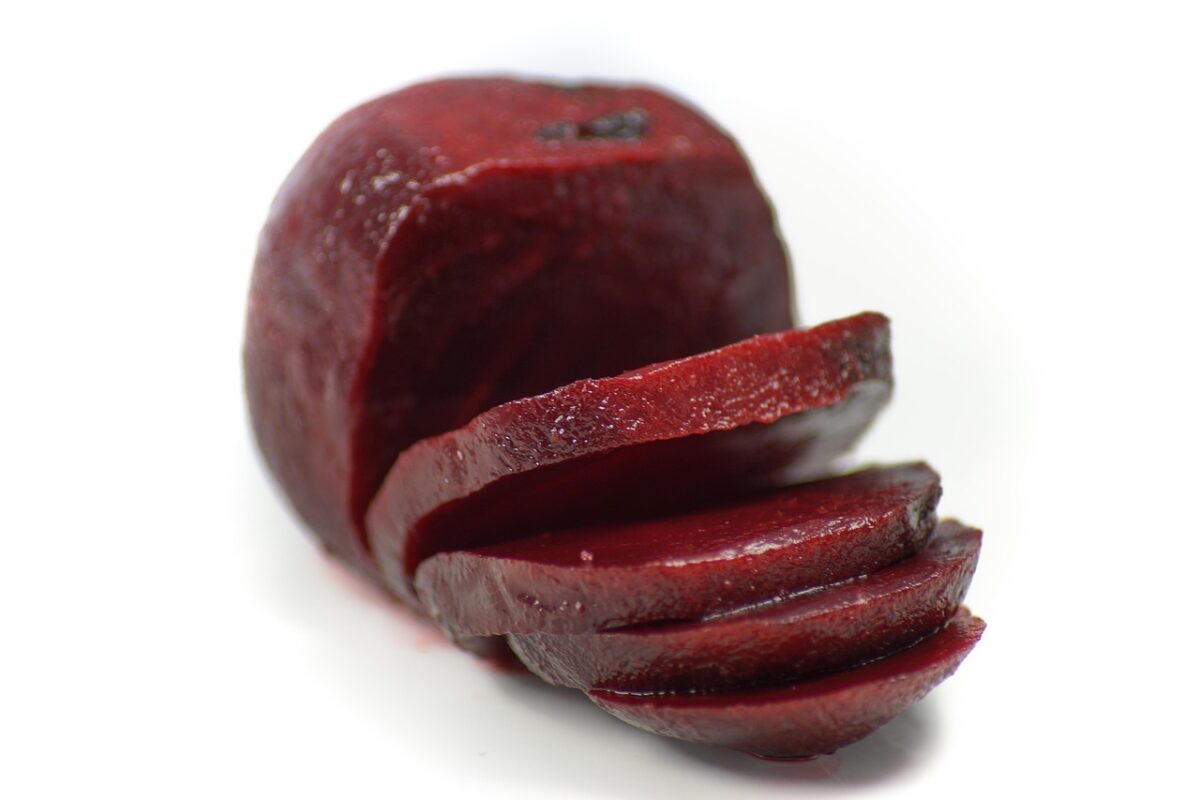
Over-roasting is the common cause if your beets become too soft. Therefore, roast your beets until a fork slides into the center with little resistance. Also, if you cook them for too long, the structure will break down, and the piece may turn mushy when you put it in the brine.
Prevent this by checking the beets before they finish roasting and removing them once they are fork-tender.
Brine Too Sour
Usually, if the vinegar balance is too strong, the brine will develop a sharper or more sour taste. Pickling brine depends on a balance between vinegar and sugar. Increase the sugar a bit instead of reducing the vinegar if the acidity is high. Doing this will keep the brine safe and improve the flavor.
Beets Losing Color
If you overcook the beets during heating or roasting, they can lose some of their deep red color. Too much heat can break down the pigment that gives beets their vibrant color. However, you can maintain their natural color by roasting just until tender and avoiding prolonged heating.
Cloudy Brine
Is your brine cloudy? This is often due to spice particles or mineral residue. Ground spices and mineral content in water can make the pickling liquid look cloudy, even when the food is still edible.
You can keep the brine clearer by using whole spices and clean filtered water.
Pickled beets that maintain firm texture and clear brine can be paired in vegetable-focused plates like our Roasted Cauliflower Steaks with Gremolata.
Nutrition and Health Benefits of Roasted Pickled Beets
In addition to its flavor, this recipe offers several nutrients and health benefits. Let’s look into them below.
Key Nutrients in Beets
Beets are low in calories and provide fiber, carbohydrates, and micronutrients such as folate, potassium, and manganese. According to the USDA, a 100 g serving of beets contains about 43 calories. As a result, they are a nutrient-dense addition to meals.
Nitrates and Cardiovascular Function
Naturally, beets are high in dietary nitrates. National Center for Biotechnology Information research indicates that these components support nitric oxide production, which helps regulate blood flow and blood pressure. Taking nitrate-rich vegetables like beets frequently may enhance cardiovascular health.
Antioxidants and Inflammation
Beets contain antioxidants called betalains. MDPI published studies indicate their role in reducing oxidative stress and supporting cellular health. These compounds also contribute to beets’ deep red color.
Role in a Balanced Diet
Harvard T.H. Chan School of Public Health nutrition guidance emphasizes adding a variety of vegetables to everyday meals. Beets fit well with this approach due to their fiber content and bioactive compounds.
What Pickling Changes
When you pickle your beets, it adds acidity and flavor but doesn’t remove most of the key nutrients. Therefore, roasted pickled beets remain an effective way of adding vegetables to your diet. You will benefit from their vitamins, minerals, and plant compounds.
Watch: Why Beets Deserve a Spot in Your Kitchen
In this video, learn why beets are more than just a colorful root vegetable. They are packed with nutrients, easy to prepare, and a great ingredient to try beyond the usual potatoes and carrots.
Frequently Asked Questions
After preparing your beets, a few common questions often come up about preparation, storage, and safety. These answers cover the most frequent concerns.
If you don’t see yours, just drop it in the comments below. We’d love to hear from you!
Can You Pickle Roasted Beets?
Yes, beets can be roasted and then placed in a vinegar brine to make pickled beets.
Is Roasting Better Than Boiling for Pickling?
Roasting usually produces a stronger flavor.
Do Roasted Beets Need To Be Peeled?
Yes, the skins are usually removed after roasting.
How Long Do Pickled Beets Last?
Refrigerated pickled beets generally last 2–4 weeks.
Can Roasted Beets Be Canned Safely?
Yes, if they are properly pickled first.
Can You Use Apple Cider Vinegar?
Yes, you can use apple cider vinegar.
Do You Need Sugar to Pickle Beets?
Sugar is not required for preservation. It balances the acidity of vinegar and reduces sharp sourness.
Can Roasted Beets Be Frozen Before Pickling?
Yes, roasted beets can be frozen before pickling. However, freezing may soften their texture after thawing.
Similar Recipes You Can Try
Did you enjoy the recipe? The recipes below use similar roasted vegetable techniques and flavors.
- Oven-Roasted Veggie Bowl Prep – A simple bowl made with roasted vegetables like sweet potato, peppers, squash, mushrooms, and Brussels sprouts that can be prepared ahead and used throughout the week.
- Oil-Free Roasted Vegetables with Easy Lemon Cream Sauce – Roasted vegetables paired with a dairy-free lemon cream sauce.
- Maple Mustard Roasted Vegetable Sheet Pan Supper – A sheet pan dinner that combines roasted vegetables with a sweet and tangy maple-mustard glaze.
- Easy Roasted Butter Beans You Can Make in 25 Minutes – Crispy roasted butter beans that can be used as a protein-rich topping for salads, bowls, or roasted vegetable plates.
Whether you want another easy side, a simple meal-prep idea, or a full sheet pan dinner, these recipes are a great way to keep those roasted vegetable flavors going.
How Did Yours Go?
Roasting your beets before pickling then prepares them to absorb the brine and produce a deeper flavor. Once you’ve gone through the basic method, you can adjust the recipe with various spices, sweeteners, or herbs.
Have you tried roasting beets before pickling them? Share your favorite variation or serving idea in the comments.