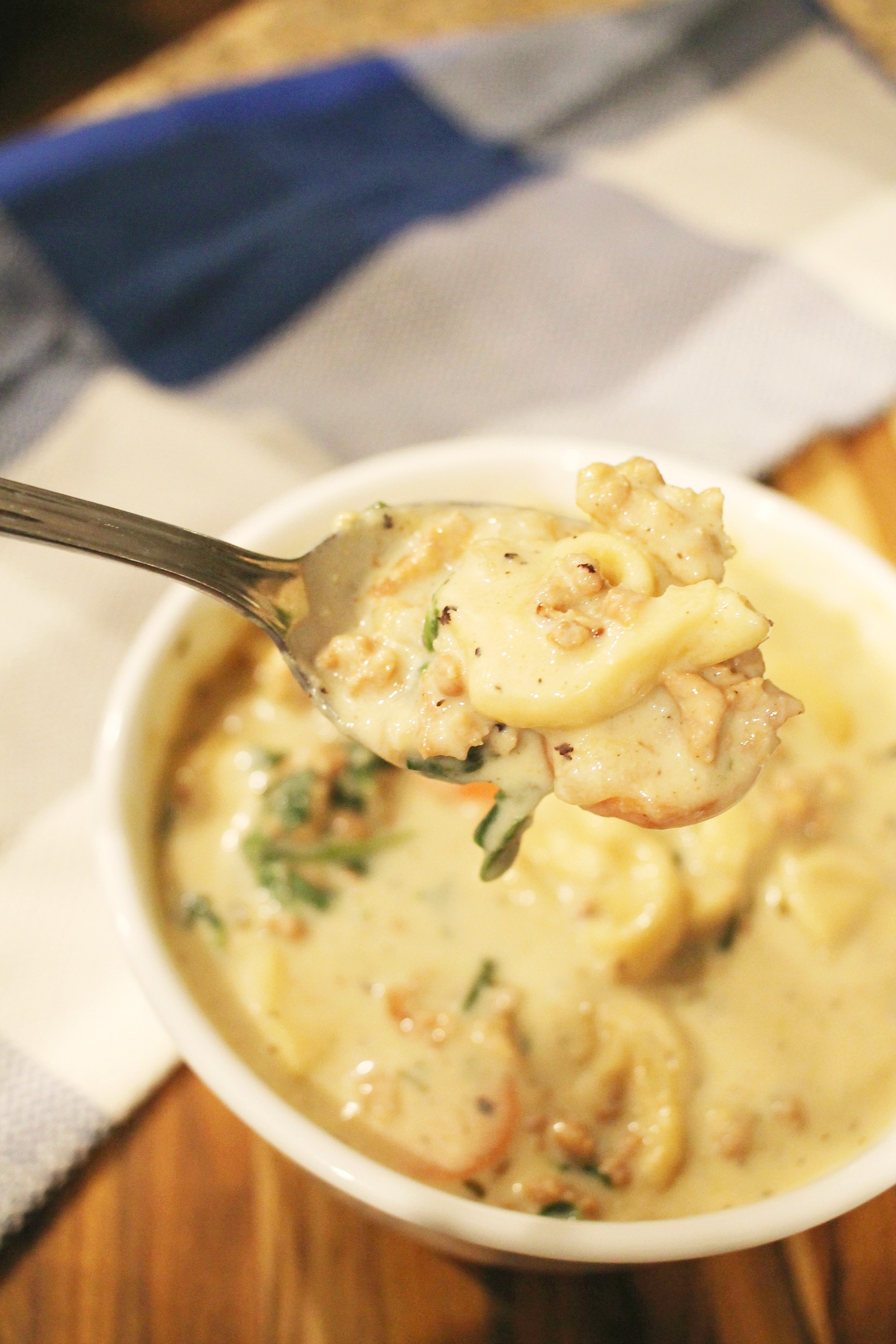
Our Olive Garden Tortellini soup builds on the same creamy sausage base people love, but shifts it into a more complete meal.
The original Zuppa Toscana is rich, but it relies on potatoes alone for substance.
Table of Contents
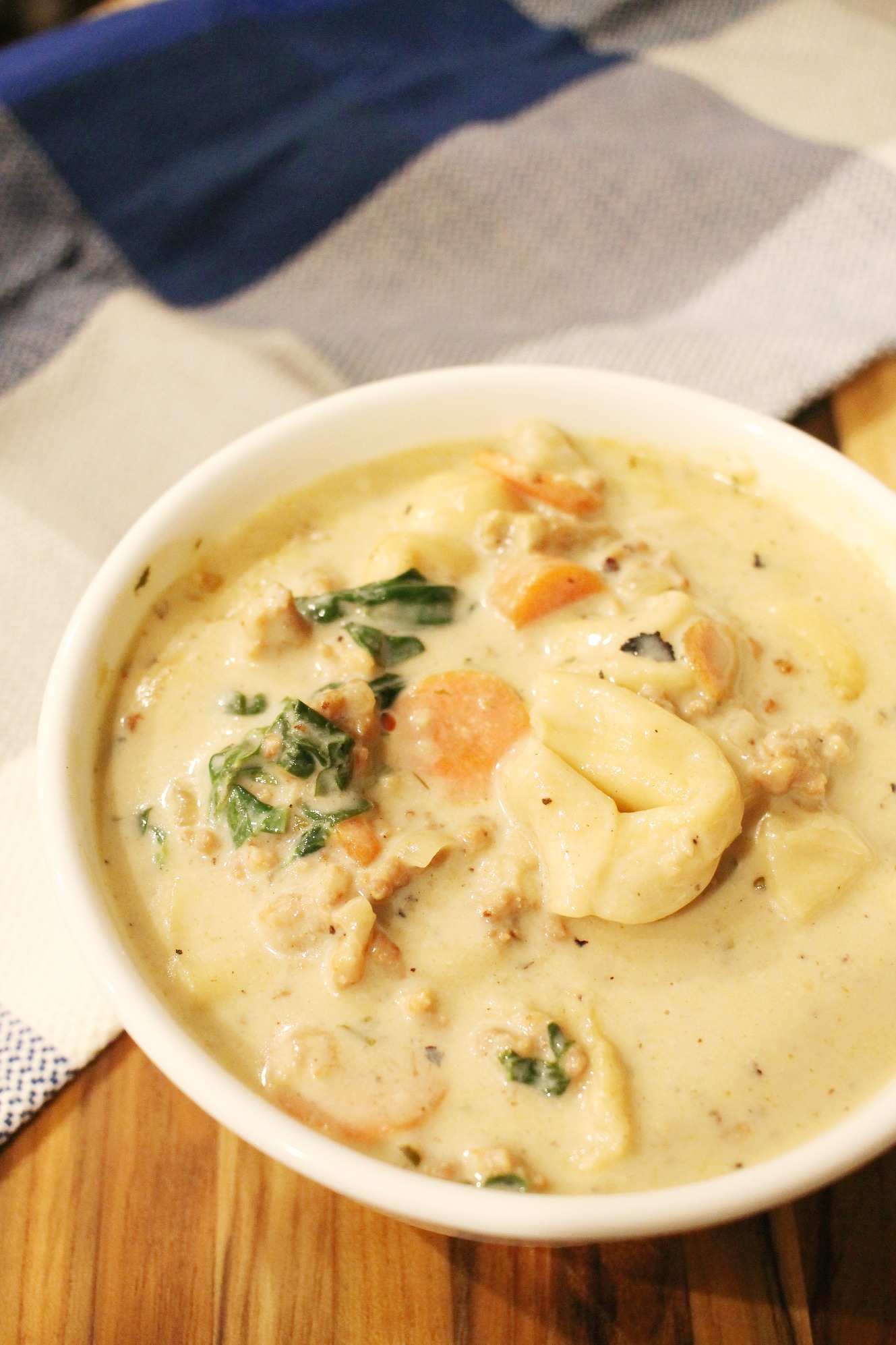
Adding tortellini changes the soup’s taste. It introduces a firmer bite and slightly thickens the broth, making each spoonful feel more substantial.
This recipe has a similar comfort level to something like our Creamy Vegan Pumpkin Soup, but it is richer and more substantial.
Why Is the Olive Garden Zuppa Toscana So Popular?
The reason people keep coming back to this copycat zuppa toscana is that it feels balanced in every spoonful. Although the broth is creamy, it’s not overwhelming; it has just enough richness to carry the savory depth from the sausage and seasoning.
Want our human-written content to rank above AI-generated garbage? Help us out by clicking this button!
Then comes the contrast. You get the bold, slightly spicy sausage against soft potatoes and tender kale. This creates layers of texture that never feel repetitive.
This recipe is simple, but it works. More importantly, it eats like an actual comfort food. It is warm, filling, and easy to come back to, much like our Tortilla Soup (Vegan, Gluten-Free, and Dairy-Free). However, it is built on a richer, cream-based profile.
Is This Recipe Like Olive Garden Zuppa Toscana?
This version follows a similar core structure to the original, starting with a creamy broth, Italian sausage, and aromatics.
The difference is in how the soup is finished. Instead of relying on potatoes, tortellini is added toward the end.
This shifts the texture from broth-forward to slightly thicker, with each bite carrying more weight, just like our Italian Vegetable Soup. However, it’s richer, creamier, and built around a heartier texture.
Zuppa Toscana vs Tortellini Soup
You must understand the difference between them before combining them. Zuppa Toscana is lighter and broth-forward; meanwhile, tortellini soup is built to be more filling and pasta-driven. Combining them is what produces that balanced, hearty result.
| Feature | Zuppa Toscana | Tortellini Soup |
|---|---|---|
| Base | Cream + broth | Broth or tomato |
| Protein | Sausage | Varies |
| Texture | Light | Hearty |
| Pasta | None | Yes |
Ingredients At A Glance
The following is everything required for the recipe. It is kept simple so you can scan and move straight into cooking.
- Sweet Italian sausage
- Onion (diced)
- Garlic (minced)
- Carrot (thinly sliced)
- Flour
- Chicken broth
- Cheese tortellini
- Fresh spinach (torn)
- Heavy cream
Olive Garden Tortellini Soup Ingredients & Substitutions
You’ve seen the full list. Now, let’s explore how the main ingredients work together and which ones can be swapped without affecting the result.
Italian Sausage
Most of the flavor comes from this sausage. It adds fat, seasoning, and depth to the broth.

- Substitute: Mild or hot Italian sausage works.
- Note: Ground beef or turkey can be used, but it will significantly change the flavor.
Cheese Tortellini
This is what makes the soup an actual Olive Garden Tortellini soup. It adds texture and makes the dish more filling.
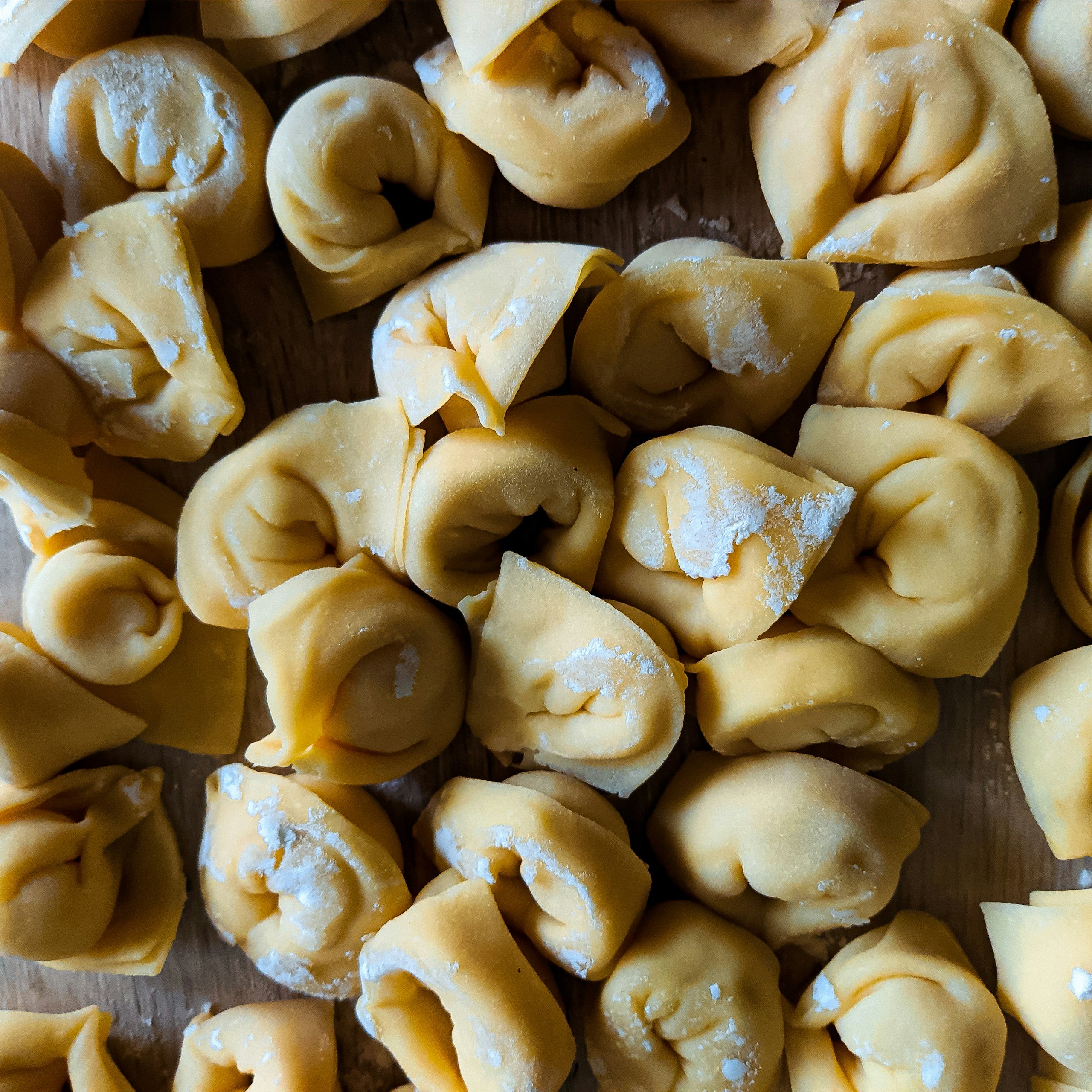
- Substitute: Ravioli can work in a pinch.
- Note: Smaller pasta shapes are not recommended because they won’t give the same bite or structure.
Heavy Cream
It creates the rich, creamy base that defines the soup.
- Substitute: Use half-and-half for a lighter version.
- Note: Milk is not ideal because it will change texture and reduce creaminess.
Chicken Broth
This is the base of the soup, and it balances the richness of the cream and sausage.
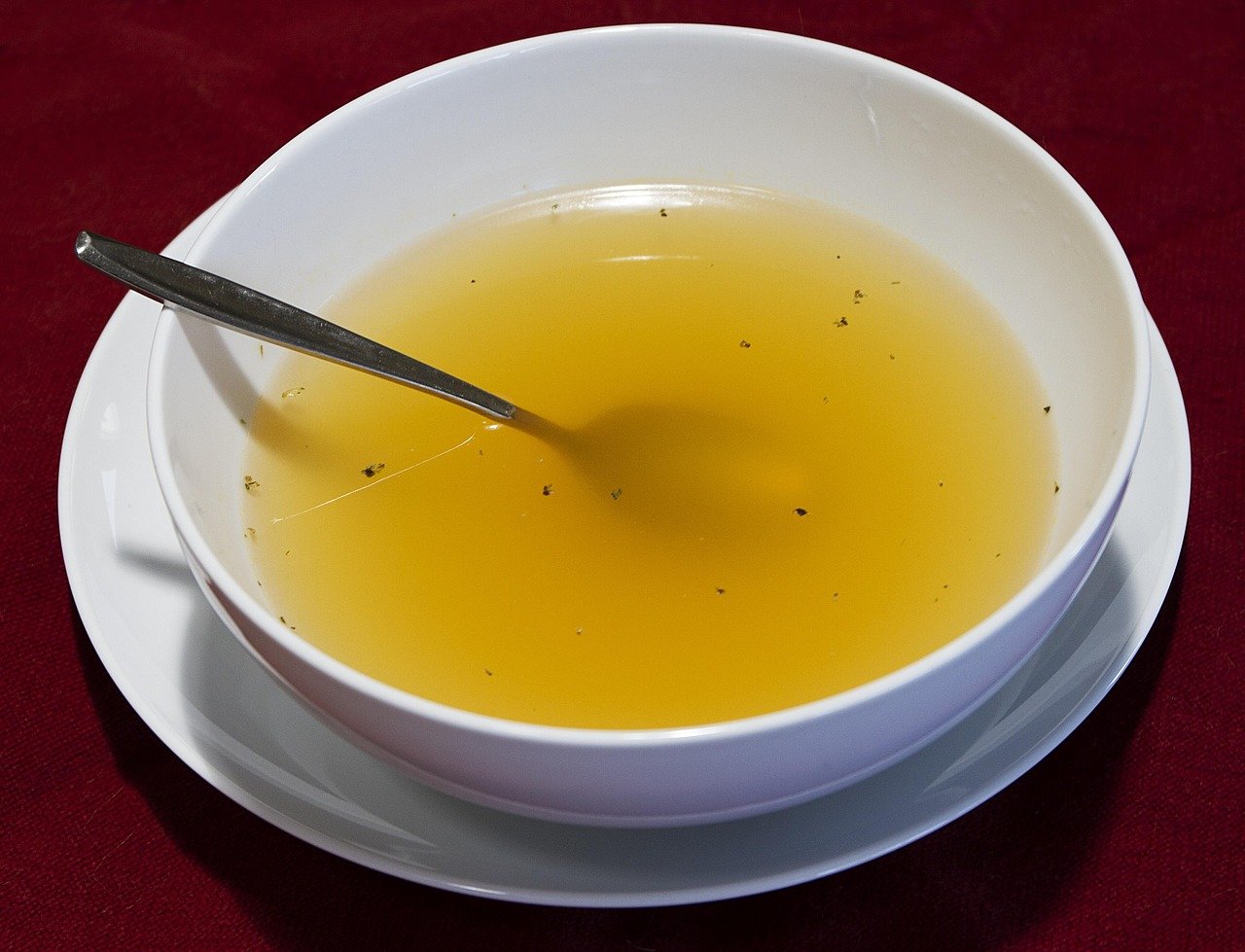
- Substitute: Vegetable broth works if needed.
- Note: This slightly changes the depth of flavor.
Onion and Garlic
They build the base flavor and support the sausage.
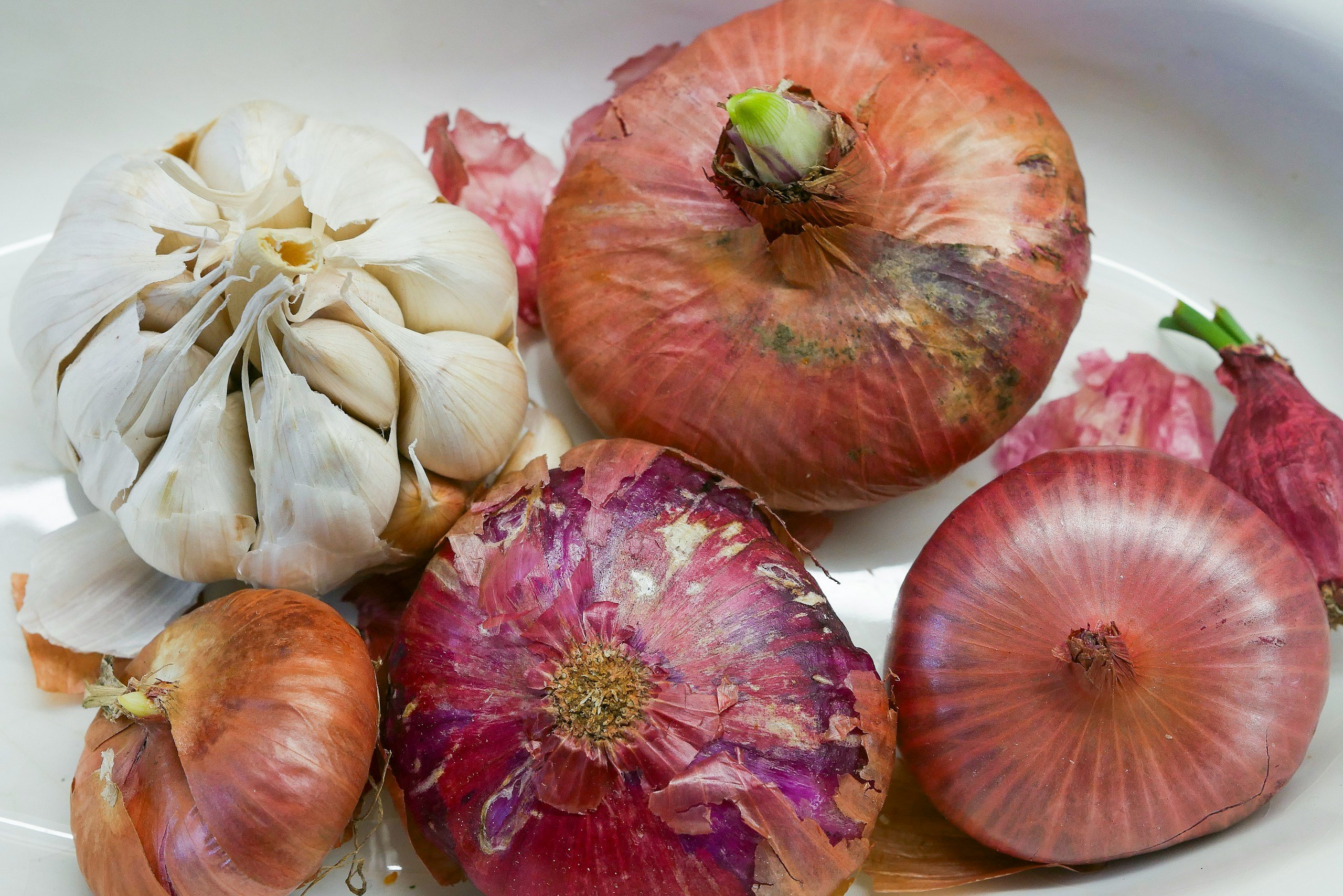
- Substitute: Pre-minced garlic is fine.
- No substitute: Onion is essential for the base, so skipping it will flatten the flavor.
Carrot
It adds subtle sweetness and balance to the richness.

- Substitute: Omit it if need be.
- Note: Removing it slightly reduces depth and contrast.
Spinach
It provides a lighter, fresher contrast to the creamy broth.
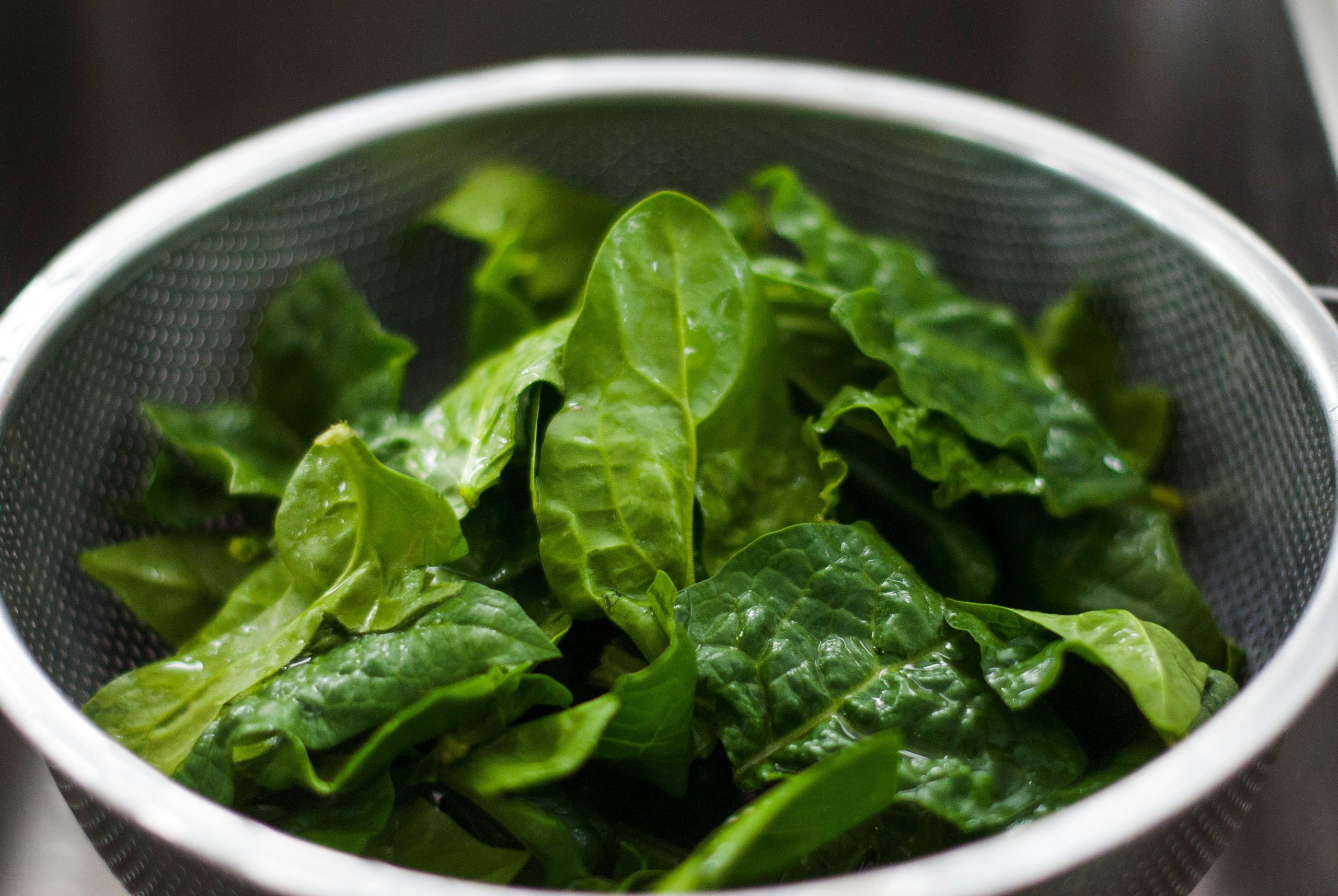
- Substitute: Kale works well.
- Note: Kale is firmer and will change texture slightly.
Flour
Flour is added to slightly thicken the soup.
- Substitute: Cornstarch slurry can work
- Note: This changes the final texture slightly
Each ingredient plays a specific role, so small swaps are fine. However, major changes will shift the balance.
Do you prefer a naturally sweeter, vegetable-forward profile? You might also like our Savory Sweet Potato Carrot Soup.

Printable Olive Garden Tortellini Soup Recipe Card
Ingredients
- 1 lb Sweet Italian Sausage
- 1 medium onion diced
- 3 cloves garlic minced
- 1 carrot peeled, thinly sliced
- 1 Tbsp. flour
- 32 oz chicken Broth
- 12 oz cheese Tortellini
- 4 cups fresh Spinach torn into pieces
- 1 cup heavy Cream
Instructions
- Cook sausage in a large pot over medium heat, breaking it apart as it browns. Add onion, garlic, and carrot. Cook until softened.
- Sprinkle flour over the mixture and stir until fully incorporated.
- Pour in chicken broth and bring to a boil.
- Add the tortellini to the boiling pot and cook for half the time that the package instructs.
- Reduce the heat to low. Stir in spinach and heavy cream. Simmer for 3–4 minutes until finished.
Notes
Doneness Cues
- The sausage should be fully browned with no pink remaining.
- Carrots should be fork-tender but not mushy.
- The broth should be actively simmering before adding tortellini.
- Tortellini should be tender but still hold their shape (not falling apart).
- Spinach should be fully wilted.
- Soup should be slightly thickened and creamy, not watery.
Success Notes
- Add tortellini toward the end to avoid overcooking.
- Keep the heat low after adding cream to prevent splitting.
- Stir occasionally for even cooking.
- Slightly undercook the pasta, because it finishes cooking in the soup.
Storage & Reheating
- Fridge: Up to 3 days in an airtight container.
- Reheat: Warm gently over low heat.
- Tip: Store tortellini separately if possible.
- Freezing: Not recommended.
Nutrition
Why This Olive Garden Tortellini Soup Recipe Works
At first glance, this recipe might seem like a simple soup, but its underlying balance is what makes it consistently reliable.
Fat Balance
The sausage releases fat as it cooks, which infuses the broth with flavor. The cream smooths this out, preventing the soup from tasting greasy or thin.
Starch from Tortellini
As the tortellini cook, they release a small amount of starch. This slightly thickens the broth, helping it adhere to the ingredients rather than separate.
Broth-to-Cream Ratio
Using both broth and cream keeps the soup from becoming overly heavy. The broth maintains fluidity, while the cream adds body.
Greens for Contrast
Spinach adds a mild bitterness that offsets the richness, preventing the soup from tasting flat. Each of these elements combines to create a soup with depth and complexity, rather than a one-dimensional flavor.
A similar principle is behind well-balanced recipes like our Slow Cooker Southwest Black Bean Soup.
Step-by-Step Instructions for Making Olive Garden Tortellini Soup
After preparing everything required, the steps below bring it all together. Follow each step of the procedure carefully. The included cues will help prevent overcooking and support you in maintaining balance.
Before you begin cooking, make sure all your ingredients are prepped, and your tools are ready. This will make the process smoother and more efficient from start to finish.
Essential Kitchen Tools
Nothing complicated is required to make this recipe smooth from start to finish. However, having the right tools makes an obvious difference.
- 6 Quart Enameled Cast Iron Dutch Oven Pot: Heavy-duty pot with excellent heat retention, ideal for soups, stews, and even cooking.
- imarku 8-Inch Chef’s Knife: Sharp, versatile knife for quickly prepping onions, garlic, carrots, and greens.
- OXO Good Grips Cutting Board: Durable, non-slip surface for safe, clean ingredient prep.
- OXO Wooden Spoon Set: Heat-safe spoon for stirring without scratching cookware.
- Stainless Steel Soup Ladle: Deep ladle for easy serving without spills.
Step 1: Brown the Sausage
Heat a large pot over medium heat and cook the Italian sausage for 5–7 minutes, breaking it apart as it browns.

The sausage should be fully browned with no pink remaining and slightly crisp in places.
Step 2: Build the Flavor Base
Next, add diced onion, minced garlic, and sliced carrot. Then cook for 4–5 minutes, stirring occasionally.
The onions should turn translucent, and the carrots should begin to soften.
Step 3: Add the Thickener
To thicken the soup, sprinkle flour evenly over the mixture and stir for 1–2 minutes until fully incorporated.
There should be no visible dry flour; the mixture should look lightly coated and slightly thickened.
Step 4: Add Broth and Bring to a Boil
Add the chicken broth, then increase the heat until the mixture boils. Let it boil for 2–3 minutes.
There should be steady bubbling across the entire surface.
Step 5: Cook the Tortellini
Add the tortellini and cook for 3–4 minutes (about half the package time).
The tortellini should be slightly firm in the center, not fully soft.
Step 6: Finish with Cream and Spinach
Finally, reduce the heat to low and stir in the spinach and heavy cream. Then simmer gently for 3–4 minutes.
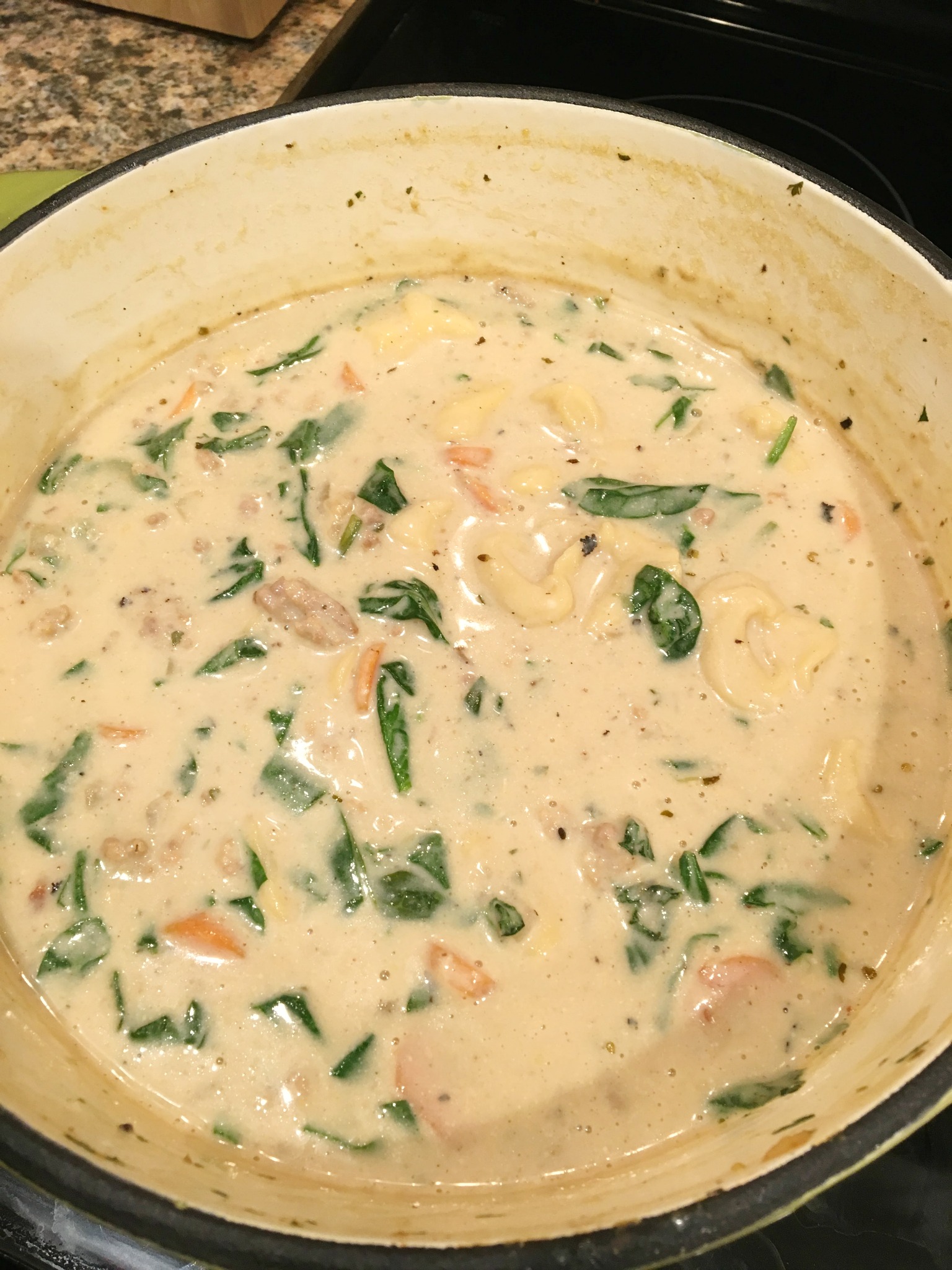
The spinach should be fully wilted. Also, the soup should be creamy and slightly thickened; the tortellini should be tender but still hold their shape.
What’s the Best Tortellini to Use?
The type of tortellini you choose affects cooking time and final texture.
Fresh vs Frozen vs Dried
Fresh tortellini cooks quickly and produces the softest texture. Meanwhile, frozen tortellini holds its shape better and is less prone to overcooking. However, Dried tortellini takes longer and results in a firmer bite.
Cheese vs Meat-Filled
Cheese tortellini keeps the flavor balanced against the sausage. Whereas, meat-filled tortellini creates a denser, heavier result.
Cooking Timing Differences
Cook tortellini just until tender:
- Fresh: 2–4 minutes
- Frozen: 4–6 minutes
- Dried: 8–10 minutes
Do you prefer a simpler, broth-focused dish without pasta considerations? Our Black Bean and Rice Soup follows a more straightforward approach while still delivering a complete, filling meal.
Pro Tips
If you want consistent results every time, these small adjustments make the biggest difference.
- Add tortellini last.
- Don’t boil after adding cream.
- Use hot Italian sausage for more depth.
- Undercook the tortellini slightly.
- Taste and adjust at the end.
Common Mistakes Associated with this Recipe
Even small mistakes can throw off the texture or flavor. Therefore, you must know what to watch for before they happen.
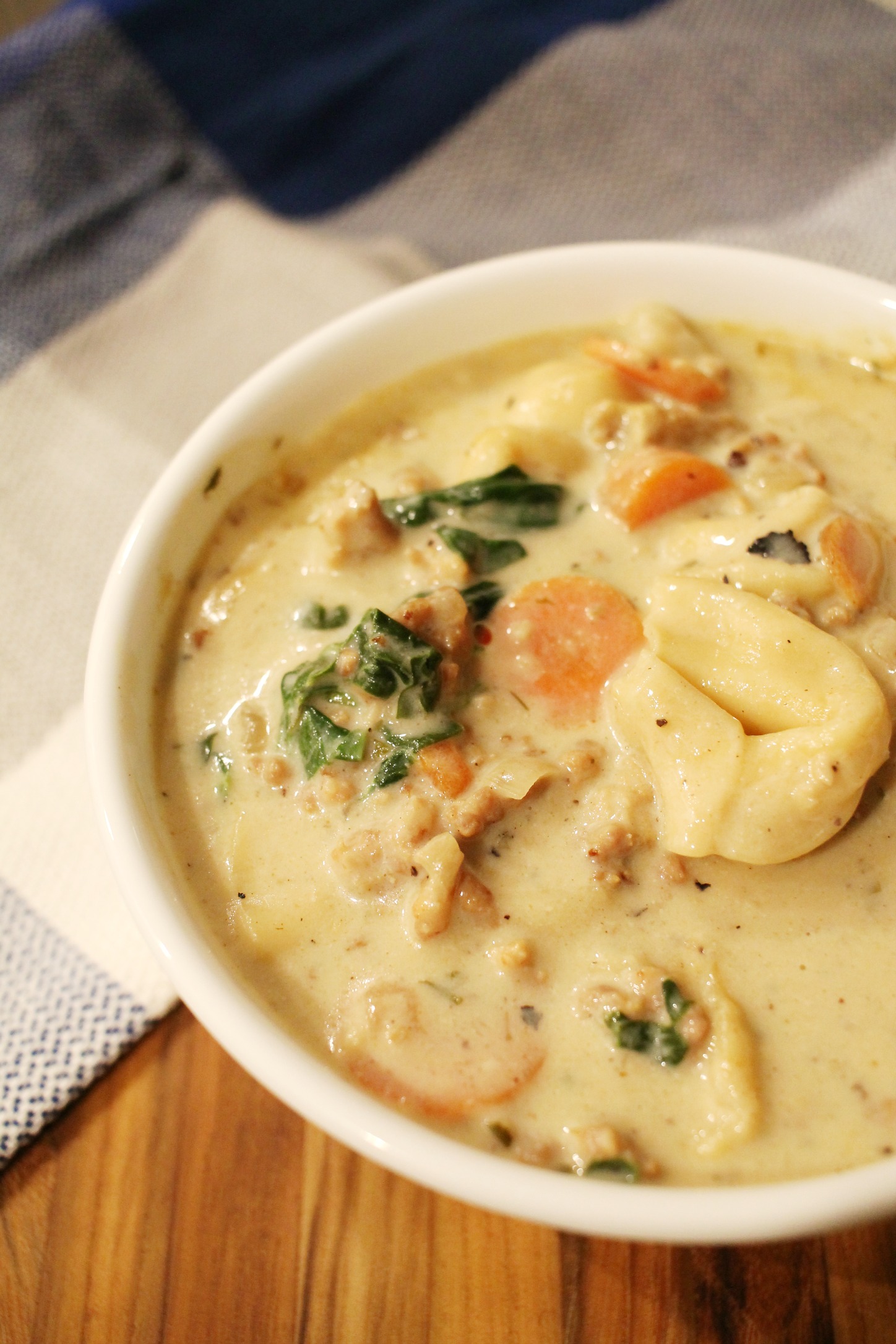
Mushy Tortellini
Tortellini cook quickly and continue to soften in hot broth. Leaving it too long will cause it to break apart and lose structure.
Thin Soup
If the soup feels watery, it usually means there isn’t enough fat from the sausage or cream to balance the broth.
Split Cream
Boiling after adding cream can cause separation. Hence, keep the heat low and steady to maintain a smooth texture.
Bland Flavor
The cream and pasta dilute the seasoning. As a result, always taste and adjust at the end to rebalance the flavors.
Catching these mishaps early keeps the soup consistent, rich, structured, and properly seasoned from start to finish.
Would you like to try a lighter, more forgiving soup that doesn’t rely on cream balance? Our Creamy Meatless Vegetable Noodle Soup follows a simpler approach while still delivering comfort and depth.
Ingredient Variations to Try
After mastering the base, you can easily adjust the recipe to several preferences without losing structure.
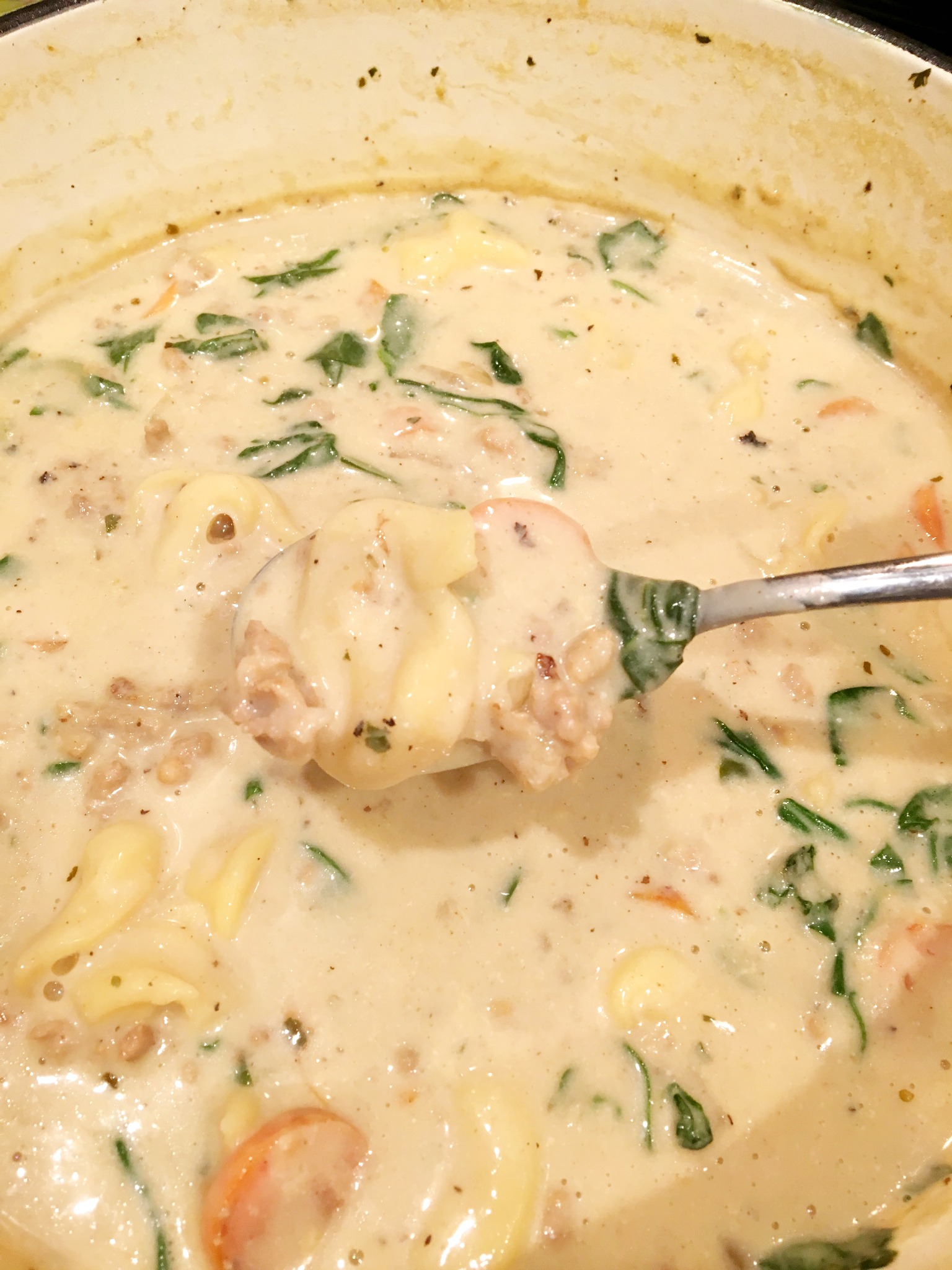
Dairy-Free Version
Replace the heavy cream with full-fat coconut milk or a dairy-free cream alternative. This keeps the soup rich, but it will slightly change the flavor profile.
Lighter Version
Substitute half-and-half for heavy cream and use slightly less sausage. This lowers the fat content while keeping the soup balanced; however, it won’t be as thick or creamy.
Spicy Version
Swap sweet Italian sausage for hot Italian sausage or add red pepper flakes to increase depth and contrast without changing the base structure.
Vegetarian Version
Replace sausage with plant-based sausage or mushrooms, and use vegetable broth instead of chicken broth. This works well, but it will shift the flavor away from the traditional profile.
Should you want a fully plant-based option, our Spicy Sprouted Lentil Soup offers a naturally vegan approach with a similar depth of flavor.
What to Serve with Your Olive Garden Tortellini Soup
Pairing your cooked soup with the right sides makes it feel like a complete meal.
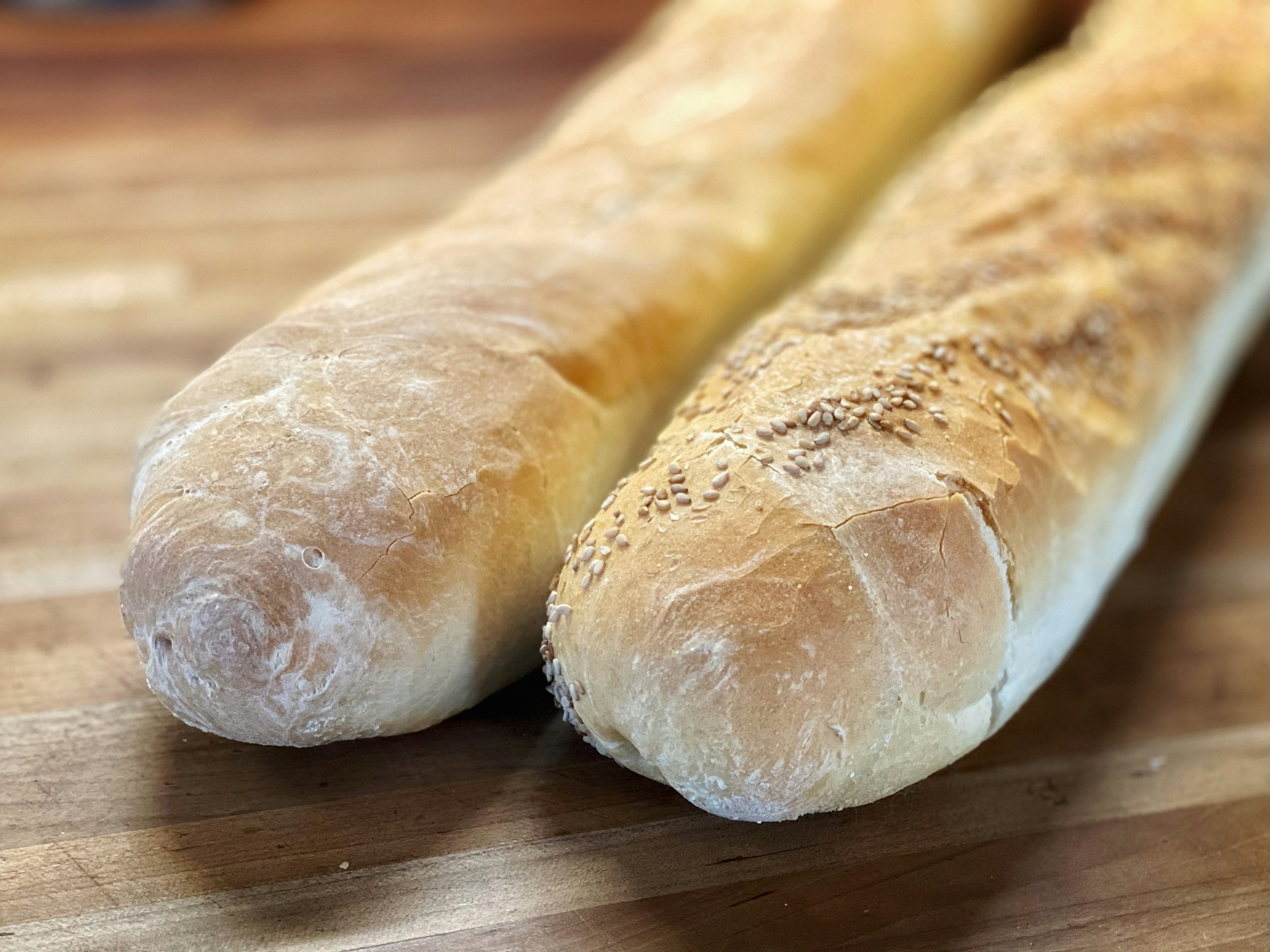
Breadsticks
The most natural choice is breadsticks. They provide the classic restaurant experience and are ideal for soaking up the creamy broth.
Garlic Bread
Garlic bread is also great for this soup, especially if you crave a side with more texture and flavor. A crispy edge with a soft center balances the soup’s richness.

Our Easy Garlic Cheesy Bread With Leftover Hot Dog Buns fits perfectly.
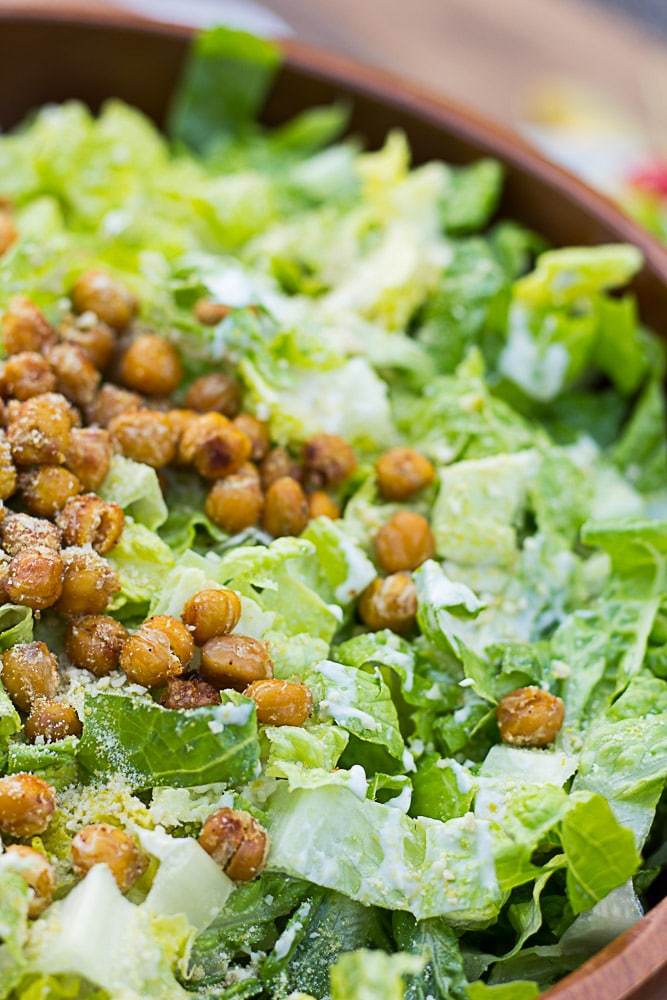
Caesar Salad
For a light option, a Caesar salad adds contrast. The crisp lettuce and tangy dressing balance the creaminess, preventing the meal from feeling too heavy.
How to Properly Store, Freeze, and Reheat Your Olive Garden Tortellini Soup
After making your soup, your storage and reheating methods will determine whether it stays balanced or becomes excessively soft and heavy.
Storing the Soup
Before you transfer the soup to an airtight container, let it cool completely. Then store in the refrigerator for up to 3 days.
If possible, store the tortellini separately from the broth for best results. This prevents the pasta from soaking in too much liquid and becoming too soft over time.
Reheating Without Overcooking
Reheat gently over low to medium heat on the stovetop. Avoid bringing it to a boil, because high heat will continue cooking the tortellini and can cause the cream to separate.
If the soup thickens in the fridge, add a little broth or water while reheating to thin it out. Also, add tortellini back in at the end and warm just until heated through.
Freezing Limitations
Cream-based soups don’t freeze well. The texture can change after thawing, often leading to separation or a grainy consistency. Also, tortellini can become overly soft once frozen and reheated.
Should you need to freeze it, freeze only the broth base (without cream and tortellini). Then add fresh cream and cook the tortellini when reheating.
If handled properly, the soup maintains its texture. It will remain creamy, balanced, and not overcooked, even after storing.
What Nutritional Benefits Does Olive Garden Tortellini Soup Offer?
It’s important to understand the soup’s nutritional profile and who will benefit most from it.
Balanced Macronutrients
This recipe combines protein, fat, and carbohydrates in one bowl, supporting satiety and sustained energy. The sausage provides protein and fat, helping you stay full longer, while the tortellini adds carbohydrates for immediate energy.
Micronutrients from Greens
Spinach contributes essential vitamins and minerals, including vitamin A, vitamin K, iron, and antioxidants.
These nutrients support immune function and overall health. Research from the Harvard T.H. Chan School of Public Health shows that eating leafy greens can reduce the risk of chronic diseases.
Energy-Dense but Structured
The inclusion of cream increases energy density, but when combined with protein and vegetables, the meal remains balanced rather than excessive.
Whole-Meal Nutritional Profile
Soups that combine vegetables, protein, and fats are associated with improved overall dietary patterns and better nutrient intake.
Who Is This Soup for?
The following are the kinds of individuals this recipe is ideal for:
- For High-Satiety Meals: This works well if you want a meal that keeps you full for longer without needing additional sides.
- For Busy Schedules: Everything cooks in one pot, making it practical for quick, complete meals without extra prep.
- For Comfort Food with Structure: It delivers the richness of comfort food while still including vegetables and balanced nutrients.
- For Flexible Diet Preferences: The recipe can be adjusted for lighter, dairy-free, or vegetarian versions without changing the core method.
When to Choose an Alternative
If you prefer a lighter, more plant-forward approach, increasing vegetable intake is consistently recommended in dietary research. In that case, a broth-based or fully vegetable-focused soup may be a better fit. However, for a balanced, filling option, this recipe sits in the middle.
Frequently Asked Questions
Before you begin, or even after your first batch, these are some of the questions that arise most often.
Can I Make this Soup Ahead of Time for Meal Prep?
You can, but for the best results, keep the tortellini separate and add it when reheating. This prevents the pasta from softening too much and maintains a balanced texture.
Can I Cook this Recipe in A Slow Cooker?
You can cook the base (sausage, broth, and vegetables) in a slow cooker on low for 4–6 hours, but add the tortellini and cream at the end to avoid overcooking.
What’s the Best Way to Thicken the Soup If Needed?
If the soup feels too thin, let it simmer uncovered for a few extra minutes or add a small slurry of cornstarch and water. Avoid adding too much, as it can make the soup overly heavy.
Can I Use Pre-Cooked Sausage?
You can use pre-cooked sausage, but you’ll lose some of the depth that comes from browning raw sausage. If using pre-cooked sausage, sauté it briefly to develop more flavor before adding other ingredients.
How Do I Keep the Soup from Becoming Too Salty?
Use low-sodium chicken broth and adjust seasoning at the end. The sausage and tortellini already contain salt, so it’s best to build gradually.
Can I Double this Recipe?
This recipe scales well. But make sure to use a large enough pot and maintain the same cooking sequence so the texture and balance stay consistent.
Similar Recipes to Try
If you enjoyed this one, below are a few more soups that follow a similar approach, each with its own twist.
- Vegan Tomato ‘Cream’ Soup – A lighter, dairy-free take with a smooth, creamy finish and bright tomato flavor.
- Creamy Coconut Curried Butternut Squash Soup – Rich and slightly spiced, with a deeper, warming profile.
- Creamy Butternut Pear Soup – A subtle blend of sweet and savory with a naturally smooth texture.
- Cannellini Kale Soup – A hearty, bean-based option with a more broth-forward structure.
- Vegan Lentil Soup with Kale – Filling and nutrient-dense, built around plant-based protein and greens.
Whether you want something creamy, hearty, plant-based, or cozy for a cold night, these soups are easy options to keep in your dinner rotation.
Fill Us In
Now you’ve seen how a simple tweak can turn a classic into a more filling and structured meal without losing what makes it work. Have you tried this version? Tell us what worked (or didn’t) in the comments. We’d love to hear how it turned out for you or what you changed.