Creamy Olive Garden Shrimp Alfredo You Can Make In 30 Minutes

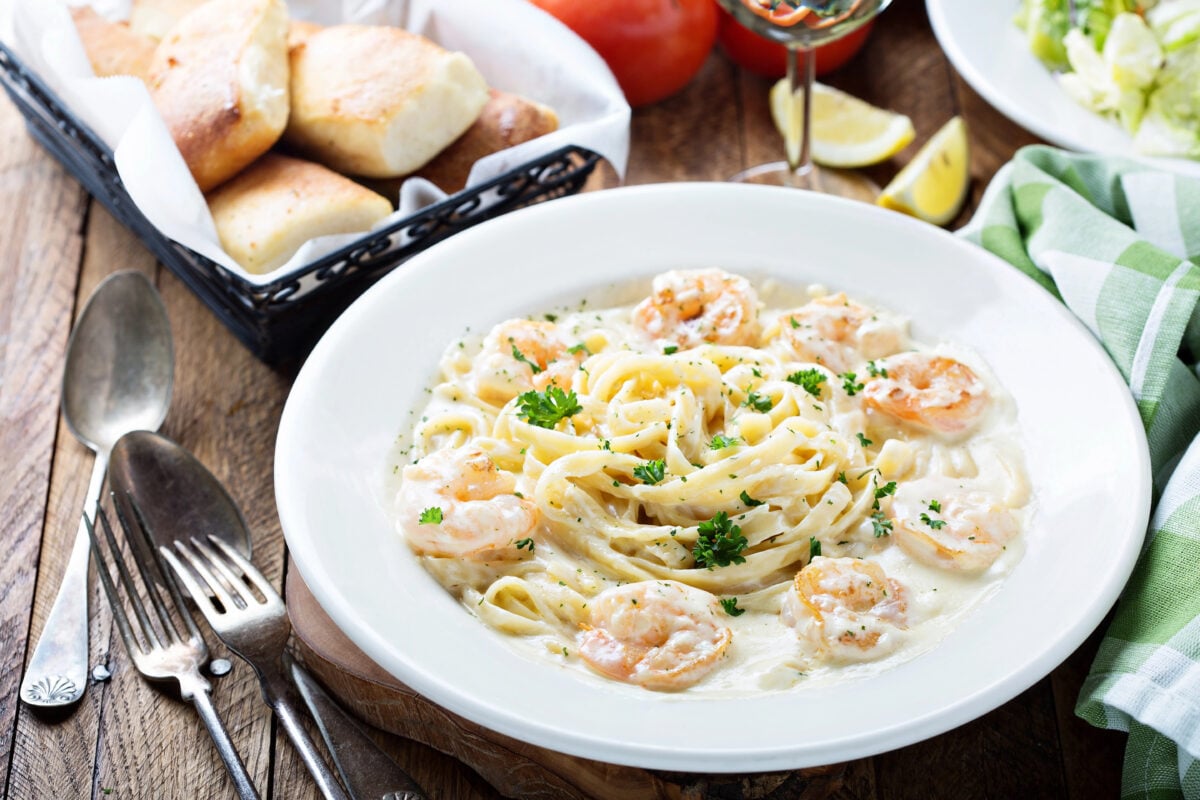
Many home cooks struggle with the Olive Garden Shrimp Alfredo recipe that splits, turns greasy, or leaves the shrimp rubbery. This version was tested to deliver a smooth sauce and tender shrimp, without weird ingredients or complicated techniques.
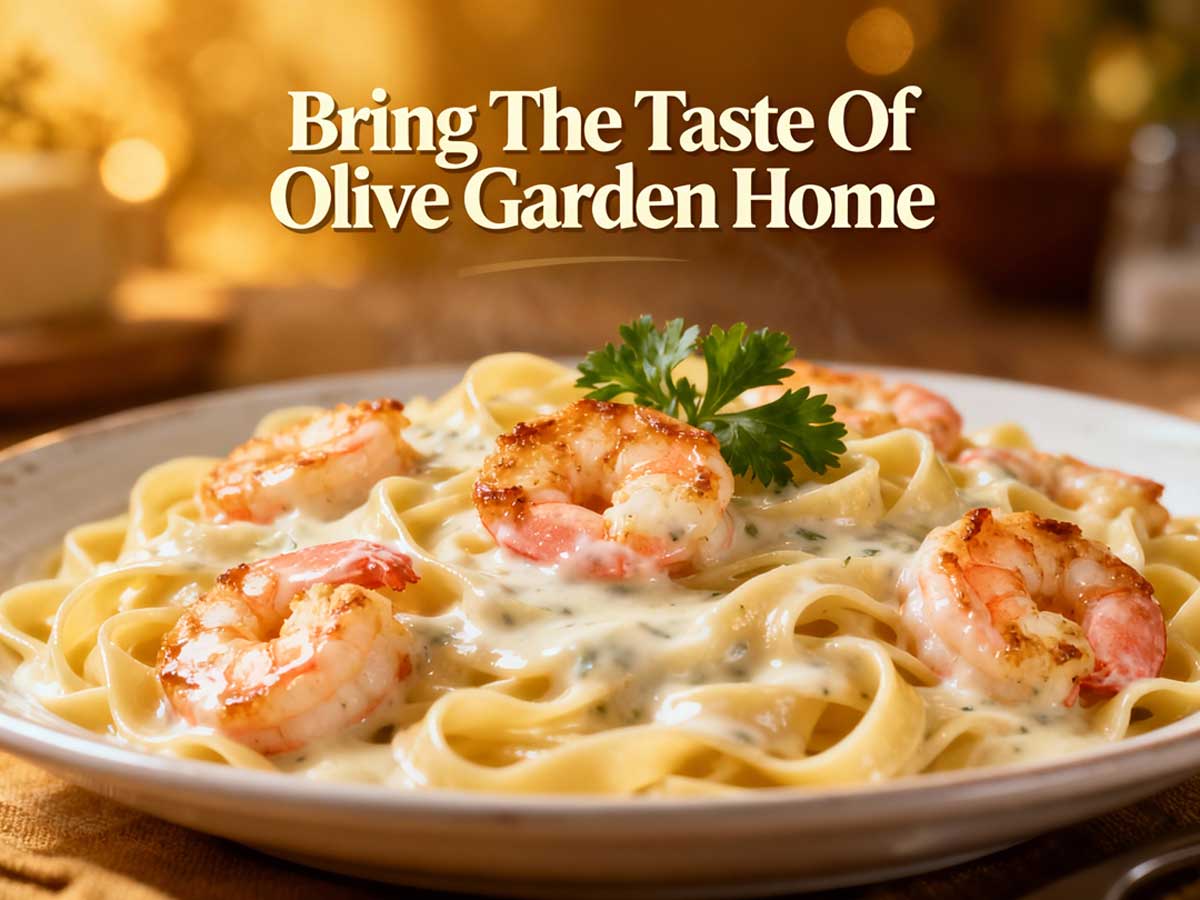
Inspired by Olive Garden’s famous dish, this copycat recipe brings the rich, comforting flavors of their Shrimp Alfredo straight to your kitchen. Every bite delivers that signature creamy bliss you expect from the restaurant favorite.
Table of Contents
Whether you’re planning a cozy weeknight dinner or a meal to impress, this Olive Garden Shrimp Alfredo is reliable, creamy, and ready in about 30 minutes. Pair it with our Olive Garden Meatball Recipe for a complete, restaurant-style dinner at home.
Ingredients Quick Scan
This Olive Garden Shrimp Alfredo recipe uses simple, familiar ingredients; nothing exotic or intimidating. If you have shrimp, cream, cheese, and pasta, you’re already halfway there.
What you’ll need at a glance:
Shrimp
- Medium to large shrimp, peeled and deveined
- Fresh or thawed (avoid overly small sizes)
Alfredo Sauce Essentials
- Heavy cream or cream alternative as noted
- Real Parmesan cheese (no pre-grated powder)
- Butter and garlic for a rich flavour
Pasta
- Long pasta such as fettuccine or linguine
- Plenty of salted water to cook it properly
These are simple ingredients, but how you choose and use them makes all the difference.
Ingredients For Shrimp Fettuccine Alfredo
Getting the right ingredients and understanding how they behave is the key to restaurant-style results at home. These notes will help you avoid the most common pitfalls (grainy sauce, rubbery shrimp, or flat flavor) before you even start cooking.
Shrimp
What matters:
Want our human-written content to rank above AI-generated garbage? Help us out by clicking this button!
- Size: Medium to large shrimp (31–40 or 21–30 count per pound) work best because they cook quickly and stay tender.
- Fresh vs. Frozen: Properly thawed frozen shrimp is just as good as fresh, and often more consistent.
What to avoid:
- Very small shrimp (too easy to overcook)
- Pre-seasoned or battered shrimp (adds unwanted flavours or textures)
Substitutions That Work:
- Scallops or chicken breast strips have similar cook times. Just adjust gently.
Dairy
Heavy cream is the backbone of Alfredo sauce because its higher fat content creates a silky, stable emulsion.
Why heavy cream matters:
- Higher fats are less likely to split when heated
- Builds richness without curdling
Substitutions that work (with caveats):
- Half-and-half + a bit more butter would create richness, but requires gentler heat
- Evaporated milk + butter are lighter, but you may notice a less rich finish
What’s not recommended:
- Regular milk alone is too low in fat, plus it’s prone to curdling and has a thin texture
- Non-dairy milk without added fat rarely gives creamy results
Cheese
Use block Parmesan and grate it fresh. Pre-grated Parmesan contains anti-caking agents that don’t melt smoothly, leading to a grainy sauce.
Best Picks:
- Parmigiano-Reggiano has a rich, complex flavour and smooth melt
- Grana Padano is slightly milder, but it is still excellent
Avoid:
- Pre-grated jars or “Parmesan blend” powders
Butter & Garlic
These are the simple aromatics that give the sauce its classic profile.
Butter:
- Adds richness and helps coat the pasta
- Prefer unsalted, so you control the seasoning
Garlic:
- Adds depth
- Doesn’t need browning, just soften
Substitutions
- Choosing shallots instead of garlic would give a milder flavour
- Choosing garlic powder in a pinch won’t replace fresh garlic’s aroma
Pasta Shape
Fettuccine is traditional for Alfredo because its broad, flat ribbons hold sauce beautifully. This same pasta shape works perfectly in our Olive Garden Chicken Marsala Recipe, where the sauce benefits from wide noodles. Narrower pasta like spaghetti won’t cling as well, and tiny shapes may get lost in the cream.
Good alternatives:
- Linguine
- Tagliatelle
Less ideal:
- Macaroni or shells don’t deliver the classic Alfredo experience
Explicit Substitution Guidance
Before you start swapping ingredients like a kitchen renegade, let’s get clear on what will work, what won’t, and where flexibility actually lives in this recipe.
What Works (with Minor Texture Changes):
- Chicken or scallops instead of shrimp
- Half-and-half + butter instead of pure heavy cream
- Linguine instead of fettuccine
What Changes Texture:
- Lower-fat dairy = thinner sauce
- Pre-grated cheese = grainy sauce
What’s Not Recommended:
- Milk only (too thin)
- Non-dairy alternatives without fat
- Pre-breaded or seasoned shrimp
Once the ingredients are clear, the recipe itself becomes much easier to trust.

Creamy Olive Garden Shrimp Alfredo Recipe Card
Equipment
- Large pot for cooking pasta
- Skillet or saute pan for shrimp
- Saucepan for alfredo sauce
- Colander for draining pasta
- Whisk or wooden spoon for stirring sauce
- Measuring cups and spoons
- Cheese grater
Ingredients
- 12 oz fettuccine pasta or linguine
- 1 lb medium-large shrimp peeled and deveined
- 4 tbsp unsalted butter minced
- 3-4 garlic cloves
- 1½ cups heavy cream
- 1½ cups freshly grated parmesan Parmigiano-Regiano or Grana Padano
- ½ tsp Italian seasoning
- ½ tsp freshly grounded black pepper
- Salt to taste
- Chopped fresh parsley for garnish optional
Instructions
Cook the Pasta
- Bring a large pot of well-salted water to a boil and cook the feetuccine until just al dente. Reserve some pasta water, then drain.
Sauté the Shrimp
- In a large skillet, melt 1 tablespoon butter over medium heat; add shrimp, season lightly, and cook until pink and opaque. Remove shrimp and set aside.
Build the Sauce
- In the same skillet, melt remaining butter and soften garlic briefly. Add heavy cream and warm gently; do not boil.
Finish Sauce
- Remove from heat; gradually whisk in grated Parmesan until smooth. If the sauce needs loosening, add a splash of reserved pasta water.
Combine
- Return shrimp to the pan, add cooked pasta, and toss until everything is coated and heated through. Don't forget to adjust seasoning.
Notes
Nutrition Estimate
- Protein: ~30g
- Carbohydrates: ~55g
- Fat: ~35g
Nutrition
Notes for Cooking Success
- Sauce Temperature Control: Moderate heat prevents the cream from splitting and helps Parmesan melt smoothly.
- Shrimp Doneness: Medium-large shrimp cook quickly; watch for opaque colour and a slight curl to avoid rubberiness.
- Storage Limits: Alfredo is best eaten fresh. Refrigerate leftovers for up to 2 days; reheating slowly with a splash of cream or milk helps maintain smoothness.
Now let’s break down why this recipe works so consistently, especially compared to most Alfredo attempts.
Why This Shrimp Alfredo Recipe Works
With Alfredo, the difference between average and restaurant-style results comes down to technique. This version was tested step by step to eliminate the most common Alfredo mistakes.
- The sauce is built gently to avoid splitting, as heavy cream and cheese can separate if overheated. Warming the cream slowly and finishing the cheese off heat creates a silky, stable sauce every time.
- Sautéing shrimp apart from the sauce means you can control doneness precisely. This prevents overcooking and keeps them juicy, not rubbery.
- Parmesan cheese melts best when the pan isn’t too hot. Adding it off heat prevents graininess and ensures seamless incorporation.
- Starchy pasta water helps the sauce cling to the pasta and smooth the texture without over-thinning.
With the why covered, let’s walk through the process step by step.
Step-by-Step Instructions for Creamy Garden Shrimp Alfredo
This is the core instructional section, the part readers will slow down on, follow closely, and return to as they cook. Clear steps and well-placed visuals keep skimmers engaged and build confidence in the kitchen.
Step 1: Cook the Pasta Until Perfectly Al Dente
Bring a large pot of well-salted water to a rolling boil. Add the pasta and cook until tender but still firm to the bite, following the package directions for al dente.
Stir the pasta occasionally as it cooks to prevent sticking and ensure even tenderness. Begin testing the pasta a minute before the suggested cooking time to avoid overcooking.
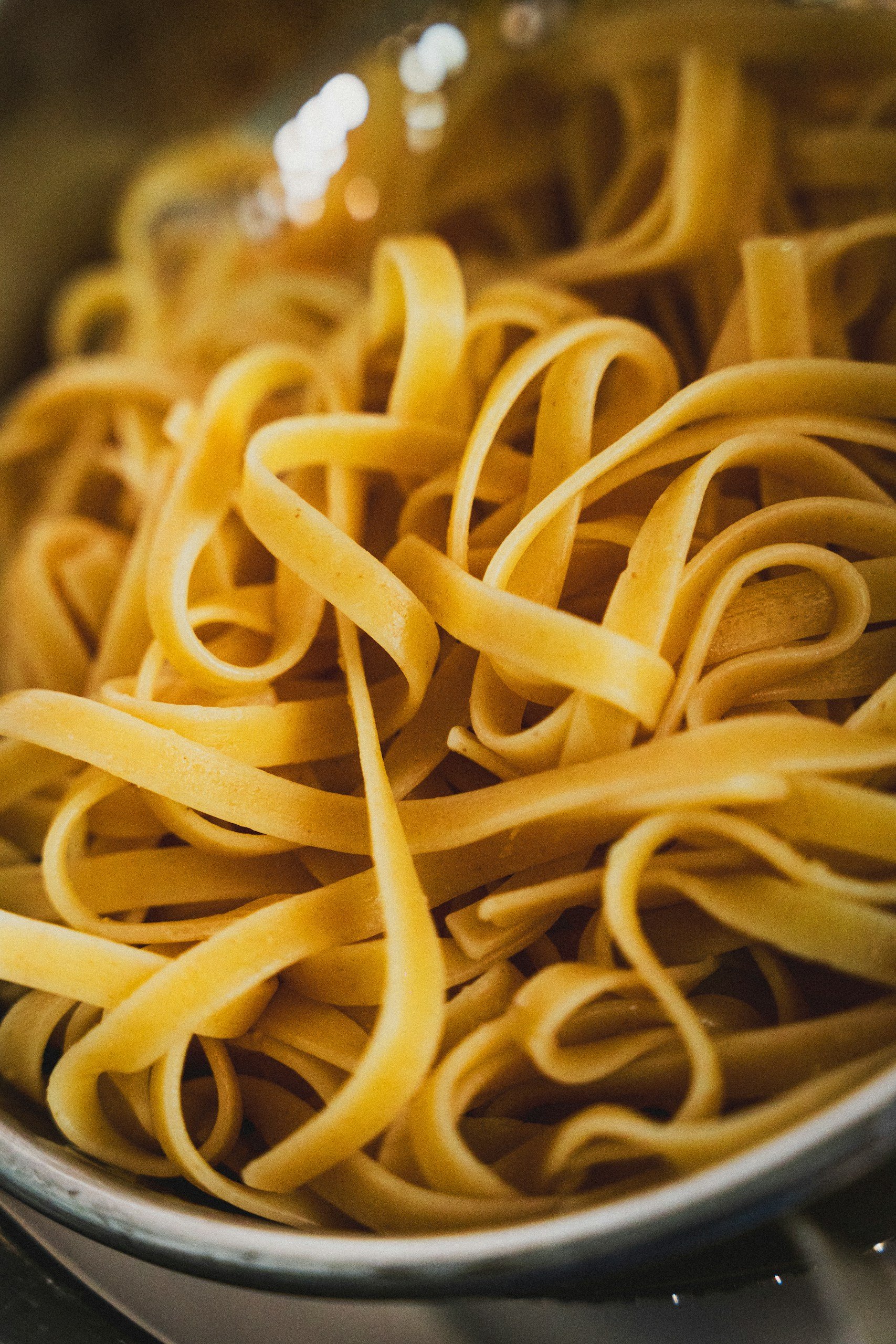
Before draining, reserve about ½ cup of the pasta cooking water. Drain the pasta well without rinsing, as the surface starch helps the sauce cling later. Keep the pasta warm while you prepare the rest of the dish.
Step 2: Sauté the Shrimp Until Opaque And Tender
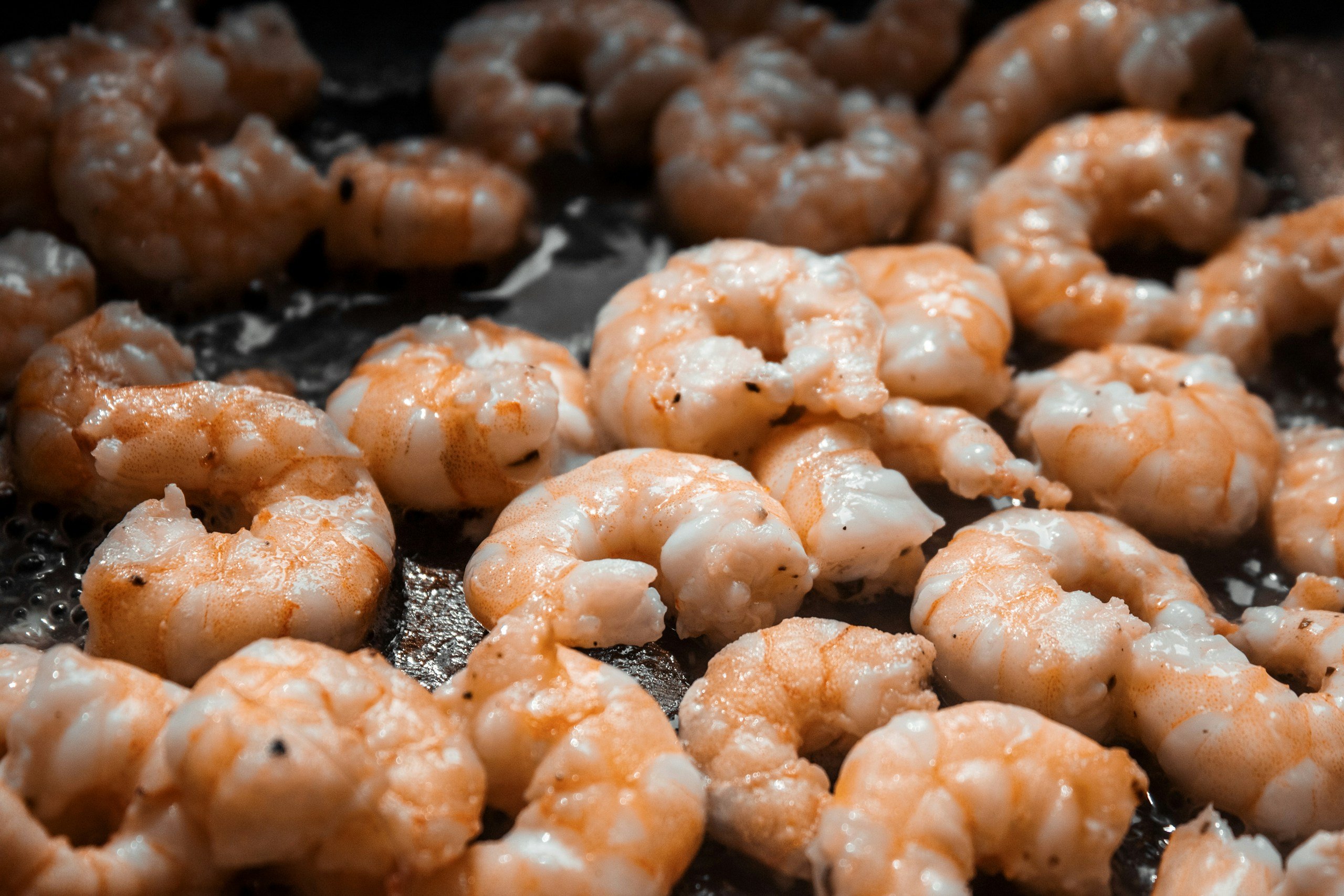
Season the shrimp lightly with salt and pepper. In a large skillet over medium heat, melt a little butter or oil, then add the shrimp in a single layer. Cook just until they turn opaque and pink, about 2–3 minutes per side.
Be careful not to overcook, as shrimp can become rubbery very quickly. Once cooked, remove the shrimp from the pan and set aside while you prepare the sauce.
Step 3: Build the Alfredo Base
Warm the same pan over medium-low heat and melt the butter. Add minced garlic and sauté until fragrant, but don’t let it turn brown. Pour in the heavy cream and warm it gently, but avoid boiling. Low, controlled heat creates a smooth base that won’t break as you finish the sauce.
Step 4: Finish the Sauce with Parmesan
Remove the pan from direct heat and slowly whisk in the freshly grated Parmesan until the sauce becomes rich and silky. If it feels too thick, add a splash of the reserved pasta water until you reach the desired consistency. This step ensures the cheese melts evenly without becoming grainy or clumpy.
Step 5: Combine Pasta, Shrimp, and Sauce
Add the drained pasta and cooked shrimp back to the skillet. Toss everything together until each strand of pasta is coated in the creamy sauce and the shrimp are warmed through. Adjust seasoning with salt and pepper to taste.
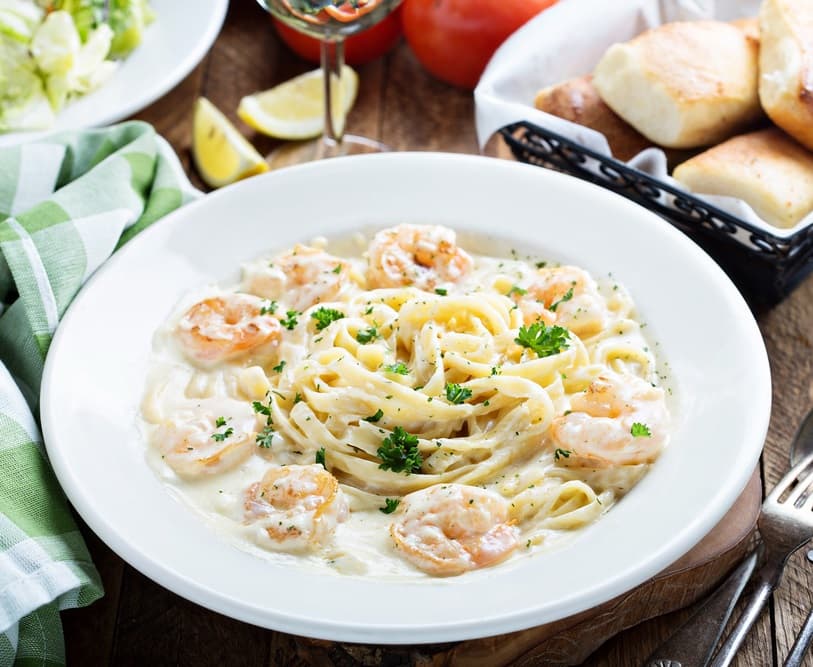
If you prefer a lighter seafood pasta, our Olive Garden Shrimp Scampi Recipe uses a garlic-butter sauce instead of cream.
Even with clear steps, Alfredo can still go wrong. Here’s how to avoid that.
Tips & Troubleshooting
Even with a great recipe, a few small missteps can turn creamy Alfredo into a disappointment. The tips below address the most common issues home cooks face, and how to fix or prevent them.
How to Prevent Alfredo Sauce from Splitting
Splitting happens when fats and liquids lose their balance. These simple techniques help your Alfredo emulsify properly and stay silky.
Problem:
The sauce looks curdled or oily instead of smooth and creamy.
Reason:
High heat or adding cheese to a boiling cream base breaks the emulsion.
Fix:
- Heat the cream slowly over medium-low, never boiling.
- Remove from heat before adding the Parmesan and whisk gently.
- If the sauce separates, remove it from the heat and whisk in a splash of reserved pasta water to bring it back together.
Key warning: Boiling the cream is the most common cause of Alfredo sauce failure. Keep the heat gentle.
How to Keep Shrimp Tender, Not Rubbery
Overcooking is the number-one reason shrimp turn tough. These simple techniques help lock in moisture and keep the texture just right.
Problem:
Shrimp turns tough or rubbery.
Reason:
Shrimp cook very quickly and continue to firm up after leaving the heat.
Fix:
- Sauté shrimp over medium heat only.
- Cook until just opaque and curled, about 2–3 minutes per side, no more.
- Remove shrimp before they’re fully firm; they’ll finish cooking when combined with the hot pasta and sauce.
Key Warning: Shrimp cook faster than pasta, so treat them separately for the best texture.
Fixes for Sauce Too Thick or Too Thin
Thickness issues usually come down to heat, reduction, or dairy ratios. Use these simple adjustments to correct the texture without dulling the flavor.
Problem:
Sauce is gummy, gluey, or too runny.
Reason:
An imbalanced cheese-to-liquid ratio or incorrect heat.
Fix (Too Thick):
- Add a tablespoon of reserved pasta water at a time until smooth.
- Warm gently while stirring to prevent clumps.
Fix (Too Thin):
- Simmer gently off the heat for 1–2 minutes to reduce slightly.
- Add a bit more freshly grated Parmesan and whisk until incorporated.
Key Warning: Never add all the pasta water at once; it can turn an unstable sauce into a watery one.
Once you’ve mastered the base, it’s easy to customize this dish.
Variations & Flavor Boosters
Once you’ve mastered the base shrimp Alfredo, a few small twists can make it feel fresh every time you serve it.
Extra-Garlicky Version
If you love bold flavour, ramp up the garlic.
- Add 1–2 extra cloves of minced garlic when you begin the sauce.
- Gently toast the garlic in butter until fragrant but not browned. Doing this deepens the flavour without bitterness.
Lemon-Brightened Finish
A touch of citrus brightens the rich cream and shrimp.
- Zest half a lemon into the finished sauce.
- Finish with a squeeze of lemon juice just before serving for a fresh, balanced profile that cuts through the creaminess.
White Wine Depth
A splash of dry white wine adds complexity.
- After softening the garlic, deglaze the pan with ¼ cup dry white wine and simmer for a minute before adding cream.
- This subtle acidity lifts the sauce without overpowering it.
Protein Swaps: Chicken or Salmon
If shrimp is not your preference, you can adapt the dish while keeping a similar technique.
- Chicken Alfredo: Use thin chicken breast strips, sautéd until just cooked through before building your sauce.
- Salmon Alfredo: Pan-sear salmon fillets separately; flake into the finished sauce for a luxurious twist.
If you’re planning leftovers or making this ahead, here’s what to know.
Storage, Reheating & Make-Ahead Tips
This Olive Garden Shrimp Alfredo is best enjoyed fresh, but here’s how to store and reheat it properly if needed.
Refrigeration Limits
Freshness window:
- Store leftovers in an airtight container in the fridge for up to 2 days.
- Alfredo sauce naturally thickens as it cools, and shrimp can continue to firm up. So don’t leave it in the fridge much longer than that.
Tip: Cool to room temperature before sealing to reduce condensation inside the container.
Best Reheating Method
Gentle heat is everything:
- Pour the refrigerated Alfredo into a saucepan over low heat.
- Add a splash of cream, milk, or reserved pasta water to loosen the sauce.
- Stir frequently until heated through, but avoid high heat, which can make the sauce separate.
Microwave Option: Warm in short bursts (30 seconds), stirring in between, adding liquid as needed to keep the texture creamy.
Why Freezing Is Not Ideal
Freezing Alfredo sauce is not recommended.
- The high dairy content separates when frozen and thawed, which results in a grainy or broken texture.
- Reheating frozen shrimp Alfredo often leaves the shrimp tough and overcooked.
If you absolutely must freeze it, do so without pasta. And plan to use the sauce later in soups or casseroles where texture is less critical. But expect some change in consistency.
Still have questions? These are the ones we get asked most often.
Shrimp Alfredo Questions Answered (FAQs)
Here are questions we frequently get asked by readers. Can you find yours? If not, ask us in the comments.
Can I Make This Ahead of Time?
Yes, but with caveats. You can prepare the components ahead (cook pasta and sauté shrimp), then refrigerate separately for up to 1 day.
Reheat gently with a splash of cream or reserved pasta water to restore the sauce texture. Fully assembling ahead and chilling often leads to a thicker, less creamy final result.
What’s the Best Pasta for Alfredo?
The traditional choice is fettuccine because its wide ribbons hold creamy sauce well. Good alternatives include linguine or tagliatelle, which have enough surface area to cling to the sauce. Avoid tiny shapes like macaroni, because they don’t deliver the classic Alfredo experience.
Can I Use Milk Instead of Heavy Cream?
Milk alone is not recommended. It’s too low in fat and prone to curdling when heated with cheese. If you must lighten the sauce, use half-and-half plus a bit of extra butter. This increases the fat content and helps texture, but the sauce will still be slightly less rich than with pure heavy cream.
If you loved this recipe, you’ll probably enjoy these next.
Related Recipes You’ll Love
If you enjoyed this Olive Garden Shrimp Alfredo, you’ll probably love exploring more crowd-pleasing copycat dinner ideas and Italian favourites from us:
- Olive Garden Meatball Recipe — Juicy, classic Italian-style meatballs perfect with pasta or on their own.
- Olive Garden Shrimp Scampi Recipe — Lighter lemon-garlic shrimp with pasta in a flavourful wine sauce.
- Olive Garden Chicken Marsala Recipe — Tender chicken in a rich mushroom and wine sauce (another great weeknight dinner).
Share How Yours Turned Out
Did your sauce turn out extra creamy, or did you put your own spin on it? Share what you tried, and if you ran into issues, ask below in the comments.