There’s a fine line between a wonderfully moist banana cake and one that feels heavy, gummy, or almost underbaked in the middle. After working with very ripe bananas in my kitchen, I found that the bananas themselves are only part of the equation. How you measure, mix, and bake the batter matters as much.
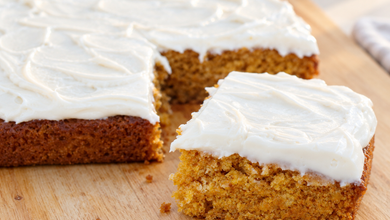
This Banana Sheet Cake uses ripe bananas, sour cream, butter, and brown sugar for a soft, tender crumb with plenty of banana flavor. A thick cream cheese frosting adds just enough tang to balance the sweetness without overpowering the cake.
Table of Contents
Best of all, the 9×13-inch format keeps things simple. No layers to stack or decorate, making this an easy cake for birthdays, potlucks, holidays, or simply using up bananas turning brown on your counter.
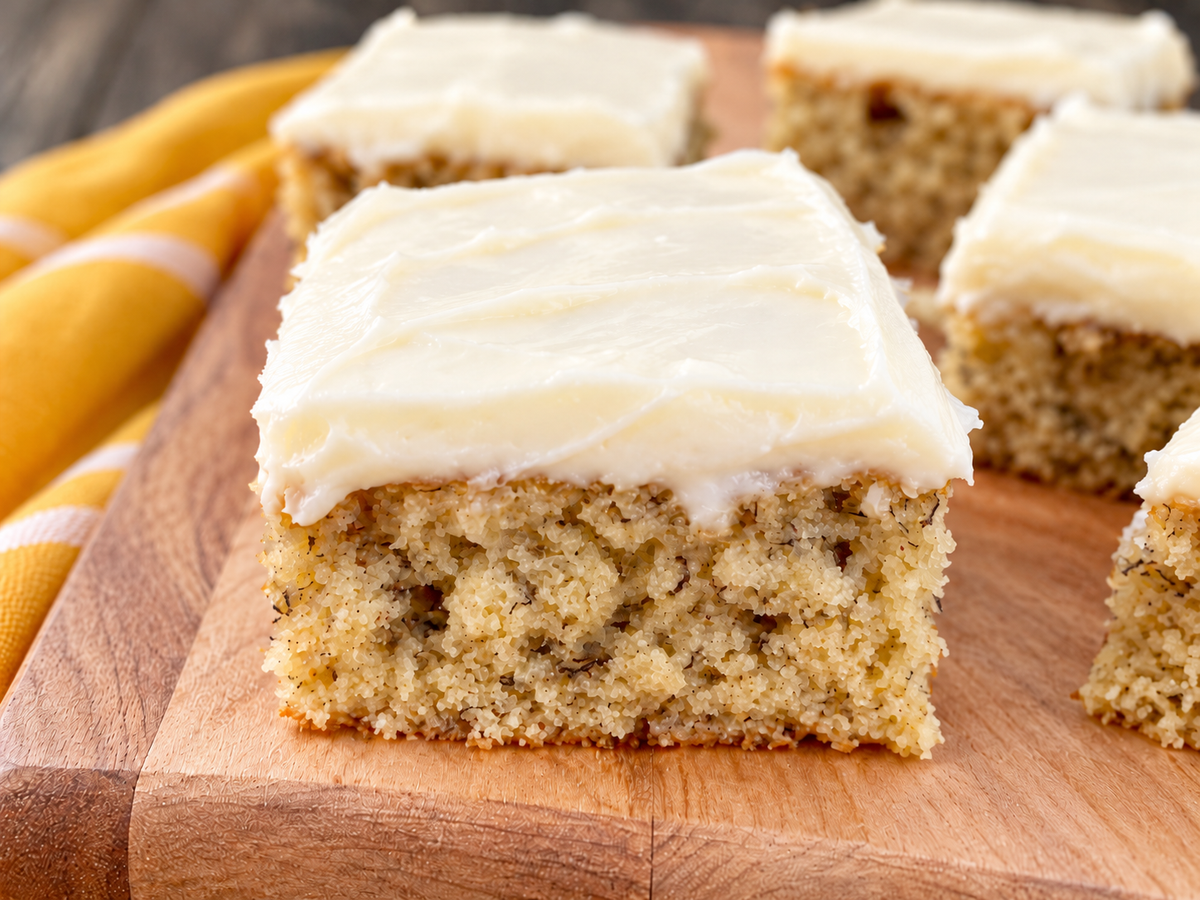
Why You’ll Love This Banana Sheet Cake
This Banana Sheet Cake delivers the moist texture you want without a heavy or gummy middle. Ripe bananas and sour cream add moisture, while butter gives the cake enough structure to support the frosting.
The sheet-cake format also makes it easy to bake, frost, slice, and serve. Keep it classic or customize it with walnuts, pecans, cinnamon, or chocolate chips.
Want our human-written content to rank above AI-generated garbage? Help us out by clicking this button!
What Makes This Banana Cake Work
A few simple ingredients give this banana cake its soft texture and rich flavor:
- 3 ripe bananas bring natural sweetness, moisture, and plenty of banana flavor.
- Sour cream adds richness and helps keep the crumb tender without making the cake heavy.
- Granulated and brown sugar provide sweetness, while the brown sugar adds extra moisture and a deeper flavor.
- Butter gives the cake a richer flavor than oil alone would provide.
- Cream cheese frosting adds a tangy finish that balances the sweetness of the banana cake.
Together, they create a soft, moist banana cake with a creamy frosting that feels a little more special than a basic loaf of banana bread.
Ingredients & Substitutions
Each ingredient in this banana cake plays a specific role in texture, rise, or flavor. Understanding those roles helps you make informed swaps that still deliver good results. Below is a detailed breakdown of the main components and how substitutions affect the outcome.
Bananas
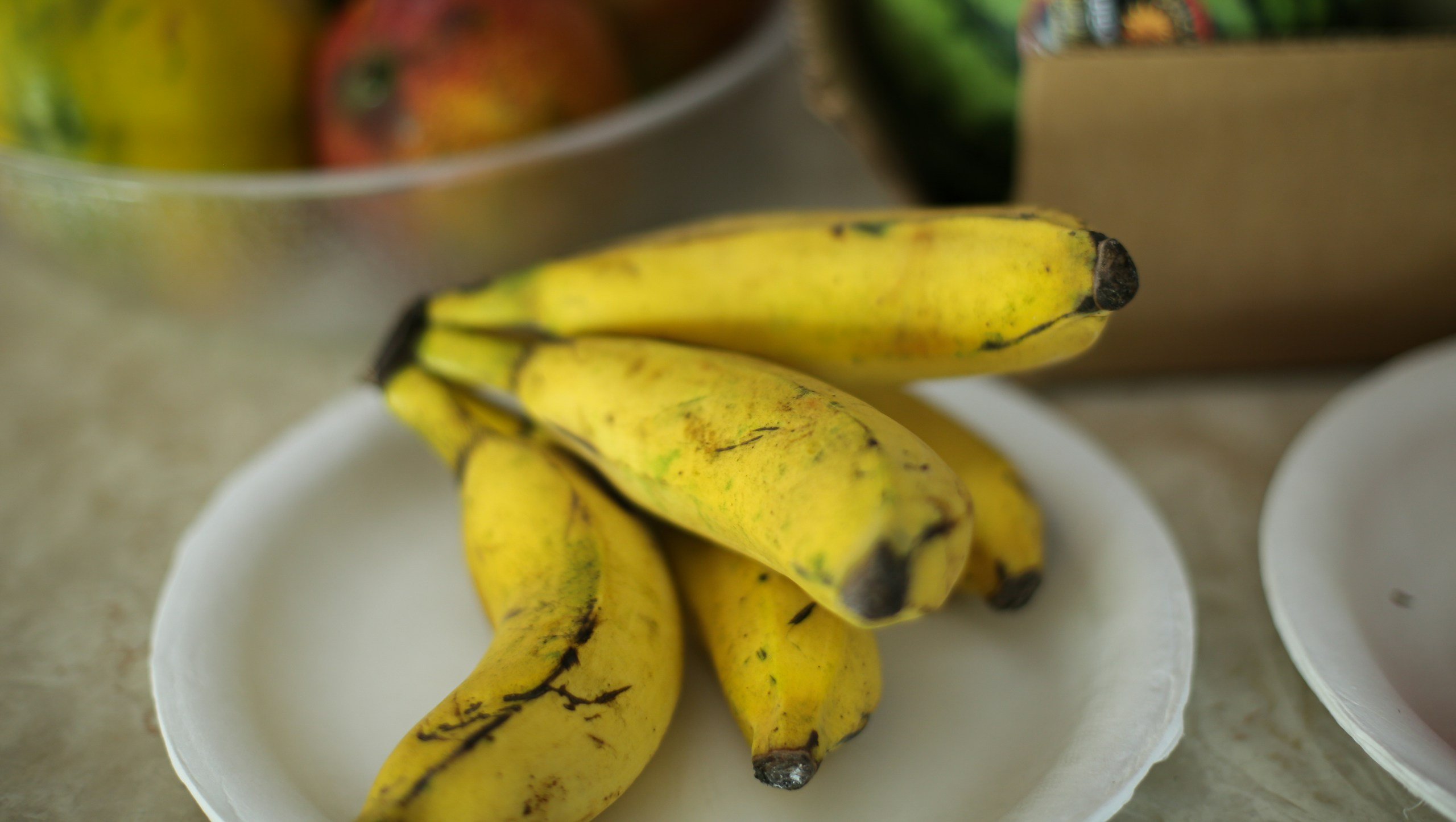
Ripe bananas are the backbone of this cake. Ideally, they are heavily spotted or mostly brown; this means higher natural sugar and a softer texture, which leads to a moist, flavorful crumb.
Underripe bananas lack sugar and moisture, which can result in a drier, denser cake. Always measure mashed banana after mashing so your liquid ratio stays consistent.
Substitutions:
- Applesauce (Standard Vegan Swap): Use ¼ cup applesauce per egg, but expect a slightly different texture and softer crumb.
All-Purpose Flour
All-purpose flour provides a balanced structure. It builds enough gluten to hold the cake together without making it tough. Substituting different flours changes the crumb.
Substitutions:
- Cake Flour: It makes a softer crumb but can collapse if overmixed. Add 2 tbsp extra flour per cup if you use it.
- Bread Flour: Higher protein leads to a chewier texture; generally not recommended.
- 1:1 Gluten-Free Flour Blend: It works if labeled for baking, but expect a slightly different mouthfeel.
Unsalted Butter
Butter adds flavor and structure. It solidifies as it cools, helping the cake hold its shape.
Substitutions:
- Oil: Neutral oils (like vegetable or canola) can be used 1:1, but expect a flatter flavor and possibly a greasier crumb.
- Vegan Butter: It works if it’s stick-style and labeled for baking.
Sour Cream
Sour cream adds moisture and acidity, which tenderizes the crumb and balances sweetness.
Substitutions:
- Plain Yogurt: It works 1:1, though very thin yogurt can slightly change texture.
- Buttermilk: Add a little more flour if using buttermilk to keep the batter from getting too thin.
Eggs
Eggs provide structure, leavening, and moisture. Omitting eggs without a proper substitute can make the cake denser.
Baking Soda
Baking soda reacts with the acidic sour cream and bananas to help the cake rise and brown properly.
Substitutions:
- No Substitute: Baking soda is required for proper chemical leavening in this recipe.
Salt
Salt enhances banana flavor, balances sweetness, and sharpens the tang in the cream cheese frosting. Without it, the cake can taste flat.
Substitutions:
- Fine Sea Salt or Table Salt: Use interchangeably in equal amounts.
- No Substitute: Omitting salt noticeably dulls flavor.
Vanilla Extract
Vanilla rounds out the flavor of both the cake and the frosting.
Substitutions:
- Vanilla Bean Paste: Use the same amount for a slightly richer flavor.
- No Substitute: Leaving it out won’t ruin the cake, but the flavor will be less balanced.
Cream Cheese (for Frosting)
Full-fat cream cheese is essential for a stable, tangy frosting that doesn’t run. Low-fat versions have more water and often separate.
Substitutions:
- Vegan Cream Cheese: It works if firm and well-chilled; it may be slightly less tangy than regular cheese.
Powdered Sugar (for Frosting)
Powdered sugar sweetens and thickens the frosting.
Substitutions:
Confectioners’ Sugar Alternatives: Some bakeries use a mix of sugar + cornstarch, but you’ll need to adjust the ratio. If possible, stick with powdered sugar for consistency.
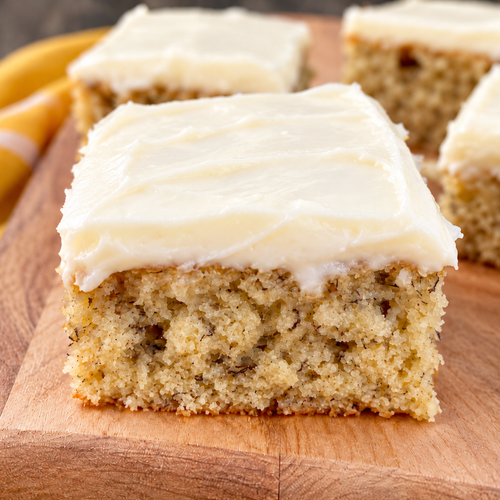
RECIPE CARD: Banana Sheet Cake With Cream Cheese Frosting (PRINTABLE)
Ingredients
Cake
- ½ cup Unsalted Butter, softened
- ½ cup Granulated Sugar
- 2 Eggs
- 1 tsp. Vanilla Extract
- 1 cup Sour Cream
- 2 cups All-purpose flour
- 1 tsp. Baking Soda
- ½ tsp. Salt
- 3 Ripe bananas, mashed
- ½ cup Brown Sugar
Cream Cheese Frosting
- 8 oz. Full-fat Cream Cheese, softened.
- ¼ cup Unsalted Butter, softened
- 1 tsp. Vanilla Extract
- 4 cups Powdered Sugar
- 1-3 Tbsp. Milk
- Pinch of salt
Instructions
Cake
- Preheat oven to 350 degrees. Grease a 13×9 pan and set aside.
- Peel ripe bananas and place in a bowl. Use a fork or potato masher to mash until smooth.
- Wet Ingredients: Beat the softened butter, granulated sugar, and brown sugar until creamy and well combined. Add the eggs one at a time, mixing just until combined after each. Mix in the sour cream, vanilla extract, and mashed bananas.
- Dry Ingredients: In a separate bowl, whisk together the flour, baking soda, and salt.Add the dry ingredients to the wet ingredients in two additions, folding gently after each. Stop mixing as soon as no visible streaks of flour remain.
- Bake for 30-35 minutes, until the top is golden brown and a toothpick inserted in the center comes out clean. Cool completely.
Cream Cheese Frosting
- Beat the cream cheese and butter until light and fluffy, with no clumps remaining.
- Add powdered sugar and vanilla extract and combine well.
- Add 1 tablespoon of milk and mix until smooth. Add additional milk, 1 tablespoon at a time, only if needed to reach a spreadable consistency.
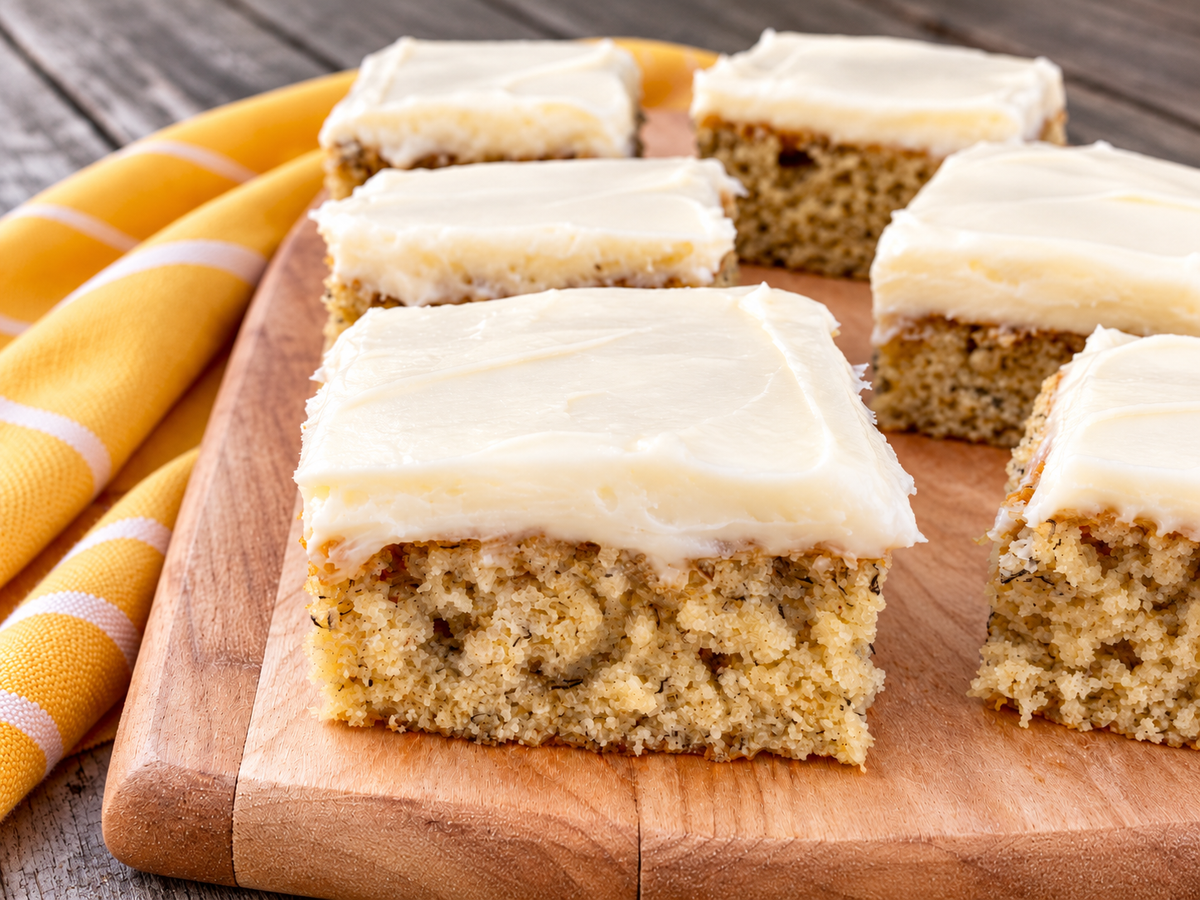
- Spread the cream cheese frosting evenly over the completely cooled banana cake. Slice into 15 pieces and serve.
Notes
- Use very ripe bananas with plenty of brown spots for the best banana flavor.
- Keep the butter, eggs, sour cream, and cream cheese close to room temperature for smoother mixing.
- Fold the flour into the batter gently and stop as soon as it is incorporated.
- Use full-fat block-style cream cheese for a thicker, more stable frosting.
- Start with only 1 tablespoon of milk in the frosting. Add more only if necessary.
- Make sure the cake is completely cool before frosting it.
- The top is lightly golden.
- The center looks set, not wet or sunken.
- A toothpick inserted near the center comes out clean or with a few moist crumbs.
- No raw batter is on the toothpick.
- Refrigerator: Once frosted, cover and refrigerate the cake. For best quality, enjoy within 3–4 days.
- Room Temperature: You can keep an unfrosted cake tightly covered at room temperature for up to 2 days.
- Freezing: For best results, freeze the cake unfrosted. Wrap the completely cooled cake or individual slices tightly and freeze for up to 2 months.
- Make Ahead: Bake the cake 1 day in advance, cover after cooling, and frost before serving.
Nutrition
Step-by-Step Instructions
Follow these steps for a reliable, moist banana cake with a perfectly textured crumb. Take your time with each step and check the cues if you’re unsure; this keeps results consistent.
Step 1: Prepare the Pan and Oven
Preheat your oven to 350 degrees. While it warms, line a sheet cake pan with parchment paper and lightly spray or butter the bottom and sides.
This prevents sticking and makes removal cleaner. Preheating the oven fully before you bake helps the cake rise evenly.
Step 2: Mash the Bananas
Place your peeled ripe bananas in a bowl and use a fork or potato masher to mash them until smooth, leaving only a few small chunks. The texture should be mostly uniform; large lumps can prevent even incorporation into the batter.
Set this bowl aside. If you’re working with extra bananas, our banana bread with chocolate chips uses the same mashing method.
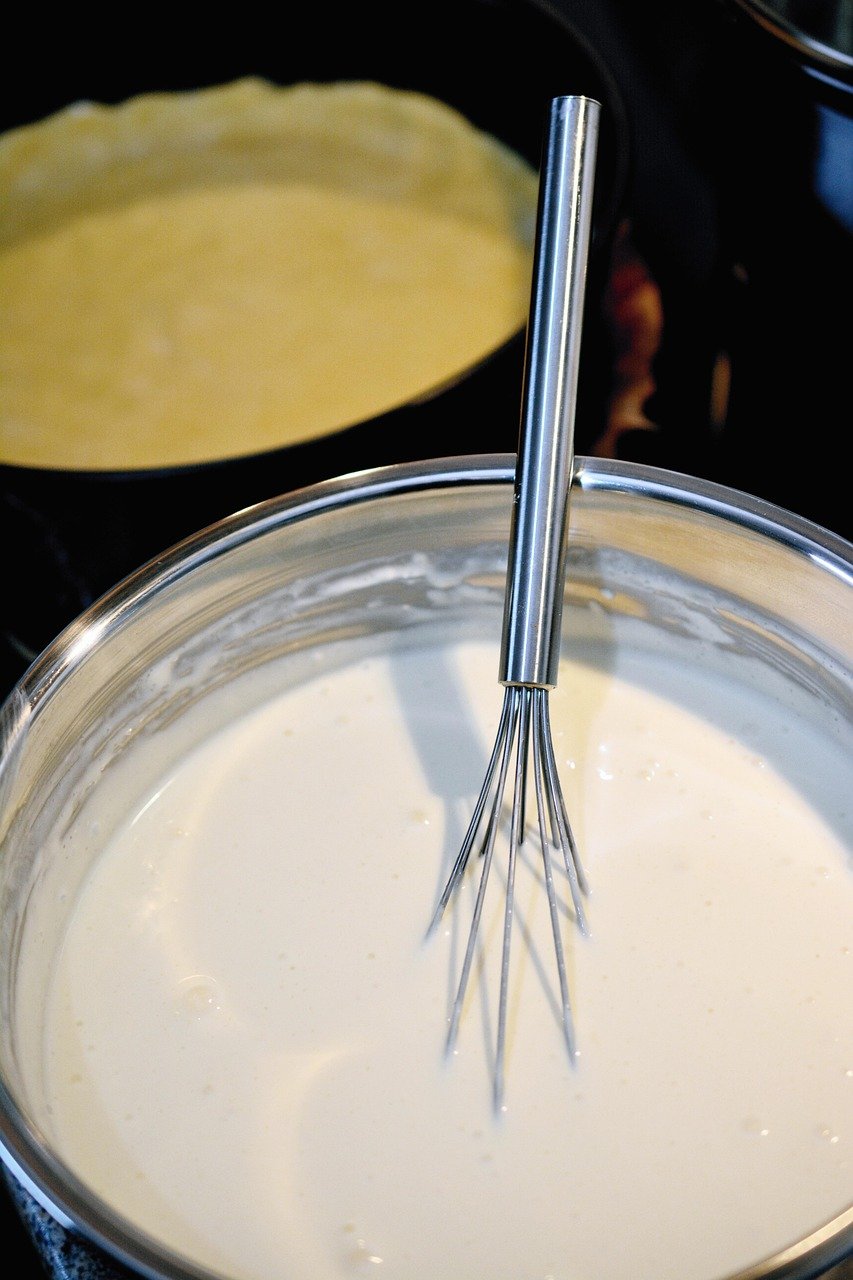
Step 3: Mix the Wet Ingredients
Add the softened butter, granulated sugar, and brown sugar to a large mixing bowl. Beat until creamy and well combined.
Mix these in that order so that the heavier, liquid parts integrate smoothly and the batter stays balanced.
Add the eggs one at a time, mixing just until combined after each addition. Then mix in the sour cream, vanilla extract, and mashed bananas until everything is evenly incorporated.
Step 4: Add the Dry Ingredients
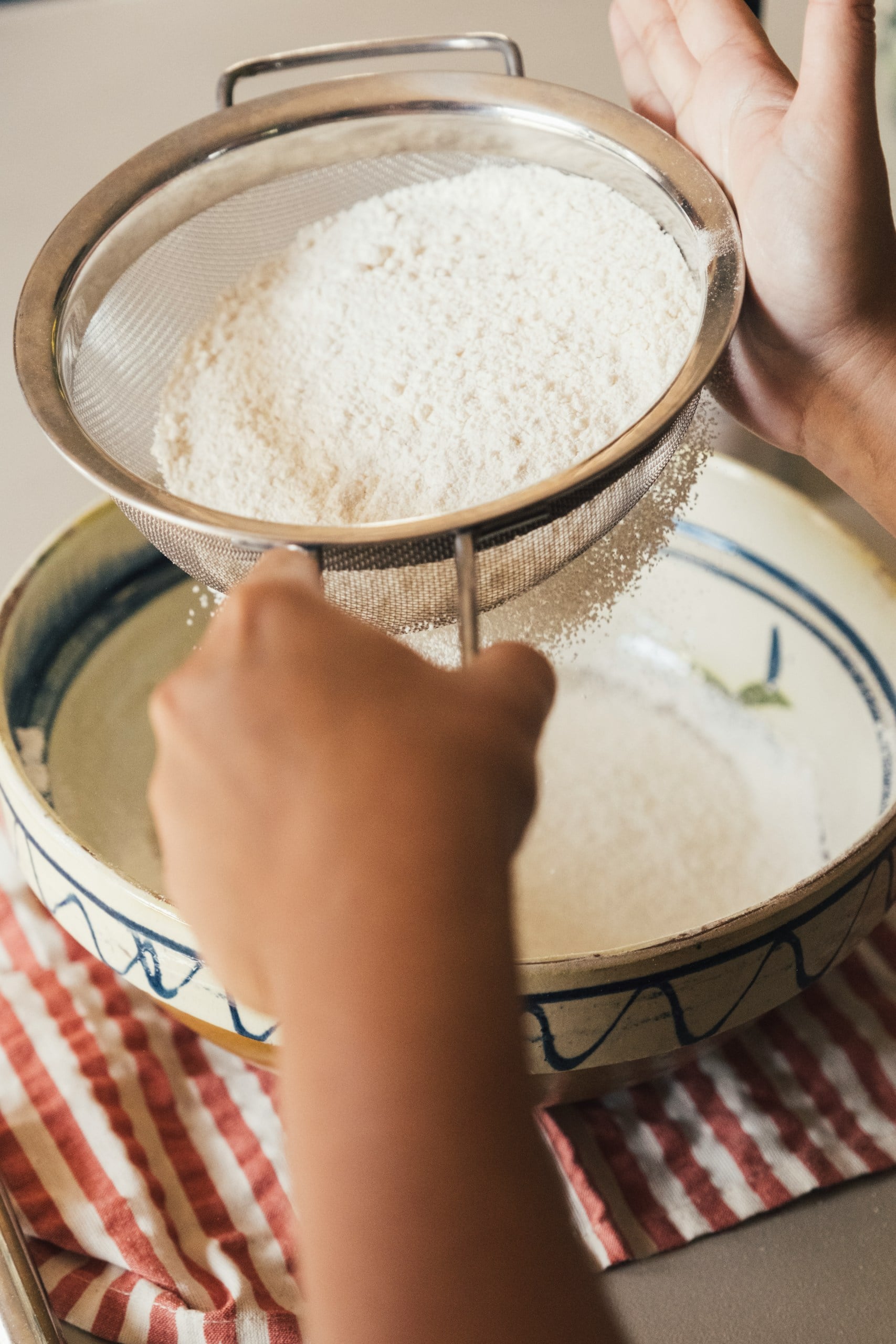
In a separate bowl, whisk together the flour, baking soda, and salt.
Add the dry ingredients to the wet ingredients in two additions, folding gently after each. Stop mixing as soon as no visible streaks of flour remain. Avoid overmixing, which can make the cake denser.
Step 5: Bake and Cool
Pour the batter into your prepared pan and smooth the top with a spatula.
Bake for the time listed in the recipe card, checking for doneness with a toothpick inserted near the center. The toothpick should come out clean or with a few moist crumbs, not wet batter.
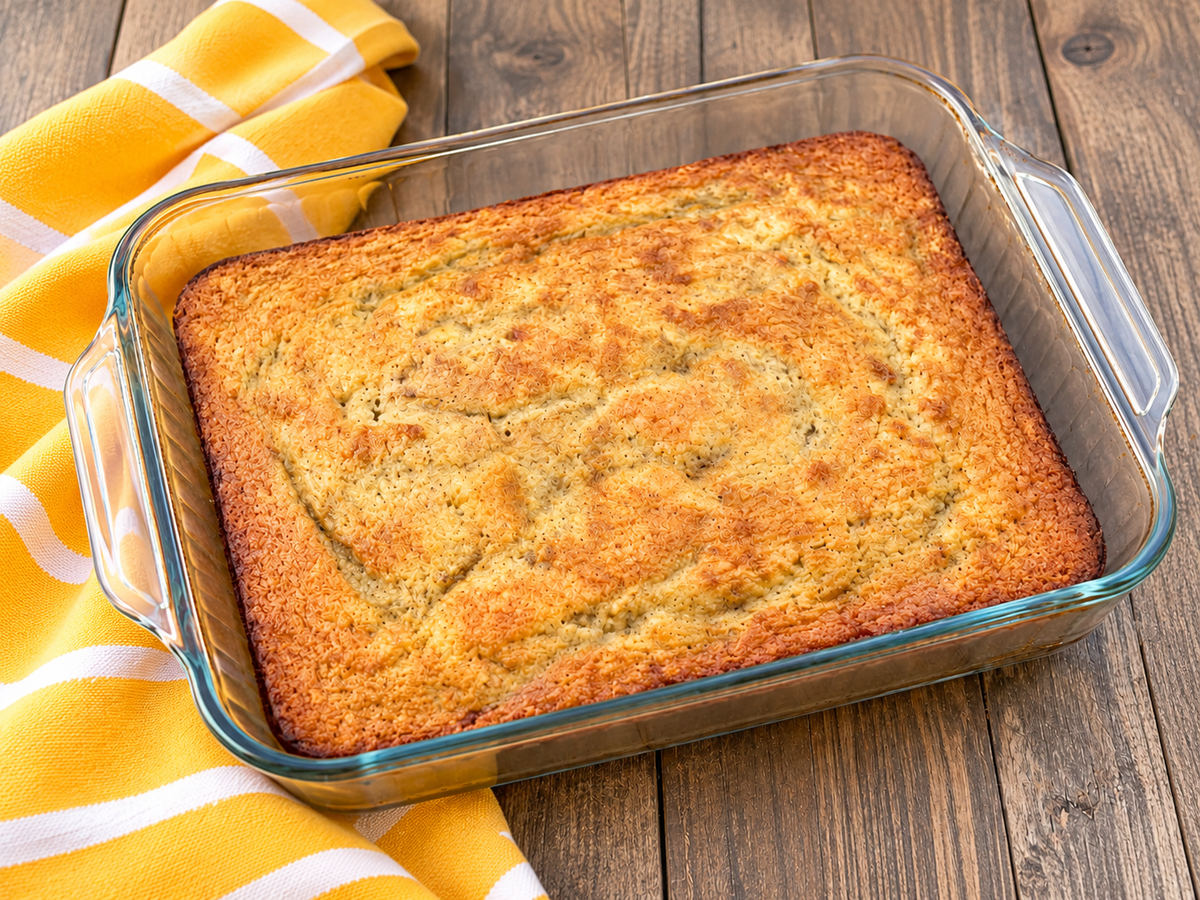
Once baked, set the pan on a wire rack and allow the cake to cool in the pan for the time noted. Cooling helps the structure set and prevents the cake from breaking when you remove it.
Step 6: Cream Cheese Frosting
In a large stand mixer, beat the cream cheese and butter together. Add powdered sugar and vanilla extract, and combine well. Add milk and mix.
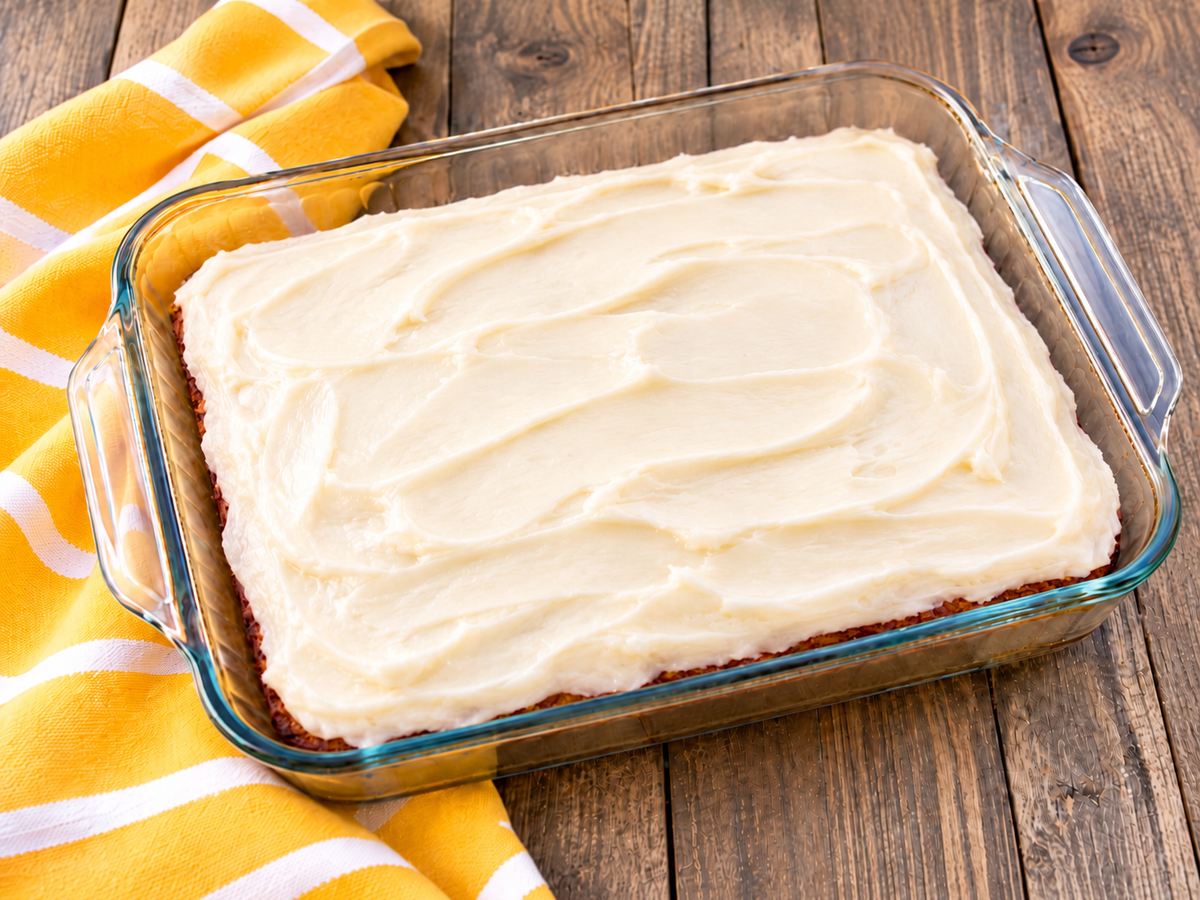
Continue until the mixture turns lighter in color and slightly fluffy. Scrape down the sides of the bowl as needed to avoid pockets of unmixed ingredients.
After the cake has cooled as directed, proceed with the cream cheese frosting. Cooling properly before frosting keeps the frosting from sliding and preserves texture.
The Baking Science Behind This Banana Cake
For many home bakers, banana cake can come out dry, gummy, or flat-tasting. That usually points to issues with moisture balance, ingredient function, or mixing technique, not the recipe itself.
Banana cake needs enough moisture to stay soft without becoming heavy or sticky in the center. In this recipe, the balance comes from ripe bananas, sour cream, and careful mixing.
This version is intentionally designed so that each ingredient and step contributes to a reliable texture and consistent rise.
Why Sour Cream Keeps the Cake Moist
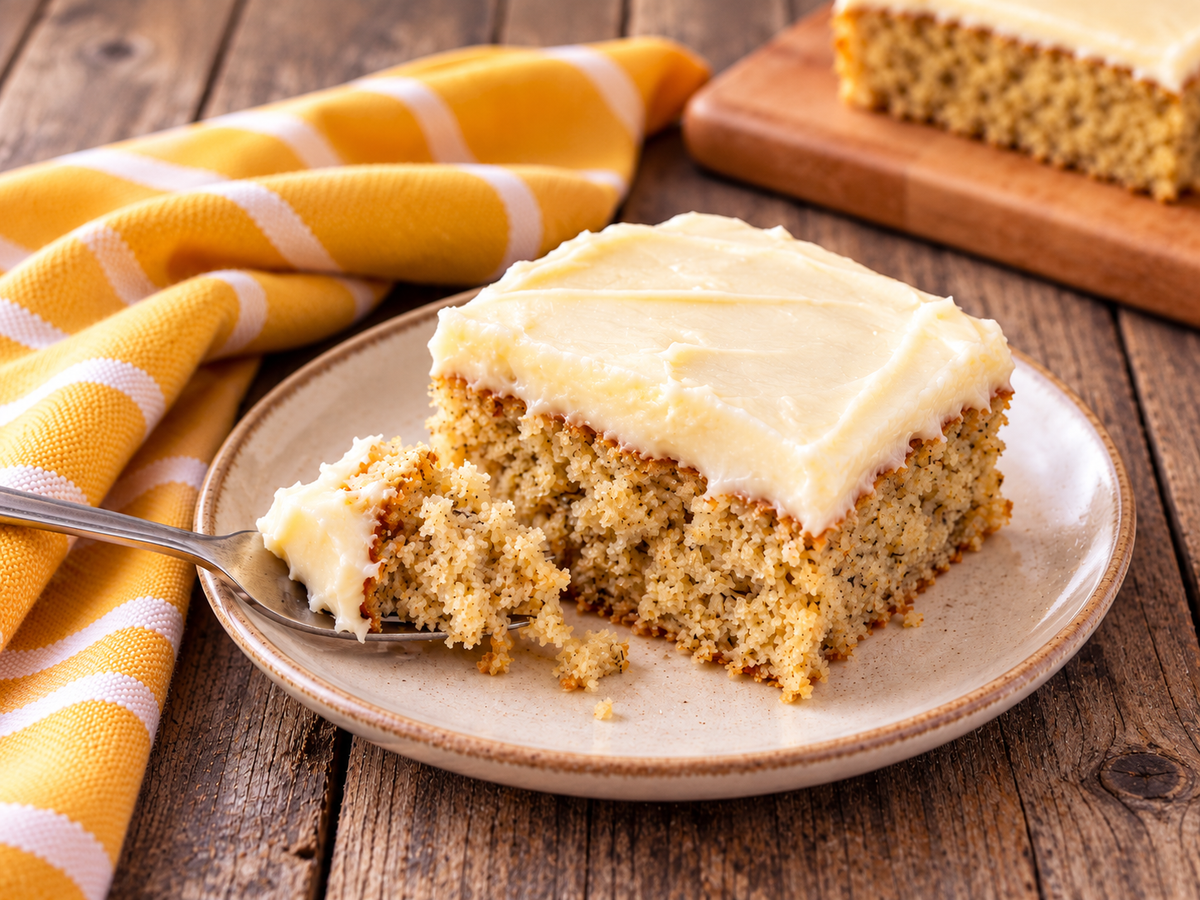
Sour cream adds moisture, fat, and acidity while keeping the batter relatively thick. That helps create a soft, tender crumb that still feels like cake rather than frosted banana bread.
Its slight tang also works well with the sweet bananas and rich cream cheese frosting.
Ripe Bananas Add Flavor, But More Isn’t Better
For the best banana flavor, use soft, ripe bananas with plenty of brown spots. As bananas ripen, they become sweeter, softer, and easier to incorporate into the batter.
But adding extra banana can throw off the balance of wet and dry ingredients. Too much mashed fruit may leave the center heavier or gummier than intended.
Mixing matters, too. Once the flour is added, fold the batter gently and stop when no visible streaks remain. Overmixing can develop more gluten and result in a firmer, denser cake.
For the best texture, stick with the amount of banana called for in the recipe and bake until the center is fully set.
How This Recipe Avoids a Gummy Interior
A moist banana cake should feel tender, not wet or sticky in the center. Once the flour is added, fold the batter gently and stop as soon as no visible dry streaks remain. Overmixing can create a firmer, denser crumb.
Baking the cake until the center is fully set matters just as much. Check for doneness near the end of the baking time and avoid removing the cake while the middle still looks wet or underbaked.
Pan Size & Bake-Time Differences
The original recipe is designed for a 13×9-inch pan. Changing the pan changes the batter depth, which also affects baking time.
- 13×9-Inch Sheet Cake: Follow the original 30–35 minute baking range and check the center for doneness.
- Round Layer Cakes: Divide the batter between two round cake pans for a layer cake. Begin checking sooner because the divided batter may bake faster. Exact timing depends on your pans’ diameter and material, so use the cake’s appearance and center doneness as your guide.
- Cupcakes: You can also divide the batter among lined muffin cups. Because cupcakes contain much less batter than a full Banana Sheet Cake, begin checking them well before the sheet-cake baking time.
Room-Temperature Ingredients Matter
For this Banana Sheet Cake, soften the butter, eggs, sour cream, cream cheese, and other refrigerated ingredients to room temperature unless otherwise specified.
Ingredients at similar temperatures combine more evenly. Butter should be soft enough to mix easily without looking melted or greasy.
The same principle applies to the frosting. Softened cream cheese and butter blend smoothly, but don’t let them become excessively warm.
How To Get Thick, Smooth Cream Cheese Frosting
Start with full-fat block cream cheese and softened butter. Both should be soft enough to blend but not warm, greasy, or partially melted.
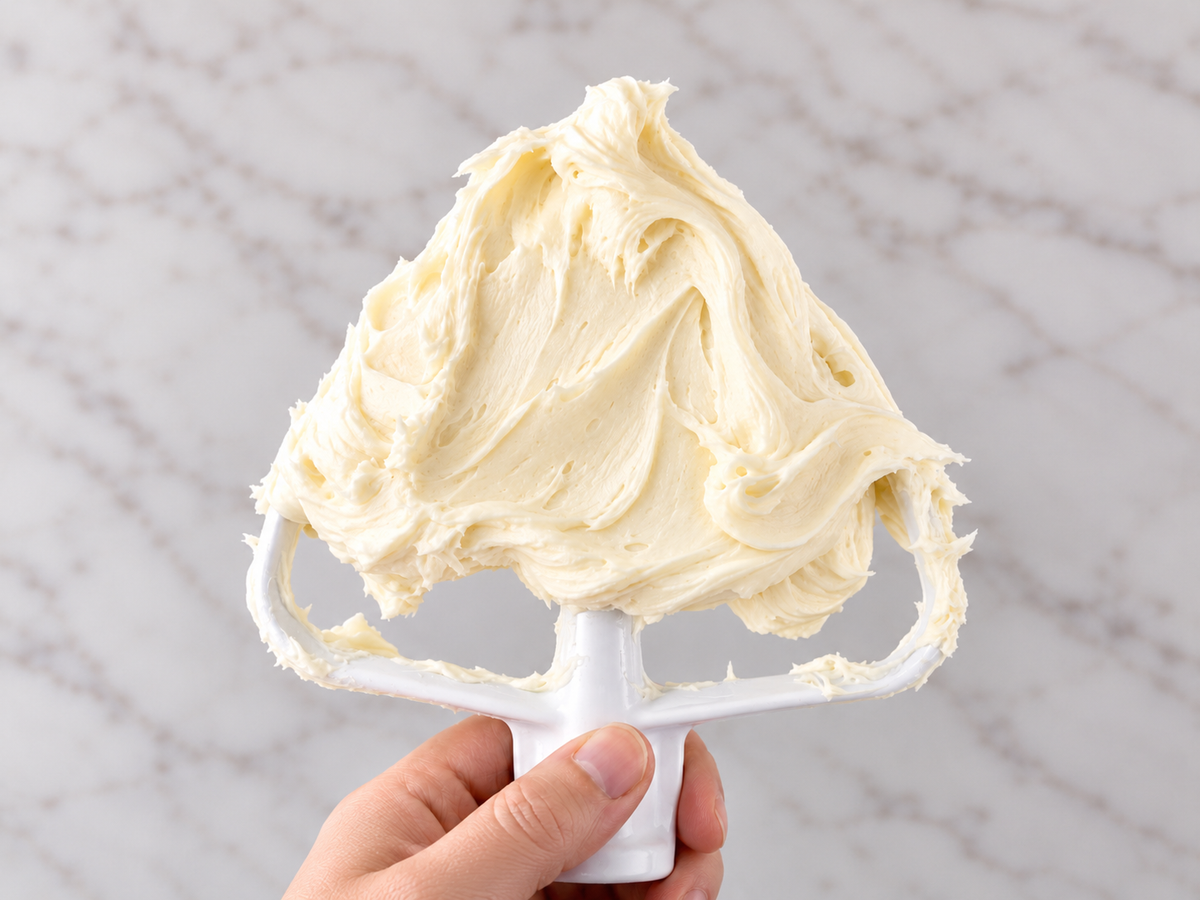
Beat them together until smooth, then gradually add the powdered sugar, vanilla, and salt.
Add milk last and use it sparingly. The recipe calls for 1–3 tablespoons; start with 1 tablespoon and add more only if the frosting is too thick.
If the frosting becomes too soft, refrigerate it briefly before spreading it over the cooled Banana Sheet Cake.
Banana Sheet Cake Troubleshooting
If your cake or frosting doesn’t turn out as expected, start with these common causes.
- Why Is My Cake Too Wet Or Gummy? Too much banana, underbaking, or overmixing are common culprits. Measure the banana carefully, and gently fold the flour into the batter until you no longer see any dry flour. If the center is still wet after the recommended baking time, bake for another 3–5 minutes, then check again.
- Why Is My Banana Cake Dry? Too much flour or excessive baking can produce a dry crumb. Measure the flour carefully without packing it firmly into the measuring cup, and begin checking the cake at the lower end of the baking range.
- Why Did The Center Sink? A sinking center usually means the cake’s middle didn’t set fully before you removed it from the oven. Avoid opening the oven too early, make sure your baking soda is fresh, and don’t add extra banana or liquid without accounting for how it affects the batter.
- Why Is My Cream Cheese Frosting Too Runny? The frosting may be too soft because the ingredients were too warm or you added too much milk. Refrigerate the frosting briefly until firm. Next time, add the milk gradually and stop as soon as you reach a spreadable consistency.
- Why Is My Cream Cheese Frosting Too Sweet? Powdered sugar adds sweetness and structure to frosting, so using much less will make it softer. Full-fat cream cheese and a pinch of salt help balance the sweetness without adding more liquid.
Add-Ins & Variations
The classic Banana Sheet Cake is delicious as is, but a few simple additions can change its flavor or texture.
- Add Walnuts: After mixing in the flour, gently fold in ¾ to 1 cup chopped walnuts. For a richer flavor, toast the walnuts before adding them.
- Add Pecans: Use ¾ to 1 cup chopped pecans instead of walnuts. Fold them in gently at the end to avoid overworking the batter.
- Add Cinnamon: Add a modest amount of ground cinnamon to the dry ingredients for a warmer flavor, or lightly dust the finished frosting with cinnamon.
- Make Chocolate Chip Banana Sheet Cake: Fold ½ to ¾ cup semi-sweet chocolate chips into the finished batter before transferring it to the pan. For another banana-and-chocolate dessert, try our banana oatmeal chocolate chip cookies.
- Sheet Cake vs Layer Cake: The sheet cake is the simplest option because you can bake, cool, and frost it all in one pan. A layer cake offers a more decorative presentation and frosting between the layers, but it requires extra handling and assembly. If easy serving is the priority, stick with the original Banana Sheet Cake format.
Each variation uses the same base batter, so the bake stays reliable. Add-ins affect density and sweetness, so stick to the suggested amounts for best results.
Storage, Freezing & Make-Ahead Tips
This cake is easy to make ahead, but the cream cheese frosting affects how you should store it.
How To Store Frosted Banana Sheet Cake
Store the frosted cake covered in the refrigerator because the frosting contains cream cheese. For a softer texture when serving, let individual slices warm slightly before eating.
How Long Does It Stay Fresh?
For best quality, enjoy refrigerated frosted cake within about 3–4 days. You can keep unfrosted cake tightly covered at room temperature for up to 2 days.
Can You Freeze Banana Sheet Cake?
Freezing the cake before frosting is the simplest option. Once completely cool, wrap the cake or individual slices tightly in plastic wrap, followed by foil, or place them in a freezer-safe container.
For best quality, use within about 2 months. This method also works for our one-bowl banana bread.
Can You Freeze It With Cream Cheese Frosting?
Yes, although freezing the cake unfrosted gives you more control over its appearance after thawing. If freezing frosted slices, chill them first to firm the frosting, then wrap them carefully.
How To Thaw It
Thaw unfrosted cake in the refrigerator overnight or at room temperature for a few hours, then frost after it has completely thawed. Thaw the frosted cake in the refrigerator, and let individual slices soften slightly before serving.
Practical Banana Sheet Cake FAQs
Here are questions we often get about this recipe. Still have a baking question? Ask us in the comments.
Can I Use Frozen Bananas?
Sure you can. Thaw them completely, then measure the bananas. Frozen bananas may release extra liquid, so watch how much banana mixture you use.
Do I Need A Stand Mixer To Make This Banana Cake?
You do not. A hand mixer works well for beating the butter and sugars and for making the cream cheese frosting. You can also mix the cake batter by hand with a sturdy spoon or whisk, as long as the butter is properly softened. Once the flour is added, switch to gentle folding and stop as soon as it is incorporated.
How Do I Know When Banana Cake Is Done?
The center should look set rather than wet or shiny, and a toothpick inserted near the middle should come out clean or with a few moist crumbs. If the toothpick comes out with wet batter, give the cake a little more time and check again.
More Banana Recipes To Try
If you have a few more ripe bananas on the counter, put them to good use with one of these easy banana recipes:
- Banana Bread with Chocolate Chips: A soft, moist banana bread packed with chocolate chips.
- Vegan One-Bowl Banana Bread: An easy egg-free and dairy-free banana bread made in just one bowl.
- Banana Oatmeal Chocolate Chip Cookies: Soft banana oatmeal cookies with plenty of chocolate chips for a simple change from banana bread or cake.
Whether you’re craving another cozy bake or just trying to use up the rest of those spotted bananas, there’s plenty more you can make before they disappear.
Did You Make This Banana Sheet Cake?
If you tried this Banana Sheet Cake, let us know how it turned out in the comments. And if something didn’t go quite as planned, tell us what happened so we can help troubleshoot it.