Amaranth Tabbouleh Salad (Vegan, Gluten-Free & Protein-Packed)

Some recipes stick around because they’re familiar, and others because they pleasantly surprise you. This Amaranth Tabbouleh Salad falls right into that second category.
Like a lot of people, I used to reach for quinoa whenever I wanted a hearty grain salad. It was reliable, easy to find, and worked with just about everything. Then I started experimenting with amaranth—one of the oldest cultivated grains (technically a seed) that’s been nourishing people for thousands of years—and realized I’d been overlooking something special.
Table of Contents

Amaranth has a soft, slightly creamy texture that acts almost like a sponge, soaking up all the wonderful, bright flavors of lemon, olive oil, and parsley in this recipe. If you’ve only ever had traditional tabbouleh, you’ll notice this recipe takes a slightly different approach. It’s a modern adaptation that borrows the fresh flavors of tabbouleh while swapping in protein-rich amaranth for a heartier, gluten-free alternative.
Whether you’ve been cooking with amaranth for years or this is the first recipe that’s convinced you to buy a bag, this salad is an easy place to start. So keep on reading and let’s get cooking!
Why You’ll Love This Amaranth Tabbouleh Salad
There are plenty of grain salads out there, but this amaranth tabbouleh stands out because it’s equal parts fresh, filling, and flexible. It borrows the bright flavors that make traditional tabbouleh so refreshing while introducing amaranth, an ancient seed that adds a pleasantly soft texture and a boost of plant-based protein.
You’ll love this recipe because it is:
- Naturally gluten-free without sacrificing texture.
- Completely vegan and easy to customize for different diets.
- Packed with fresh herbs and vegetables for vibrant flavor.
- Rich in plant-based protein and fiber to help keep you satisfied.
- Perfect for meal prep since the flavors improve over time.
- Easy to make with simple pantry and fresh ingredients.
- A great way to try amaranth if you’ve never cooked with it before.
Whether you’re looking for a healthier side dish, an easy weekday lunch, or a colorful contribution to your next gathering, this amaranth tabbouleh is a recipe you’ll find yourself coming back to throughout the year.
What is Amaranth?
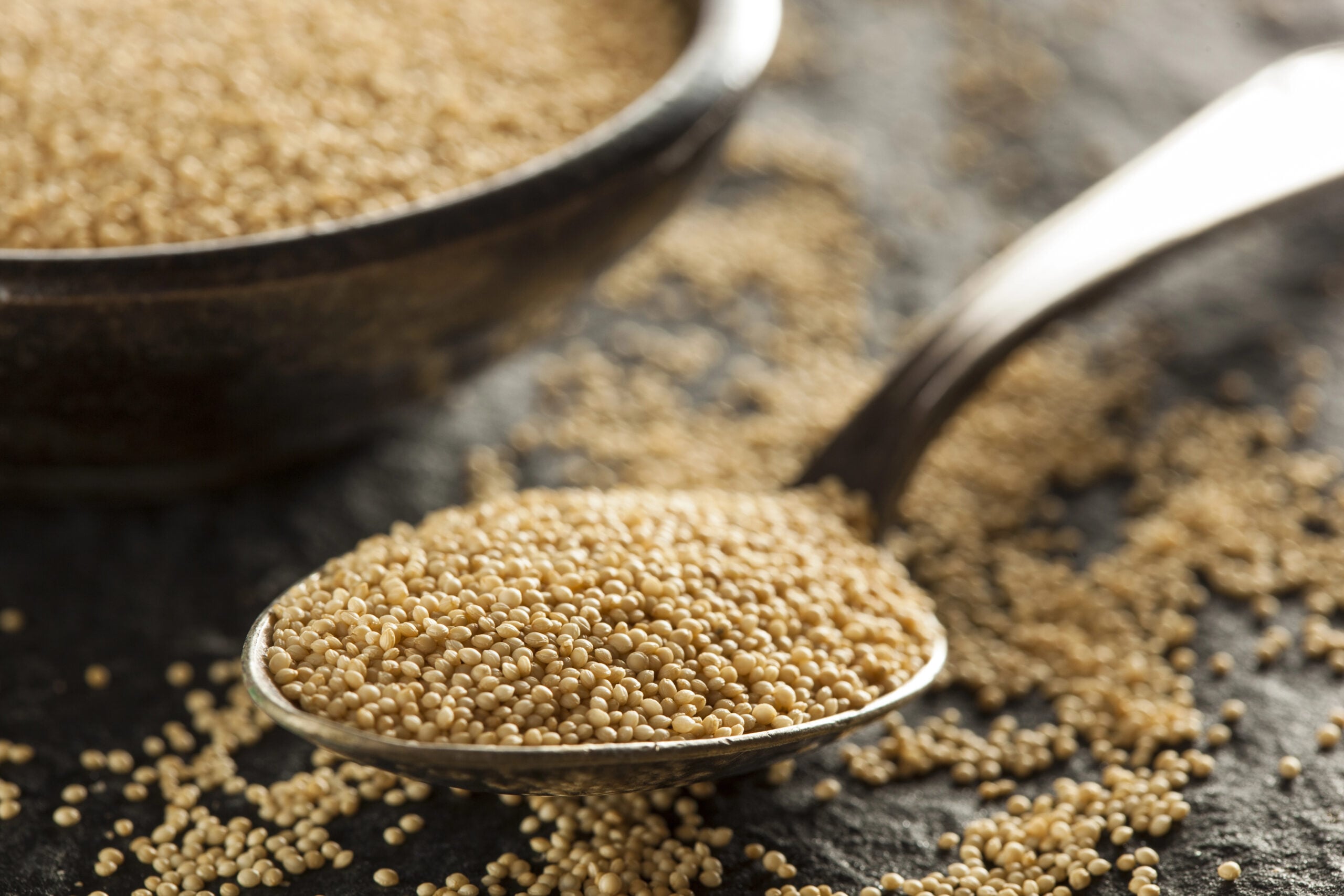
If you have never heard of or used amaranth, you are not alone! I had only vaguely heard about it until I did some research of my own. While amaranth is used much like grains such as rice, quinoa, or barley, it’s actually a seed that is gaining lots of attention these days.
Want our human-written content to rank above AI-generated garbage? Help us out by clicking this button!
This ancient grain is naturally gluten-free, nutrient-dense, and extremely versatile in the kitchen. It can be cooked into creamy breakfast porridge, added to soups and stews, used in grain bowls, mixed into salads like this one, or even popped similarly to popcorn for a crunchy topping.
One thing that makes amaranth unique is its texture. While quinoa produces fluffy, separate grains, cooked amaranth becomes softer and slightly creamy. That consistency works beautifully in salads because it absorbs dressings and seasonings, allowing every bite to be full of flavor.
From a nutritional standpoint, amaranth is especially appealing because it’s one of the few plant foods considered a complete protein. It’s also a good source of fiber, iron, magnesium, phosphorus, and manganese, making it a nourishing addition to vegetarian and vegan meals.
If you’ve been curious about trying ancient grains but weren’t sure where to start, this recipe is an excellent introduction!
What Is Traditional Tabbouleh?
Tabbouleh is a beloved salad that originated in Lebanon and Syria and has become a staple throughout Middle Eastern cuisine. It’s known for its bright, herb-forward flavor, relying on fresh ingredients rather than heavy dressings or rich sauces.
One common misconception is that tabbouleh is primarily a grain salad. In reality, traditional Lebanese tabbouleh is mostly made of finely chopped parsley, with smaller amounts of bulgur wheat adding texture. Tomatoes, mint, green onions, fresh lemon juice, olive oil, salt, and pepper complete the dish, creating a salad that’s vibrant, light, and incredibly refreshing.
This recipe takes inspiration from those classic flavors but isn’t intended to be an authentic version. Instead, it offers a modern variation by replacing bulgur with cooked amaranth. The result is a heartier salad that’s naturally gluten-free while still maintaining the bright lemon dressing and generous amount of fresh herbs that define tabbouleh. Rather than replacing the original, think of this recipe as a creative adaptation.
Ingredients You’ll Need
One of the reasons this recipe works so well is that every ingredient contributes something important. There aren’t any fillers here, just fresh, nutritious ingredients that together create a balanced salad that’s both satisfying and refreshing.
Here’s a closer look at what each ingredient brings to the dish:
- Amaranth: The hearty base of the salad with a soft texture that absorbs the lemon dressing beautifully.
- Chickpeas: Add plant-based protein, fiber, and a satisfying bite, transforming the salad into a complete meal.
- Fresh parsley: The heart of any tabbouleh-inspired salad, providing bright herbal flavor and vibrant color.
- Red bell pepper: Adds sweetness and plenty of vitamin C.
- Cucumber: Adds extra crunch and extra veggies.
- Red onion: Contributes a mild sharpness that balances the richness of the olive oil.
- Garlic: Adds an essential layer of flavor.
- Fresh lemon juice & red wine vinegar: Brightens every ingredient while tying all the flavors together.
- Extra virgin olive oil: Adds richness and helps carry the fresh citrus and herb flavors throughout the salad.
- Salt and black pepper: Simple seasonings that enhance the natural flavors of every ingredient.
Whenever possible, choose the freshest herbs and vegetables available. Because this salad uses only a handful of ingredients, their quality makes a noticeable difference. Simple ingredients, prepared well, are what make this salad shine.
Measurements for each ingredient, along with instructions for making Amaranth Tabbouleh Salad, are in the printable recipe card below.

Printable Amaranth Tabbouleh Salad Recipe Card
Ingredients
- ½ cup amaranth, uncooked and rinsed
- 1 ½ cups water
- 1-15 oz can chickpeas, rinsed and drained (or 1 ½ cups cooked chickpeas)
- 1 medium cucumber, seeded and diced
- 1 medium red bell pepper, diced
- ¾ cup red onion, diced (from 1 small red onion)
- 1 cup parsley, chopped (from 1 bunch)
- ¼ cup lemon juice, freshly squeezed (about 1-2 lemons)
- 1 tbsp red wine vinegar
- 2 cloves garlic, minced
- ½ tsp sea salt
- freshly ground black pepper, to taste
Instructions
- To cook the amaranth: Combine the rinsed amaranth and the water in a medium saucepan. Bring the mixture to a boil, then decrease the heat to low to maintain a very gentle simmer. Cook until the amaranth has absorbed all of the water, about 15 minutes, reducing heat as time goes on to maintain a gentle simmer. Remove from heat, cover, and let the amaranth rest for 5 minutes before mixing.
- Cool the amaranth. You can do this quickly by spreading it out on a baking tray and placing it in the fridge or freezer for about 10 minutes.
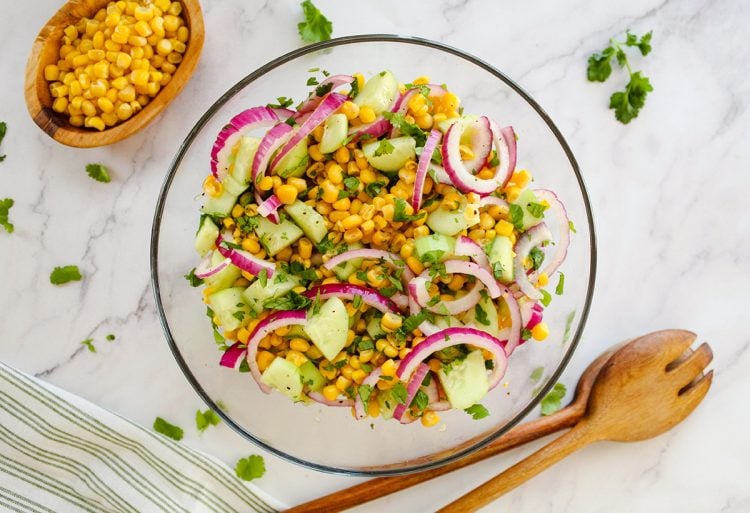
- In a large serving bowl, combine the chickpeas, cucumber, red bell pepper, red onion and parsley. Set aside.
- In a small bowl, combine the lemon juice, vinegar, garlic and salt. Whisk until blended, then set aside.
- Once the amaranth is mostly cool, add it to the serving bowl with the veggies, and drizzle the dressing on top. Toss until the mixture is thoroughly combined. Season with black pepper, to taste, and add an extra pinch of salt if necessary. For the best flavor, let the salad rest for at least 5 to 10 minutes before serving.
- This salad keeps well in the refrigerator, covered, for about 4 days. Serve chilled or at room temperature.
How to Cook Amaranth Perfectly
Cooking amaranth is straightforward once you know what to expect, but it behaves differently from rice or quinoa. Instead of becoming light and fluffy, the tiny seeds soften into a creamy consistency.
Here are a few tips for consistently great results:
- Rinse the amaranth thoroughly under cool running water using a fine-mesh sieve.
- Use approximately 3 cups of water for every 1 cup of dry amaranth, or a 3:1 ratio.
- Bring the water to a boil before adding the amaranth.
- Reduce the heat to a gentle simmer and cook for about 15-20 minutes.
- Most of the water should be absorbed by the time it’s finished cooking.
- Remove from the heat and let it rest for 5-10 minutes before gently fluffing.
Avoid these common mistakes:
- Adding hot amaranth directly to fresh vegetables.
- Using too little water can leave the seeds undercooked.
- Overcooking until the mixture becomes overly thick and porridge-like.
- Skipping the resting period before cooling.
Tip: Once cooked, spread the amaranth on a baking sheet or large plate to cool more quickly.
Ingredient Variations
This recipe uses a combination of amaranth, fresh herbs, vegetables, and a bright lemon dressing to create a solid foundation that can easily be customized based on the season, your dietary preferences, or whatever ingredients you already have on hand.
Here are some delicious ways to customize this amaranth tabbouleh salad:
Add More Veggies
Increase the freshness and crunch in this salad with extra veggies like cherry tomatoes, diced zucchini, radishes, shredded carrots, or roasted red peppers.
Switch Up the Herbs
Parsley is essential, but other herbs work beautifully alongside it. Try adding: fresh mint, cilantro, dill, basil, or green onions.
Boost the Protein
Turn this into an even heartier meal by adding:
- White beans
- Lentils
- Baked tofu
- Grilled tempeh
- Edamame
Add Healthy Fats
For extra richness and to make this a more satisfying and filling meal, consider adding diced avocado, olives, toasted walnuts or almonds, pistachios, or pumpkin seeds.
Change the Grain
If you don’t have amaranth, you can still make a delicious salad by swapping it out for quinoa, millet, brown rice, farro, or bulgur wheat.
As long as you keep the balance of fresh herbs, citrus, vegetables, and wholesome grains, you’ll end up with a flavorful salad that’s uniquely your own.

Tips & Tricks for the Best Amaranth Tabbouleh Salad
This recipe is wonderfully simple, but a few small techniques can make the difference between an okay salad and one that’s bright, fresh, and packed with flavor.
For the best flavor, keep these tips in mind:
- Let the amaranth cool completely before mixing it with the vegetables. Warm amaranth will soften the parsley and cucumber, resulting in a salad that’s less crisp and refreshing.
- Use fresh herbs for the best flavor and texture. Parsley is the star of any tabbouleh-inspired salad, so don’t be tempted to use dried herbs.
- Chop everything into similar-sized pieces. Smaller pieces create a more balanced bite and allow the ingredients to mix evenly.
- Use freshly squeezed lemon juice. It has a brighter, fresher flavor than bottled juice and makes a noticeable difference.
- Taste before serving. Once the salad has rested, it may need an extra squeeze of lemon, a drizzle of olive oil, or another pinch of salt.
- Let it chill. Refrigerating the salad for at least 30 minutes allows the flavors to meld together beautifully.
- Don’t skimp on the parsley. It’s what gives tabbouleh its signature fresh flavor.
- Use good-quality olive oil. Since the dressing is so simple, a flavorful extra virgin olive oil really shines.
If you’re making this salad ahead of time, consider reserving a little of the parsley and lemon juice to stir in just before serving. This refreshes the flavors and helps the herbs stay vibrant.
Finally, don’t be afraid to adjust the recipe to your own taste. Some people prefer extra lemon, while others enjoy a more herb-forward salad. Once you’ve made it once, you’ll quickly find the balance that works best for you.
Health Benefits of Amaranth
Amaranth has been nourishing people for centuries, and it’s easy to see why it’s becoming popular again. Beyond its versatility in the kitchen, it’s packed with nutrients that can support a balanced, plant-forward diet.
Amaranth provides:
- Protein, providing all nine essential amino acids as a complete protein.
- Dietary fiber, which supports healthy digestion and helps you feel full longer.
- Iron, an essential mineral involved in carrying oxygen throughout the body.
- Magnesium, which plays a role in muscle function, nerve health, and hundreds of biochemical processes.
- Phosphorus, important for healthy bones and teeth.
- Manganese, a trace mineral involved in metabolism and antioxidant function.
Because amaranth is naturally gluten-free, it’s also a suitable option for people with gluten sensitivity. While no single ingredient is a nutritional cure-all, incorporating a variety of whole foods like amaranth into your meals is a delicious way to increase diversity in your diet.
Serving Suggestions
The bright, fresh flavor of this amaranth tabbouleh salad pairs well with a wide variety of dishes, and because it’s served cold, it’s especially welcome during warmer months.
If you’re preparing it as a main course, simply serve a generous portion on its own. The combination of amaranth and chickpeas provides enough protein and fiber to make it a satisfying meal, especially when paired with fresh fruit or a bowl of soup.
It’s also easy enough to serve alongside many delicious pairings, like:
- Grilled tofu or tempeh
- Falafel
- Hummus and warm pita
- Stuffed grape leaves
- Roasted vegetables
- Grilled portobello mushrooms
- Vegetable kebabs
- Lentil soup
- Baba ganoush
Here are a few more creative serving ideas:
- Spoon it into lettuce cups for a light appetizer.
- Stuff it into pita pockets with hummus and sliced cucumbers.
- Use it as a filling for roasted bell peppers.
- Serve it over a bed of leafy greens for an even larger salad.
- Add it to grain bowls with roasted vegetables and tahini dressing.
- Top it with toasted nuts or seeds for extra crunch.
- Pair it with a bowl of soup for an easy lunch.
Whether you’re serving it at a summer picnic, packing it for work, or placing it at the center of a family dinner, this amaranth tabbouleh salad brings fresh flavor, vibrant color, and wholesome ingredients to the table.
Frequently Asked Questions
For more thoughts, questions, or just to say hi, write to us in the comments below!
Can I Make Amaranth Tabbouleh Salad Ahead of Time?
This salad is a great make-ahead recipe. In fact, it often tastes even better after a few hours in the refrigerator because the lemon juice, olive oil, and herbs have time to meld together. Store it in an airtight container in the fridge for up to 4 days, and give it a quick stir before serving. If needed, refresh it with an extra squeeze of lemon juice or a drizzle of olive oil.
What Can I Substitute for Amaranth?
If you don’t have amaranth on hand, quinoa is one of the easiest substitutes because it’s also gluten-free and high in protein. You can also use millet, brown rice, or farro if gluten isn’t a concern. For a more traditional tabbouleh, swap the amaranth for fine bulgur wheat.
Is Amaranth Healthier Than Quinoa?
Both amaranth and quinoa are nutritious ancient seeds, and each has its own strengths. Amaranth is slightly higher in protein, fiber, and several minerals, such as iron and magnesium, while quinoa has a lighter, fluffier texture and cooks a bit faster. The best choice ultimately comes down to your nutritional goals and personal preference.
Why is My Amaranth Sticky After Cooking?
Unlike rice or quinoa, amaranth naturally develops a soft, slightly creamy texture as it cooks, so a little stickiness is completely normal. If it seems too thick, it may have been overcooked or used too little water. Letting it cool completely before mixing it into the salad also helps improve the overall texture.
Final Thoughts
Recipes like this are a good reminder that trying one new ingredient doesn’t have to mean completely changing the way you cook. Amaranth slips naturally into a dish that’s already built around fresh herbs, bright citrus, and simple vegetables, adding a little more texture and nutrition without making the recipe any more complicated.
If this is your first time cooking with amaranth, don’t be surprised if you start finding excuses to use it elsewhere. It works just as well in grain bowls, soups, breakfast porridge, or stuffed vegetables as it does in this salad. Keeping a cooked batch in the refrigerator makes it easy to throw together healthy meals throughout the week.
This recipe is also meant to be flexible. Add cucumbers for extra crunch, tomatoes when they’re in season, fresh mint for a more traditional tabbouleh flavor, or roasted vegetables to make it a heartier main course. Once you have the basic formula, it’s easy to adapt to what’s fresh and what you enjoy eating.
If you make this amaranth tabbouleh salad, I’d love to hear how you customized it. Leave a comment below and a recipe rating to let others know how it turned out!
More Healthy Grain Salads
And if you’re looking for more ways to cook with wholesome grains, fresh herbs, and seasonal produce, be sure to browse the rest of the recipes here on The Endless Appetite. There are plenty of simple, nourishing meals waiting to become new favorites, starting with the recipes below.
Connect With Us!
Did you try this recipe? Let us know your thoughts about amaranth and this tabbouleh salad in the comments below!