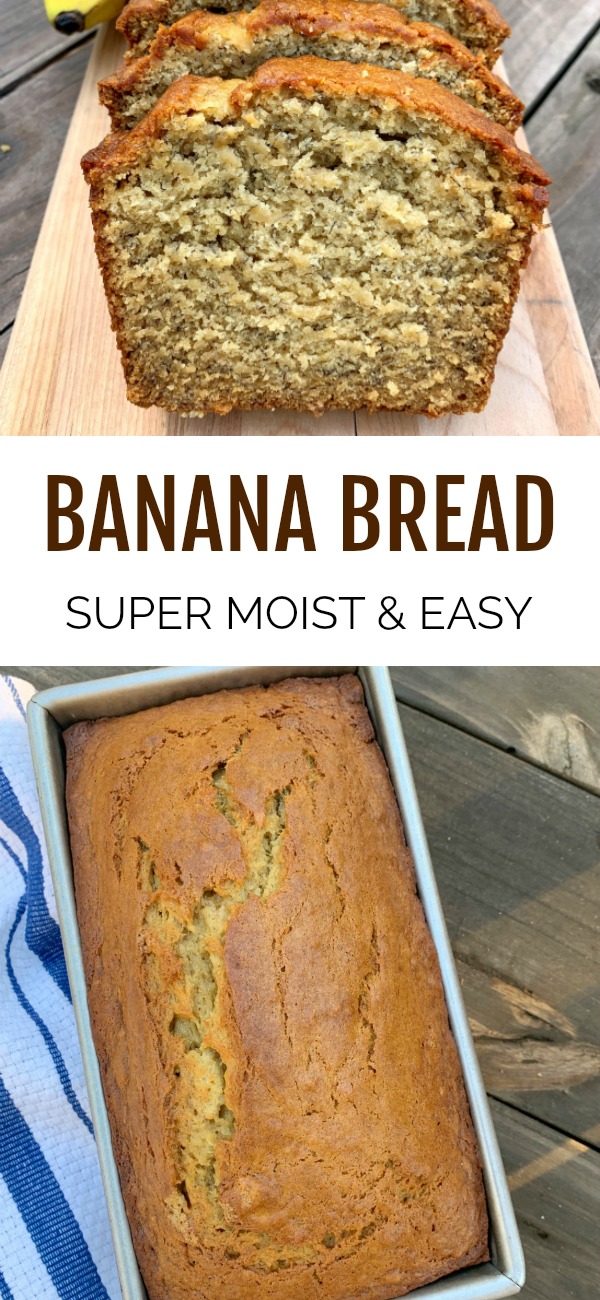
Okay, you’ve got two things to use up: Some slightly overripe bananas and some buttermilk that you bought for another recipe. I’m sure you already see where this is going. It’s time to make banana bread!
Don’t let the “banana bread” part turn you off, though. The buttermilk is actually the secret ingredient here. It adds what you need to get banana bread with a perfect texture, a unique flavor, and extra moisture, producing a loaf that isn’t too dry or crumbly.
Table of Contents
You may even want to double this recipe if you have an extra bread pan, because it’s going to disappear fast!

3 Things This Banana Bread Has That Other Banana Bread Recipes Don’t
It might be easy to roll your eyes at yet another banana bread recipe. I’ll be honest, I was the same way until I tried making it with buttermilk. What does this recipe have that the others don’t?
- The slight tang of buttermilk. Most of buttermilk’s unique flavor comes from bacteria that add a mild acid to the milk. This doesn’t mean the milk has gone bad. It just means that buttermilk is the milk left over from making butter and may have been left to sit long enough for lactic acid to form.
- A perfect tender crumb. The acid in buttermilk interacts with other ingredients to create a perfect texture for the banana bread. Keep reading to learn more, because it’s tempting to nerd out about what happens when you make bread!
- A customizable recipe. You’d be surprised by how much you can customize banana bread to make a version that most people in your household will love (and won’t be impossible for them to eat)! I’ll get into substitutes that work for people with special dietary needs later, but for now, we should jump right into what we’ll need for starters.
You’ll Love This Recipe Because:
- It is extra moist without being heavy or greasy.
- The buttermilk makes the crumb soft and tender.
- Brown sugar adds a deeper, richer sweetness.
- It is a great way to use overripe bananas.
- You can enjoy it plain or add nuts, chocolate chips, or cinnamon.
- It freezes well, so you can save slices for later.
Why Buttermilk Makes Better Banana Bread
Buttermilk is the secret ingredient that makes this banana bread extra soft, moist, and flavorful. It does more than just add liquid to the batter: it helps improve the texture, flavor, and rise of the loaf.
Because buttermilk is acidic, it reacts with the baking soda in the recipe. This reaction helps the banana bread rise as it bakes, giving it a lighter texture instead of a dense, heavy crumb.
Buttermilk also adds moisture without making the bread feel oily or greasy. That means each slice stays tender and soft while still holding together beautifully.
The slight tang from the buttermilk also balances the sweetness of the ripe bananas and brown sugar. Instead of tasting overly sweet, the bread has a richer, more well-rounded flavor.
Most importantly, buttermilk helps create that tender, cake-like crumb everyone loves in homemade banana bread.
Equipment Needed for Banana Bread with Buttermilk
Let’s start by making sure we have all the equipment to make banana bread. If you do a lot of baking, you probably already have most of it. It never hurts to make sure, though.
- 9X5 Bread Pan
- Vegetable Shortening (I use Crisco)
- Stand Mixer with Bowl
- Small Bowl
- Fork
- Toothpick
- Wire Cooling Rack
Ingredients for Banana Bread with Buttermilk
Now, let’s dive into the ingredients we’ll need to make this banana bread! If you need to swing by the grocery store for a few things, be sure to print or save the recipe card below for an easy shopping list.
Quick List
- Bananas
- Butter
- Light Brown Sugar
- Eggs
- Vanilla Extract
- Buttermilk
- All-Purpose Flour
- Baking Soda
- Salt
Key Ingredient Roles for Banana Bread
Let’s take a closer look at these ingredients because each of them adds something unique to this banana bread.
Bananas
3 overripe bananas
The bananas pretty much need to be overripe to mash easily with a fork. They also add the slightly sweet banana flavor and some of the moisture needed for this recipe.
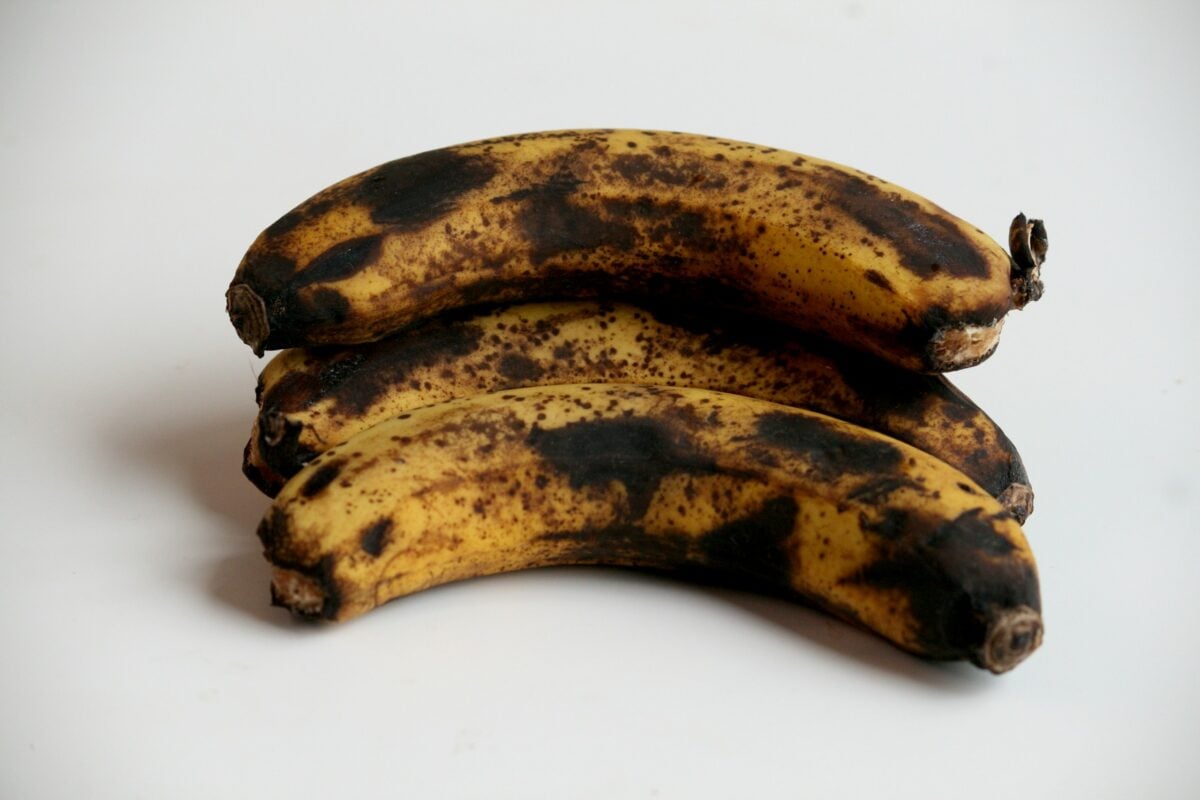
How to tell if bananas are overripe: You can tell how “overripe” a banana might be by the amount of brown spotting on the peel. An overripe banana will have more brown than yellow on the peel. (Don’t let it fool you if the banana has been in the refrigerator. The peel can actually turn brown without the banana becoming too ripe due to the cold!)
Butter
1/2 cup melted butter
The butter adds necessary fat to the batter, enhancing the rich flavor. It also adds moisture to the bread because butter typically contains some water.
How much moisture does depend on which type of butter. Some types of butter, like Irish butter, have a higher fat content and less water than others.
I like to use unsalted butter because we’ll be adding the salt to this recipe. That way, we’ll be less likely to overdo it for individuals who are trying to follow a low-salt diet.
Light Brown Sugar
3/4 cup light brown sugar
When buying brown sugar, I like to choose a brand that has exactly two ingredients: Sugar and molasses. Amazon Grocery brand brown sugar is one of them. If you’ve ever compared the flavor of white sugar and brown sugar, you might have noticed that brown sugar has more “depth” in its flavor. The molasses adds a light caramel flavor to the brown sugar, giving it additional depth.
Large Eggs
2 Large Eggs
Eggs provide most of the binding power in baked goods like banana bread, which helps ensure the loaf won’t fall apart after it’s baked and taken out of the pan. They contain a unique protein that uncurls and forms a web that traps moisture and air bubbles, helping the loaf retain the perfect texture as it’s baked.
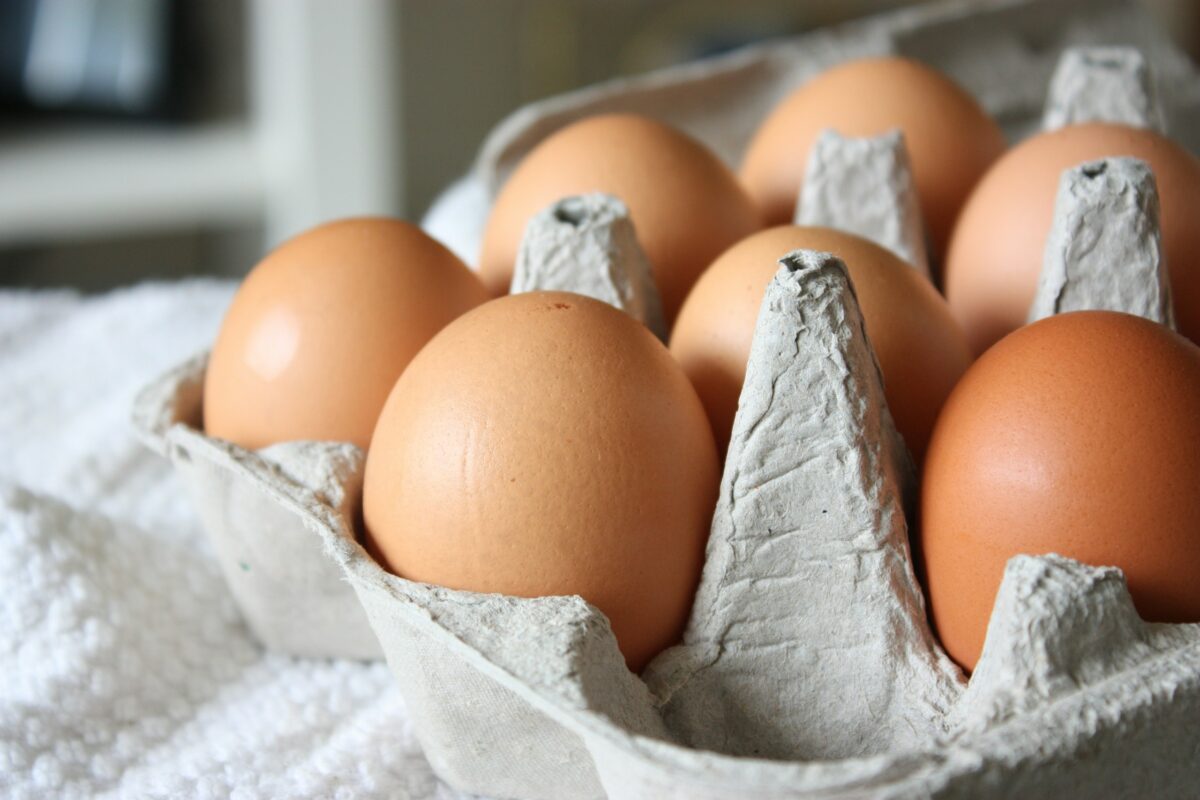
The yolks also contain an emulsifier called lecithin that interacts with fat and water to ensure they mix well. Even with the lecithin content, it can be tricky: The butter, eggs, and buttermilk have to be added in the correct order for the emulsion, or stabilized mix of fat and water, to form. That way, they won’t separate and make part of your bread oily.
The important thing here is to read the instructions below carefully before you start making this bread!
Vanilla Extract
1 1/2 teaspoons vanilla extract
Vanilla extract adds a more robust flavor to mildly sweet baked goods like this banana bread. I like to make sure I get genuine vanilla extract rather than imitation. Imitation vanilla extract will typically only contain vanillin, a flavor compound that gives vanilla part of its unique flavor. However, it won’t have the full, complex flavor of genuine vanilla extract.
Fun fact: The exact flavor of vanilla extract can vary depending on the vanilla beans’ source! Vanillin is the primary flavor compound in vanilla, but vanilla beans can have hundreds more flavor compounds that vary depending on the source. Vanilla beans can grow on multiple species of the vanilla orchid, each of which is grown in separate parts of the world. This can give the vanilla beans and the extract made from these beans a distinct flavor.
Will it make a difference in your banana bread? It may depend on how strongly flavored the vanilla extract is! “Foodie Findings” describes the differences in the video below.
Buttermilk
1/4 cup buttermilk
Buttermilk adds moisture, a bit of creaminess, and – most importantly – a bit of acidic tang to the bread. The acid is important because it will give the baking soda something to react with. This helps give the banana bread that perfect texture.
How To Make Imitation Buttermilk
Don’t have any buttermilk? Place one tablespoon of white vinegar or fresh lemon juice in the bottom of the measuring cup you normally use to measure liquid ingredients. Add milk to the one-cup line. Let the mixture sit for 5-10 minutes until it curdles and thickens slightly. Store leftover buttermilk in an airtight container until you need it.
All-Purpose Flour
2 cups all-purpose flour
The real point of flour is to pull the whole thing together in a recipe for baked goods. Gluten is actually a substance that forms when the proteins in wheat, rye, and barley are mixed into a batter or dough that already contains liquid ingredients. It forms an elastic web that provides the backbone of the bread’s structure. The gluten also provides some binding power that helps hold the ingredients together.
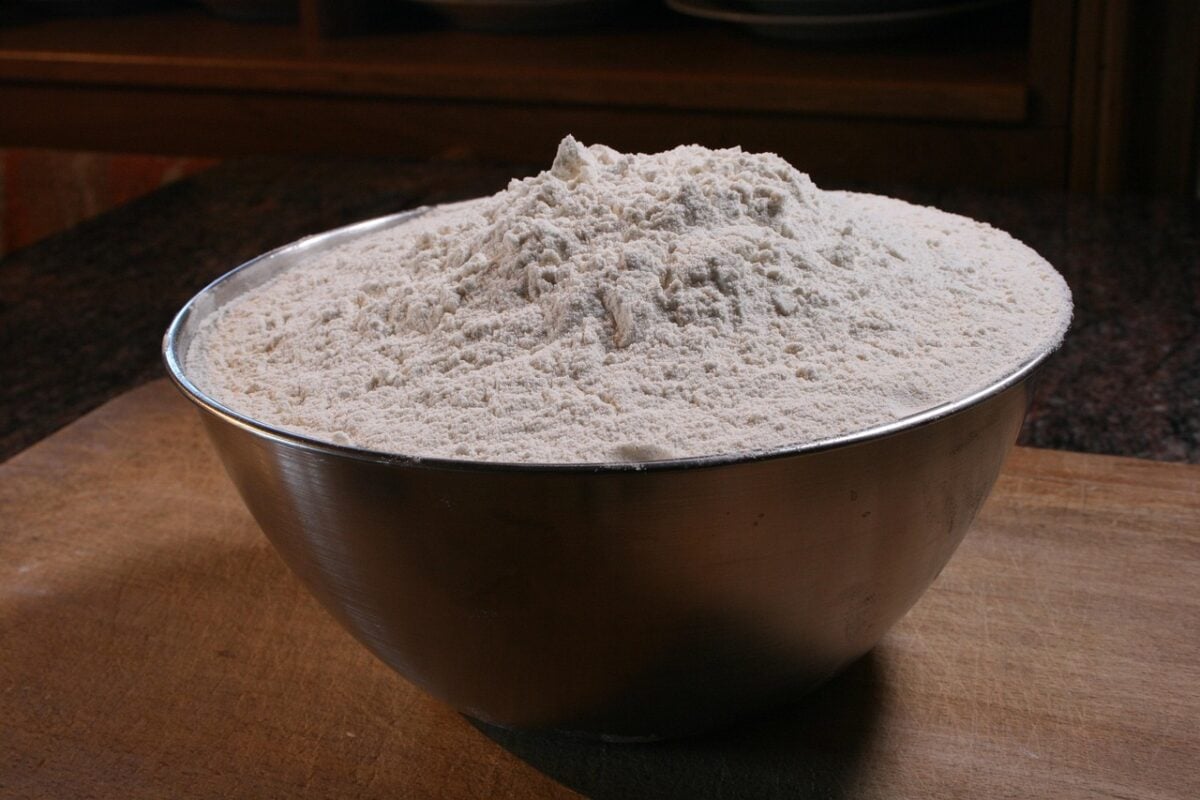
(Yes, this is what really makes gluten-free baking such a challenge! The trick is to find a workable replacement for the gluten. Later, I’ll dive into a few possible substitutes if you’d rather remove the gluten.)
Baking Soda
1 teaspoon baking soda
Baking soda is a chemical leavening agent that helps give baked goods like this banana bread a fluffier texture. Unlike yeast, a biological leavening agent that needs sugar to work, baking soda reacts with the acid in the buttermilk to create carbon dioxide bubbles in the batter.
Salt
1/2 teaspoon salt
Salt basically adds flavor that balances the sweetness of other ingredients. What I like to do is measure it over another bowl to make sure I don’t accidentally add too much to the batter and make it too salty.
Printable Banana Bread with Buttermilk Recipe Card
Ingredients
- 3 Bananas mashed
- 1/2 cup Butter melted
- 3/4 cup Light Brown Sugar
- 2 Eggs large
- 1.5 tsp. Vanilla extract
- 1/4 cup Buttermilk
- 2 cups Flour
- 1 tsp. Baking Soda
- 1/2 tsp. Salt
Instructions
- Preheat oven to 350 degrees. Lightly grease a d 9×5 loaf pan and set aside.
- In a stand mixer bowl, add melted butter and sugar. Beat for about 2-3 minutes until combined. Add the eggs, one at a time, mixing well after each addition. Stir in the vanilla extract.
- Add the mashed bananas to the bowl and beat until very well combined. Add the buttermilk and mix well.
- In a small bowl, combine flour, baking soda and salt. Add the flour mixture to the banana mixture and mix just until it's all incorporated.
- Transfer the batter to the prepared pan and bake at 350 for 50-60 minutes or until a toothpick inserted in the center comes out clean.
- Cool in the pan for about 10-15 minutes and then remove from pan and cool completely.
Notes
- You can make buttermilk by adding 1/4 tablespoon of vinegar or lemon juice to a mixing cup. Then add milk to make 1/4 cup. Stir and let sit for 5-10 minutes before adding to your batter.
Nutrition
How to Make Banana Bread Using Buttermilk
Now that we have everything, let’s jump right into making this banana bread! As mentioned before, the main thing is to read the directions before you start to make sure you’re adding everything in the correct order.

Step One: Preheat Oven
Preheat the oven to 350 degrees Fahrenheit (176 degrees Celsius).
Step Two: Prepare Pan
This is an important step that I’ve forgotten to do before, and then the bread stuck to the pan! Grease the 9X5 loaf pan with some vegetable shortening. Set the pan aside.
Step Three: Combine Melted Butter and Sugar
Melt the butter in the microwave if you haven’t already. Add the melted butter and sugar to the bowl of your stand mixer or a large mixing bowl. Beat for 2-3 minutes with the beater attachment of your stand mixer or a handheld mixer until very well combined.
(I’ll be honest, I prefer the stand mixer. Just don’t forget to turn it off before you scrape down the sides with a rubber spatula.)
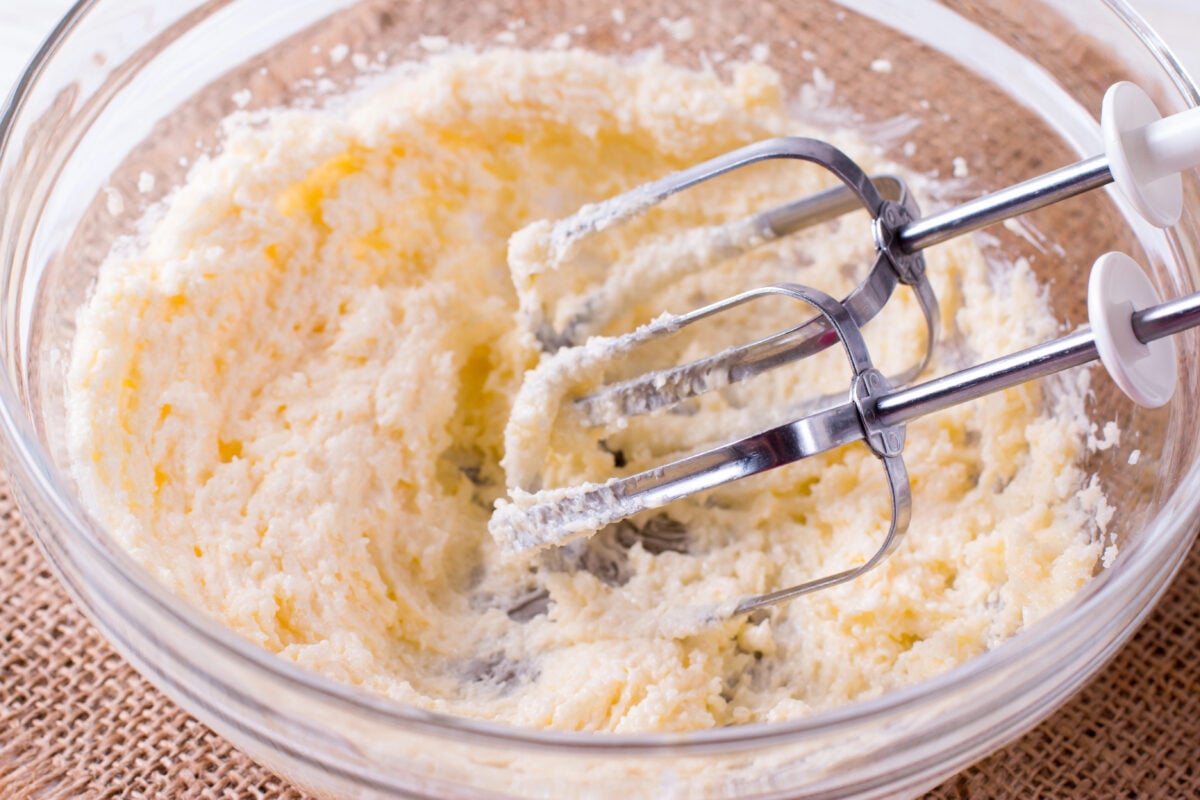
Step Four: Add Eggs and Vanilla Extract
Add the eggs, one at a time, mixing well after each addition. Stir in the vanilla extract.
Step Five: Mash and Add Bananas
Mash the bananas with a fork in a small bowl. Add them to the sugar mixture in the mixing bowl and stir well.
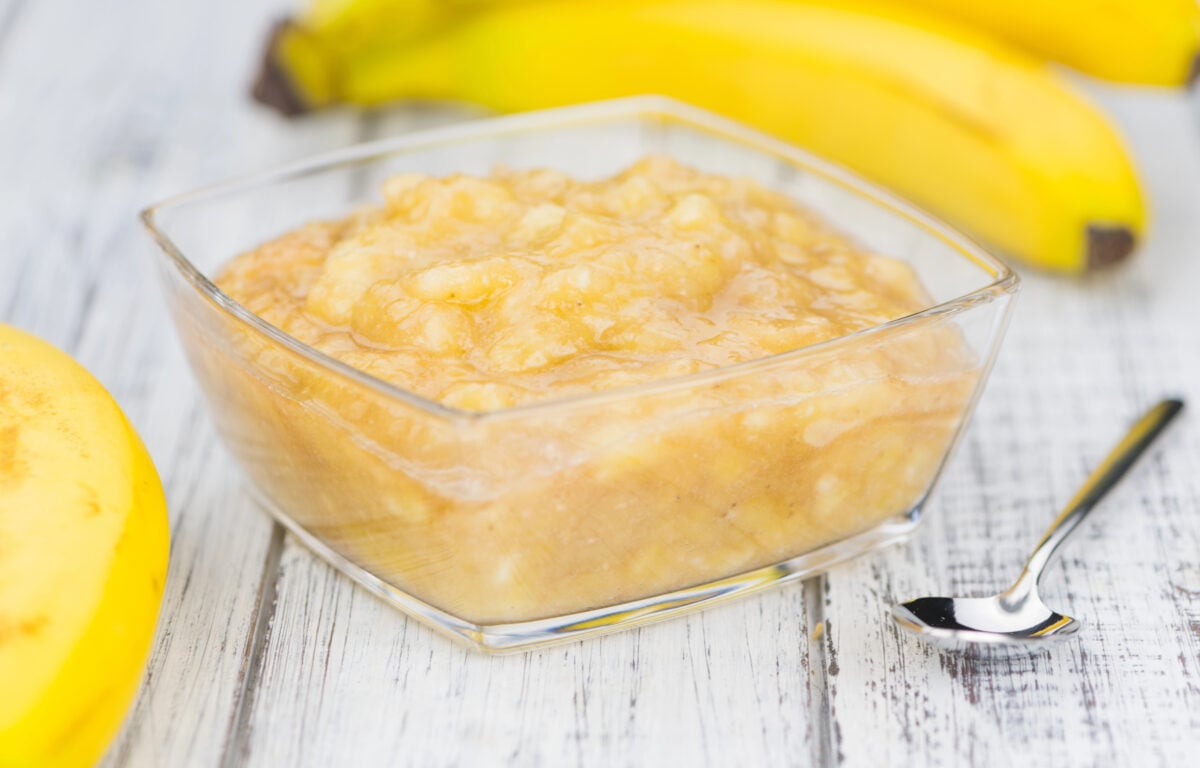
Step Six: Add Buttermilk
Add the buttermilk and mix well.
Step Seven: Add Flour, Baking Soda, and Salt
In a small bowl, combine flour, baking soda, and salt. Add the flour mixture to the banana mixture and mix just until it’s all incorporated.
Step Eight: Transfer Batter to Pan
Transfer batter to the pan, making sure it’s as evenly distributed in the pan as possible.
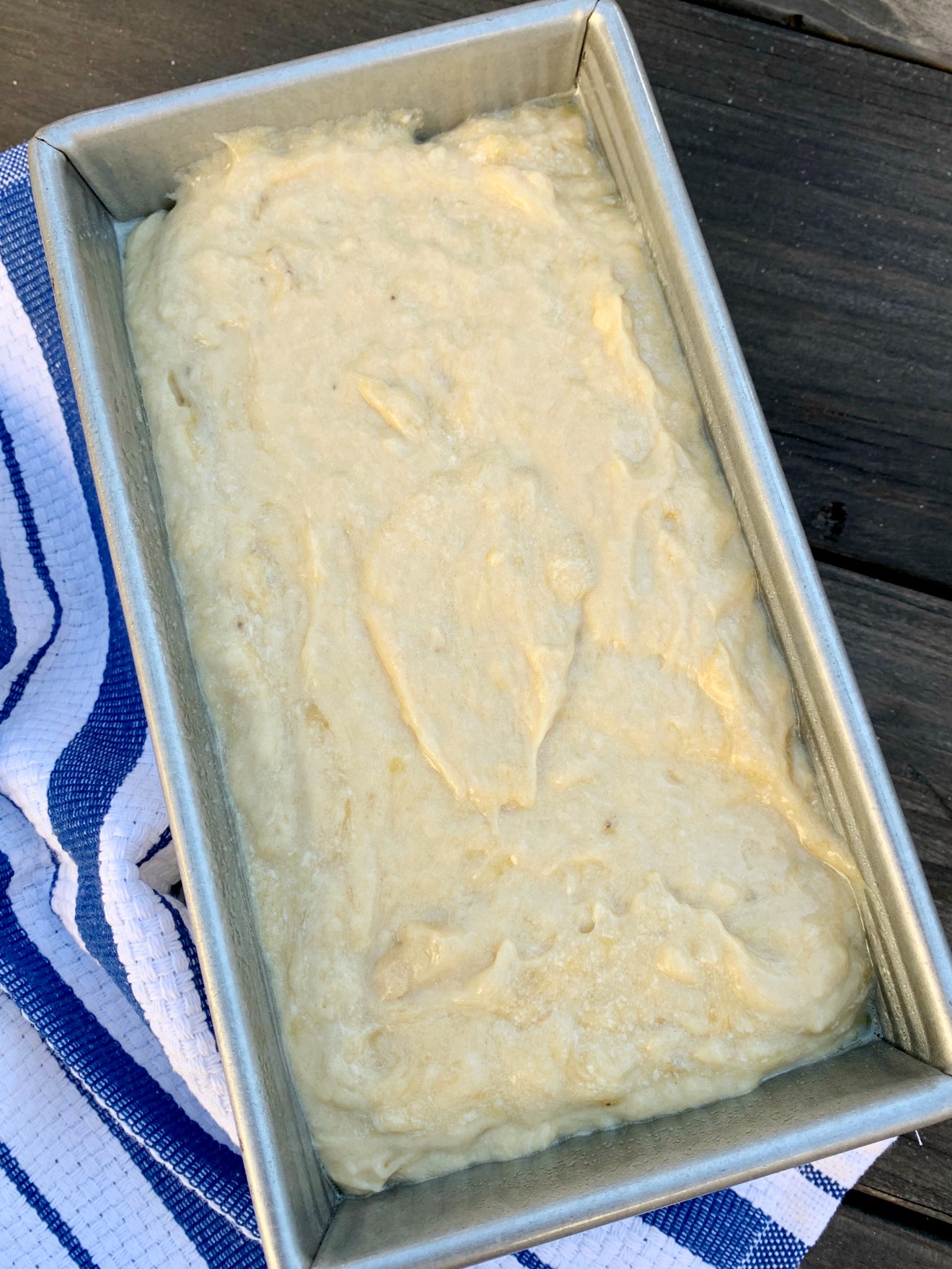
Step Nine: Bake Banana Bread
Bake at 350 for 50-60 minutes or until a toothpick inserted in the center comes out clean.
Step Ten: Allow Banana Bread to Cool
This is often the hard part because it smells so good! However, it’s important to let it cool before slicing so the center of the bread can finish setting.
Let the banana bread cool in the pan for about 10-15 minutes. Then transfer it to the wire cooling rack to finish cooling.
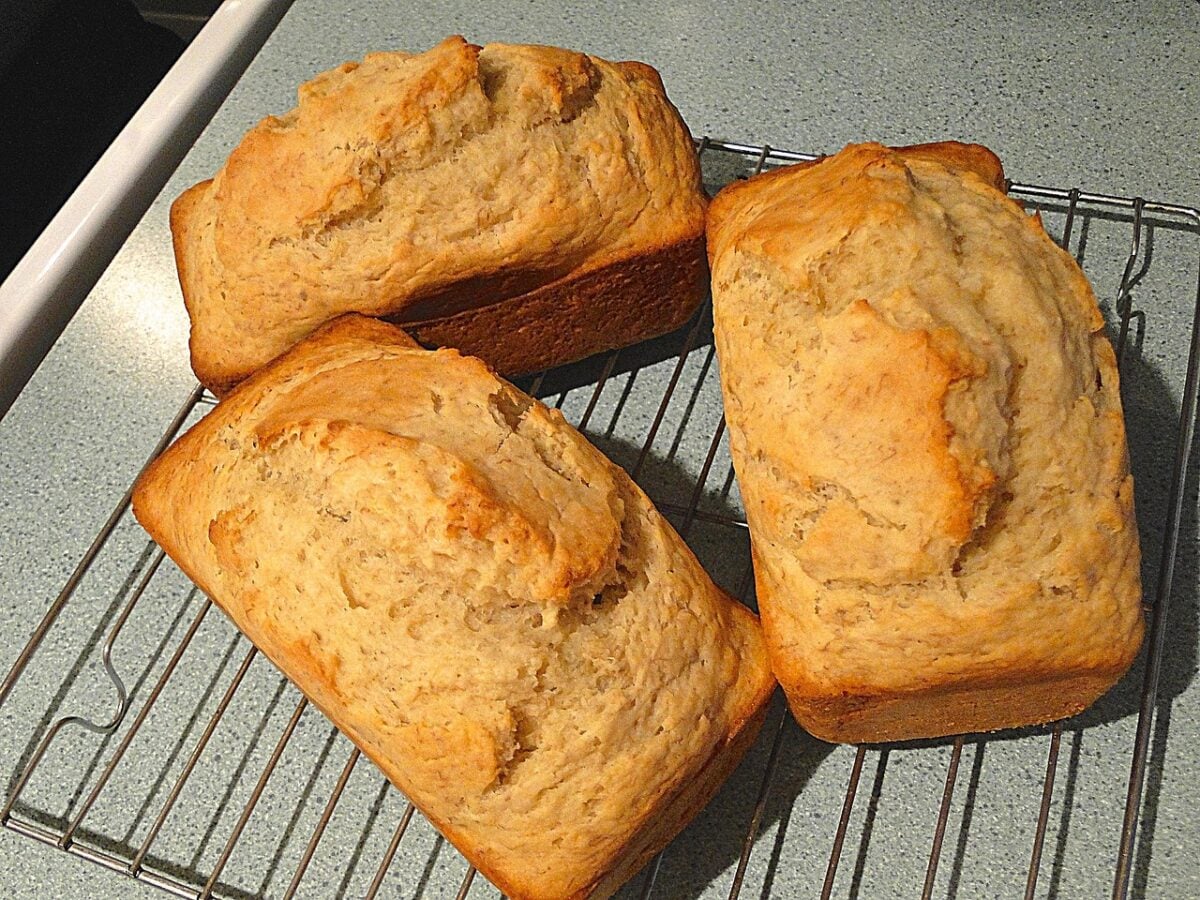
Slice and Serve or Store Bread
I like to slice the bread and serve it with softened butter the same day that I bake it. If I don’t use it all right away, I’ll place the slices in an airtight container and keep them on the counter for a couple of days.
Tips for the Best Banana Bread with Buttermilk
Use these simple tips to make sure your banana bread turns out soft, moist, and tender every time.
1. Use very ripe bananas
The best bananas for banana bread are soft with lots of brown spots on the peel. The riper the bananas are, the sweeter and more flavorful your bread will be. Avoid using firm yellow bananas because they will not add as much natural sweetness or moisture.
2. Do not overmix the batter
Once you add the flour, baking soda, and salt, stir just until the dry ingredients disappear. Overmixing can make banana bread dense, tough, or gummy instead of soft and tender.
3. Measure the flour correctly
Too much flour can make banana bread dry. For best results, spoon the flour into the measuring cup, then level it off with the back of a knife. Do not scoop directly from the flour bag, because this can pack in too much flour.
4. Use room-temperature eggs
Room temperature eggs mix more smoothly into the batter and help create a better texture. If you forgot to set them out, place the eggs in a bowl of warm water for a few minutes before using.
5. Do not skip the buttermilk
Buttermilk helps keep this banana bread moist and tender. It also reacts with the baking soda to help the loaf rise. If you do not have buttermilk, you can make a quick substitute with milk and a little vinegar or lemon juice.
6. Check the center before removing from the oven
Banana bread can look done on top before the center is fully baked. Insert a toothpick into the center of the loaf. It should come out clean or with a few moist crumbs, but not wet batter.
7. Let the bread cool before slicing
It is tempting to slice banana bread right away, but letting it cool helps the crumb set. If you cut it too soon, the bread may seem gummy or fall apart.
8. Use parchment paper for easy removal
Grease the loaf pan, then line it with parchment paper so some hangs over the sides. This makes it much easier to lift the banana bread out of the pan once it has cooled.
9. Add mix-ins carefully
Chocolate chips, walnuts, pecans, or cinnamon are all great additions, but avoid adding too much. Too many mix-ins can weigh down the bread and affect how evenly it bakes. A good amount is about ½ cup to ¾ cup of mix-ins.

Substitutions for Banana Bread with Buttermilk
Need to go dairy-free? The butter can be replaced with sticks of vegan plant-based butter, which can usually be found near the dairy butter at your local grocery store. I prefer the Country Crock plant butter sticks, which are made with olive oil.
You can also make dairy-free buttermilk with unsweetened plant-based milk.
- Mix one tablespoon of vinegar or lemon juice and one cup of oat, coconut, soy, cashew, or almond milk in a measuring cup.
- Keep in mind that the exact plant milk you use can affect the flavor. Almond milk will taste more nutty, and coconut milk has a richer flavor, for instance.
- Let the mixture sit for five minutes.
- Then use it like you would use buttermilk in your favorite recipes.
Can this banana bread be made gluten-free? The tricky part here is that not all gluten-free flours are equal replacements for all-purpose flour. The ones that actually work will likely contain a mix of flours and starches in the ingredients list. King Arthur Gluten-Free All-Purpose Flour is the closest gluten-free alternative I’ve found to the all-purpose flour I normally use for this banana bread. It can usually be used to replace all-purpose flour at a 1:1 ratio.
The eggs can be replaced by a mix of flaxseed meal and water. For each egg you want to replace, mix 1 tablespoon of flaxseed meal with 3 tablespoons of water. Let the mixture sit for a few minutes to form a gel.
Variations for This Banana Bread
1/2 cup chopped pecans makes a great add-in for this banana bread! Just stir the pecans evenly into the batter right before you put it in the pan.
1/2 cup of chocolate chips makes a good add-in, too.
The brown sugar can be reduced to 1/2 cup if you want the banana bread slightly less sweet.
You can also try adding oatmeal to make Oatmeal Banana Bread.

How to Store Banana Bread
Let the banana bread cool completely before storing it. If you wrap it while it is still warm, extra steam can get trapped inside and make the bread soggy.
Once cooled, wrap the loaf tightly in plastic wrap or aluminum foil. You can also place individual slices in an airtight container or zip-top bag. Store banana bread at room temperature for up to 3 days.
For the best texture, keep the bread in a cool, dry place on the counter. Avoid storing it near the stove, dishwasher, or a sunny window where heat and moisture can make it spoil faster.
If your kitchen is very warm or humid, you can store banana bread in the refrigerator for a few extra days. Just know that refrigeration can make quick breads dry out faster, so keep them tightly wrapped and let slices come to room temperature before serving.
Best ways to store banana bread:
- Whole loaf: Wrap tightly in plastic wrap or foil.
- Slices: Store in an airtight container or zip-top bag.
- Room temperature: Best for up to 3 days.
- Refrigerator: Use only if your kitchen is warm or humid.
Can You Freeze Banana Bread?
Yes, banana bread freezes very well. Freezing is a great option if you want to save extra slices for quick breakfasts, snacks, or lunchboxes.
Make sure the banana bread is completely cool before freezing. You can freeze the whole loaf, but slicing it first makes it easier to thaw only what you need.
To freeze individual slices, wrap each slice tightly in plastic wrap, then place the wrapped slices in a freezer-safe bag or airtight container. Press out as much air as possible before sealing to help prevent freezer burn.
For the best flavor and texture, enjoy frozen banana bread within 2 to 3 months.
How to freeze banana bread:
- Let the banana bread cool completely.
- Slice the loaf, if desired.
- Wrap the loaf or individual slices tightly in plastic wrap.
- Place wrapped bread in a freezer-safe bag or container.
- Label with the date.
- Freeze for up to 2 to 3 months.
How to thaw frozen banana bread:
To thaw, place a slice on the counter at room temperature until softened. For a quicker option, unwrap a slice and warm it in the microwave in short intervals until heated through.
For a whole loaf, thaw it wrapped at room temperature for several hours or overnight. Keeping it wrapped while it thaws helps hold in moisture.
FAQ and Troubleshooting for Banana Bread with Buttermilk
Although I think this banana bread is relatively easy to make, we do get questions sometimes! I tried to answer some of the most common questions here. If you think of one I haven’t answered yet, feel free to ask in the comments section, and we’ll do our best to answer it as soon as possible.
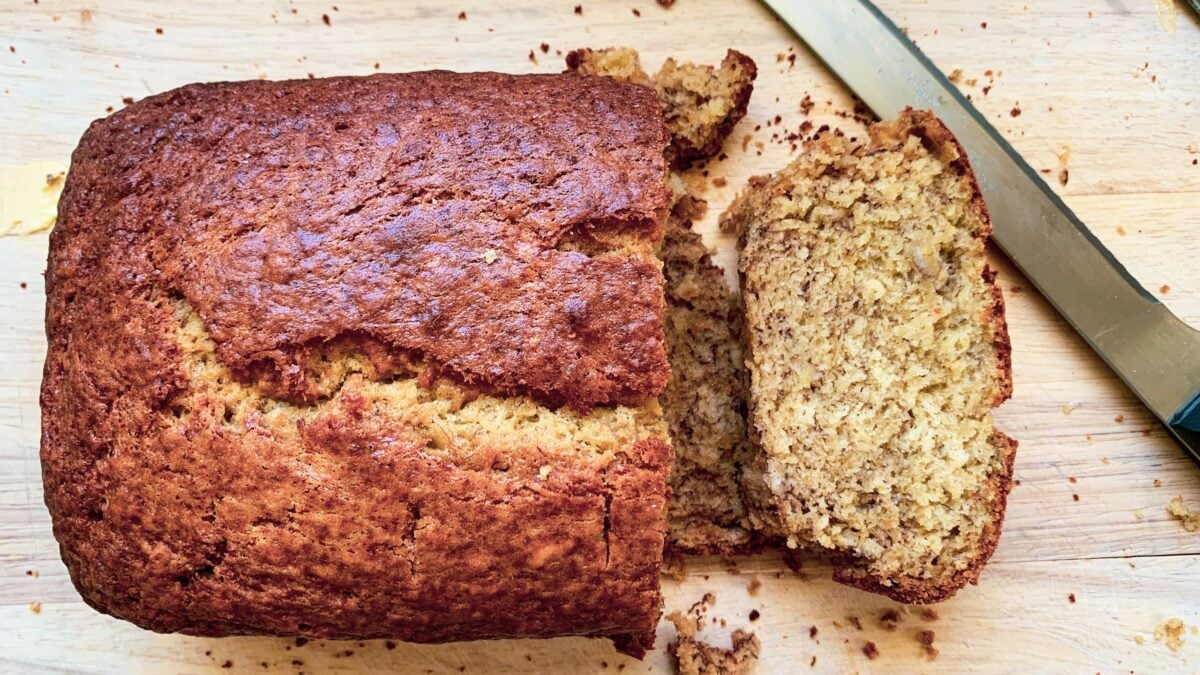
Why is my banana bread dense?
The answer usually has to do with the flour! When you mix the all-purpose flour into the batter, the gluten will start to form. Overmixing it can cause too much gluten to form, which makes the bread dense.
Using too little flour can cause the bread to collapse and become dense. This happens because there isn’t enough protein to form the webbing that traps the carbon dioxide bubbles created by the reaction between the baking soda and the acid in the buttermilk.
For reasons like this, it’s important to measure flour accurately. I’ll often use a digital food scale to measure flour. All-purpose flour typically has 120-125 grams per cup.
Did you use whole-grain flour? If so, the bran in the flour could have cut through the forming gluten network, limiting its ability to retain carbon dioxide bubbles.
Why did my banana bread sink in the middle?
This happens most often if the bread was underbaked. The oven might not have been hot enough, or the bread wasn’t in the oven for long enough. A toothpick inserted into the center of the oven should come out clean.
One way to test whether your oven is running hot or cool is to preheat your oven to 375 degrees Fahrenheit and put some sugar in the bottom of a casserole dish. Put the sugar in the oven. The sugar should turn brown. If it remains white, your oven might be running cool, and the oven sensor needs to be calibrated.
If you’d like to be more certain, you can hang an oven thermometer in the oven. Preheat the oven to 350 degrees Fahrenheit and allow the heat to circulate with the door closed for about 10 minutes. If the average temperature varies from the temperature setting by more than 30 degrees Fahrenheit, calibrate your oven sensor. The video below shows how to calibrate the oven sensor.
Why is my banana bread gummy?
Did the bananas seem unusually large? Too many bananas can mean too much moisture, which can cause gummy bread. Too little flour can also cause this problem.
The bread might also have been underbaked, or it wasn’t allowed to cool for long enough before slicing. Cooling it completely allows the center to finish setting before you slice it.
Why is my banana bread dry?
Too much flour, too little liquid, or overbaking are the most common culprits for dry bread. It’s important to measure the flour carefully before adding it to the batter, including leveling off each cup of flour before adding it to the dry ingredient mix.
(Honestly? Because I’m paranoid about possibly using the wrong amount of flour, I prefer to measure it in grams using my digital food scale. Remember, 120-125 grams of all-purpose flour per cup is a good rule of thumb.)
Why did the top of my banana bread crack?
This is actually normal for banana bread! The outside sets while the inside continues to rise, which creates that classic split down the top.
Why did my banana bread stick to the pan?
The pan may not have been greased well enough, or the bread may have cooled too long in the pan. Grease the loaf pan thoroughly or line it with parchment paper. Let the bread cool for about 10–15 minutes, then remove it from the pan and finish cooling on a wire rack.
Can I make banana bread with buttermilk ahead of time?
You sure can. Banana bread is a great make-ahead recipe because the flavor stays delicious after it cools. Store it tightly wrapped at room temperature for up to 3 days, or freeze slices for longer storage.
Can I use frozen bananas?
You can, but be sure to thaw the bananas first, then drain off any excess liquid before mashing. Frozen bananas are usually very soft and sweet, which makes them great for banana bread.
Can I use a buttermilk substitute?
Yes. Add a small amount of lemon juice or vinegar to milk, let it sit for a few minutes, then use it in place of buttermilk. This helps give the bread a similar tang and tenderness.
More Delicious Bread Recipes
Looking for more homemade bread recipes? Here are a few reader-favorite recipes to try next, from sweet banana breads to soft, savory loaves.
- Banana Oatmeal Bread
- Chocolate Chip Banana Bread
- English Muffin Bread
- Panera Tomato Basil Bread
- Soft Cheesy Bread Recipe with Italian Herbs
This banana bread with buttermilk is a simple and delicious way to use up overripe bananas. Enjoy it for breakfast, as an afternoon snack, or as an easy dessert with a little butter or honey.
Did You Try This Banana Bread with Buttermilk?
If you made this banana bread with buttermilk, I’d love to hear how it turned out! Leave a comment below and let me know if you enjoyed it plain or added something extra like chocolate chips, walnuts, cinnamon, or a streusel topping.
Your comments help other readers and make it easier for them to decide what variations to try next.