Cauliflower and green peas recipe solves the common “bland vegetable meals and pasta that taste flat” problem. Most versions end up soft, under-seasoned, or forgettable.
Ours focuses on flavor, texture, and simplicity. It’s affordable, easy to make, and consistent. If you like simple comfort dishes like Creamy One-Pot Pumpkin Pasta (Vegan + Gluten-Free), this recipe follows the same approach.
Table of Contents

This isn’t just one recipe. This comprehensive guide explains cooking techniques, offers solutions for common mistakes, and shows how to adapt recipes using ingredients you have on hand.
Quick Recipe Snapshot
The following is a quick look at the required ingredients for this pasta with cauliflower and peas recipe:
- Vegan bacon bits (optional)
- Gluten-free panko breadcrumbs
- Vegan Parmesan cheese (optional)
- Onion
- Garlic
- Gluten-free pasta
- Vegetable broth
- Green peas
- Kale
- Parsley
- Lemon
Why You’ll Love This Recipe
This cauliflower and peas pasta is simple, hearty, and full of flavor without needing a complicated sauce. It is the kind of easy vegetable pasta that works for busy weeknights but still feels satisfying enough to serve as a complete meal.
- One-pot friendly: The pasta cooks directly in vegetable broth, which helps it absorb more flavor while also cutting down on extra dishes.
- Vegetable-packed: Cauliflower, peas, and kale add texture, color, fiber, and plenty of plant-based goodness to every bowl.
- Not bland: Garlic, lemon, thyme, vegetable broth, and crispy toasted breadcrumbs give this dish a bright, savory flavor with a satisfying crunch.
- Flexible: You can make it with gluten-free pasta, regular pasta, vegan Parmesan, or an added protein like chickpeas, white beans, tofu, chicken, or shrimp.
Ingredients and Substitutes for Cauliflower and Green Peas Recipes
Now that the recipe’s base is clear, look below to understand what each ingredient actually does, and where you can adjust without breaking the dish.
Key Ingredients Explained
Each ingredient below has a role; remove too many, and the dish risks becoming flat.
- Cauliflower Florets: This is the dish’s structure. It retains its texture when sautéed properly and absorbs flavor from broth and seasonings.
- Green Peas: Peas add natural sweetness and a tender texture, complementing the mild flavor of cauliflower.
- Gluten-Free Pasta: Pasta serves as the base and absorbs the vegetable broth for added depth, rather than just plain water.
- Onion and Garlic: They build the core flavor. Onion adds sweetness, while garlic adds sharpness and aroma.
- Vegetable Broth: Essential ingredient. It replaces water when cooking pasta, giving the entire dish a deeper, more savory taste.
- Kale: It adds a slight bitterness and a textural contrast, preventing the dish from feeling too soft.
- Parsley and Lemon Juice: They brighten the final flavor and cut through the richness.
- Panko Breadcrumbs and Vegan Bacon Bits (Optional): They provide crunch and a smoky, savory finish.
- Vegan Parmesan (Optional): It adds an aged, salty depth that rounds everything out.
Substitutions
Below are the swaps you can make:
- Pasta: You can use any regular pasta if you do not need a gluten-free option.
- Kale: Use spinach or omit it if you prefer a softer texture.
- Vegetable Broth: Water can work, but expect less flavor.
- Vegan Parmesan: Use regular Parmesan if not vegan.
- Vegan Bacon Bits: Skip or replace it with toasted nuts for texture.
- Panko Breadcrumbs: Use regular breadcrumbs or omit them if needed.
Do you enjoy working with cauliflower in different forms? Recipes like our Whole Roasted Cauliflower with Butter Sauce show how versatile it can be. But in this recipe, it’s all about building flavor quickly in a pasta format.

Printable Cauliflower and Green Peas (Pasta Dish) Recipe Card
Ingredients
- 8 ounces gluten-free pasta
- 4 cups cauliflower florets
- ½ cup frozen peas thawed
- 1 cup chopped kale
- 1 tbsp chopped fresh parsley
- ¼ cup gluten-free panko breadcrumbs
- 2½ – 3 cups vegetable broth divided
- 4 tbsp Olive Oil divided
- ½ yellow onion diced
- ⅛ tsp. ground black pepper
- ¼ tsp. kosher salt
- 2 cloves garlic minced
- ½ tsp. dried thyme leaves
- ⅛ tsp. red pepper flakes
- fresh lemon juice
- Vegan Parmesan cheese (optional, for topping)
- ⅛ cup vegan bacon bits (optional)
Instructions
Prepare the Topping
- Heat a large pot over medium heat. Then, add vegan bacon bits, panko, and black pepper. Afterward, cook for 3–4 minutes until deep golden. Remove, mix with Parmesan, and set aside.
Cook the Cauliflower Mixture
- Add 2 tablespoons of oil to the same pot, and cook the cauliflower, onion, and salt for about 15 minutes, until tender and lightly browned. Afterward, add garlic, thyme, and red pepper flakes. Then cook briefly and remove from the pot.
Cook Pasta in Broth
- Add 2 1⁄2 cups vegetable broth and bring to a simmer. Next, add the pasta and cook, stirring often, until tender and most of the liquid has been absorbed. Also, add more broth as needed.
Add Vegetables
- Stir in peas and cook for about 30 seconds. Then add kale and cook until wilted.
Combine and Finish
- Add the cauliflower mixture to the pot. Remove the pot from the heat, and add parsley, lemon juice, and remaining Parmesan. Then, mix and adjust the seasoning (remember, the breadcrumb mixture is a bit salty/peppery too).
Serve
- Divide the dish into bowls and top with the breadcrumb mixture.
Notes
- Optional toppings (vegan bacon, Parmesan) enhance flavor but are not required.
- Texture depends on properly cooking the cauliflower.
- Adjust the broth as needed to account for the pasta’s absorption.
Doneness Cues
- Cauliflower should be tender with slight browning, not falling apart.
- Pasta should be cooked through but still firm (not mushy).
- Kale should be wilted but still vibrant.
- The final texture should be moist and lightly coated, not dry.
Success Tips
- Cook pasta in broth, not water, to build flavor.
- Avoid overcooking cauliflower; it should keep some structure.
- Add lemon juice at the end for balance.
- Use extra broth to adjust consistency if needed.
Storage and Reheating
- Fridge: Store in an airtight container for up to 3–4 days.
- Reheat: Add a splash of broth or water before reheating to prevent dryness.
- Freezing: Not recommended due to texture changes.
Nutrition
Why This Recipe Works
At this point, the structure of this cauliflower and green peas recipe should feel clear. What makes it reliable is how the elements work together.
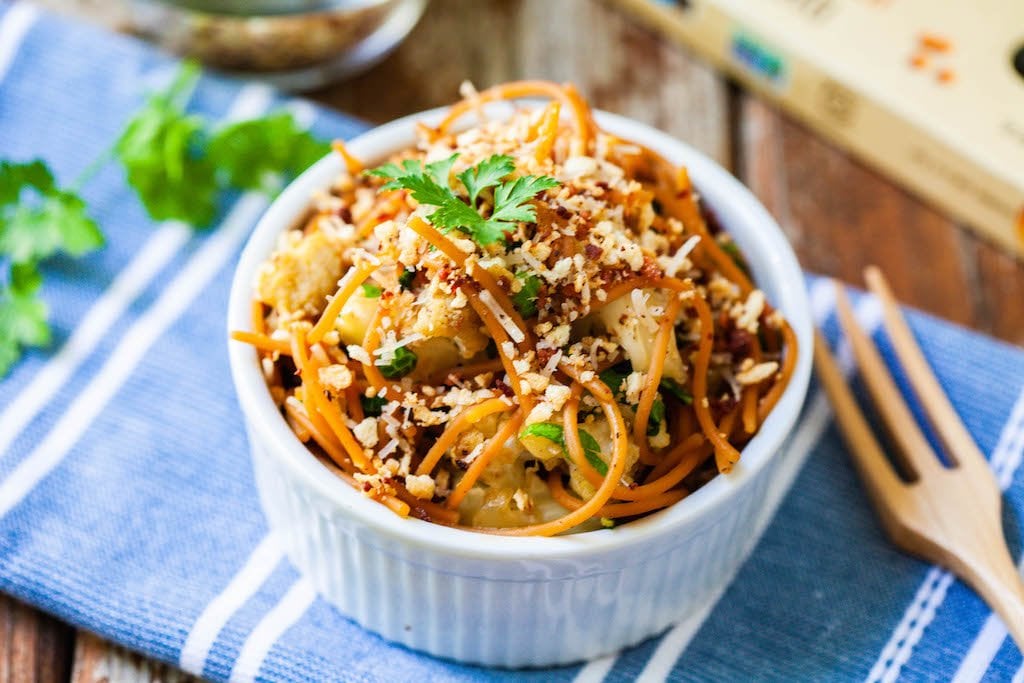
Balanced Textures
Cauliflower keeps a slight bite, peas stay soft, and pasta holds everything together. This prevents the dish from becoming overly soft.
Simple Ingredient Synergy
Each ingredient has a clear role. Aromatics build the base, broth adds depth, and lemon balances the finish.
Flexible Base
You can adjust ingredients or add protein without affecting the overall structure.
Step-by-Step Instructions for Making Cauliflower and Peas Pasta
Follow this exact flow for consistent cauliflower pasta results. Each step below includes timing and visual cues to help you know when to move on.
Essential Kitchen Tools for Cauliflower and Green Peas Recipe
Before you begin this cauliflower and green peas recipe, gather the necessary tools. This will streamline the process and help you achieve the ideal texture and timing.
- Large Deep Pot or Dutch Oven: A wide, heavy-bottomed pot helps distribute heat evenly and prevents sticking.
- Sharp Knife: You’ll need this to cut cauliflower into even florets and dice the onion.
- Cutting Board: A stable surface makes prep faster and safer, especially when working with firm vegetables like cauliflower.
- Measuring Cups and Spoons: Accurate measurements matter, especially for broth and seasoning.
- Ladle or Heatproof Cup: Useful for adding extra broth gradually as the pasta cooks.
- Colander (Optional): If you cook the pasta separately rather than in the broth, you will need a colander to drain it.
Step 1: Toast the Breadcrumb Topping (3–4 Minutes)
Cook vegan bacon bits, panko, and black pepper over medium heat. Then, stir continuously until the mixture turns golden brown and crisp with a toasted aroma. Remove immediately to prevent burning.
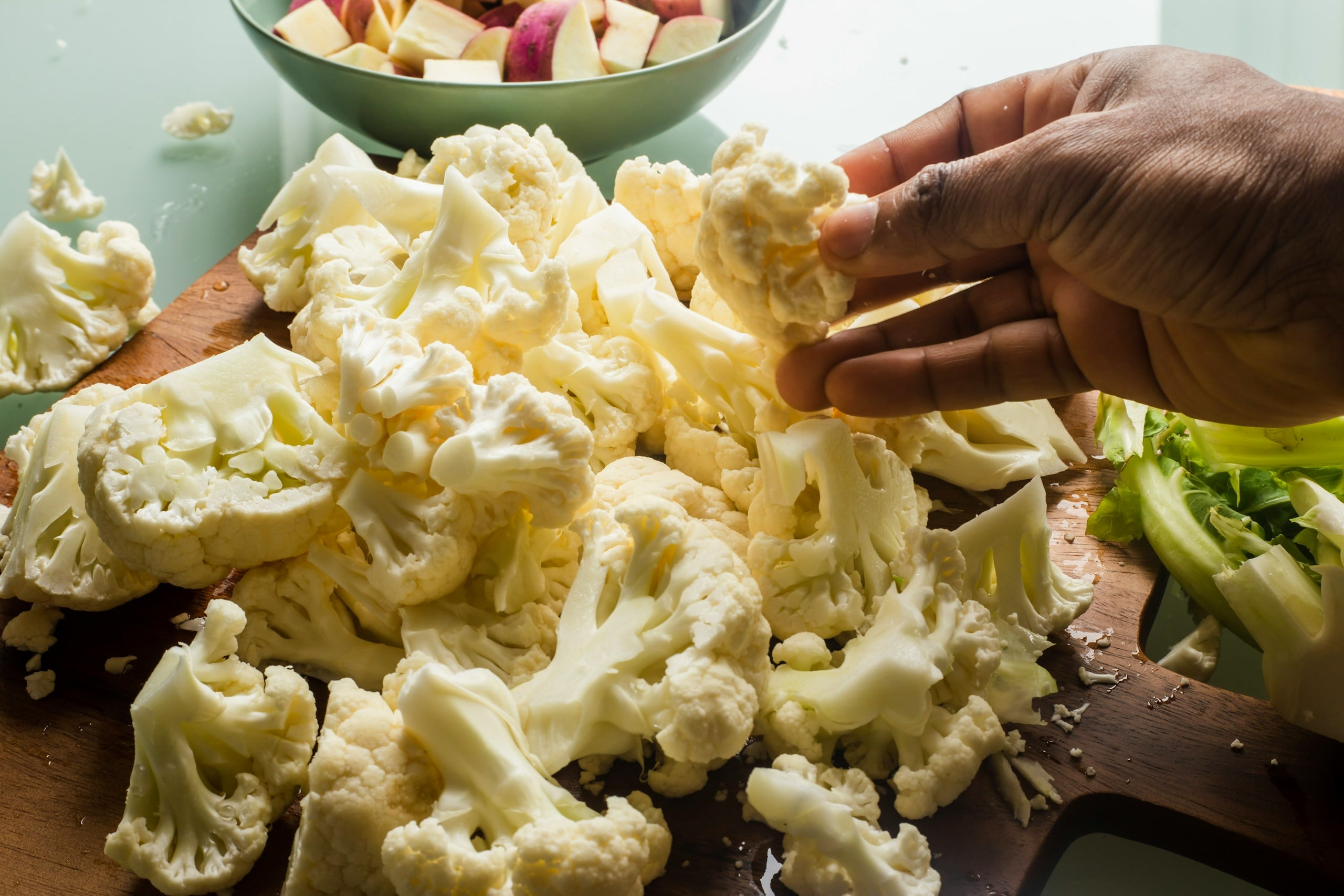
Step 2: Sauté the Cauliflower and Onion (12–15 Minutes)
Heat oil over medium-high heat, then add cauliflower, onion, and salt. Afterward, cook, stirring occasionally, until the cauliflower is fork-tender, with light browning on the edges, and the onion is soft and translucent.
Step 3: Add Aromatics (1 Minute)
Stir in garlic, thyme, and red pepper flakes. Then, cook briefly until fragrant; you should smell the garlic clearly, but it should not darken or burn.
Step 4: Remove the Vegetable Mixture (Immediate)
Transfer the cauliflower mixture to a plate once cooked. It should look lightly browned, not mushy, and hold its shape.
Step 5: Cook the Pasta in Broth (10–12 Minutes)
Add vegetable broth and bring to a gentle simmer, then add pasta. Then, stir frequently as it cooks. The pasta is ready when it is tender but still slightly firm (al dente) and most of the liquid is absorbed.
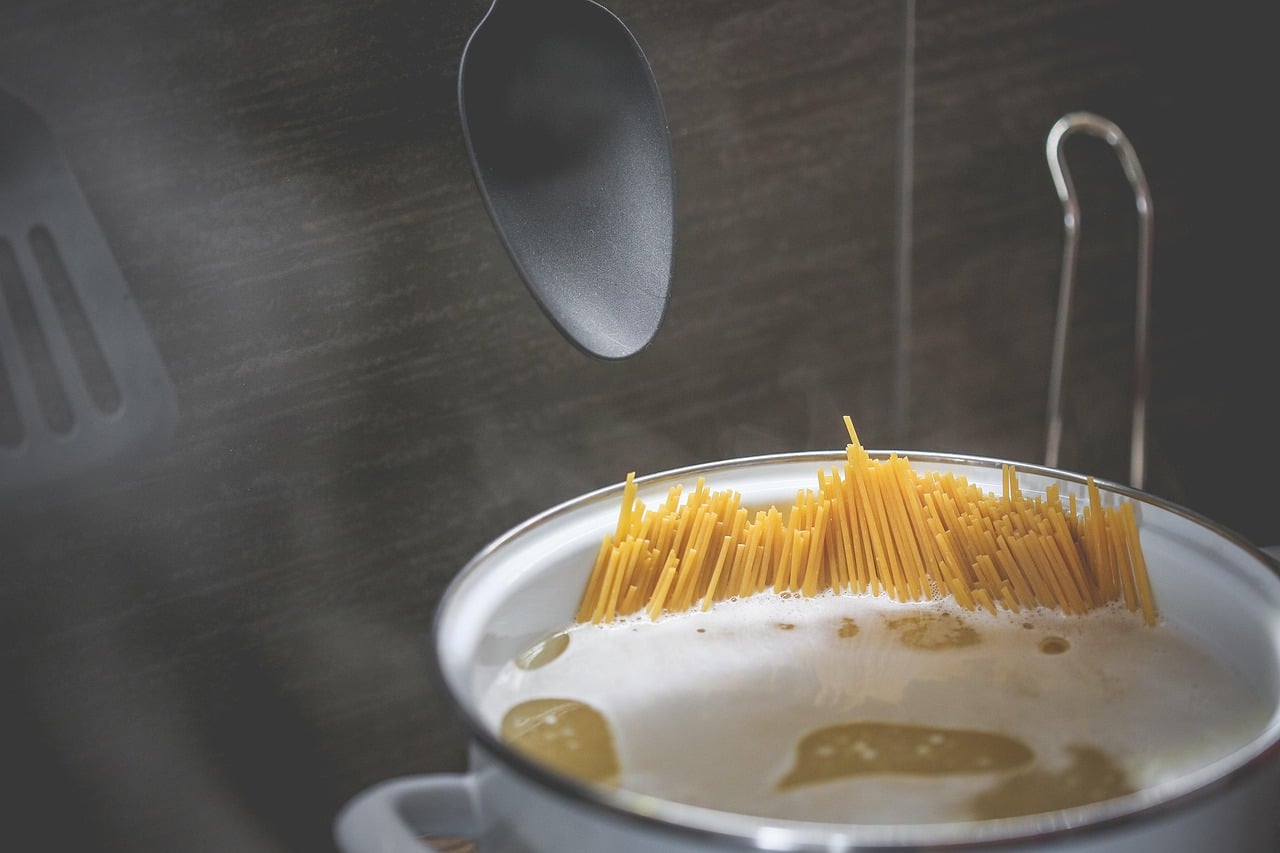
Step 6: Adjust Liquid If Needed (As Required)
If the pasta looks dry before it’s fully cooked, add more broth in small amounts. The mixture should stay slightly loose and glossy, not dry or sticky.
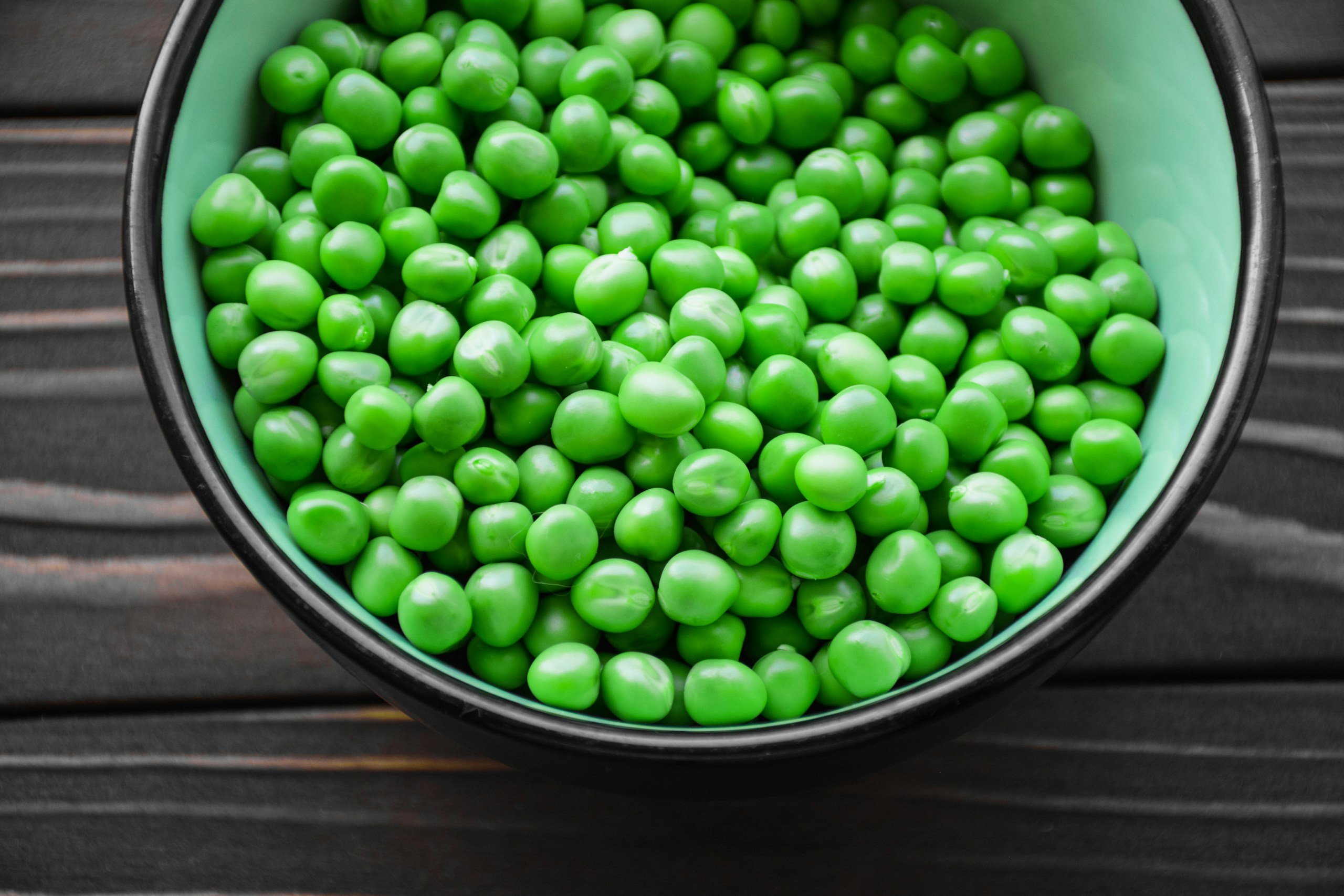
Step 7: Add the Peas (30–60 Seconds)
Add the green peas and stir briefly, cooking just until they are heated through and turn bright green. Avoid overcooking, as this can cause them to lose their color.
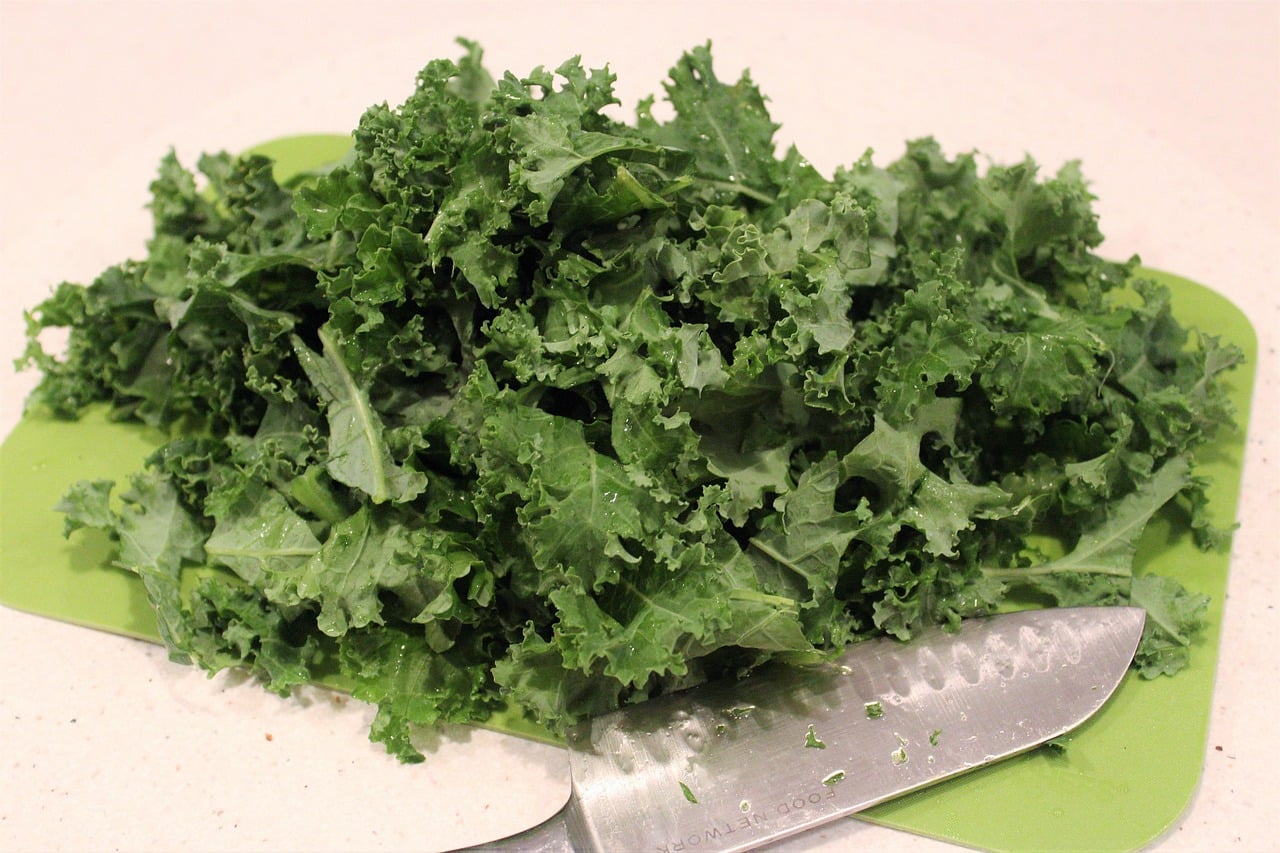
Step 8: Add the Kale (1–2 Minutes)
Mix in chopped kale and cook until it wilts and softens, retaining a deep green color.
Step 9: Combine Everything (1–2 Minutes)
Return the cauliflower mixture to the pot and stir gently. The vegetables should be evenly distributed, with no clumping.
Step 10: Finish with Fresh Elements (1 Minute)
Remove from heat, then add parsley, lemon juice, and Parmesan. The final dish should smell fresh and slightly citrusy, with a balanced aroma.
Step 11: Taste and Adjust Seasoning (30 Seconds)
Taste and adjust salt or pepper if needed. The flavor should be well-balanced, neither bland nor too salty.
Step 12: Serve with Topping (Immediate)
Plate the pasta and sprinkle the toasted breadcrumb mixture on top. The final texture should be moist, lightly coated, and not dry, with a mix of soft and slightly firm elements.
What Makes Cauliflower and Peas A Perfect Combination
Understanding why this cauliflower and green pea pasta works so well is essential before you start cooking.
Texture Contrast
Cauliflower holds a slight bite when cooked properly, whereas peas stay soft and tender. That contrast keeps the dish from feeling flat or overly soft, a common issue with vegetable pasta.
Flavor Balance
Cauliflower has a mild, almost neutral base. Meanwhile, peas produce a natural sweetness. Together, they create an even flavor that’s easy to build on with garlic, herbs, and seasoning, without the need for heavy sauces.
A similar technique is what makes dishes like our Cajun Jambalaya Pasta Recipe (Cheesecake Factory Copycat) work so well. However, we applied it here in a lighter, vegetable-forward way.
Is This An Italian-Inspired Recipe?
Although it’s not strictly traditional, this cauliflower and green peas recipe takes clear inspiration from Italian cooking. Italian cuisine usually depends on simple ingredients, consistent flavors, and letting vegetables shine without heavy sauces.
A Look at Where It Originated From
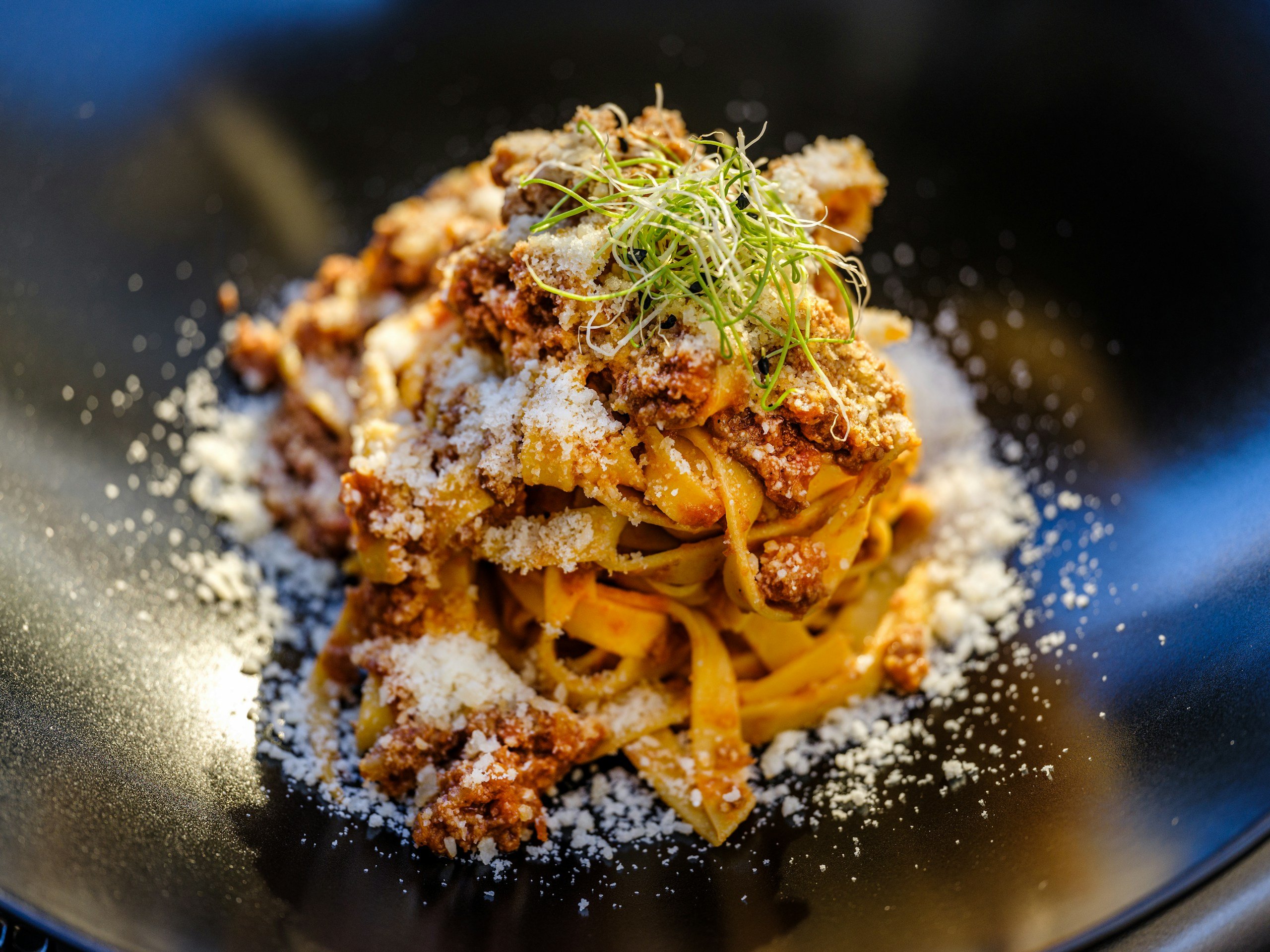
There’s a well-known Southern Italian dish called pasta e cavolfiore. It’s a simple combination of pasta and cauliflower, usually cooked with garlic, oil, and sometimes broth. This dish follows the same principle we used in this recipe: minimal ingredients and maximum flavor.
Vegetable Pasta Traditions
Vegetable-based pasta dishes are common across Italy. Rather than rich cream sauces, several recipes use olive oil, aromatics, and seasonal produce. Including peas fits naturally into this style by bringing a touch of sweetness and balance.
Where This Recipe Adapts
Our version draws inspiration from those traditions but is adjusted for convenience and flexibility. It combines cauliflower and peas for better texture contrast, adds more structured flavor layering, and allows for easy variations depending on what you have available.
Have you ever tried richer, restaurant-style dishes like our Cheesecake Factory Pasta Da Vinci Recipe? This cauliflower pasta recipe takes an opposite approach: it’s simpler, lighter, and focused on everyday cooking without losing depth.
How to Cook Cauliflower Perfectly for Pasta
The success of this cauliflower and green peas recipe depends heavily on how you cook the cauliflower. The method you choose affects the texture and flavor, so doing it right is a must.
Roasting (Best Flavor)
Roasting gives the deepest flavor. The cauliflower develops slightly crisp edges and a nutty flavor, adding more character to the pasta.

When to Use It
Use roasting when you want a stronger, more developed flavor without relying on heavy sauces. It works best if you want the cauliflower to stand out rather than blend in.
Common Mistakes
The biggest issue is overcrowding the pan, which prevents the cauliflower from browning. Another mistake is using too little oil, which prevents proper caramelization and results in a dry texture.
Boiling (Soft Texture)
Boiling produces the softest result. The cauliflower becomes tender and easily mixes into the pasta, creating a more uniform texture.
When to Use It
This works well if you prefer a softer dish or are cooking everything in one pot. It’s also useful when you want the cauliflower to absorb surrounding flavors rather than develop its own.
Common Mistakes
Overcooking is the main problem in this recipe, because it turns the cauliflower mushy very quickly. Using plain water instead of broth also reduces overall flavor, making the dish taste flat.
Sautéing (Balanced Option)
Sautéing offers a middle ground. The cauliflower keeps a slight bite while still picking up flavor from garlic, oil, and broth.
When to Use It
Choose sautéing when you want texture and flavor in a quicker, more controlled method. It’s the most versatile option for everyday cooking.
Common Mistakes
Cooking on low heat prevents proper browning, whereas stirring too often stops the cauliflower from developing any color. Both lead to a less flavorful result.
Each method alters the outcome, so choose one that matches the texture and flavor you’re aiming for. Similarly, in recipes like our Sun-Dried Tomato Artichoke Spaghetti Squash, the way you cook the vegetable is just as important as the ingredients.
How to Build Flavor
How you build the flavor after cooking the base is what separates an average dish from a good cauliflower and green peas pasta. You can make a notable impact with small adjustments here.
Garlic Timing (Burn vs Aroma)
Garlic should be added after the oil is heated, but before anything that releases moisture. Sauté briefly, just until fragrant, to allow the aroma to develop fully. If it cooks too long or at high heat, it burns and turns bitter, affecting the entire dish.
Salt Layering
Seasoning shouldn’t happen only at the end. Add small amounts of salt at different stages: when cooking the vegetables, when adding broth, and when combining everything. This creates a more even, balanced flavor rather than a surface-level taste.
Acid (Lemon or Vinegar)
Lift the dish by adding a small amount of acid at the end. Lemon juice works best here because it cuts through the richness and brings everything into balance. The flavors can feel flat without it, even if you cook everything properly.
Fat Balance (Oil or Butter)
Fat carries flavor. Olive oil is enough for a lighter finish, whereas butter (or a vegan alternative) adds more richness. Note that too little makes the dish feel dry, and too much makes it heavy. You will see similar things in our Roasted Cauliflower Steaks with Gremolata.
Common Problems and How to Fix Them
The recipe can go wrong if you miss a few key details. Below are the most common issues and how to fix them.
Why Is My Cauliflower Mushy
Overcooking is the main cause. To resolve this issue, cook only until fork-tender and avoid overcrowding.
Why Does My Pasta Taste Dry
This happens when there isn’t enough liquid. To fix it, add broth gradually and keep the mixture slightly loose.
Why Is the Flavor Bland
This issue may result from insufficient salt, acidity, or depth of flavor. To fix it, season in stages and finish with lemon.
What to Serve with Cauliflower and Peas Pasta
After preparing your cauliflower and green peas recipe, pairing it with the right sides makes the meal more complete without adding complexity. Ensure you complement the texture and keep the flavors balanced.
Salads
A fresh salad adds contrast and keeps the meal from feeling too heavy. Something light with acidity works best, helping to balance the mild, savory pasta. A good option is Spa Salad with Beets, Avocado, and Raspberry Balsamic Vinaigrette.

Bread
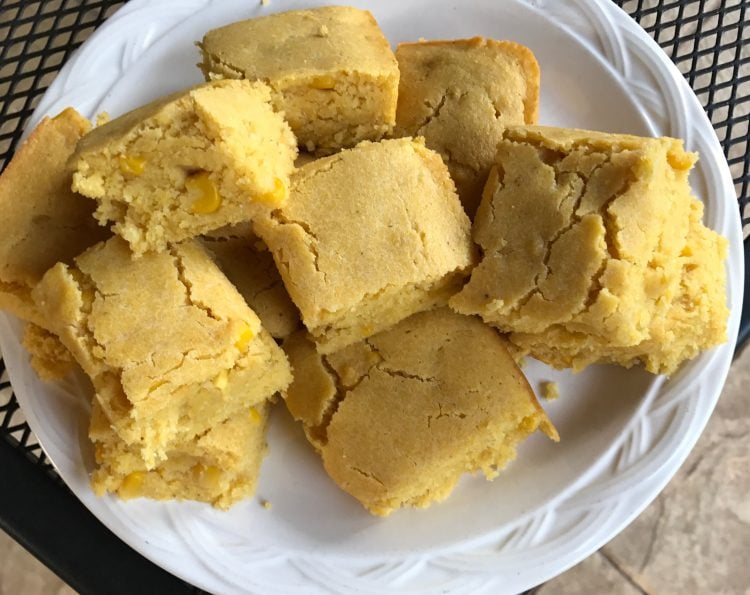
Bread works well for soaking up any remaining broth and adds a bit of structure to the meal. Keep it simple and soft so it doesn’t overpower the dish. Vegan Cornbread is a good fit here; it’s slightly sweet and balances the savory elements.
Soups
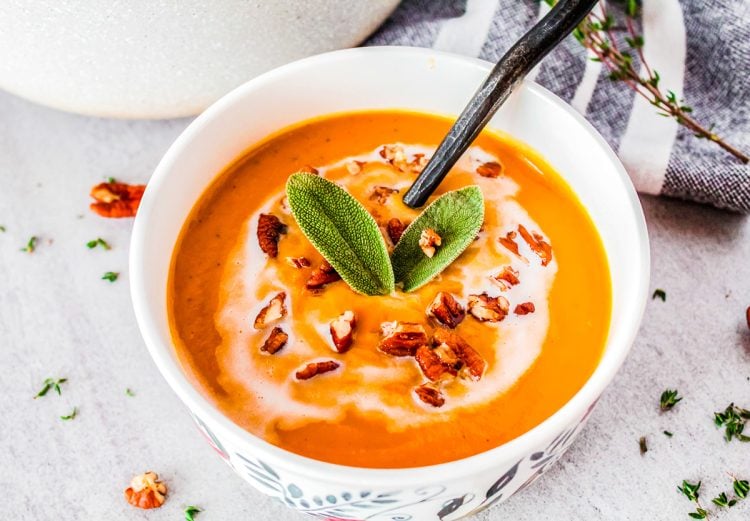
If you want a more filling meal, pairing this pasta with a light soup works well. Stick to something smooth and not too heavy so the flavors don’t compete. Creamy Vegan Pumpkin Soup complements the dish without overwhelming it.
How to Store, Freeze, and Reheat this Pasta
Storing your cauliflower and green peas pasta properly helps maintain both texture and flavor for later.
Fridge Storage
Let the pasta cool completely, then transfer it to an airtight container. Store in the refrigerator for up to 3–4 days. The flavors often deepen slightly after resting, but the texture will firm up as it sits.
Best Reheating Method
Reheat on the stovetop over medium-low heat for the best results.
Then add a small amount of vegetable broth or water, and stir occasionally until warmed through. This keeps the pasta from sticking and restores moisture.
A microwave can work, but it’s more likely to dry the dish out if reheated without added liquid.
How to Prevent Dryness
This dish thickens as it cools because the pasta absorbs leftover liquid. To prevent dryness, always add a splash of broth or water when reheating and stir gently to loosen it. Avoid overheating, as this can make the cauliflower too soft and the pasta sticky.
Nutritional Benefits of this Recipe
This cauliflower and green peas recipe is built on vegetables and legumes, which provide fiber, vitamins, and plant-based nutrients.
Fiber and Digestion
Both cauliflower and peas contain dietary fiber, which supports digestion, improves satiety, and helps regulate blood sugar and cholesterol levels. Fiber-rich foods like vegetables and legumes are consistently linked to better gut health and lower risk of chronic disease.
Nutrients and Antioxidants
Peas provide plant protein, fiber, and micronutrients that support metabolic health and energy balance. Cauliflower adds vitamin C and antioxidants that support immune function and reduce oxidative stress.
Balanced Diet Support
Meals centered on vegetables, legumes, and whole ingredients align with dietary recommendations from Public Health Institutions. They emphasize the importance of vegetables, healthy fats, and plant proteins for long-term health.
Who Is This Recipe for
Below are individuals for whom this recipe suits:
- People Who Want Simple, Balanced Meals: This recipe uses simple ingredients and offers a balance of carbohydrates, fiber, and plant-based nutrients.
- Plant-Based or Flexible Diets: It works for vegan, vegetarian, or mixed diets without modification.
- Anyone Increasing Vegetable Intake: It combines cauliflower and peas in a simple, easy-to-recreate way.
- Light, Everyday Eating: It is suitable for meals that are filling but not heavy, with moderate calories and balanced nutrients.
Frequently Asked Questions
The following are a few common questions about this cauliflower and green peas recipe that aren’t covered above.
Can I Make this Recipe Ahead of Time?
You can cook it fully and store it in the fridge. However, the texture will firm up slightly, so reheat with a splash of broth to restore moisture before serving.
What Type of Pasta Works Best for this Recipe?
Short pasta like penne, fusilli, or shells works best. These shapes hold the vegetables and broth better than long pasta like spaghetti.
Can I Skip the Breadcrumbs Topping?
The breadcrumbs add texture, but the recipe still works without them. You can replace them with toasted nuts or leave them out entirely.
How Do I Make this Recipe Higher in Protein?
Add a protein source, such as beans, tofu, or grilled chicken. These additions fit easily without altering the dish’s base structure.
Can I Cook Everything in One Pot?
This recipe is designed to work in one pot. Cooking the pasta in broth with the vegetables helps build flavor and reduces cleanup.
Related Recipes You Should Try
Did you enjoy this cauliflower and green peas recipe? The following are a few similar dishes that use the same ingredients in different ways:
- Try Roasted Cauliflower with Chipotle Coconut Cream for a deeper, smoky flavor with a creamy finish.
- For a more balanced meal with added texture, Grilled Chipotle Cauliflower Taco Bowl with Mango Salsa combines roasted cauliflower with fresh, bright elements.
- If you prefer a richer, sauce-based dish, Easy Chickpea Cauliflower Coconut Curry builds on similar ingredients with more spice and depth.
These recipes are a great way to keep using cauliflower in simple, flavorful meals without making the same dish twice.
Try It Your Way
This cauliflower and green peas recipe is built to be flexible. You can adjust the ingredients, change the texture, or add your own variations without breaking the structure.
If you try it, share what you changed. Did you add protein, switch the greens, or adjust the flavor? Leave a comment and let others know what worked for you.