Vegan Spaghetti Squash Bake (Easy and Healthy Pesto Dinner)

Many spaghetti squash recipes end up watery, mushy, or bland, but this Vegan Spaghetti Squash Bake is designed to avoid those common problems.
The roasted spaghetti squash we used yields tender strands, while pesto adds flavor without dairy. The result is a healthy spaghetti squash bake with a crisp topping and balanced texture.
Table of Contents

This vegan spaghetti squash recipe is naturally gluten-free, dairy-free, and packed with vegetables. If you enjoy spaghetti squash, you may also like our Low-Carb Tex-Mex Spaghetti Squash Bowl (Vegan & Gluten-Free).
That said, are you looking for a vegan spaghetti squash casserole or a simple way to replace traditional pasta? This recipe delivers flavor and texture without unnecessary ingredients or complicated steps.
Why You’ll Love This Vegan Spaghetti Squash Bake
This vegan spaghetti squash bake is designed to be simple, flavorful, and practical for everyday meals.
Want our human-written content to rank above AI-generated garbage? Help us out by clicking this button!
- Naturally gluten-free and dairy-free
- Lower in carbs than traditional pasta dishes
- Great for meal prep
- Easy to customize
- Made with simple ingredients
Whether you’re looking for a healthy spaghetti squash casserole or a lighter pasta alternative, this recipe fits easily into a variety of eating styles.
Why This Vegan Spaghetti Squash Bake Recipe Works
There are plenty of spaghetti squash recipes online, but many end up with the same issues: bland flavor, excess moisture, or a texture that falls apart after baking. This vegan squash bake avoids those common problems by focusing on a few simple techniques that improve both flavor and texture.
Pesto Adds Big Flavor
Pesto is particularly effective in spaghetti squash recipes because it solves one of the vegetable’s biggest challenges: its mild flavor. The basil, garlic, olive oil, and seasonings provide richness and depth without relying on dairy-based sauces. Every strand is coated with flavor, making the casserole taste satisfying rather than bland.
Roasted Squash Prevents Sogginess
The key to a successful spaghetti squash bake is roasting the squash before assembling the casserole. Roasting helps remove excess moisture and concentrate the squash’s natural flavor. This simple step prevents the watery texture that often affects baked spaghetti squash recipes.
Balanced Texture
A good casserole needs contrast. The roasted spaghetti squash stays tender without becoming mushy, while the breadcrumb topping adds a crisp finish. Tomatoes provide bursts of freshness throughout the dish, creating a balance of textures in every bite.
Would you like to try another vegetable-focused dish? See our Roasted Beets and Butternut Squash with Savory Herbs.
Vegan Spaghetti Squash Bake Ingredient Quick List
Our recipe keeps things simple, relying on a handful of ingredients that work together to create a flavorful, satisfying casserole. The following is a quick overview before we break down each ingredient and possible substitutions:
- Spaghetti squash
- Salt
- Vegan pesto
- Tomatoes
- Fresh basil
- Nutritional yeast
- Garlic powder
- Onion powder
- Oregano
- Gluten-free breadcrumbs
Ingredients and Substitutions Notes
Each ingredient contributes to the flavor, texture, or structure of this vegan spaghetti squash bake. If needed, several simple substitutions work well. Below is what each ingredient contributes and the best substitutions to use if needed.
- Spaghetti Squash: The foundation of the recipe, it serves as a naturally gluten-free alternative to pasta. Look for a squash that feels heavy for its size and has firm, unblemished skin. While other squash varieties can be roasted and baked, they won’t create the same spaghetti-like strands.
- Salt: Season the squash and enhance its flavor.
- Vegan Pesto: Vegan pesto provides the primary flavor in this spaghetti squash recipe. Homemade pesto provides the freshest flavor, but a quality store-bought vegan pesto is a convenient substitute. And if you enjoy Mediterranean-inspired flavors, you may also like our Sun-Dried Tomato Artichoke Spaghetti Squash (Healthy Mediterranean Dinner).
- Tomatoes: They add freshness, moisture, and a hint of sweetness that helps balance the richness of the pesto. Cherry or grape tomatoes are ideal, but diced Roma tomatoes can be used as well.
- Fresh Basil: Adds freshness and complements the pesto. Dried basil can be used if needed.
- Nutritional Yeast: Yeast adds a savory, cheesy flavor while keeping this dairy-free spaghetti squash bake completely vegan. There isn’t a perfect substitute, but vegan Parmesan can provide a similar effect.
- Garlic Powder: Provides garlic flavor throughout the casserole. Fresh garlic can be substituted.
- Onion Powder: Adds savory depth. Finely grated onion can be substituted.
- Oregano: Adds an earthy flavor that pairs well with pesto and tomatoes. Italian seasoning can be substituted.
- Gluten-Free Breadcrumbs: Create a crisp topping. Regular or panko breadcrumbs can be used if gluten-free breadcrumbs aren’t required.
Essential Kitchen Equipment
Before you begin, get these tools in place:
- Large Baking Sheet
- Parchment Paper
- Sharp Knife
- Mixing Bowl
- Fork
- 8×8-Inch Baking Dish
- Colander
Why Use Spaghetti Squash Instead of Pasta?
One cup of cooked spaghetti squash contains about 42 calories and roughly 10 grams of carbohydrates, making it much lower in calories and carbs than traditional pasta. It’s also naturally gluten-free and provides fiber, vitamin C, and other nutrients. While the texture isn’t identical to pasta, its mild flavor works well in casseroles, pesto dishes, and other baked recipes.

Printable Vegan Spaghetti Squash Bake Recipe Card
Ingredients
- 1 small spaghetti squash
- ¼ teaspoon salt for roasting
- ¼ teaspoon salt for the filling
- ¼ cup vegan pesto
- 2 small tomatoes sliced
- 2 teaspoons fresh basil chopped
- 1 tablespoon nutritional yeast
- ¼ teaspoon garlic powder
- ¼ teaspoon onion powder
- ¼ teaspoon dried oregano
- ¼ teaspoon gluten-free breadcrumbs
Instructions
- Step 1: Prepare the SquashPreheat the oven to 400°F (200°C).Carefully cut the spaghetti squash in half lengthwise and remove the seeds. Sprinkle the cut sides with a small amount of salt.Place the squash cut-side down on a baking sheet lined with parchment paper.
- Step 2: Roast the SquashRoast for 30-40 minutes, or until the flesh is tender and easily pierced with a fork.Remove from the oven and allow it to cool for 5 to 10 minutes.
- Step 3: Create the Squash StrandsUsing a fork, scrape the flesh into spaghetti-like strands.Transfer the strands to a colander, sprinkle lightly with salt, and let drain for 15 to 20 minutes. Gently press out any excess moisture, then transfer the strands to a large mixing bowl.
- Step 4: Make the FillingAdd the vegan pesto, sliced tomatoes, basil, nutritional yeast, garlic powder, onion powder, oregano, and remaining salt.Mix until the squash strands are evenly coated.
- Step 5: Assemble the CasseroleTransfer the mixture to a lightly greased baking dish.Sprinkle the gluten-free breadcrumbs evenly over the top.For a crispier topping: Add extra breadcrumbs to completely cover the surface, then lightly drizzle or mist with olive oil before baking.
- Step 6: BakeBake for 10 to 15 minutes, or until the topping is lightly golden and crisp.
- Step 7: ServeAllow the casserole to rest for 5 minutes before serving.Garnish with additional fresh basil if desired.
Notes
- Do not overcook the squash during the first roast. Overcooked squash releases excess moisture and becomes mushy.
- Homemade vegan pesto offers the strongest flavor, but store-bought pesto is convenient.
- For additional protein, add chickpeas, lentils, tofu, or tempeh before baking.
- For a cheesier flavor, increase the nutritional yeast slightly or add vegan Parmesan.
Doneness Cues
- The squash should be fork-tender but not mushy.
- The strands should separate easily when scraped with a fork.
- The casserole should be heated through and lightly bubbling around the edges.
- The breadcrumb topping should be golden brown and crisp.
- The tomatoes should be softened but still hold their shape.
Storage Notes
Refrigerator: Store leftovers in an airtight container for up to 4 days. Freezer: Freeze individual portions for up to 2 months.Nutrition
How to Make Vegan Spaghetti Squash Bake
You’ll make this recipe in two simple phases: roast and drain the spaghetti squash, then mix it with pesto and bake it until warm and lightly crisp on top.
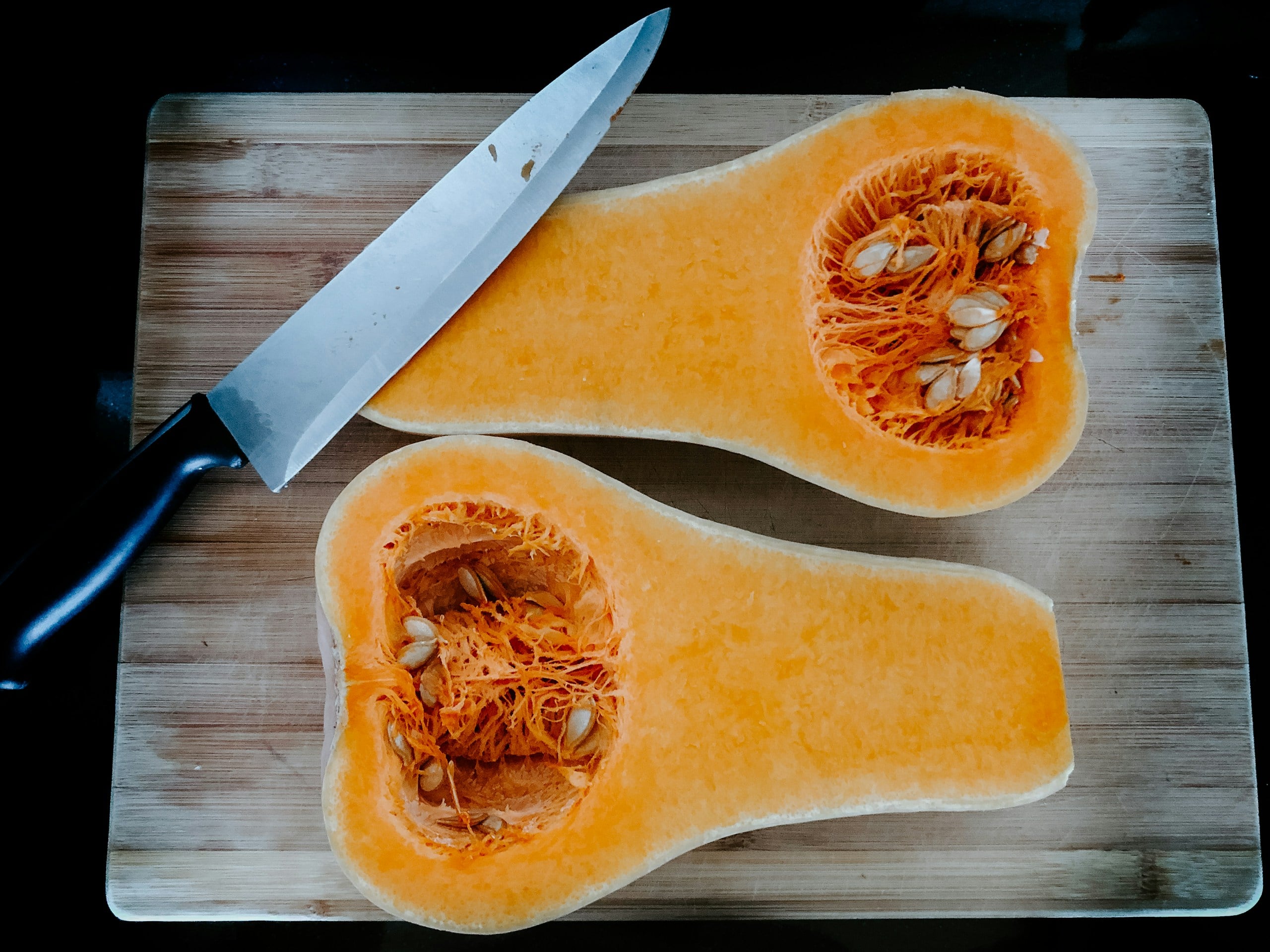
- Get your equipment ready: You’ll need a baking sheet, parchment paper, a sharp knife, a fork, a colander, a mixing bowl, and an 8×8-inch baking dish.
- Roast the spaghetti squash: Cut the squash in half lengthwise, scoop out the seeds, and place it cut-side down on a parchment-lined baking sheet. Roast at 400°F until the flesh is fork-tender and the shell has softened slightly.
- Make and drain the strands: Let the squash cool briefly, then scrape the flesh into strands with a fork. Transfer the strands to a colander and let them drain before mixing. This extra step helps prevent a watery casserole.
- Combine the filling: Toss the drained squash with vegan pesto, tomatoes, basil, nutritional yeast, and seasonings until the strands are evenly coated and the tomatoes are distributed throughout.
- Assemble the bake: Transfer the mixture to a lightly greased 8×8-inch baking dish. Sprinkle the breadcrumbs evenly across the top for a light, crisp finish. For a crunchier topping, use a little extra breadcrumbs and lightly mist or drizzle them with olive oil before baking.
- Bake until heated through: Return the dish to the oven just long enough for the tomatoes to soften, the filling to heat through, and the topping to turn lightly golden.
- Rest and serve: Let the bake sit for about 5 minutes before serving so it firms up slightly. Finish with extra fresh basil, if desired.
What This Vegan Spaghetti Squash Bake Tastes Like
If you’ve never tried a vegan spaghetti squash casserole, expect a blend of fresh, savory, and slightly sweet flavors.
The pesto delivers bold basil and garlic notes that coat the squash strands, while the tomatoes become slightly sweeter as they bake. Nutritional yeast adds a subtle, dairy-free cheesy flavor, and the breadcrumb topping creates a crisp contrast to the tender squash beneath.
The result is a healthy spaghetti squash casserole that feels comforting and satisfying while remaining lighter than traditional baked pasta dishes.
Expert Tips for Perfect Vegan Spaghetti Squash Bake
- Roast the squash only until fork-tender to preserve the texture of the strands.
- Use ripe tomatoes for the best flavor and natural sweetness.
- For extra crunch, lightly toast the breadcrumbs before adding them to the casserole.
- Allow the casserole to cool slightly before serving so it holds together more easily.
Common Vegan Spaghetti Squash Bake Mistakes
If your casserole didn’t turn out as expected, these are the most common causes.
Why Is My Squash Mushy?
Mushy squash is usually caused by overcooking during the initial roast. Since the squash bakes twice, it should only be roasted until fork-tender.
Why Don’t My Squash Form Strands?
This typically happens when the squash is undercooked. Properly cooked spaghetti squash should separate easily into strands when scraped with a fork.
Why Is My Bake Bland?
Because spaghetti squash has a mild flavor, the overall taste depends heavily on the pesto and seasonings. Using a flavorful pesto and fresh herbs will produce the best results.
Do you need another flavor-packed way to use spaghetti squash? Broccoli Chickpea Spaghetti Squash Bowl combines roasted vegetables and plant-based protein in a simple weeknight meal.
Vegan Spaghetti Squash Bake Variations You Should Try
Try one of these simple variations.
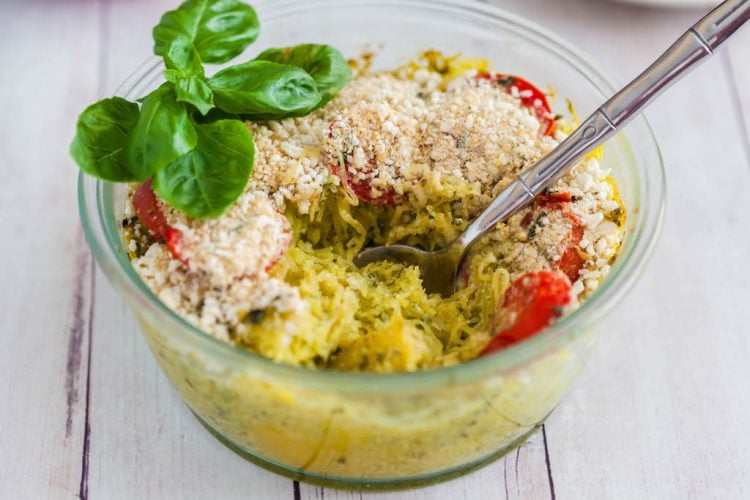
High-Protein Version
Add either chickpeas, lentils, or tempeh before baking. These ingredients increase the protein content without altering the casserole’s overall flavor.
Vegan Cheese Lover Version
Increase the amount of nutritional yeast, or add a vegan mozzarella-style cheese, before baking for a richer, cheesier texture.
Mediterranean Version
Add olives, sun-dried tomatoes, and artichoke hearts, as they pair well with the pesto and tomatoes.
Mexican-Inspired Version
Include black beans, corn, and taco seasoning to create a different flavor profile while using the same spaghetti squash base.
Extra Veggie Version
Add zucchini, mushrooms, and bell peppers to increase texture, volume, and nutrient content without significantly altering the recipe.
For more squash recipes, see our 32 Wholesome Vegan Winter Squash Recipes.
What to Serve with Spaghetti Squash Bake
This vegan squash bake works well as a main dish, but pairing it with one of the sides below can create a more complete meal.
Fresh Side Salads
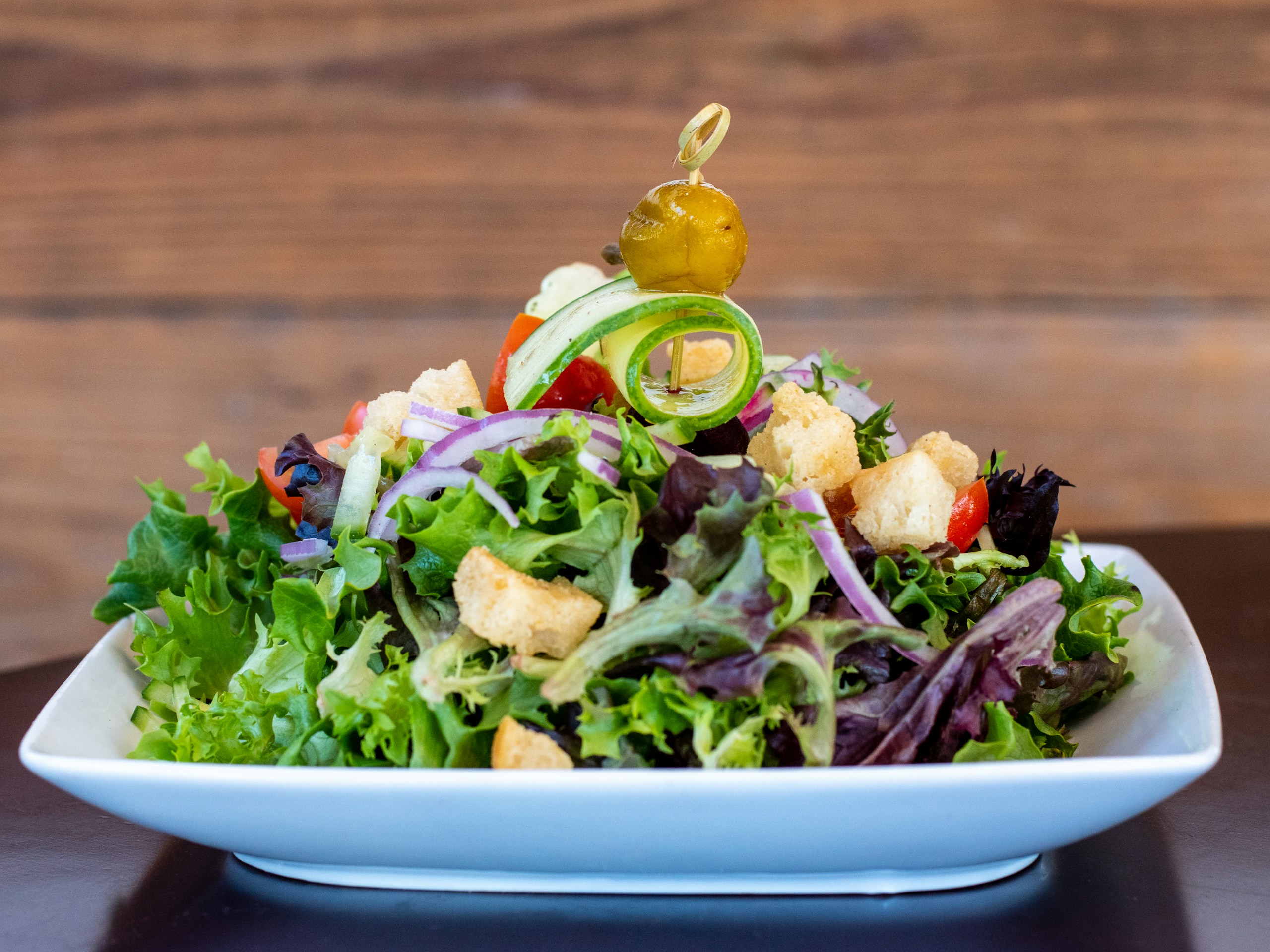
A crisp salad adds freshness and balances the warm casserole. Our Italian Lentil Salad with Grilled Vegetables (High Protein Vegan Bowl) adds extra protein, while this Kale Apple Salad pairs sweet and savory flavors.
Roasted Vegetables
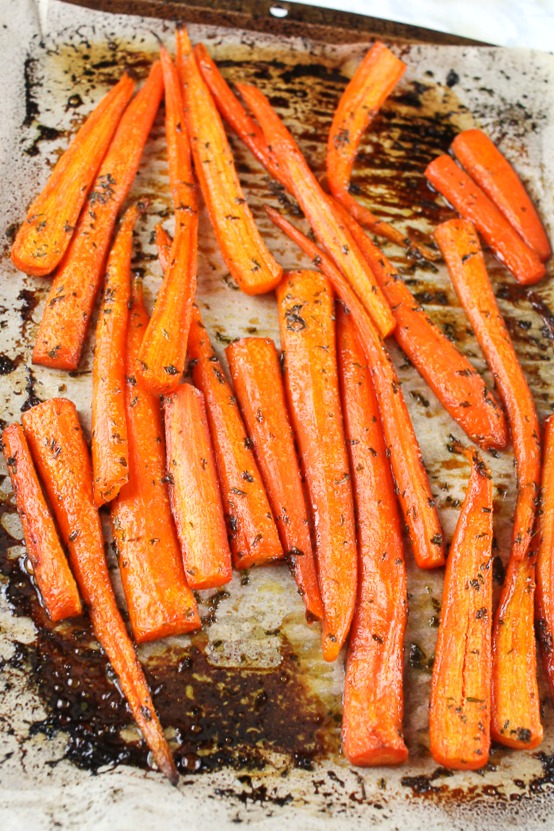
Roasted vegetables pair naturally with the flavors in this vegan spaghetti squash recipe. Brussels sprouts, cauliflower, carrots, or broccoli all work well and can be cooked while the casserole bakes.
Vegan Garlic Bread
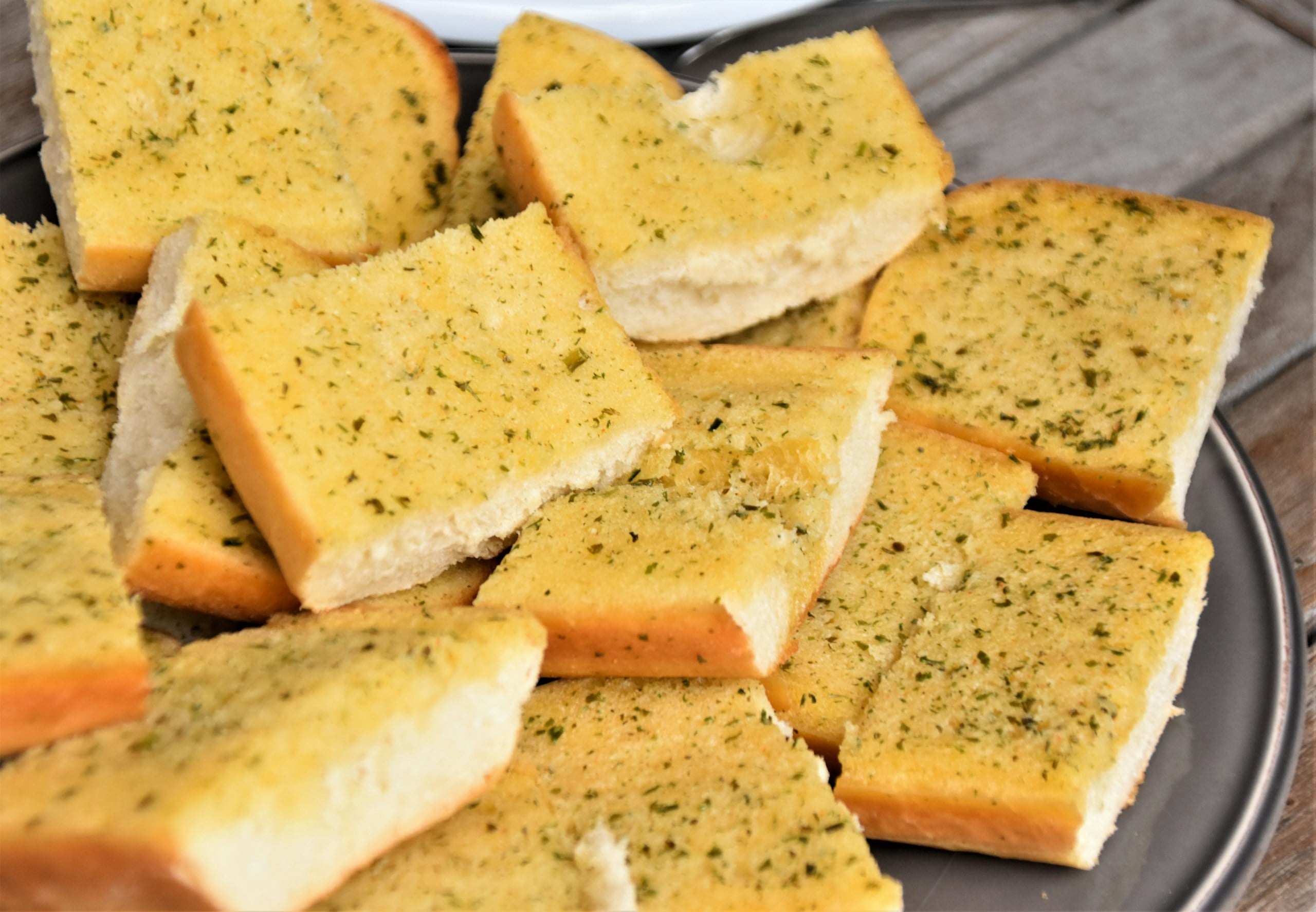
Vegan garlic bread adds crunch and is useful for serving larger groups. It also complements the pesto and tomato flavors in the casserole.
Soup Pairings
For a heartier meal, serve the casserole alongside soup. Our Creamy Vegan Pumpkin Soup is a good option during cooler months and pairs well with the herbs and vegetables in this dish.
Meal Prep and Storage Guide for this Recipe
This vegan spaghetti squash bake stores well, making it a practical option for meal prep and leftovers.
Refrigerator Storage
Allow the casserole to cool completely before storing. Transfer leftovers to an airtight container and refrigerate for up to 4 days.
Freezing Instructions
For longer storage, freeze individual portions in freezer-safe containers. The casserole can be frozen for up to 2 months. Thaw overnight in the refrigerator before reheating.
Best Reheating Methods
For the best texture, reheat the casserole in a 375°F oven for 10 to 15 minutes or until warmed through. This helps maintain the breadcrumb topping. A microwave can also be used for convenience, although the topping may soften.
Make-Ahead Instructions
You can roast the spaghetti squash and prepare the casserole mixture up to 24 hours in advance. Store it covered in the refrigerator, then add the topping and bake when ready to serve.
Are you planning a larger meal? Curried Butternut Squash and Sweet Potato Soup Shots can also be prepared in advance and served alongside this casserole.
Frequently Asked Questions
These are the questions we often get about this recipe, along with their answers. If you can’t find yours, drop it in the comments.
Can I Use Frozen Spaghetti Squash?
Thaw the spaghetti squash completely and drain any excess liquid before using it in the casserole. Frozen spaghetti squash tends to release more moisture than freshly roasted squash, so draining is especially important.
What Size Spaghetti Squash Works Best?
A small to medium spaghetti squash works best for this recipe. Larger squashes can yield more strands but may require longer roasting times and additional seasoning to maintain a balanced flavor.
Can I Make This Recipe Nut-Free?
Use a nut-free vegan pesto made with seeds instead of nuts. Always check store-bought pesto labels if you have a nut allergy or are cooking for someone who does.
Can I Serve This Cold?
While this casserole is best served warm, leftovers can be enjoyed cold or at room temperature. The pesto, tomatoes, and basil create flavors that hold up well after chilling.
Can I Turn This Into Individual Portions?
Instead of using a single baking dish, divide the mixture among small ramekins or oven-safe containers. Individual portions bake evenly and are convenient for meal prep and serving.
Can I Make This Ahead of Time?
You can roast the squash and assemble the casserole up to 24 hours in advance. Store it covered in the refrigerator, then bake when ready to serve.
Can I Use Store-Bought Pesto?
Absolutely. A good-quality vegan pesto works very well in this recipe and can save time on preparation. Homemade pesto simply provides a fresher flavor.
Why Is My Spaghetti Squash Watery?
Spaghetti squash naturally contains a lot of moisture. Draining the strands after roasting and avoiding overcooking are the best ways to prevent a watery casserole.
Can I Make This Without Breadcrumbs?
You can omit the breadcrumbs entirely or replace them with crushed nuts, seeds, or additional nutritional yeast for a different texture.
Related Recipes You Should Try
Did you enjoy this vegan spaghetti squash bake? These are a few more plant-based recipes to try:
- Cauliflower and Green Peas Recipe (Easy Pasta Dish) – A simple vegetable-based pasta dish that comes together with pantry ingredients and works well for weeknight dinners.
- Instant Pot Vegan Cincinnati Chili – A hearty vegan meal packed with warming spices and plant-based protein.
- Creamy One-Pot Pumpkin Pasta (Vegan + Gluten-Free) – A creamy pasta recipe that delivers comfort-food flavor while remaining vegan and gluten-free.
Try one of these next for more easy, flavorful vegan dinners the whole table will love.
Have You Tried This Vegan Spaghetti Squash Bake?
Leave a comment and let us know which pesto or variation you used, plus any swaps that worked well. Your feedback can help other readers make this recipe with confidence.