Vegan shepherd’s pie is one of those meals everyone starts craving the moment March shows up. It’s warm, hearty, and meant for chilly evenings and holiday tables.
Traditionally, it’s a heavy casserole packed with lamb, gravy, and mashed potatoes. But today’s St. Patrick’s Day table looks different. More guests eat plant-based, more hosts need flexible portions, and nobody wants a dish that turns watery after sitting out.
Table of Contents
We’re skipping the casserole and building the classic inside crispy twice-baked potatoes instead. You still get the rich filling and fluffy topping, but just with a potato skin that stays crisp from first bite to last.

They feel indulgent enough for a holiday dinner, yet practical enough for a party tray. You can serve them alongside other easy meals from this guide to vegan dinner recipes for beginners, or let them stand alone as the main event.
With this article, you’ll get comfort food that keeps the cozy feeling, but works much better when you actually serve and eat it.
Want our human-written content to rank above AI-generated garbage? Help us out by clicking this button!
Why Shepherd’s Pie Is a St. Patrick’s Day Classic
Shepherd’s pie developed in the late 18th and early 19th centuries in Britain as practical rural cooking. Families combined minced lamb, vegetables, and mashed potatoes to stretch leftovers into a filling, affordable meal that could feed everyone from one pot.
Because lamb and potatoes were staples in Ireland as well, the dish became closely associated with Irish home cooking over time. It was warm, simple, and dependable, exactly the kind of comfort food that naturally became linked to cold-weather gatherings and celebrations.
How It Became a St. Patrick’s Day Tradition in America
When Irish immigrants brought the recipe to the United States, the holiday became as much about gathering as heritage. The meal stayed because it worked, it was hearty enough for a crowd, and easy to prepare ahead of time. Today, it often appears alongside familiar holiday sides like these Bourbon Maple Glazed Green Beans to balance richness with freshness.
The Rise of Modern Versions
Celebrations now include various diets, which is why a vegan St Patrick’s Day dinner option is now expected rather than optional. A well-made plant-based shepherd’s pie keeps the same cozy feel, while a vegetarian shepherd’s pie lets everyone share one centerpiece dish instead of separate meals.
The tradition hasn’t changed; only the ingredients have. The goal is still a warm, generous dish made to be passed around the table.
Why Make Twice-Baked Potatoes Instead?
A classic pan of shepherd’s pie works until you actually serve it. The filling shifts, the topping softens, and after a few minutes on the table, it begins to lose structure. Fortunately, turning it into twice-baked potatoes fixes that immediately.
Crisp Outside, Creamy Inside
Each potato shell bakes on its own, so the edges stay lightly crisp while the mash stays fluffy. Instead of scooping a soft casserole, every serving keeps its shape from first bite to last.
Built-In Portion Control
You don’t have to guess serving sizes or cut uneven squares. Everyone simply takes one, and seconds are easy without disturbing the rest of the tray.
Perfect for a Buffet Table
Because they hold together, guests can grab one and move around comfortably without food sliding off their plates. They sit neatly alongside other hearty options like this Simple Cajun Black Bean Potato Bowl without turning into a saucy pile.
Make-Ahead Friendly
You can prep, stuff, and refrigerate them hours earlier. A quick bake right before serving brings back the crispness, making hosting far less stressful.
More Reliable Than a Casserole
The filling stays contained, the topping doesn’t sink, and moisture doesn’t spread across the dish. Instead of hoping the texture holds, the structure is built in. It keeps the comfort of the original, but makes it easier to serve, share, and enjoy at a gathering.
Ingredients (Quick Scan)
Before the measurements and swaps, let’s take a quick look at what gives this vegan shepherd’s pie its flavor and texture. If you like to scan first and cook second, this is the part you’ll keep coming back to.
- Potatoes – the shells and the fluffy topping in one
- Lentils – a hearty base that replaces the traditional meat texture
- Mushrooms – deep savory flavor that makes the filling rich
- Carrots – gentle sweetness and structure
- Peas – classic color and soft bite
- Tomato paste – concentrated depth and color
- Herbs – warmth and traditional comfort flavor
- Plant milk – smooth, creamy mash
- Vegan butter – richness that ties everything together
Next, we’ll break down what each ingredient actually does and how to swap it without changing the final texture.
Ingredients & Smart Substitutions
Now you’ve seen the quick overview, we’ve put together what each ingredient actually does. Understanding the roles makes this vegan shepherd’s pie reliable. This isn’t just a list of items, but a system that creates the right texture every time.
The Base (Structure & Hearty Bite)
These ingredients replace the traditional meat layer and determine whether the filling feels satisfying or soft.
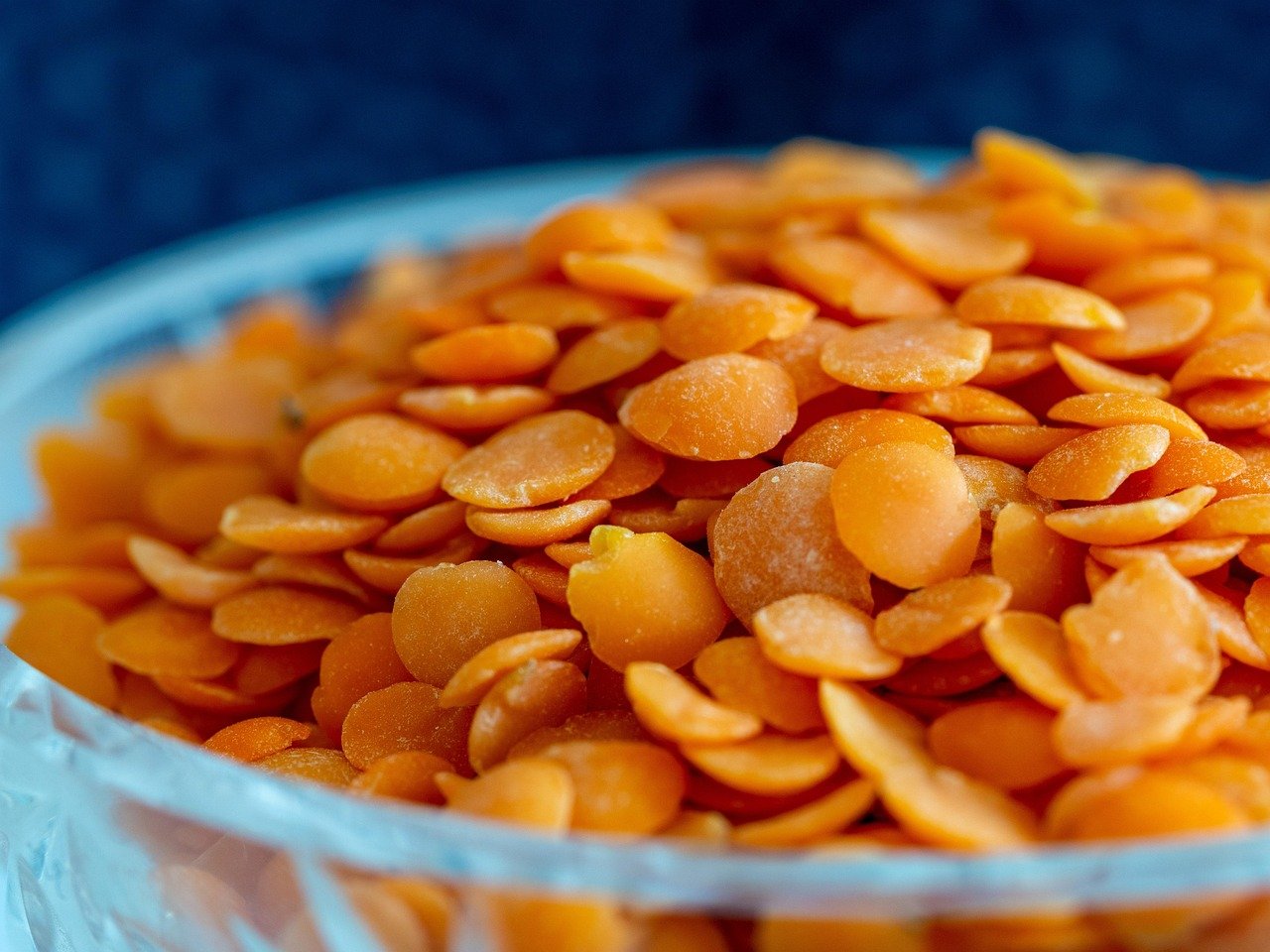
Lentils
Lentils provide body and moisture absorption. They keep the filling cohesive instead of crumbly.
Meatless Beef Crumbles
These crumbles add chew and familiarity.
Lentils vs Crumbles:
- Lentils = softer, rustic texture.
- Crumbles = firmer, meat-like bite.
Using both lentils and crumbles balances tenderness and structure.
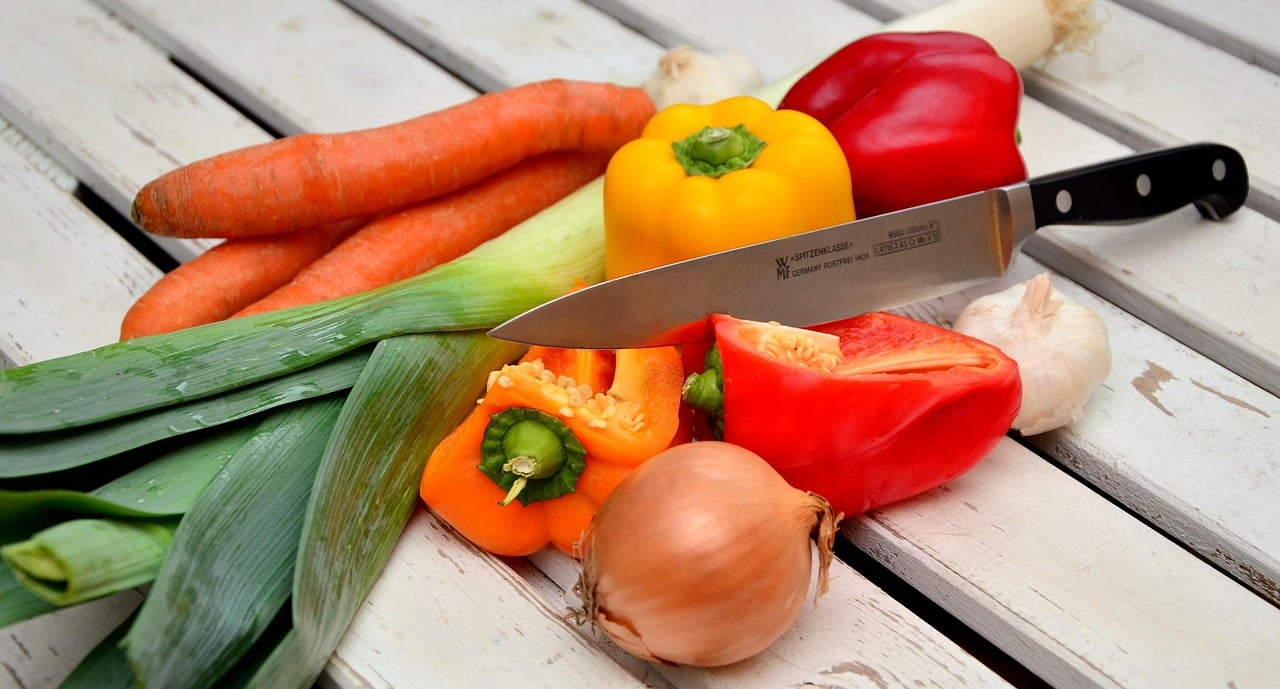
Mixed Vegetables
They bring sweetness, moisture, and variety of texture, so every bite isn’t dense.
Umami Builders (Deep Savory Flavor)
This is what prevents a plant-based filling from tasting flat.
Mushrooms
They provide the main savory flavor and become richer as they brown in the pan.
White Miso Paste
This paste adds fermented depth and salt balance.
Tomato Paste
It creates richness once caramelized in the pan.
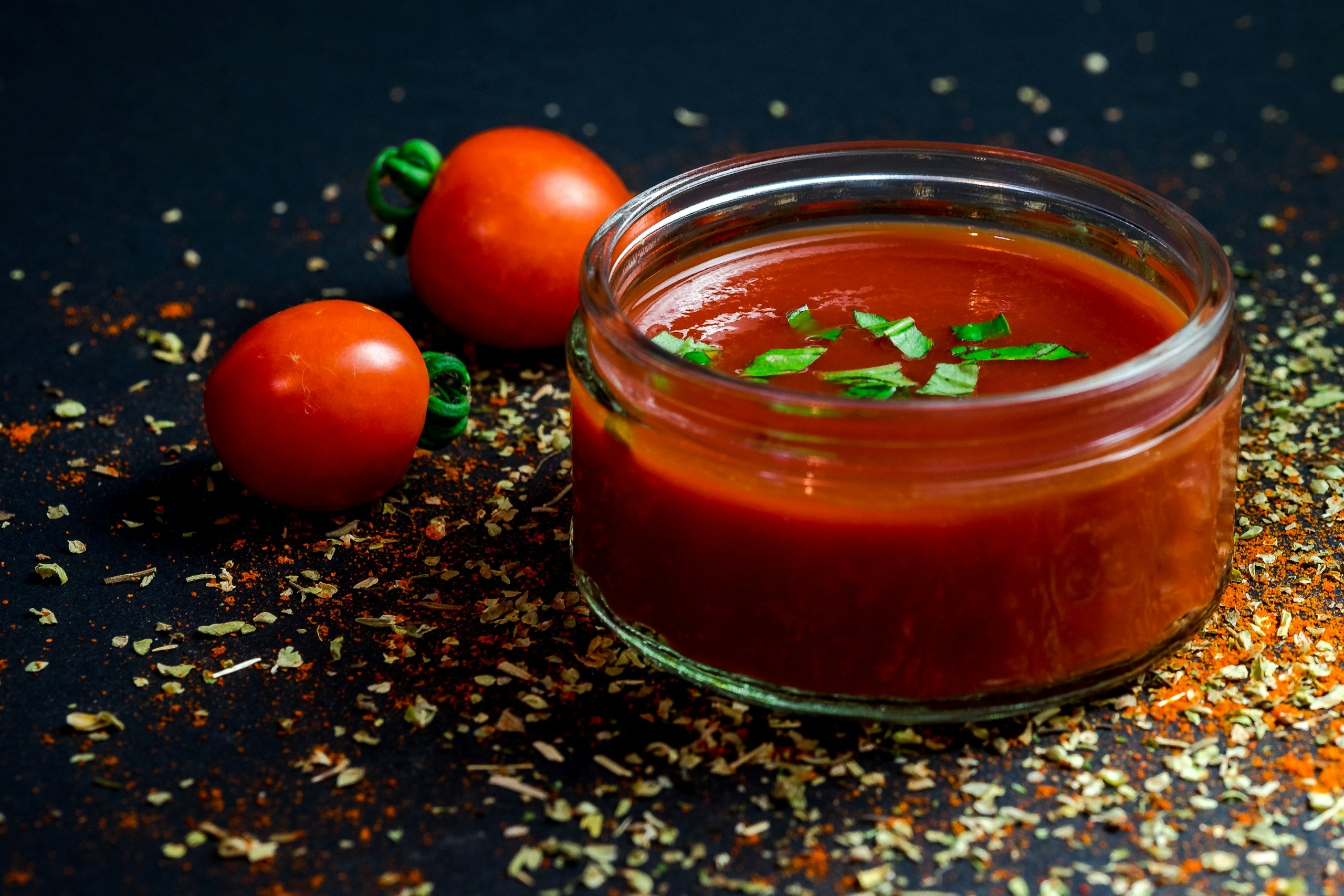
Ketchup
It balances the tangy and sweet flavors so nothing tastes too sharp.
Steak Seasoning, Salt, Black Pepper, Cayenne, Sweet Paprika, Herbs
Using these multiple seasonings together makes the flavor richer and smoother, rather than harsh.
Soy Sauce vs Tamari
- Soy Sauce: classic savory depth
- Tamari: same richness, but gluten-free
Thickening Agents (Prevent Watery Filling)
This determines whether the potatoes hold their shape.
Reduced Vegetable Moisture
Cooking vegetables long enough allows the excess water to evaporate.
Lentils + Tomato Paste Combination
This mixture naturally thickens without flour.
- If the filling looks shiny or loose, keep simmering.
- If it holds a spoon trail, that means it’s ready.
Creaminess Components (Fluffy Topping)
These build a smooth mashed topping that pipes easily and doesn’t sink.
Vegan Butter
It adds richness and helps browning.
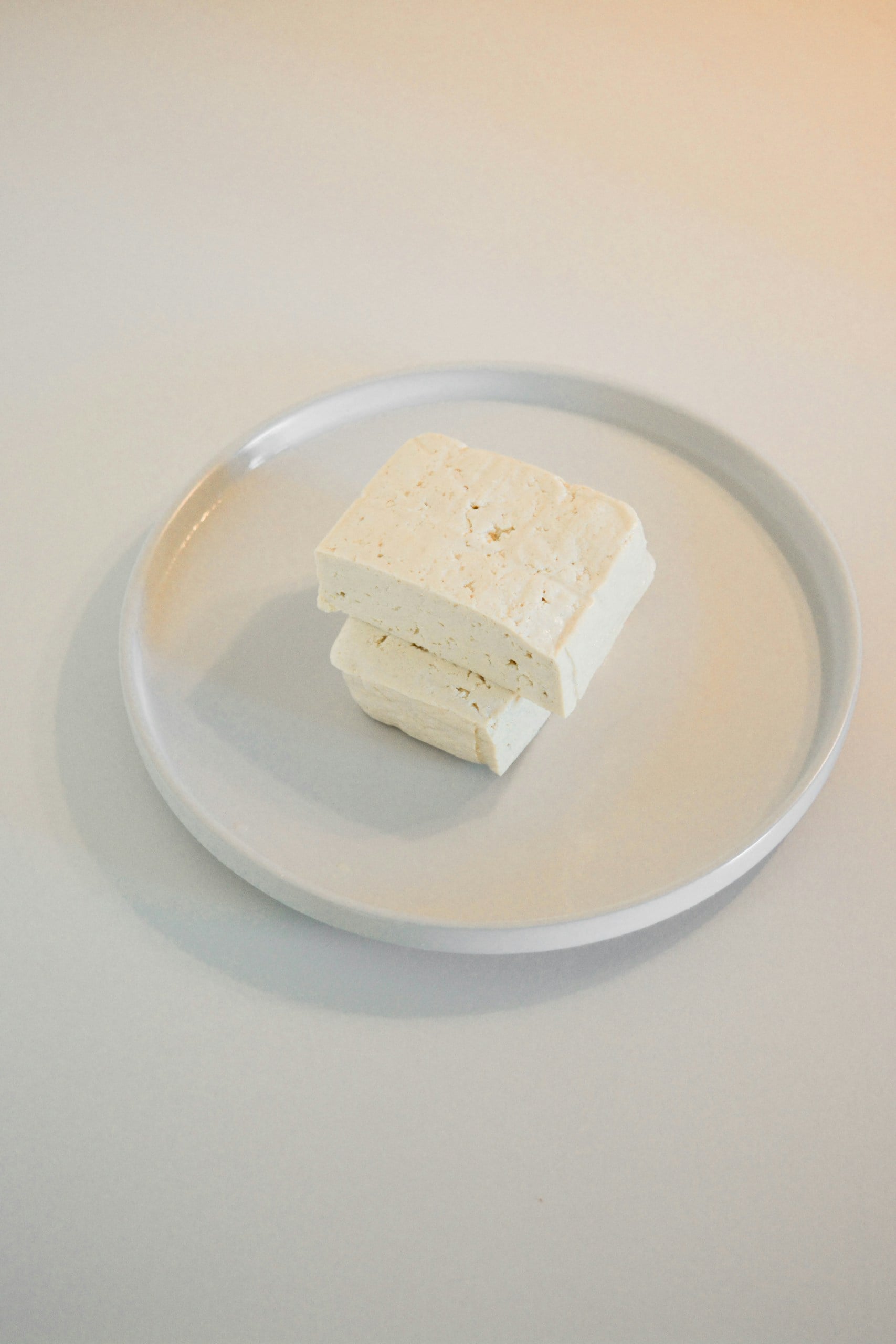
Vegan Sour Cream & Vegan Cream Cheese
They stabilize the mash, so it stays fluffy after baking.
Unsweetened Dairy-Free Milk
The dairy-free milk adjusts the texture, so add it slowly until the mash is smooth and pipeable but not runny.
Nutritional Yeast & Shredded Dairy-Free Cheddar
Nutritional yeast adds savory flavor, while the shredded dairy-free cheddar melts on top to form a light, melted layer.
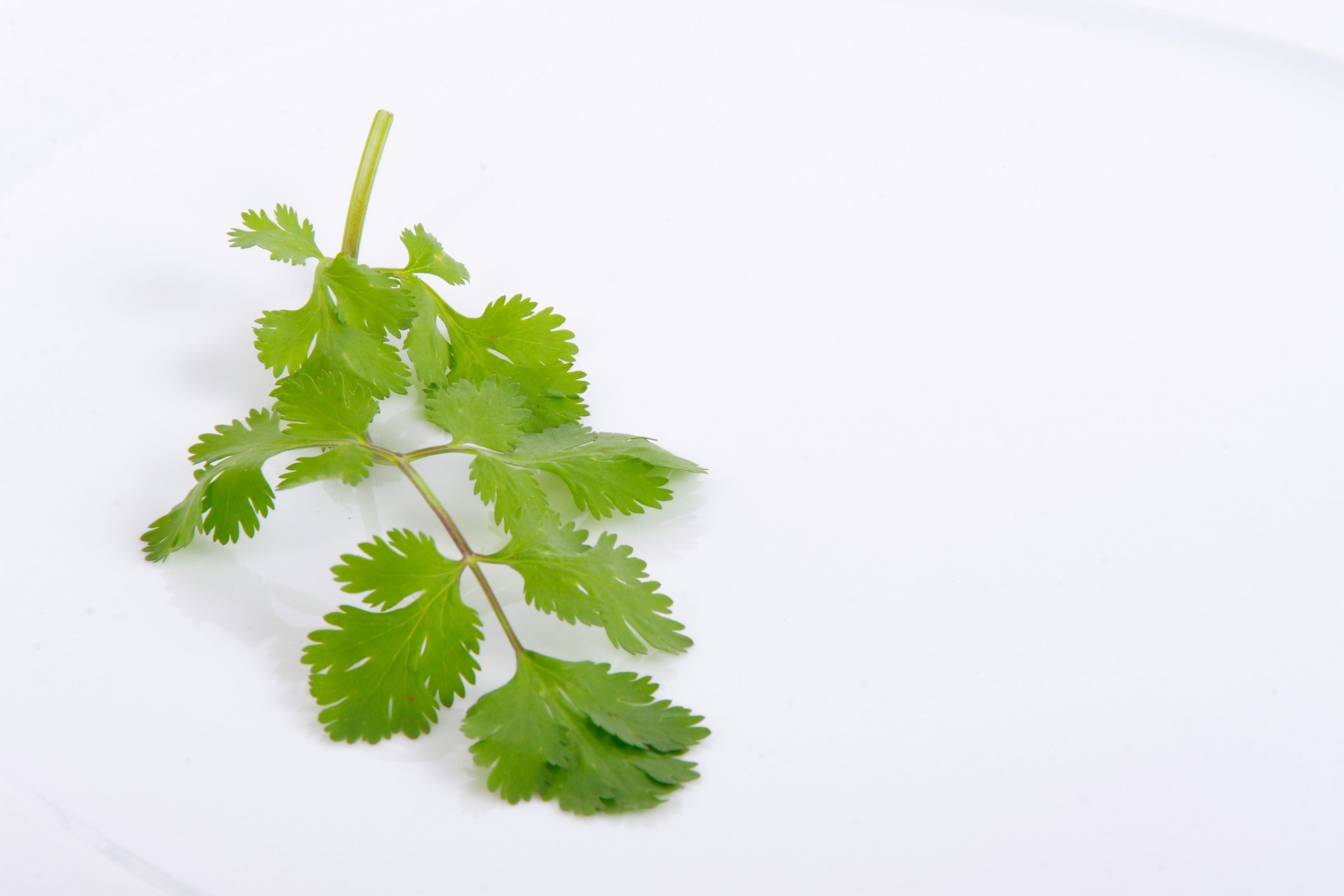
Fresh Parsley
It adds a fresh flavor that keeps the dish from tasting too heavy.
Gluten-Free Swaps
- Use tamari instead of soy sauce.
- Ensure crumbles and seasonings are certified gluten-free.
Oil-Free Swaps
- Sauté vegetables in broth instead of oil.
- Increase plant milk slightly for mash richness.
Success Notes (Read Before Cooking)
- The filling should be thick, not glossy. Simmer it a bit longer if it’s watery.
- Leave a thin potato wall so shells don’t collapse.
- Add milk gradually so the mash stays fluffy instead of loose.
- Let potatoes rest for 5 minutes before serving to set the structure.
Essential Kitchen Tools (Before You Start)
Having the right tools prevents most recipe mistakes before they happen. Make sure you have these kitchen tools in place before you begin:
- Rimmed baking sheet
- Large skillet or sauté pan
- Potato masher
- Mixing bowl
- Sharp knife
- Silicone spatula or wooden spoon
These tools mainly control texture, not speed. Good heat contact and gentle mashing make the difference between fluffy and gluey potatoes.

Printable Vegan Shepherd’s Pie Twice-Baked Potatoes Recipe Card
Equipment
- 1 Rimmed Baking Sheet
- 1 Large skillet or sauté pan
- 1 Potato masher
- 1 Mixing bowl
- 1 Sharp knife
- 1 Silicone spatula or wooden spoon
Ingredients
Potatoes
- 4 russet potatoes
Shepherd’s Pie Filling
- 2 cups meatless beef crumbles
- 1/2 medium onion diced
- 1/2 medium green pepper diced
- 1/2 medium sweet red pepper diced
- 2 garlic cloves minced
- 2 cups frozen mixed vegetables
- 1 Tablespoon white miso paste
- 1/2 Tablespoon ketchup
- 1/2 Tablespoon steak seasoning
- 1/4 teaspoon salt
- 1/8 teaspoon ground black pepper
- pinch cayenne pepper
- 1/2 teaspoon sweet paprika
Mashed Potato Topping
- 1/8 cup dairy-free butter
- 1/4 cup vegan sour cream
- 1/4 cup vegan cream cheese
- 1/2 cup unsweetened dairy-free milk
- 1/2 cup shredded dairy-free cheddar cheese
- 2 Tablespoons nutritional yeast
- 1 Tablespoon fresh parsley chopped
Instructions
- Bake the potatoes: Preheat the oven to 375°F (190°C). Scrub the potatoes, pierce them a few times with a fork, and bake them directly on the rack for about 60 minutes, until a knife slides in easily.
- Cook the Filling: In a large pan, sauté the meatless crumbles, onion, green pepper, and red pepper over medium heat until softened. Add garlic and cook for 30 seconds more. Stir in mixed vegetables, miso paste, ketchup, and all seasonings. Cook until it's hot and slightly thickened.
- Prepare the Potato Shells: Let potatoes cool just enough to handle. Slice each in half lengthwise and gently scoop out the centers, leaving a thin wall so the skins stay sturdy.
- Make the Mashed Topping: Mash the scooped potato with dairy-free butter, vegan sour cream, vegan cream cheese, dairy-free milk, shredded cheese, nutritional yeast, and parsley. Add the milk gradually until smooth and fluffy.
- Fill The Potatoes: Spoon the shepherd’s pie filling into each shell, then top with the mashed potatoes. Lightly press so the topping stays in place.
- Bake Again: Return to the oven and bake for 20 minutes at 375°F (190°C) until heated through.
- Finish With Cheese: Sprinkle a little extra dairy-free cheese on top and bake for 5 more minutes until melted.
Notes
Nutrition Estimate (Per Serving)
Approximate values based on ingredient totals and standard plant-based substitutes:- Calories: ~300 kcal
- Carbohydrates: ~40g
- Protein: ~13g
- Fat: ~10g
- Fiber: ~8g
Nutrition
Why This Vegan Shepherd’s Pie Tastes So Savory (The Flavor Science)
A good vegan shepherd’s pie doesn’t rely on imitation; it relies on technique. The richness people expect from the classic version comes from cooking methods more than the meat itself. Once you understand where the flavor actually comes from, the filling becomes deeply savory rather than just vegetable-based.
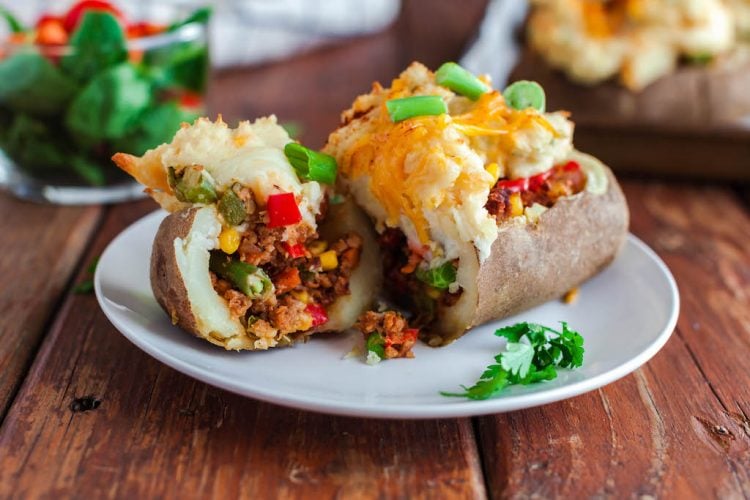
How to Make It Taste Meaty Without Meat
The goal isn’t to copy meat, but to recreate the same satisfying depth. With the right techniques, simple ingredients can develop rich, hearty flavors on their own.
Mushrooms (Natural Savory Compounds)
Mushrooms contain natural compounds that create the same satisfying savory taste people associate with slow-cooked meat. Let them cook undisturbed at first so they brown rather than steam.
Browning The Vegetables
Onions and peppers shouldn’t just soften; they should lightly brown. That darker color signals deeper flavor and removes raw sweetness.
Tomato Paste Caramelization
Cook the tomato paste directly in the pan for a minute before adding liquid. It turns darker and develops a rich, almost roasted flavor, rather than tasting acidic.
Worcestershire-Style Alternatives
A mix of soy sauce or tamari with miso gives the same complexity: salty, fermented, and slightly sweet.
Herbs Timing Matters
Add hardy herbs early so they cook into the sauce. Also, add fresh herbs near the end so they stay bright, not dull.
How to Build Deep Flavor in the Filling
Great flavor isn’t added at the end; it’s built gradually while cooking. These small steps turn a simple filling into something rich, balanced, and comforting.
Layer The Salt
Season lightly at each stage instead of once at the end. The flavor becomes round and full instead of sharp.
Deglaze The Pan
After browning, add a splash of liquid and scrape the bottom. Those browned bits are concentrated flavor; they become the backbone of the sauce.
Reduce The Moisture
Let the filling simmer until thick. If it spreads slowly and holds a line when you drag a spoon across, it’s ready. This is what keeps the potatoes from getting soggy.
This same slow-build flavor approach is why hearty dishes like the Simple Cajun Black Bean Potato Bowl taste satisfying without heavy ingredients. The depth comes from cooking, not just components.
When all three steps are completed (browning, deglazing, and reducing), the filling stops tasting like vegetables in sauce and starts tasting like comfort food.
How to Make Vegan Shepherd’s Pie Twice-Baked Potatoes (Step-by-Step)
At this point, you already know what to do.
This section shows you what to look for while doing it, we’re talking about the small cues that keep the filling rich and the potatoes structured instead of soggy.
Step 1: Bake the Potatoes Properly
Place the potatoes directly on a baking sheet so air can circulate them. Then, bake until the center feels soft when pressed gently.
Once it’s done, the knife should enter smoothly with no resistance.
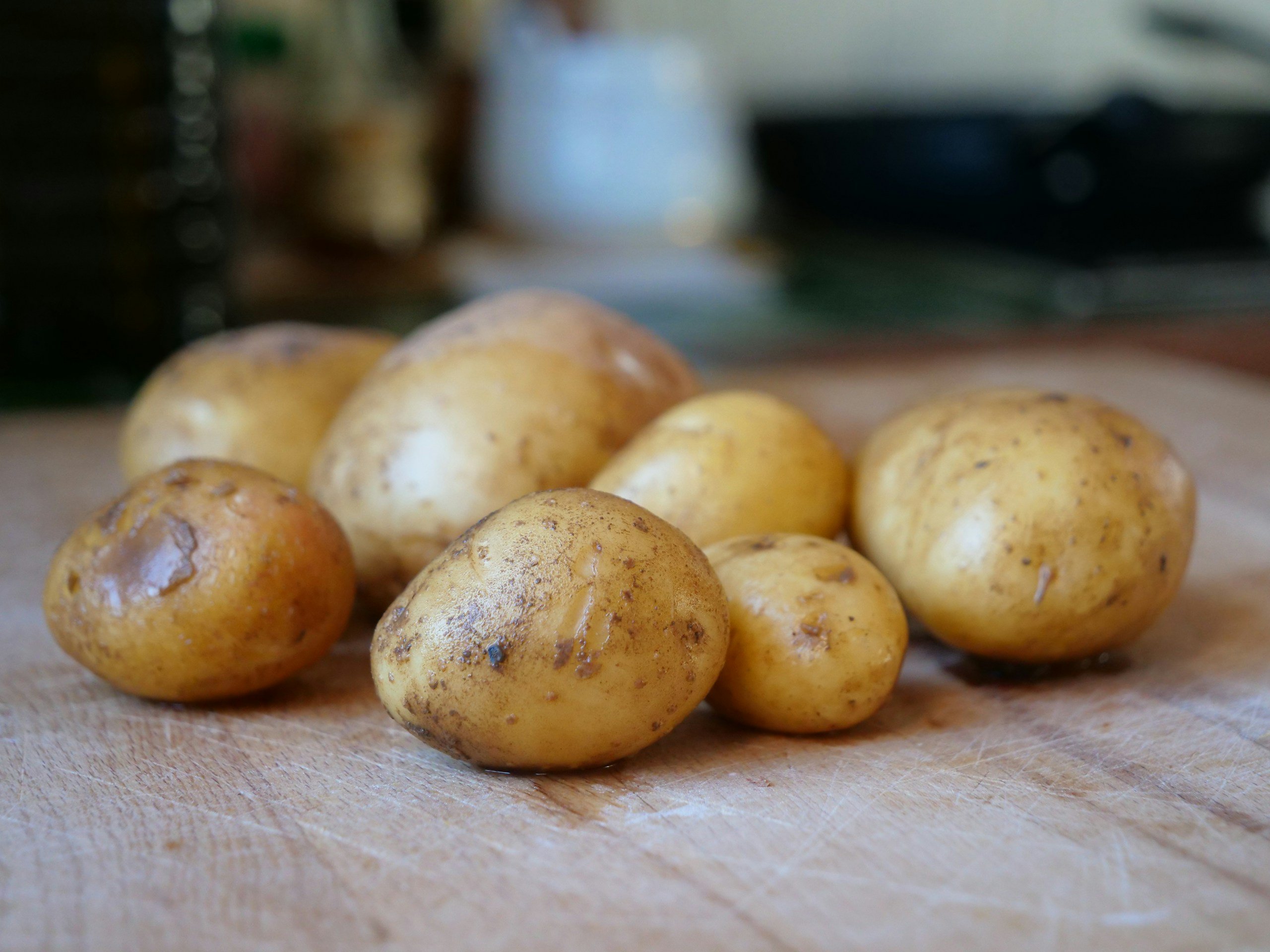
Also, the skin should look slightly dry and wrinkled, not shiny.
Let the potatoes rest for 10 minutes so the steam finishes cooking the inside and makes the mash fluffier.
Step 2: Create the Flavor Base
Heat the skillet and cook the crumbles first, then let them sit briefly to brown.
When they start to brown, add the onions and peppers.
You should see golden edges instead of a gray color. This browning step creates most of the savory flavor, so skipping it will make the filling taste bland.
Step 3: Build the Filling
Add garlic briefly, then vegetables and seasoning. Then, stir and cook uncovered.
Use a spatula to scrape the bottom occasionally.
The mixture should thicken and stop looking glossy.
You’ll know if it’s ready when you drag your spoon, and it leaves a line that slowly fills back in. If liquid pools at the bottom, continue cooking to prevent soggy potatoes later.
Step 4: Shape the Potato Shells
Cut each potato lengthwise and scoop into a mixing bowl. Then, leave a thin wall attached to the skin.
The shell should stand upright without folding. If it collapses, press a little potato back inside to reinforce it.
Step 5: Mash to the Right Consistency
Mash the potatoes using a potato masher, not a blender. Afterwards, add the butter and creamy ingredients first, then add the milk slowly.
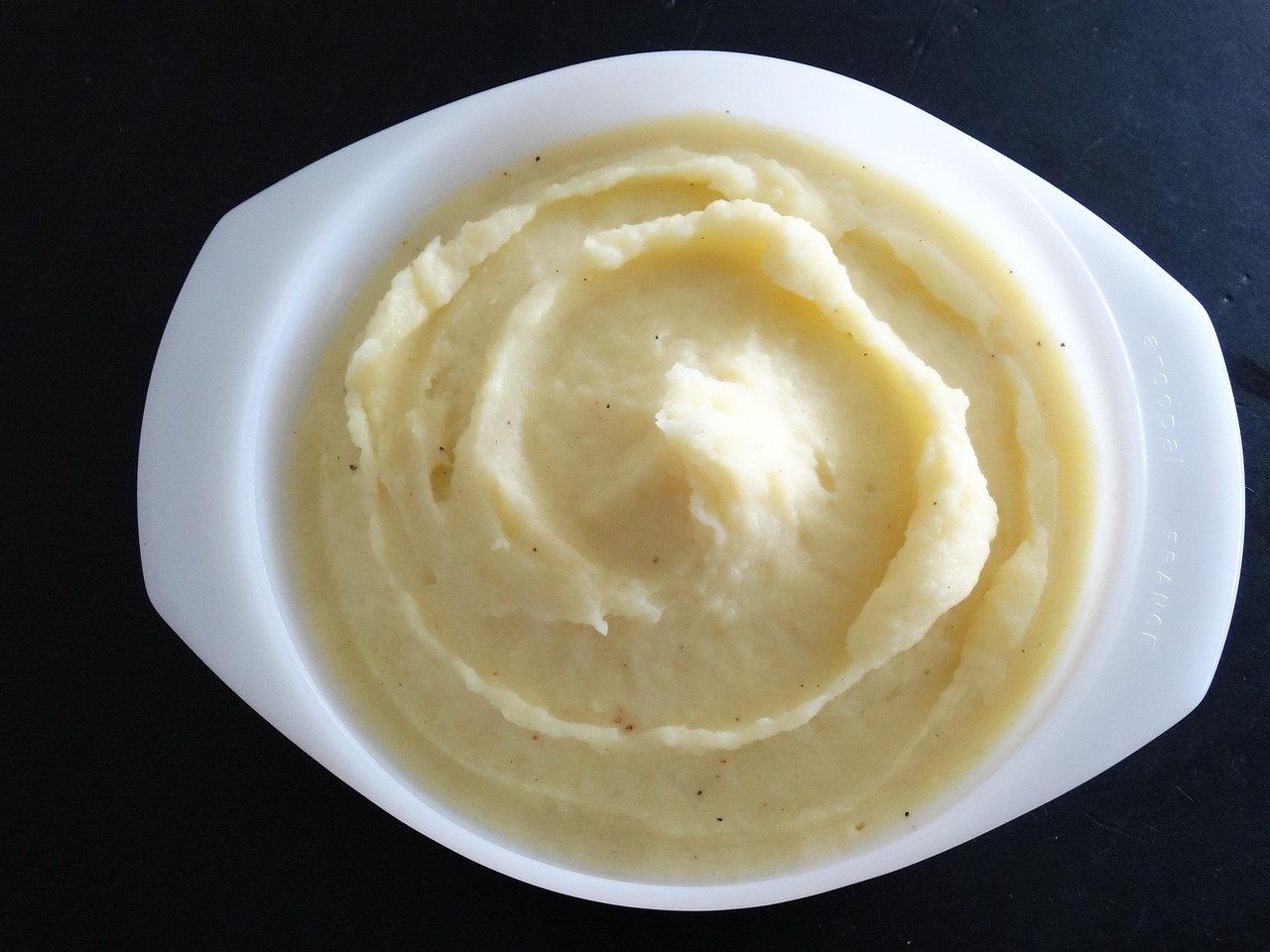
It should form soft peaks that hold their shape when you lift the masher. If it’s too stiff, add a splash of milk. But if it’s too loose, mash in extra potato. The goal is fluffy and spreadable, not smooth like puree.
Step 6: Fill in Layers
Spoon filling into shells first, then top with mash. Then, press lightly so the topping anchors.
You should clearly see two layers rather than a blended mix; this helps retain structure after baking.
Step 7: Second Bake (Set the Structure)
Return the mixture to the oven until it’s heated through.
The top should look slightly dry, not shiny or wet.
Once it’s done, you’ll see small bubbles around the edges.
Step 8: Melt and Rest
Add the cheese and bake for a brief time. After baking, let it rest for 5 minutes before serving.
Letting it rest helps the filling set so it stays inside the potato instead of spilling out when you cut or bite into it.
How to Perfect Vegan Shepherd’s Pie Texture
Flavor makes you want a second bite, while texture makes the first bite work. A good vegan shepherd’s pie should feel sturdy when picked up, soft when bitten, and never watery in the center. Below are guides on how to know you got it right before serving.
Filling Consistency
The filling should be thick enough to stay inside the potato, not spread across the plate.
What To Look for:
- Holds its shape when spooned.
- Looks matte instead of shiny.
- Moves slowly, not like sauce.
If it pools at the bottom, simmer a few minutes longer. Most texture problems start here.
Potato Fluffiness
The topping should be light and creamy, not dense.
Signs It’s Correct:
- The fork glides through easily.
- Holds gentle ridges after spreading.
- Doesn’t feel sticky on the spoon.
Over-mixing compresses the mash and makes it heavy, while gentle mashing keeps it airy.
Skin Crispness
The shell should support the filling without cracking.
These Are Things You Should Aim for:
- Firm sides that stand upright.
- Lightly crisp edges.
- No soggy bottom after baking.
Placing potatoes directly on a rack during the first bake helps moisture escape. It’s similar to how structured potato dishes, like the Simple Cajun Black Bean Potato Bowl, retain their texture rather than softening.
Structural Balance
This is where everything comes together. The filling shouldn’t overpower the shell, and the topping shouldn’t slide off. When balanced correctly, you can lift one half, and the layers stay intact.
Quick Test:
Let it rest for five minutes, then cut it. It should hold clean layers rather than collapsing.
How to Save the Recipe
Most recipe problems don’t come from the ingredients; they come from small steps that seem harmless while cooking. If something feels off, it’s usually one of these quick fixes.
Why the Filling Turns Watery
A vegan shepherd’s pie filling should be rich and spoonable, not soupy. If liquid collects at the bottom, one of the following happened.
Frozen Vegetables Went Straight into the Pan
Frozen vegetables release water as they heat, and that could make the filling soupy. To fix this, cook it uncovered until the steam stops rising.
Too Much Liquid Added
Even a small splash of extra can thin the filling. Fix this by simmering the filling for a few extra minutes before stuffing the potatoes.
No Reduction Step
Stopping cooking once the ingredients are hot traps moisture inside. You can fix this by keeping cooking until a spoon leaves a slow-closing line in the pan. The filling should look thick and slightly matte before it ever touches the potato.
Why the Potatoes Collapse
The shell is the dish’s structure. If it fails, everything slides apart. These are the likely causes of such issues and how to solve them.
Scooped Too Deeply
Removing too much potato weakens the wall. You can avoid this by leaving a thin layer attached, about the thickness of a coin.
Skins Too Thin After Baking
Some potatoes turn out softer after baking.
If the shells bend, bake them empty for 5 minutes before adding the filling.
Too Much Filling Packed In
Too much filling can make the potatoes split while baking. Therefore, fill them only up to the edge, not piled on top.
Keeping the right texture is important in hearty plant-based meals. Similar comfort recipes like this Vegan Chili rely on reducing moisture so the dish stays rich rather than watery.
Plant-Based Flavor Options
Once the base works, this is where the recipe becomes yours. These small changes maintain the dish’s structure while shifting its personality.
Irish Pub Style
Add a splash of non-alcoholic stout or dark vegetable broth while cooking the filling. It deepens the flavor and gives a slightly roasted, savory finish.
High Protein Version
Replace half the lentils with extra plant-based crumbles or add white beans. The texture becomes firmer and more filling without changing the overall taste.
Sweet Potato Topping
Swap the mashed potato topping for mashed sweet potatoes. The gentle sweetness balances the savory filling, adding a softer, creamier bite.
Cauliflower Mash
Use mashed cauliflower instead of potato topping for a lighter option. Keep it thick so it holds its shape after baking.
Cheesy Vegan
Add extra dairy-free cheddar into the mash and sprinkle some on top before the final bake. The topping forms a lightly golden layer rather than remaining pale.
Lentil & Walnut
Mix finely chopped walnuts into the filling. They add bite and make the texture feel heartier without changing the flavor profile.
Mushroom Only
Skip crumbles and double the mushrooms.
Cook longer so the moisture evaporates, making the filling deeper and more savory.
Gluten-Free
Use tamari instead of soy sauce, and confirm that the seasonings are gluten-free. No other changes are needed because the structure doesn’t rely on flour.
These variations let you adjust richness depending on the occasion. You can prepare them for lighter dinners or comfort-style spreads alongside a filling dish like the Brussels Sprout, Sweet Potato, and Chickpea Sheet Pan Dinner.
Make-Ahead Vegan Shepherd’s Pie Tips
This is where the recipe becomes especially useful. Instead of cooking during the celebration, you can prepare almost everything ahead of time and heat it when guests arrive.
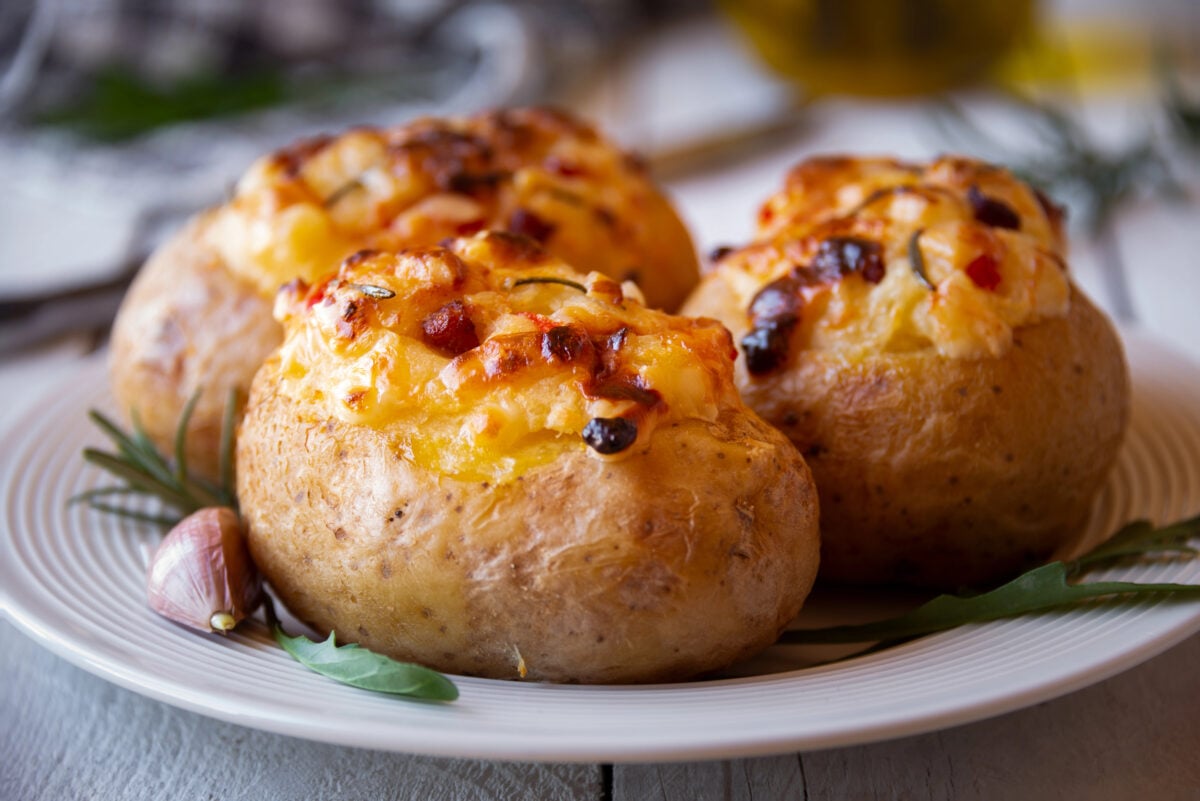
Timeline: From the Day Before to Serving
1 Day Before
- Bake the potatoes
- Cook the filling
- Prepare the mash
- Stuff the potatoes
- Store them in the refrigerator once cooled, covered.
2 Hours Before Serving
- Remove them from the fridge so they lose their chill.
- Place them on a baking tray ready for the oven.
30 Minutes Before Serving
- Bake until they are heated through.
- Add cheese during the last few minutes.
They’ll taste freshly made without last-minute cooking.
Reheating Strategy
For the best texture, reheat the pie uncovered in the oven instead of the microwave. Oven reheating keeps the skins firm, filling thick, and topping fluffy. If they seem dry after reheating, brush lightly with plant milk before the final bake.
Scaling for Parties
The recipe doubles easily because each portion is separate.
- Small Gathering (4–6 People): 1 batch
- Medium Gathering (8–12 People): 2–3 batches
- Large Party: Prepare trays in advance and bake in rounds
Unlike casseroles, you won’t disturb the whole dish when someone takes a serving.
Buffet Setup
Arrange the potatoes in a single layer so the steam will escape. That’s because crowding traps moisture and softens the skin.
Serve it with something lighter, perhaps a warm soup like Savory Sweet Potato Carrot Soup, which helps balance the heaviness.
Keep extras warm in a low oven instead of stacking them.
Portions Per Guest
Plan for:
- 1 half potato as a side
- 1 whole potato as a main
- 1½ per guest if it’s the centerpiece
Because they’re handheld portions, guests naturally pace themselves and waste less food.
How to Store and Reheat
Leftovers should feel just as comforting the next day, not dry or soggy. Storing them correctly keeps the texture intact, so the potatoes stay sturdy and the filling stays rich.
Fridge Storage
Let the potatoes cool completely before storing. Place them in an airtight container and refrigerate. They keep well for about 3–4 days.
Tip: Store them in a single layer if possible, because stacking traps moisture and softens the skins.
Freezer Storage
This pie freezes better than most potato dishes because each portion is separate.
- Let them cool fully.
- Freeze on a tray first so they firm up.
- Transfer to a sealed container or freezer bag.
They’ll stay good for up to 2 months. However, thaw overnight in the refrigerator before reheating for the best texture.
Best Reheating Method
For a vegan shepherd’s pie, the oven works better than the microwave.
- Oven: Bake your Shepherd’s Pies uncovered at 350°F (175°C) until heated through. This keeps the outside firm and the inside creamy.
- Microwave (Quick Option): Cover your pies loosely and heat them in short intervals; the skin will soften slightly.
Is Vegan Shepherd’s Pie Healthy?
Comfort food usually sounds indulgent, but this version is more balanced than heavy. The ingredients work together to make the meal filling without relying on excess fat or processed fillers.
Fiber From Whole Ingredients
Lentils, vegetables, and potatoes naturally provide fiber, which helps you feel satisfied longer after eating. Meals built around plant ingredients tend to digest more steadily, leaving you less sluggish.
Plant Protein That Still Feels Hearty
The combination of lentils and plant-based crumbles supplies protein while keeping the texture comforting. Instead of heaviness, the meal feels filling in a steady way.
Lower Saturated Fat
Replacing traditional meat with plant-based ingredients reduces saturated fat while still maintaining richness from herbs, mushrooms, and a creamy topping. Studies show that meals centered on plant foods are often linked to better heart health.
Vegetable Density
Multiple vegetables are built directly into the filling, so the meal isn’t just starch with a topping. Each bite includes fiber, moisture, and nutrients, rather than relying on a single main ingredient.
Frequently Asked Questions
These are the quick answers most readers look for before cooking. If yours isn’t here, you can usually adjust the recipe without changing the structure. Still have a question? Leave it in the comments, and I’ll guide you through it.
Can I Freeze Vegan Shepherd’s Pie?
Yes, let the stuffed potatoes cool completely, then freeze them in a single layer before transferring to a container. Thaw overnight in the fridge and reheat in the oven for the best texture.
What Are The Best Lentils To Use?
Brown or green lentils work best because they hold their shape. Red lentils soften too much and can make the filling mushy.
Are Canned Lentils Okay?
They work fine. But rinse and drain them well, then simmer the filling a little longer so excess moisture cooks off.
Can This Be Made Oil-Free?
Yes, sauté the vegetables in a splash of broth instead of oil, and increase the plant milk slightly in the mash to keep it creamy.
Can I Use Store-Bought Mashed Potatoes?
You can, as long as they’re thick. If they’re loose, they won’t hold the filling in place and may slide off while baking.
What’s The Difference Between Cottage Pie and Shepherd’s Pie?
Traditionally, shepherd’s pie uses lamb while cottage pie uses beef. Modern plant-based versions focus on texture rather than the specific meat.
Is Shepherd’s Pie Irish?
It originated in the United Kingdom and Ireland as a practical way to use leftovers. While it isn’t exclusively Irish in origin, it became closely associated with Irish home cooking due to Ireland’s strong traditions of sheep farming and potato-based dishes. Today, it’s widely featured in Irish-themed meals and St. Patrick’s Day celebrations.
Try These Next
If you’re building a full meal, a few small additions turn the plate into a complete spread. These pair naturally with the same cozy flavors, keeping everything balanced.
- Add freshness with these Bourbon Maple Glazed Green Beans.
- Pair with another hearty option like the Simple Cajun Black Bean Potato Bowl.
- Or keep things cozy with the Savory Sweet Potato Carrot Soup.
Together, these dishes turn a simple dinner into a comforting, crowd-pleasing meal that feels special without extra effort.
Your Turn
Did you keep it classic or try one of the variations?
Tell us what worked, what you changed, or what you served it with. Your tip might help the next person make it even better. Drop a comment.